Ueno Tokyo: Complete Travel Guide 2026

Ueno is a central Tokyo neighborhood where you can combine museums in Ueno Park, bargain shopping in Ameya Yokocho, and kitchenware hunting in Kappabashi within easy walking distance.
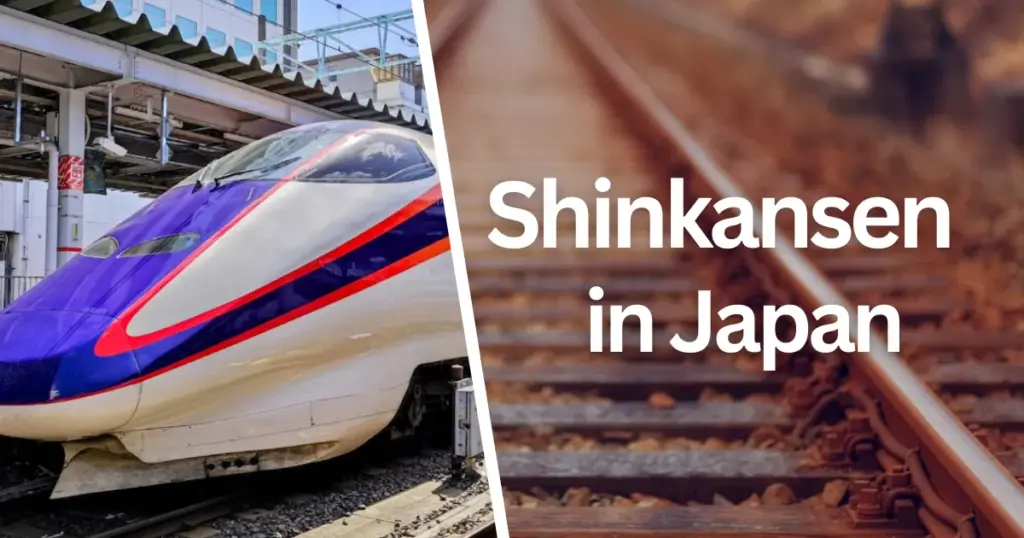
JR Ueno Station and Keisei Ueno Station connect directly to Narita Airport, shinkansen lines, and the Yamanote loop, making Ueno one of the most convenient bases on the east side of Tokyo.
For many first-time visitors, Ueno offers a more local everyday atmosphere than Shibuya or Shinjuku while still giving fast access to major Tokyo sightseeing spots.
Ueno Park

Ueno Park is one of Tokyo’s most iconic green spaces, known for its wide promenades, seasonal landscapes, and relaxing atmosphere.
Visitors come for cherry blossoms, serene ponds, and traditional temples set within the park’s expansive grounds.
Its central location next to Ueno Station makes it a convenient escape from the city’s busy streets.
Natural Beauty and Seasonal Attractions
Ueno Park showcases seasonal nature that makes the area one of Tokyo’s most scenic urban green spaces.
Spring hanami draws visitors to more than a thousand cherry trees, while summer highlights Shinobazu Pond’s expansive lotus fields.
In autumn the park’s maple and ginkgo trees turn vibrant colors, and winter brings the famous peony displays at Ueno Toshogu Shrine, offering year-round beauty for travelers.
Ueno Zoo

Ueno Zoo in Tokyo is Japan’s oldest zoo and a signature attraction inside Ueno Park, especially famous for its giant pandas.
Visitors can see a wide range of animals in just a few hours, which fits well into busy Tokyo itineraries.
Many travelers combine a zoo visit with nearby temples, museums, and walks around the park.
Features of Ueno Zoo
Across the grounds you’ll find pandas, tigers, gorillas, native Japanese species, and children’s animal areas.
A short monorail connects the East and West gardens, adding a playful experience between zones.
Shaded paths, rest spaces, and educational signs make the zoo comfortable and informative for all ages.
Tokyo National Museum

Tokyo National Museum is Japan’s leading museum for traditional art and archaeology, offering a deep dive into the country’s cultural history.
Galleries span everything from ancient pottery to samurai armor and elegant court paintings.
Many visitors use this museum as their main introduction to Japanese art and heritage.
Features of Tokyo National Museum
Collection highlights include Buddhist sculptures, swords, kimono, ceramics, and ukiyo-e prints displayed in calm, well-organized halls.
A landscaped garden and historic teahouses open seasonally, adding an outdoor element to the visit.
Multilingual panels and audio guides help international guests understand the stories behind each object.
National Museum of Nature and Science
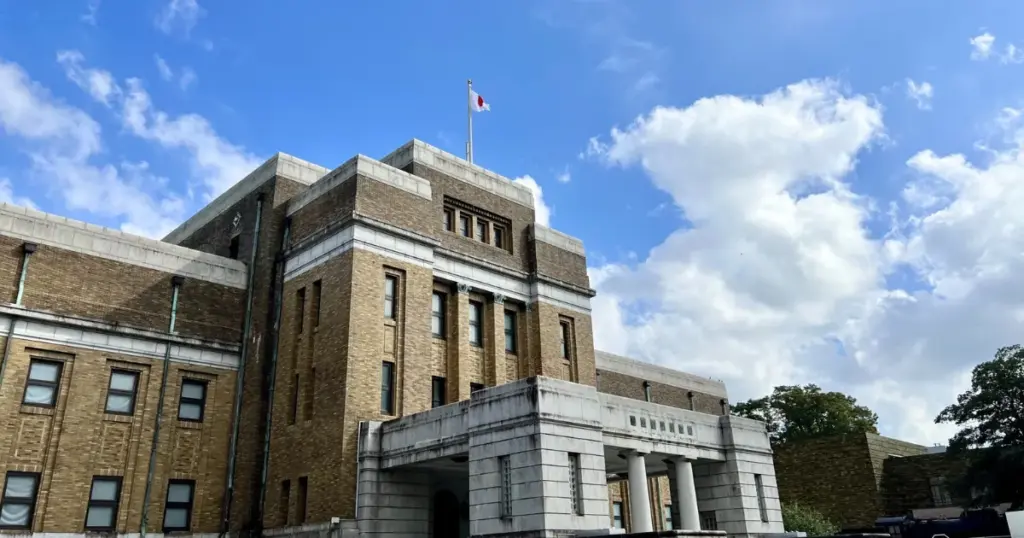
The National Museum of Nature and Science introduces Japan and the world through dinosaurs, animals, the environment, and space.
Families and school groups flock here for its hands-on approach to science learning.
Located in Ueno Park, it offers a good balance to nearby history and art museums.
Features of the National Museum of Nature and Science
Full-size dinosaur skeletons, a giant whale model, and immersive dioramas make a strong first impression.
Interactive zones let children touch, experiment, and learn through play.
Clear layouts and multilingual explanations make it easy to enjoy even on a short visit.
Tokyo Metropolitan Art Museum
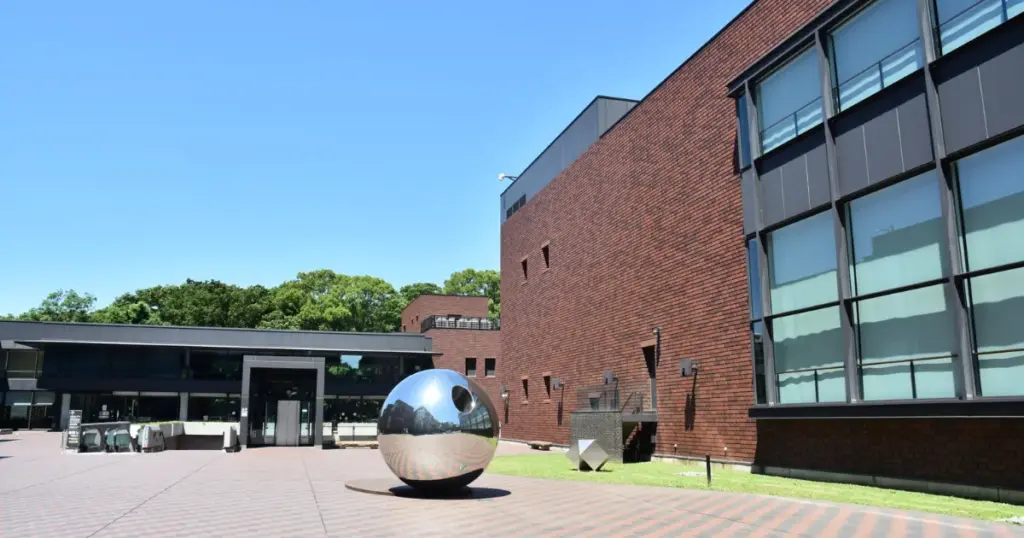
Tokyo Metropolitan Art Museum serves as a major public art venue in Ueno, hosting a constant rotation of exhibitions.
Shows range from international blockbuster displays to local and contemporary Japanese art.
The museum is a convenient choice for visitors who enjoy discovering something new each time.
Features of Tokyo Metropolitan Art Museum
Multiple gallery spaces allow several exhibitions to run at once, from themed shows to invited artist programs.
Community-focused rooms give emerging and amateur artists a chance to display their work.
Open plazas and wide corridors create a relaxed, easy-to-navigate atmosphere between exhibitions.
National Museum of Western Art
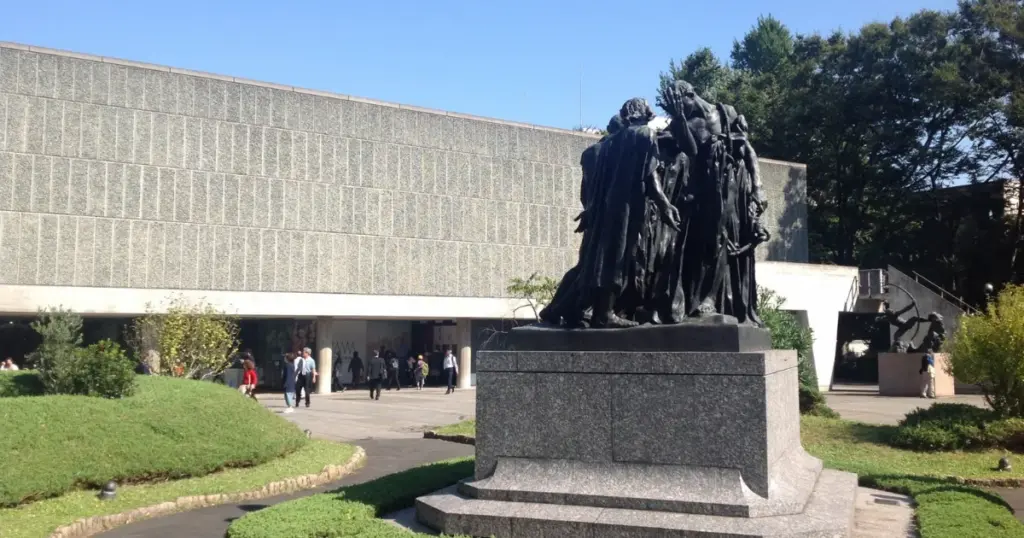
The National Museum of Western Art brings European painting and sculpture to central Tokyo in a compact, high-quality collection.
Its main building, designed by Le Corbusier, is part of a UNESCO World Heritage listing.
Art lovers often visit here to see Western masterpieces in the heart of Ueno.
Features of the National Museum of Western Art
The collection features works by artists such as Monet, Rodin, and Renoir, alongside other European masters.
Special exhibitions introduce fresh themes and new loans throughout the year.
Architecture fans also come to study the museum’s modernist design and unique interior spaces.
Ueno Royal Museum
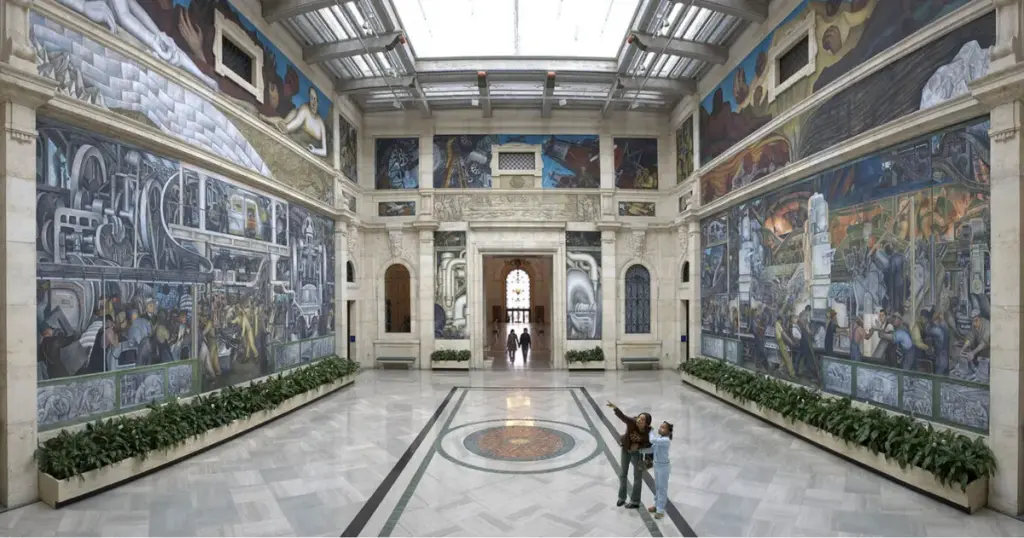
Ueno Royal Museum (Ueno no Mori Museum) is a flexible exhibition venue known for approachable, timely shows.
The program includes everything from contemporary art and illustration to pop-culture-related displays.
Its central position near Ueno Park’s main path makes it an easy drop-in stop.
Features of Ueno Royal Museum
Exhibitions are usually focused and compact, which suits travelers who do not want to spend hours in one museum.
Seasonal shows, competitions, and special events keep the schedule changing throughout the year.
Clear signage and simple layouts help even casual visitors enjoy the space without feeling overwhelmed.
Ueno Toshogu Shrine

Ueno Toshogu Shrine is an ornate Edo-period shrine that honors Tokugawa Ieyasu within the grounds of Ueno Park.
Gold accents, carvings, and traditional structures stand out sharply against the surrounding greenery.
Many visitors stop here to experience historical architecture without leaving central Tokyo.
Features of Ueno Toshogu Shrine
The approach is lined with bronze lanterns, leading to richly decorated shrine buildings and a five-story pagoda.
In winter, the peony garden becomes a seasonal highlight, with flowers protected by straw coverings in classic Japanese style.
The compact site allows travelers to enjoy a traditional shrine visit in a short amount of time.
Statue of Saigo Takamori
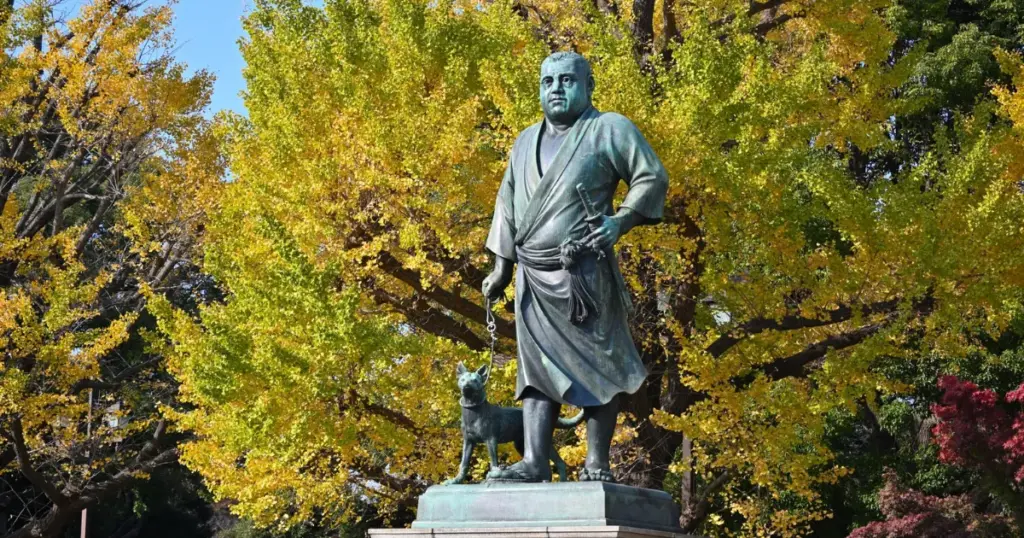
The statue of Saigo Takamori is one of Ueno Park’s most recognizable landmarks and a popular meeting point.
It depicts the Meiji-era samurai leader walking in casual kimono with his dog.
Travelers often pause here for photos and a quick history lesson about modern Japan’s early years.
Features of the Saigo Takamori Statue
Detailed bronze work captures Saigo’s relaxed posture and expression, making the statue feel approachable rather than formal.
Nearby signs and guides explain his role in the Meiji Restoration and Japanese politics.
Open space around the monument offers clear sightlines and makes it easy to find within the park.
Shinobazu Pond
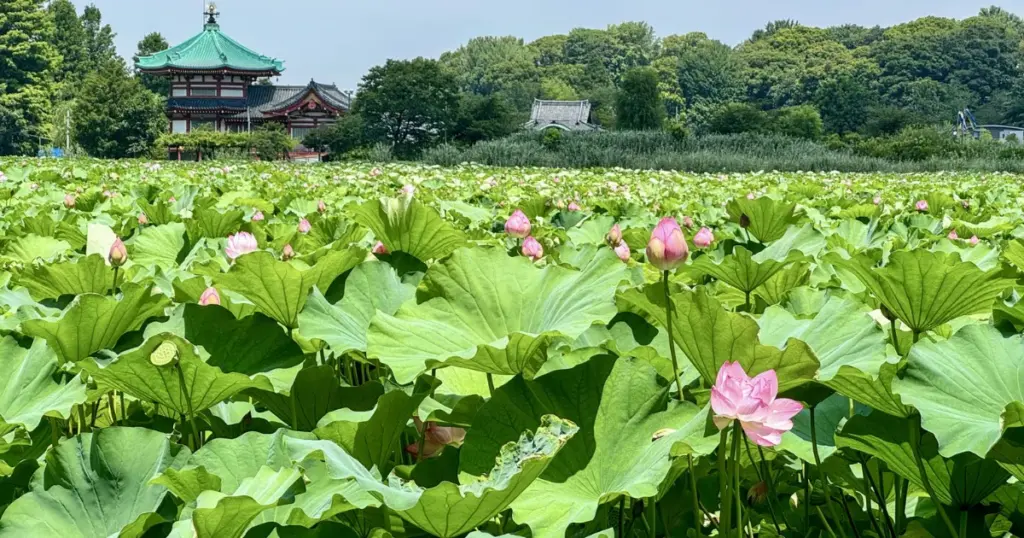
Shinobazu Pond anchors the southern side of Ueno Park with a broad expanse of water and seasonal lotus fields.
Views change dramatically across the year, from lush green summers to reflective winter surfaces.
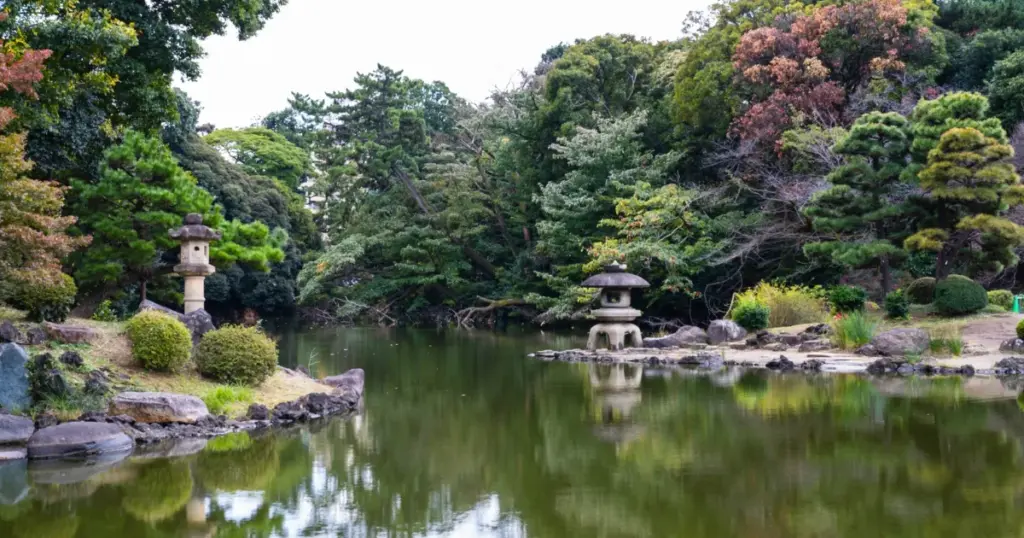
The pond gives visitors a taste of waterside scenery without leaving central Tokyo.
Features of Shinobazu Pond
Distinct zones include the lotus-covered section, a boating area, and a quieter wildlife corner.
Bentendo, a small temple hall on an island, adds a traditional focal point to the pond’s landscape.
Birdwatching, photography, and rental boats all offer different ways to enjoy the surroundings.
Kaneiji Temple
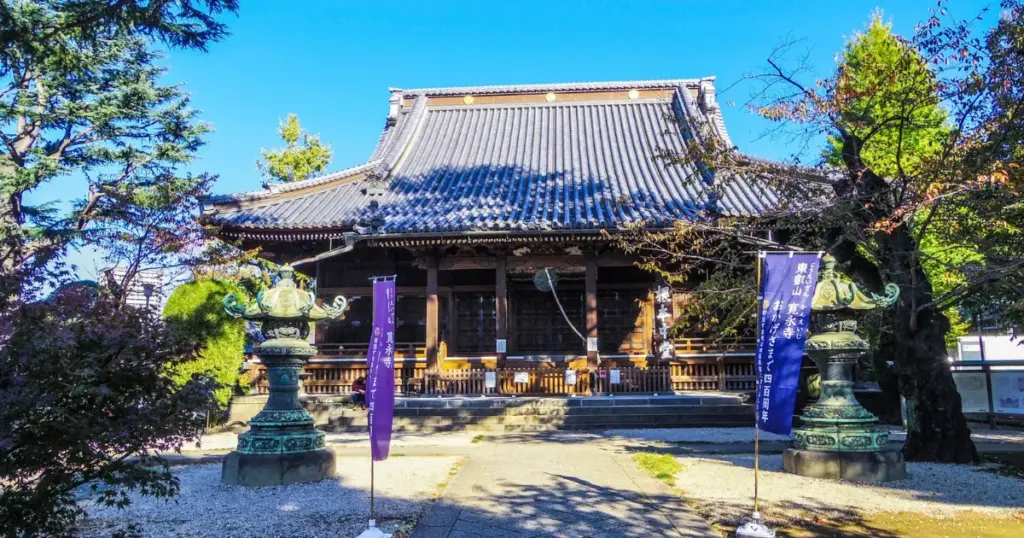
Kaneiji Temple was once one of Edo’s most important temples and the family temple of the Tokugawa shoguns.
Only parts of the original complex remain, but the site still conveys a sense of historical depth.
Compared with the busy park paths, the temple area feels calm and contemplative.
Features of Kaneiji Temple
Surviving buildings and gates hint at the former scale of the temple grounds.
Old gravestones and memorials provide a quiet link to the shogunate and Edo-period society.
Seasonal foliage and simple stone paths make the site appealing to visitors who enjoy slower, reflective sightseeing.
Kayaba Coffee

Kayaba Coffee is a long-loved kissaten-style café near Ueno that preserves a nostalgic Showa-era atmosphere.
The wooden house, cozy lighting, and compact rooms attract both locals and travelers.
Many people visit specifically for its retro charm rather than just for a quick drink.
Features of Kayaba Coffee
Signature menu items include thick-cut toast, egg sandwiches, and carefully brewed coffee.
Traditional tableware, interior details, and background music all contribute to a timeless feel.
The café offers a comfortable break in between Ueno sightseeing spots, especially for those interested in classic Japanese café culture.
Ameya Yokocho at Ueno

Ameya Yokocho developed from post-World War II street markets.
The street stretches approximately 400 meters with hundreds of shops and food stalls.
The vibrant atmosphere reflects Tokyo’s working-class culture and merchant traditions.
Shopping and Dining Experiences
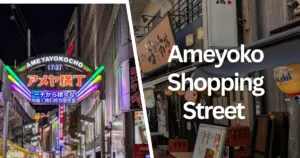
Ameya Yokocho is Ueno’s busiest shopping street, known for bargain prices on food, clothing, and daily goods.
Travelers can try casual Japanese street foods like kushi-katsu and takoyaki or sit down at small local eateries serving ramen and gyudon.
The area’s lively, working-class atmosphere offers an authentic dining and shopping experience rarely found in tourist-focused districts.
Kapabashi Kitchen Tool Street at Ueno

Kapabashi Kitchen Tool Street specializes in professional and home cooking equipment.
The street spans several blocks with over one hundred shops.
Both professional chefs and home cooks source equipment and supplies here.
Professional Kitchen Equipment
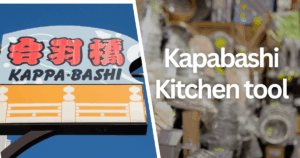
Kappabashi is known for its concentration of professional kitchen equipment shops supplying Tokyo’s restaurant industry.
Visitors will find high-grade knives, cookware, serving tools, noren curtains, and other items that reflect decades of craftsmanship and merchant expertise.
Many stores also offer wholesale options, making the area ideal for chefs, business buyers, and travelers seeking professional-quality Japanese kitchenware.
Unique Shopping Experience
Kappabashi offers a shopping experience that feels completely different from standard Tokyo retail areas, thanks to its focus on craftsmanship and specialist tools.
Many store owners provide hands-on guidance and expert recommendations based on years of professional experience.
As you browse, varied shop displays and unique product specialties create a visually rich streetscape that rewards slow exploration.
Yushima Tenjin Shrine
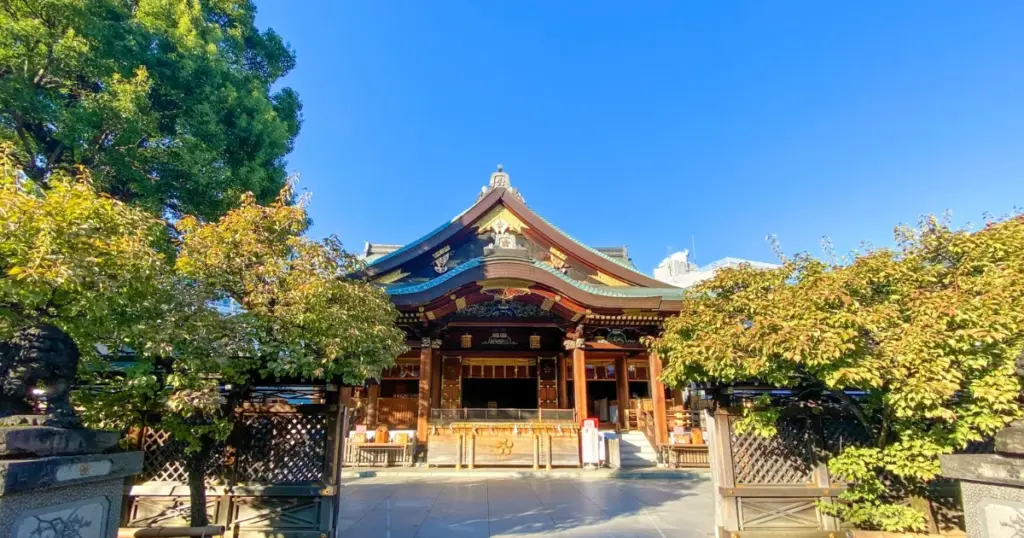
Yushima Tenjin is a historic Shinto shrine in central Tokyo, famous for academic success prayers and its annual plum blossom season.
Around 300 plum trees bloom from February to March, drawing visitors to the Bunkyo Plum Festival.
Its convenient location near Ueno makes it an easy cultural stop for international travelers.
Features of Yushima Tenjin
The shrine honors Sugawara no Michizane, and its grounds are filled with ema plaques written by students hoping for exam success.
Traditional wooden halls and stone pathways create a classic shrine atmosphere that contrasts with the urban surroundings.
Practical Ueno Travel Information
Practical information helps international travelers plan optimal Ueno experiences.
Strategic planning maximizes cultural engagement and shopping satisfaction.
Understanding logistics facilitates efficient exploration of multiple attractions.
- How many hours do I need to explore Ueno?
-
Full exploration requires 6-8 hours across multiple attractions.
Half-day visits (4-5 hours) allow Ueno Park museum visits plus street exploration.
Full-day visits permit comprehensive engagement with museums and shopping streets.
- Which train lines serve Ueno?
-
JR Ueno Station serves the Yamanote loop line connecting major Tokyo stations.
Keisei Skyliner connects Narita Airport in 60 minutes.
Ginza and Chiyoda subway lines offer alternative access to different Ueno areas.
- What’s the best time to visit Ueno?
-
Cherry blossom season (late March-early April) draws millions but creates massive crowds.
Autumn (September-October) offers pleasant weather and colorful foliage with moderate crowds.
Weekday visits generally provide better experiences than weekend visits.
Final Thoughts on Ueno
Ueno represents a uniquely diverse Tokyo district combining cultural institutions, historic sites, and authentic shopping experiences.
The concentration of museums, temples, and specialized retail streets makes Ueno an efficient destination for varied interests.
International travelers visiting Ueno discover layers of Japanese culture, history, and contemporary urban life.
Explore Tokyo with a Local!!

We offer tailored private tours designed for small groups. Prices start from 200 USD per person, and every itinerary can be fully customized.