Kappabashi Street: Tokyo's Kitchen Town, with Kids
Quick answer
- Kappabashi is an 800-metre street with over 170 shops selling kitchen and restaurant supplies, between Asakusa and Ueno.
- Go Monday to Saturday.
- The nearest station is Tawaramachi on the Ginza Line, about 5 minutes on foot.
What Is Kappabashi Street?
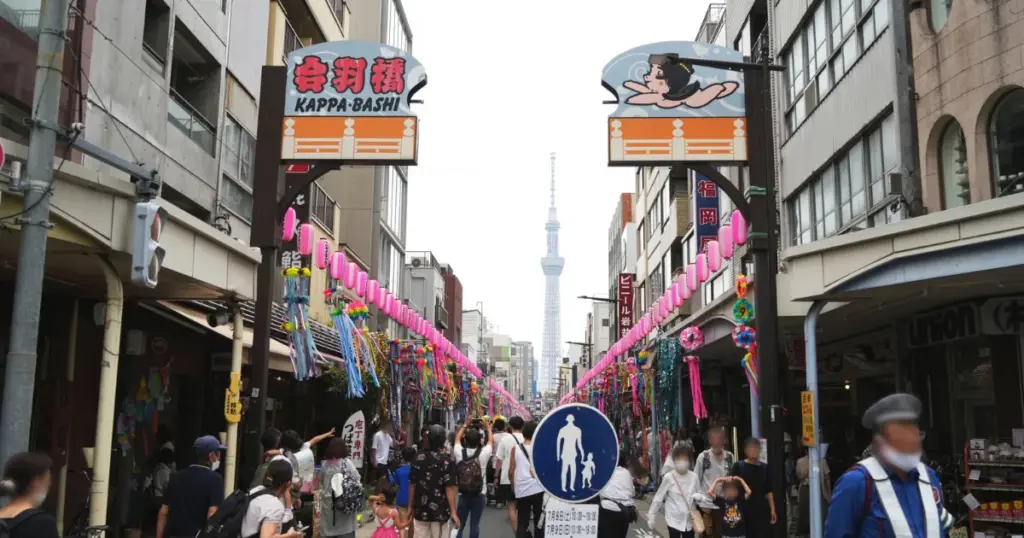
Kappabashi Street, also called Kappabashi Dougu Street or Kitchen Town, is Tokyo's wholesale district for kitchen and restaurant supplies. It runs for about 800 metres on the west side of Asakusa, midway between Ueno and Asakusa, with over 170 shops selling knives, pots, tableware, lacquerware, signs, paper lanterns, uniforms and the plastic food you see in Japanese restaurant windows.
Merchants first gathered here around 1912. The shops were set up to supply restaurants, and they still do, but anyone can buy, and most items are sold one at a time.
You will know you have arrived when you see the giant chef's head on top of a building at the southern end of the street, and kappa, the river creature of Japanese folklore, on the street signs.
There are two stories behind the name. One says a merchant called Kappaya Kihachi paid to build a bridge (hashi) over the canal that once ran here, and the local kappa helped him dig it.
The other says low-ranking samurai who lived nearby hung their rain capes, also called kappa, to dry on the bridge. The canal and bridge are long gone, but the kappa stayed, and you will see a golden kappa statue and kappa cartoons along the street.
For a family, Kappabashi is a good half-day next to Senso-ji. Adults shop for knives and bowls, and children make their own plastic food.
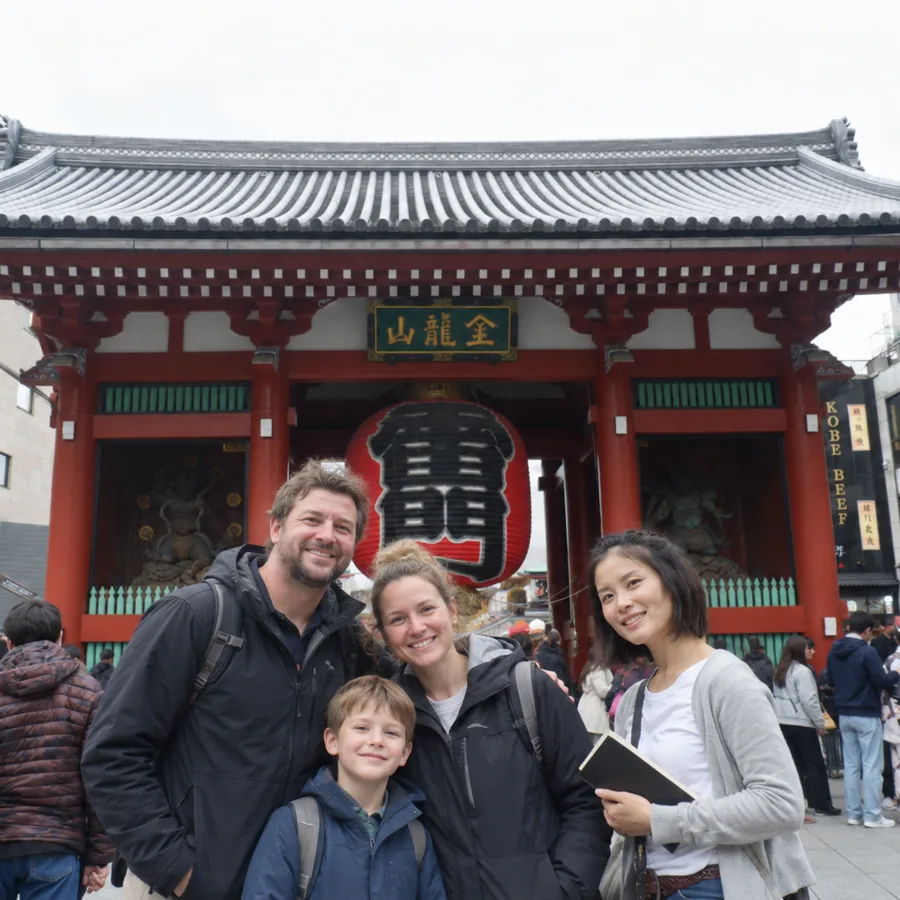
Kappabashi Opening Hours and Best Time to Go
Most Kappabashi shops open in the morning and close in the early evening, roughly between 9:00 or 10:00 and 17:00 or 18:00. Each shop sets its own hours, so check a particular shop before you go.
Avoid Sundays. Kappabashi is a trade district that serves restaurants, so most shops open Monday to Saturday, and many close on Sundays and public holidays.
A Sunday visit can mean walking past shutters.
Weekday mornings are the quietest. Shop staff have more time to explain knives and help you choose.
October brings the Kappabashi Dougu Matsuri, the street's annual tool festival, with sales and events. Check the official Kappabashi site for this year's dates.
How to Get to Kappabashi
The closest station is Tawaramachi on the Tokyo Metro Ginza Line, about 5 minutes on foot. The table gives walking times from each station, according to the street's official site.
| Station | Line | On foot |
|---|---|---|
| Tawaramachi | Tokyo Metro Ginza Line | 5 min |
| Asakusa | Tsukuba Express | 5 min |
| Iriya | Tokyo Metro Hibiya Line | 6 min |
| Asakusa | Toei Asakusa Line, Tobu Line | 13 min |
| Ueno, Uguisudani | JR Yamanote, Keihin-Tohoku Lines | 15 min |
From Senso-ji, walk west along Kaminarimon-dori. It takes about 15 minutes with children. The pavements are wide and flat, so a stroller is easy on the street itself, but many shops are narrow and full of breakable things, so fold it or leave one adult outside.
What to Buy at Kappabashi
The best buys are Japanese knives, tableware and food samples. Prices are fair because the shops sell to professionals, but good knives are still an investment.
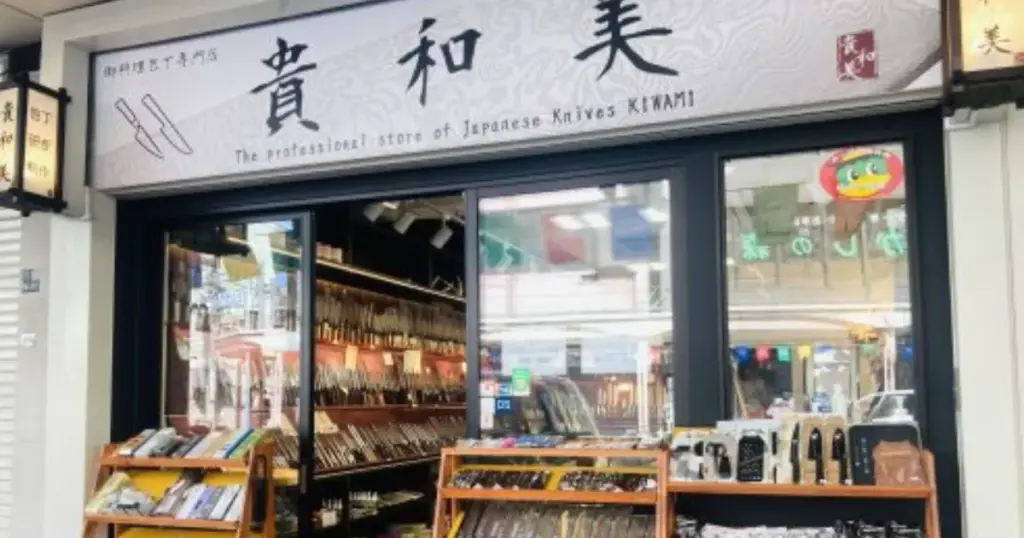
1. Japanese knives
Several shops specialise in kitchen knives, from everyday santoku to single-bevel blades for sushi chefs. Staff explain the steel, the edge and how to sharpen it, and many shops will engrave your name on the blade.
Tell them what you cook and your budget, and let them suggest.
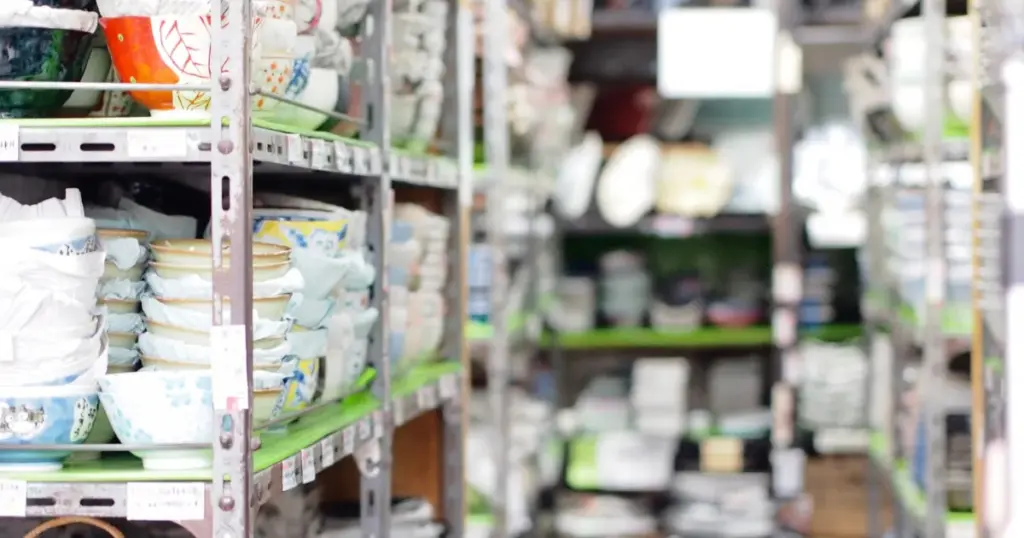
2. Tableware and ceramics
Shops sell rice bowls, noodle bowls, sake cups, small plates and chopsticks, from cheap everyday pieces to handmade ceramics, and wrap fragile items well for travel.
3. Food samples
Plastic and wax food, the replicas used in restaurant windows, is the souvenir children want. Full display pieces can be expensive, but there are small ones made into magnets and key rings.
4. Kitchen tools
Look for wooden rice paddles, bamboo steamers, matcha whisks, cast-iron pans, Japanese graters and bento boxes. These are light, useful and hard to find at home.
5. Shop signs and lanterns
You can buy red paper lanterns, noren curtains and the plastic signs that hang outside izakaya. Children like the lanterns. Adults like the noren.
Making Food Samples at Kappabashi with Kids
A food sample workshop is the best thing to do at Kappabashi with children. In about 40 minutes, you pour coloured wax into warm water to make tempura and a head of lettuce, and take them home.
 ONO
On one of our family tours, the children made wax tempura and lettuce at a food sample workshop in Kappabashi. It took about 40 minutes. It is one of the few places in Tokyo where children make something themselves rather than only look.
The workshop run by Ganso Shokuhin Sample-ya at its Kappabashi shop works like this.
| Item | Detail |
|---|---|
| What you make | Two tempura (such as shrimp, eggplant, pumpkin or shiitake) and one lettuce |
| Price | 3,300 yen per person, watching costs 500 yen, up to 2 people per group |
| Time | About 40 minutes, up to 6 people per class |
| Booking | Required, online, by time slot |
Three points to know before you book.
- Age. Participants must be in the first year of primary school (about age 6) or older, and preschool children are not allowed in the room, even to watch. With a younger sibling, one adult will need to wait outside with them.
- Language. The instructor explains in Japanese with a few key words in English. The shop recommends one interpreter for every four people.
- Hours. The shop is open 10:00 to 17:30, and classes start between late morning and late afternoon.
With children under 6, skip the workshop and visit the food sample shops instead. Small replica sushi, ramen and fruit made into key rings and magnets are inexpensive, sturdy and easy to pack, and looking through the display cases turns into a game of real or fake.
Keep little hands in pockets in the ceramics shops.
If you would like the workshop booked, interpreted and fitted into a day with Asakusa, that is part of what our private Tokyo tour with kids can include.
Shopping Tips for Kappabashi
- Bring cash. It is a wholesale district, and some shops do not take credit cards.
- Tax-free. Some shops offer tax-free shopping for visitors. Bring your passport and ask before you pay.
- Knives on the plane. Knives cannot go in your cabin bag. Pack them in checked luggage, or ask the shop about shipping.
- Fragile items. Most shops wrap ceramics for travel. For large orders, ask about shipping abroad.
- Leave space in your bag. Bowls and pans add up quickly.
- Ask. Staff in the specialist shops know their products well and are happy to explain, even with little English.
Combining Kappabashi with Asakusa and Ueno
Kappabashi sits between two of Tokyo's best areas for families, so it fits easily into a half or full day.
| Plan | Morning | Afternoon |
|---|---|---|
| Asakusa day | Senso-ji, Nakamise | Food sample workshop, Kappabashi shopping |
| Ueno day | Ueno Zoo or the science museum | Kappabashi, then Asakusa |
In Ueno, Ueno Zoo is free for children of primary-school age and under, and the National Museum of Nature and Science has dinosaurs and a play area for small children. For a wider list of ideas by age, see things to do in Tokyo with kids.
Frequently Asked Questions
- Is Kappabashi open on Sundays?
-
Some shops are, but many close on Sundays and public holidays. Kappabashi is a trade district for restaurants, so Monday to Saturday is the best time to visit.
- What is the nearest station to Kappabashi?
-
The nearest is Tawaramachi Station on the Tokyo Metro Ginza Line, about 5 minutes on foot. The Tsukuba Express Asakusa Station is also about 5 minutes away.
- How far is Kappabashi from Senso-ji?
-
It is about 15 minutes on foot, walking west from Kaminarimon, so the two fit easily into one morning.
- Can kids make food samples at Kappabashi?
-
Yes, from the first year of primary school. The workshop takes about 40 minutes and costs 3,300 yen per person. Booking is required, and preschool children cannot enter the room.
- Is Kappabashi good for buying Japanese knives?
-
Yes. Several shops specialise in Japanese knives, staff explain the differences, and many offer engraving. Pack knives in checked luggage for the flight home.
- How long do you need at Kappabashi?
-
Allow one to two hours to browse, plus about 40 minutes for a food sample workshop. Serious cooks can easily spend half a day.

Kapabashi Kitchen Tool Street
Address
3 Chome-18-2 Matsugaya, Taito City, Tokyo 110-0036
Nearest station
Twaramachi Station (Ginza Line)
Sources
https://kappabashi.or.jp/en/overview
https://kappabashi.or.jp/en/access
https://www.ganso-sample.com/en/shop/kappabashi/
https://www.ganso-sample.com/en/shop/kappabashi/experience/
https://www.gotokyo.org/en/spot/15/index.html
Plan a Private Day with a Local

Every tour is private, for your group only, and planned with you before you arrive. From US$550 per group for a day on foot in Tokyo or Yokohama, or from US$890 for a day trip by train to Kamakura, Hakone or Mt. Fuji. Travelling with children? See our Tokyo private tour with kids.
Free Consultation
Japan Trails Newsletter
Free Newsletter Sign‑Up
Subscribe to our newsletter and receive a handpicked list of restaurants that Japanese locals go to.
-
 KITTE Marunouchi: Rooftop Garden, Free Museum and Floor Guide
-
 Ueno Zoo Tokyo: A Family Guide for 2026
You might also like
-
 Kaneiji Temple, Ueno: A Visitor's Guide
-
 Ameyoko Market, Tokyo: A Guide for First-Time Visitors
-
 National Museum of Nature and Science, Ueno (Tokyo): Visitor Guide with Kids
-
 National Museum of Western Art, Tokyo: A Visitor's Guide
-
 Yanaka and Nezu, Tokyo: A Walking Guide to the Old Town
-
Ueno Zoo Tokyo: A Family Guide for 2026
-
 Things to Do in Ueno, Tokyo: A Family Guide
-
 Tokyo National Museum: A Visitor Guide for Families