Lake Chuzenji, Nikko: The Lake, Ryuzu Falls and Senjogahara

Quick answer
- Lake Chuzenji is Japan's highest natural lake at 1,269 m, about 50 minutes by bus above Nikko Station.
- The round-lake cruise ticket is ¥2,000 (child ¥1,000), ¥2,200 in peak season, and boats run until 30 November.
- Ryuzu Falls and the Senjogahara boardwalks are further up the same bus line.
What Is Lake Chuzenji?
Lake Chuzenji (Chuzenji-ko) is the large mountain lake above Nikko, formed about 20,000 years ago when an eruption of Mt. Nantai dammed the valley. At 1,269 metres it is Japan's highest natural lake, and a 25 km trail runs around its shore.
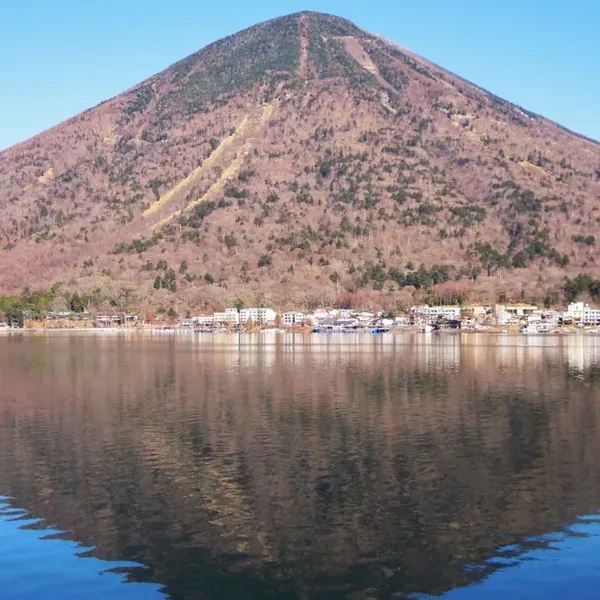
Mt. Nantai rises straight from the north shore, and Kegon Falls pours out of its eastern end.
Nikko has two halves. Down in the town are the World Heritage shrines and temples, including Toshogu. Up the hairpin road of Irohazaka is Oku-Nikko, the high country of the lake, the waterfalls and the Senjogahara marshland, cooler than Tokyo even in August and the first part of the Kanto region to turn red in autumn.
In the late 19th and early 20th centuries, diplomats from Tokyo built summer houses on the lake's southern shore. Two of them, the former Italian and British embassy villas, are open to visitors today.
Two more sights lie further up the same bus line, Ryuzu Falls and Senjogahara, and both are below. For the shrines in town and the whole day from Tokyo, see our Nikko day trip guide.
How to Get to Lake Chuzenji from Tokyo
From Tokyo, take the train to Nikko, then a Tobu bus bound for Chuzenji Onsen or Yumoto Onsen from JR Nikko or Tobu-Nikko Station. The bus climbs Irohazaka to Chuzenji Onsen, the village at the eastern end of the lake, in about 40 to 50 minutes.
Leave Tokyo by 8:00 and you are at the lake before noon.
| Step | Route | Time |
|---|---|---|
| Tokyo to Nikko | Tobu limited express from Asakusa | About 1 hr 50 min |
| Nikko to the lake | Tobu bus to Chuzenji Onsen | About 40 to 50 min |
| On to Ryuzu Falls | Same bus, Ryuzu-no-taki stop | About 1 hr from Nikko Station |
| On to Senjogahara | Same bus, Akanuma stop | A little over 1 hr from Nikko Station |
The trains, from Asakusa, Shinjuku or by Shinkansen via Utsunomiya, are compared in our Nikko day trip guide and our guide to rail passes for Nikko.
Which pass? The cheaper NIKKO PASS World Heritage Area does not cover the buses up to the lake. The NIKKO PASS All Area (¥8,000 for adults, ¥4,000 for children, valid 4 days) covers the Tobu train from Asakusa, all Tobu buses in Nikko, the lake cruise from mid-April to 30 November and the hybrid bus into Senjogahara.
It pays off if you spend two days or more in Nikko. For one day, compare it with buying tickets as you go.
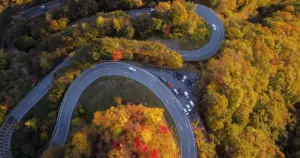
Irohazaka in autumn. On October weekends the mountain road can be jammed for hours, buses included. Go early, or go on a weekday.
Children who get carsick should sit near the front of the bus. Our Irohazaka guide covers the road.
Lake Chuzenji Cruise, 2026 Fares and Times
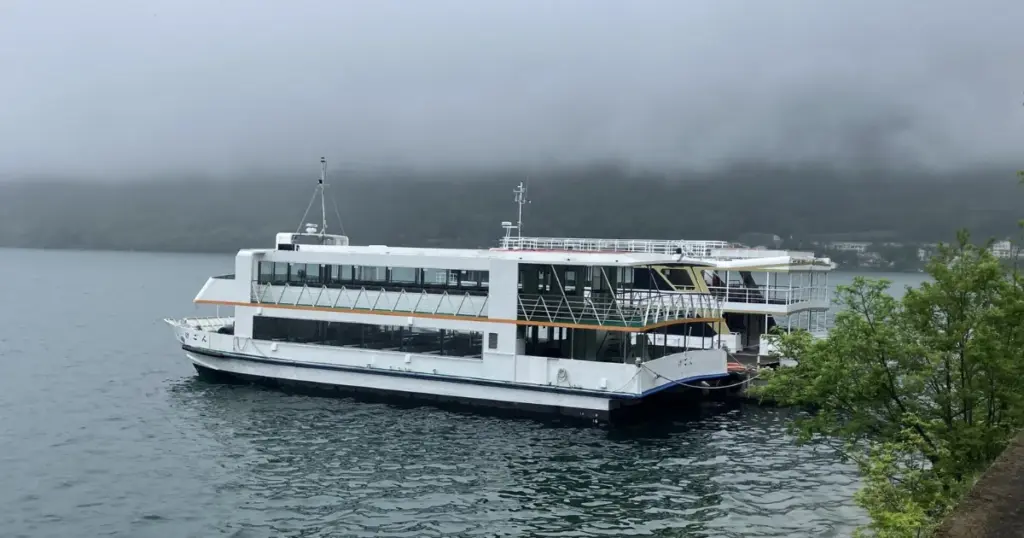
The sightseeing boats run a 55-minute loop around the lake from Fune-no-Eki Chuzenji, the pier by the Chuzenji Onsen bus stop, calling at Shobugahama, the embassy villas and Tachiki Kannon. Buy the round-lake free ticket, which lets you get off and back on once around the loop on the day.
| Season | Adult (junior high and over) | Child (primary school) |
|---|---|---|
| Regular | ¥2,000 | ¥1,000 |
| Peak, 3rd Saturday of July to 31 August, and 2nd Saturday of October to 3rd Sunday of November | ¥2,200 | ¥1,100 |
These are the fares revised on 17 April 2026. Older guides still quote ¥1,400 for the loop. Single legs are cheaper, from ¥300 for the short hop between the villas and Tachiki Kannon.
- Season. From spring until 30 November. There are no boats in winter.
- Times. The first loop leaves Fune-no-Eki Chuzenji at 9:00 (from 20 April to 4 November) and the last full loop at 14:30, with an extra 15:30 sailing from 20 April to 4 November.
- Payment. Cards and QR payment are accepted at Fune-no-Eki Chuzenji, but not at the other piers or on board.
- Weather. Boats can be cancelled in strong wind. The operator also skips piers when the lake level is low.
The boat is the easiest way to reach the embassy villas, which have no road access for private cars, and Shobugahama pier is about a 10-minute walk from Ryuzu Falls.
Things to Do Around Lake Chuzenji
Most of what there is to see sits on the east shore by Chuzenji Onsen or on the south shore, and the cruise links them.

Kegon Falls
Japan's best-known waterfall drops 97 metres out of the lake's eastern end, a 5-minute walk from the Chuzenji Onsen bus stop. A paid elevator takes you down to a deck facing the falls.
The fees, hours and the best time to go are in our Kegon Falls guide.
Italian and British Embassy Villas
On the south shore, the Italian Embassy Villa, built in 1928 and used by Italian ambassadors until 1997, has been restored as a museum with a lakeside veranda. Next door, the British Embassy Villa began in 1896 as the private summer house of the diplomat Ernest Satow.
- Open. 1 April to 30 November, 9:00 to 17:00 from 1 May to 10 November, otherwise to 16:00. The villas close on Mondays in April.
- Entry. ¥300 for adults and ¥150 for children aged 4 to junior high, or ¥450 and ¥200 for both villas.
- Access. It is about 2 to 5 minutes on foot from the cruise's villa pier. From Chuzenji Onsen it is a walk of about 35 minutes along the shore. Private cars cannot use the lakeside road, so drivers park at Utagahama and walk.
The British villa has a tea room, and the lawns run down to the water, so families can stop here for a long break.
Chuzenji Temple (Tachiki Kannon)
On the eastern shore, Chuzenji Temple is the temple that gave the lake its name, founded in 784 by Shodo Shonin, the monk who first climbed Mt. Nantai. It moved to its present site after a landslide in 1902.
Its main image is a Kannon carved from a standing tree, which is why it is called Tachiki Kannon. The cruise stops right below it.
Futarasan Shrine Chugushi
On the north shore, Chugushi is the middle shrine of Futarasan Shrine, between the main shrine in town and the inner shrine on the summit of Mt. Nantai. It is a 5-minute walk from Fune-no-Eki Chuzenji and the starting point of the climb up Mt. Nantai, a full day's hike that is not for young children.
The Shore Walk and the View of Mt. Nantai
The simplest thing to do is walk. From Chuzenji Onsen along the south shore to Utagahama and the villas, the path is mostly flat, with Mt. Nantai across the water.
On calm mornings in spring and autumn the mountain is reflected in the lake.
The Akechidaira Ropeway Is Closed Until 2027
The Akechidaira Ropeway, which used to carry visitors up to the view of Kegon Falls with Lake Chuzenji behind it, is not running. Nikko Kotsu stopped it after 15 January 2026 for renewal work and plans to reopen it in September 2027.
Older guides still send you there, so plan the day without it. For views over the lake, use the cruise, the shore walk or the villas' verandas instead, and check Nikko Kotsu's notice for the reopening date.
Ryuzu Falls
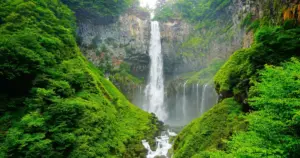
Ryuzu Falls (Ryuzu-no-taki, the "dragon's head falls") is a long cascade that slides about 210 metres down a bed of lava rock and splits in two at the bottom around a large boulder, which is said to look like a dragon's head. It is free, open at all times, and a short walk from the Ryuzu-no-taki bus stop, about an hour from Nikko Station on the same bus as the lake.

- Best seasons. May to June, when purple-pink rhododendrons flower beside the water, and autumn, when the maples turn. Ryuzu Falls colours earlier than the town, from late September into October.
- Where to look. The viewing deck at the foot of the falls, by the tea house, gives the "dragon's head" view. A path runs up beside the cascade if you want to see more of it.
- Time needed. Allow 20 to 40 minutes, longer if you stop at the tea house.
- From the lake. The cruise's Shobugahama pier is about 10 minutes' walk away, so you can come by boat one way and bus the other.
In the autumn peak, the falls are one of the most crowded spots in Oku-Nikko. Arrive in the morning, before the tour buses.
Senjogahara Marshland
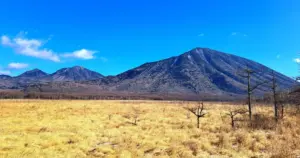
Senjogahara is a high marshland at around 1,400 metres, west of Mt. Nantai, crossed by flat wooden boardwalks. It is part of the Oku-Nikko wetlands listed under the Ramsar Convention, and the easiest real nature walk in the Nikko area for children.

The Walk
The classic route runs from Akanuma to Yudaki Falls, about 5 km and 2.5 to 3 hours with about 100 metres of height change, through forest and across the marsh on boardwalks. The national park visitor centre lists it as a standard course.
With young children, walk a shorter out-and-back from Akanuma instead, which still gets you onto the boardwalk and the view of Mt. Nantai in under an hour.
Getting There
Take the Tobu bus for Yumoto Onsen and get off at Akanuma. The Akanuma Nature Information Center next to the stop has maps, toilets and the latest news on flowers and leaves, and is open from late April to 30 November.
From Akanuma, a hybrid low-emission bus runs into the car-free area of Odashirogahara, Nishinoko and Senjugahama for ¥500 for adults and ¥250 for children. You can get on and off anywhere along the car-free section.
Seasons
- June to August. Cotton grass and summer flowers grow on the marsh, and the air is cool.
- Late September to early October. The grasses turn gold and red, one of the earliest autumn scenes in Kanto.
- Winter. Snow covers the marsh, and some paths close. Check with the visitor centre before planning a winter walk.
Rules and What to Bring
Stay on the boardwalks, take your rubbish home, and keep your voice down near birds. Wear walking shoes and bring layers, water and snacks. There are few shops along the trail.
Black bears live in the area, so a bell on a backpack is sensible.
Best Time to Visit Lake Chuzenji
The best time is autumn, from late September to late October, when the leaves turn from the top down, starting at Senjogahara and Ryuzu Falls and moving on to the lake, Irohazaka and the town. It is also the busiest time, so go on a weekday and leave Tokyo early.
- Spring (late April to May). The trees are fresh green, the lake is quiet, and the boats and villas reopen for the season.
- Early summer (May to June). Rhododendrons flower at Ryuzu Falls and around the lake.
- Summer (July to August). The lake is cooler than Tokyo, and peak cruise fares apply.
- Autumn (late September to October). The leaves turn and the crowds arrive.
- Winter (December to March). There is snow, the boats stop and the villas close. It is quiet, but plan around the weather.
Lake Chuzenji with Kids
Lake Chuzenji suits families who like boats and short walks, with children from about age 4 up. For younger children, the long bus ride is the hard part.
- Jackets. At over 1,200 metres it is much cooler than Tokyo. Bring a warm layer and a rain jacket, even in summer.
- The bus. Irohazaka is two one-way roads of tight bends. Sit near the front, and have snacks ready for the top.
- Strollers. The shore paths near Chuzenji Onsen and the Senjogahara boardwalks are manageable. A baby carrier is easier on the falls paths.
- One area. With small children, pick the lake and Kegon Falls, or Ryuzu Falls and Senjogahara. Doing everything means long waits at bus stops.
 ONO
Yes, I recommend them if you have time.
Day Trip or Overnight?
A day trip from Tokyo can cover either the shrines in town or the lake area comfortably, not both. If you want Toshogu, the lake, Ryuzu Falls and Senjogahara, stay one night at Chuzenji Onsen or Yumoto Onsen and give each half a day.
For one day at the lake, take the bus to Chuzenji Onsen in the late morning, see Kegon Falls, have lunch by the water, ride the cruise round the lake with a stop at the villas, and catch the bus back down before the autumn traffic builds. Ryuzu Falls and Senjogahara are best left for a second morning.
Nikko with Young Children
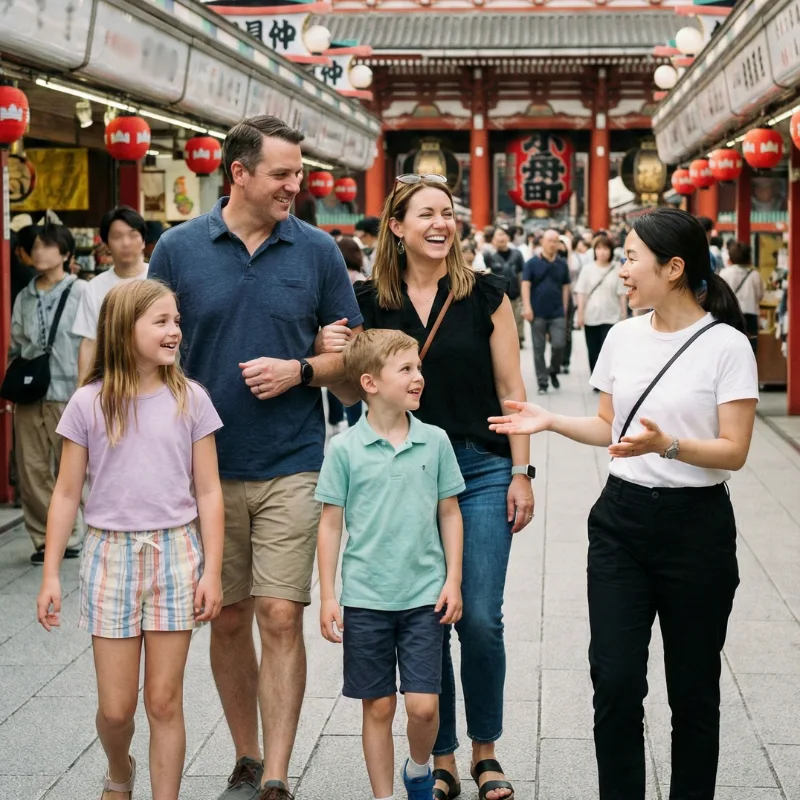
With young children, the trains and buses take a large part of a Nikko day. Choose the lake, the falls or the boardwalk for your children's ages rather than all three.
Our private tours are on foot in Tokyo and Yokohama. Your guide rides the trains with you, and each of you pays your own fare with an IC card. See our Tokyo private tour with kids.
If you are still choosing a day trip, compare Nikko with Mt. Fuji in our Mt. Fuji day trip guide.
Frequently Asked Questions
- How do I get to Lake Chuzenji from Nikko Station?
-
Take a Tobu bus bound for Chuzenji Onsen or Yumoto Onsen from JR Nikko or Tobu-Nikko Station and get off at Chuzenji Onsen. The ride up Irohazaka takes about 40 to 50 minutes, longer in autumn traffic.
- How much is the Lake Chuzenji cruise?
-
The round-lake free ticket is ¥2,000 for adults and ¥1,000 for primary school children, rising to ¥2,200 and ¥1,100 in summer and the autumn leaf season. The loop takes 55 minutes.
- Is the Lake Chuzenji cruise open all year?
-
No. The boats run from spring until 30 November and stop for the winter. They can also be cancelled in strong wind.
- When is the best time to see autumn leaves at Lake Chuzenji?
-
Usually October. Senjogahara and Ryuzu Falls turn first, from late September. The lake follows in October, and Irohazaka and the town later in the month.
- Is the Akechidaira Ropeway open?
-
No. It closed after 15 January 2026 for renewal work, and the operator plans to reopen it in September 2027.
- Can you visit Lake Chuzenji and Toshogu in one day?
-
Yes, if you leave Tokyo by 8:00, see Toshogu in the morning and take the bus up to the lake around midday. In the autumn traffic it is better to choose one, or stay a night.
Lake Chuzenji
Address
Chugushi, Nikko, Tochigi 321-1661
Nearest station
Chuzenji Onsen Bus Stop (Tobu Bus from JR Nikko / Tobu-Nikko Stations)
Sources
https://chuzenjiko-cruise.com/fee.html
https://www.visitnikko.jp/spots/lake-chuzenji/
https://www.visitnikko.jp/en/spots/lake-chuzenji/
https://www.pref.tochigi.lg.jp/d04/27eikoku/kaienbi.html
https://www.visitnikko.jp/spots/ryuzu-falls/
https://www.nikkoyumoto-vc.com/hiking/
https://www.nikko-nsm.co.jp/bus.html
https://www.tobu.co.jp/en/ticket/nikko/all.html
https://www.nikko-kotsu.co.jp/ropeway/
Plan a Private Day with a Local

Every tour is private, for your group only, and planned with you before you arrive. From US$550 per group for a day on foot in Tokyo or Yokohama, or from US$890 for a day trip by train to Kamakura, Hakone or Mt. Fuji. Travelling with children? See our Tokyo private tour with kids.
Free Consultation

Japan Trails Newsletter
Free Newsletter Sign‑Up
Subscribe to our newsletter and receive a handpicked list of restaurants that Japanese locals go to.

You might also like
-
 Nikko Toshogu Shrine: Tickets, Highlights and the Sleeping Cat
-
 The Three Wise Monkeys at Nikko Toshogu Shrine
-
 British Embassy Villa Nikko and the Italian Embassy Villa on Lake Chuzenji
-
 Lake Chuzenji, Nikko: The Lake, Ryuzu Falls and Senjogahara
-
 Irohazaka, Nikko: The 48-Bend Road to Lake Chuzenji
-
 Shinkyo Bridge, Nikko: The Sacred Red Bridge at the Gate of the Shrines