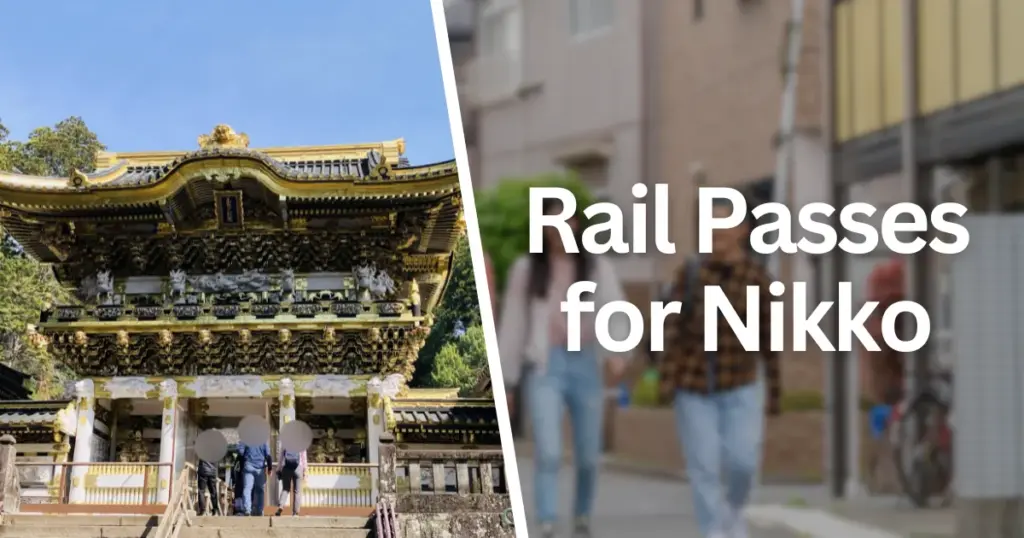
Nikko Travel Guide – Best Things to Do and See in 2026
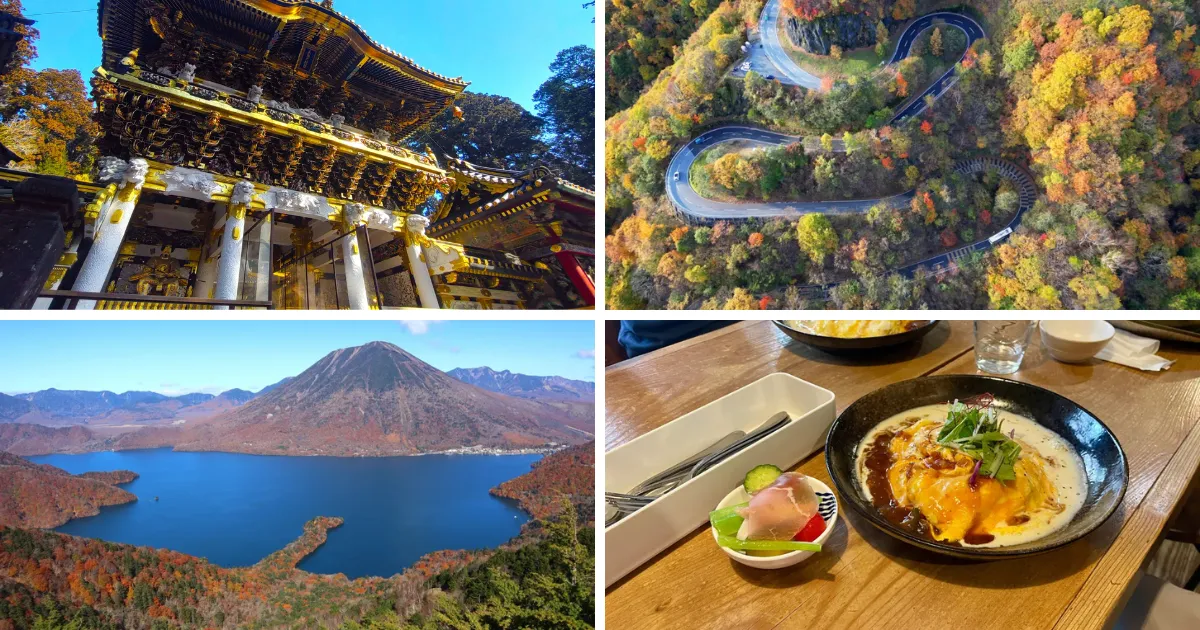
Nestled amidst towering mountains and verdant forests just a two‑hour train ride from Tokyo, Nikko is where soulful temples and cascading waterfalls meet tranquil lakes.
In 2025, this UNESCO World Heritage site remains a timeless travel destination, offering a perfect harmony of cultural richness and natural beauty.
This comprehensive Nikko travel guide will walk you through the best things to do in Nikko, from shrines to scenic hikes, delicious local food, and essential travel tips.
Japan Trails Newletter

Nikko Travel Guide – Overview and Access
Thanks to efficient train lines and local bus services, reaching Nikko and exploring its sights is both convenient and enjoyable.
This section breaks down access options, passes, and transport comparisons to help you plan your journey smoothly.
- Access from Tokyo
Options include JR lines or Tobu Railway (direct express from Asakusa), followed by local bus within Nikko. - Popular Travel Passes:
- NIKKO PASS All Area (4 days) – around ¥8,000, covering Tobu Railway and buses including sightseeing cruise.
- NIKKO PASS World Heritage Area (2 days) – around ¥3,000, ideal for temple visits.
| Route | Transport Type | Time | Cost Estimate |
|---|---|---|---|
| Tokyo → Nikko | Tobu/ JR + Bus | ~2 hrs | Varies by pass/use |
| Within Nikko | Local buses | – | Covered by passes |
Things to Do in Nikko
Nikko combines centuries of spiritual tradition with striking natural scenery, offering travelers an experience that feels both timeless and refreshing.
From sacred architecture and mountain landscapes to regional food culture, the area reveals layers of history and beauty at every turn.
Nikko Toshogu Shrine

Begin your exploration with Nikko Toshogu Shrine, a masterpiece of ornate architecture and symbolic craftsmanship.
Built as the final resting place of Tokugawa Ieyasu, its lavish decorations and symbolic carvings speak volumes of 17th-century artistry.
Explore details like the famed “Yomeimon Gate” and the “Sleeping Cat” which are cultural treasures.
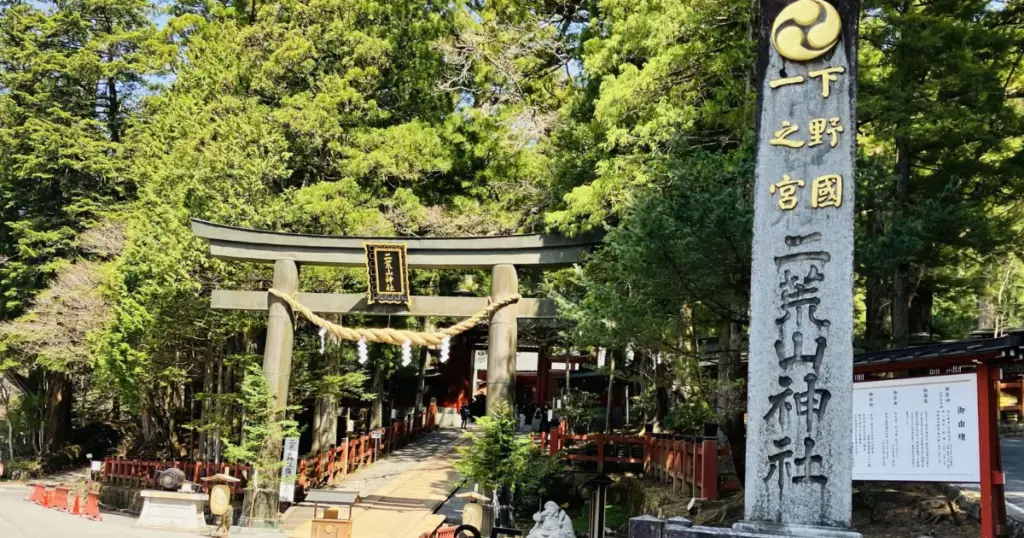
Nikko Futarasan Shrine

Just a stone’s throw from Toshogu, Futarasan Shrine invites quiet reflection, rooted in mountain worship dating back over a millennium.
The shrine’s ancient cedar groves and the symbolic Meoto-sugi (spousal cedar trees) capture the spiritual essence of Nikko.
Its pathway leads naturally toward the iconic Shinkyo Bridge, embodying sacred entrance into the heritage space.
Rinno-ji Temple

Rinno-ji Temple is a tranquil alternative to its flashier neighbors, offering soothing vibes and religious depth.
Its Three Buddha Hall houses gilded statues of Amida, Senju, and Batō Kannon, each imbued with centuries of devotional practice.
Don’t miss the Shoyo-en garden, where seasonal foliage offers calm meditation in nature’s embrace.
Shinkyo Bridge

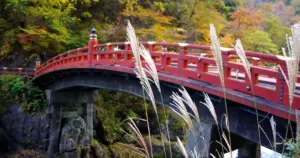
Shinkyo Bridge, painted vermilion and spanning the Daiya River, marks the sacred gateway to the temple precincts.
Its elegant curve and reflection on the water create one of the most postcard-perfect views in Nikko.
Though small, this bridge is culturally significant and deeply evocative.
Irohazaka Winding Road

Irohazaka’s 48 hairpin turns, clinging to forested slopes, offer a dramatic drive through Nikko’s mountain beauty.
Especially stunning in autumn when foliage bursts into full blaze, this road connects lower Nikko to the scenic Lake Chuzenji area.
Combine your drive with a stop at the views of Akechidaira Observatory for panoramic spectacle.

Lake Chuzenji

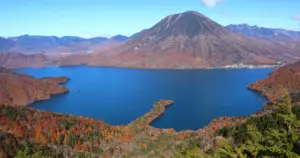
Beyond Irohazaka lies Lake Chuzenji—a serene, high-altitude lake born from volcanic activity and edged by dense forest.
It invites strolls, lakeside cafes, and peaceful observation of the water framed by Mount Nantai.
A boat ride across the calm surface even offers a fresh perspective on the lake’s scale and tranquility.
Kegon Falls

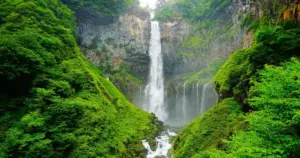
Flowing dramatically from cliffs over 97 meters, Kegon Falls remains one of Japan’s “Three Great Waterfalls”—and truly lives up to its reputation.
An elevator takes you down to a viewing platform at the base, giving a thunderous perspective of mist and might.
The combination of force and fine detail marks this as a must-see.
Senjogahara Marshland

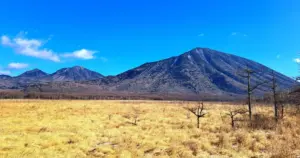
Senjogahara Marshland extends an invitation to wander wooden boardwalks through a mist-tinged wetland alive with wildlife and wildflowers.
Its name hints at mythic history—often said to have hosted a legendary battle—but today, it’s a haven for hikers and birdwatchers.
Whether dawn or dusk, the marsh shifts its character, making every visit different.
Ryuzu Falls

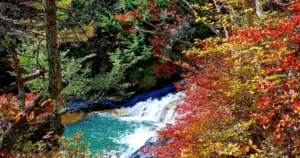
Named “Dragon’s Head,” Ryuzu Falls exudes artistry as water cascades in twin streams over a mossy ridge.
Its northern location near Lake Chuzenji positions it perfectly within a loop of shrine-waterscape visits.
Fall colors here reach peak poetic beauty—red, orange, and gold dancing in spray and long exposure.
Former Italian Embassy Villa

Perched above Lake Chuzenji, the Former Italian Embassy Villa is an elegant relic of early 20th-century diplomacy and leisure.
Its European-style architecture and terrace views offer a quiet counterpoint to vibrant temples.
It’s perfect for a short tea break with atmosphere rather than a history lecture.
Former British Embassy Villa

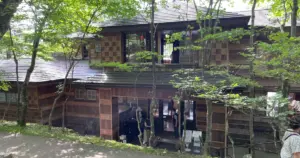
Nearby, the Former British Embassy Villa captures a multi-faceted grandeur: architecture, diplomacy, and vision.
Associated with diplomat Ernest Satow, it’s a place where refined taste and sweeping vistas converge.
Inside, period furnishings and panels evoke an era when tranquility was diplomatic capital.

Kujira Shokudo

Among Nikko’s spiritual and scenic treasures, Kujira Shokudo stands out—a warm, hidden‑house café offering nourishing home-style meals with local charm.
Housed in a 60-year-old abode, this quiet space beckons with ten kinds of pasta and omurice served with vegetable side dishes, mini dessert, and drink from around ¥1,300.
Whether it’s the truffle-infused wasabi carbonara or cheesy omurice under a cloud of egg, every bite feels like a creative local embrace.
 ONO
ONOOmurice is one of Japan’s most beloved dishes, and the one served here is absolutely outstanding!
Key Details
- Hours:
11:00–15:30 (LO 14:30), closes unpredictably—check ahead. - Pricing:
Lunch sets from ¥1,300 to ¥1,800; good value. - Access:
~4 km west from Tobu Nikko Station; favorable for taxi or longer walk. - Atmosphere:
Cozy interior with sofa and table seating in a former house; homey and quiet.
Nikko Travel Tips for 2025

In 2025, Nikko continues to evolve—new seasonal events, modernized passes, and refreshed dining scenes enhance the experience.
Smart planning around crowds, seasons, and accommodations can make your trip seamless and memorable.
Here are the practical tips and seasonal guides to help plan your visit like a pro.
Seasonal Highlights
Nikko transforms dramatically across the seasons, and each visit offers a unique atmosphere. Here are the seasonal highlights travelers can look forward to:
- Spring
Cherry blossoms near shrines and the arrival of fresh greenery. - Summer
Cool mountain air and vibrant hiking trails around Senjogahara. - Autumn
Brilliant foliage along Irohazaka, Ryuzu Falls, and temple gardens. - Winter
Snow-dusted temples and a tranquil, peaceful ambiance.
Where to Stay
Nikko can dramatically shape how you explore the region.
Options range from city-center hotels near shrines and transport, to lakeside inns overlooking Mount Nantai, to rustic onsen lodgings deep in the mountains.
Each area offers a distinct atmosphere, making it important to match accommodation with your travel style and itinerary.
Nikko City Center

Staying in Nikko city center places you within walking distance of the UNESCO World Heritage shrines and temples, including Toshogu and Rinno-ji.
Most accommodations here are small hotels and guesthouses, with easy access to Tobu Nikko and JR Nikko Stations, making transport simple even for day trips from Tokyo.
It is the best base for visitors who prioritize convenience, sightseeing efficiency, and evening dining in local restaurants after a day of exploration.
Lake Chuzenji Area

Lake Chuzenji, formed by volcanic activity at the foot of Mount Nantai, offers lakeside ryokan and boutique inns with rooms overlooking the water.
Guests here can enjoy direct access to attractions such as Kegon Falls and the Former Embassy Villas, and many accommodations feature open-air baths with lake or mountain views.
This area is especially popular during autumn foliage season, when the surrounding hills reflect deep crimson and gold across the surface of the lake.
Okunikko (Yumoto Onsen)

Okunikko’s Yumoto Onsen is a historic hot spring settlement dating back more than 1,200 years, known for its sulfur-rich, milky-white waters.
Accommodations here are mostly traditional ryokan, offering indoor and outdoor baths fed by natural geothermal springs.
Located near Senjogahara Marshland, this area is ideal for travelers planning hikes in the highlands and is particularly atmospheric in winter, when steaming baths contrast with snow-covered forests.
Nikko Travel Guide FAQ
Before you go, here are concise answers to questions visitors often ask—optimized for quick clarity and practicality.
- How long should I spend in Nikko?
-
A minimum of one full day is recommended; two or more days allow richer exploration of shrines, waterfalls, and local dining.
- Is Nikko a good day trip from Tokyo?
-
Yes—though multi-day stays let you enjoy the area more leisurely and reach deeper attractions like Lake Chuzenji or Senjogahara.
- What is the best season to visit Nikko?
-
Autumn is the most popular thanks to dramatic foliage, but spring and summer offer serene beauty and fewer crowds.
- Can I use the JR Pass to reach Nikko?
-
JR Pass can cover rail parts to Utsunomiya; the remainder requires local transport not fully covered by JR.
- Are Nikko shrines and temples wheelchair accessible?
-
Major sites like Toshogu have paved pathways; however, uneven terrain remains around Futarasan and Senjogahara, so check locally for accessibility routes.
- Where should I stay overnight in Nikko?
-
Nikko downtown is busiest; for scenic tranquility, consider a Lake Chuzenji inn or a rustic onsen in Okunikko.
- Is Nikko crowded during autumn leaves season?
-
Yes—expect large crowds, especially weekends. Visit early or mid-week, or target less-crowded time-slots.
- What local foods should I try in Nikko?
-
Make sure to try yuba (tofu skin), creative omurice or pasta at Kujira Shokudo, and sake-paired temple meals if available.
Final Thoughts on Nikko

This Nikko travel guide blends heritage, wilderness, and culinary gems—offering a multifaceted experience in a compact region.
From gilded shrines under cedar canopies to hidden-house cafes like Kujira Shokudo offering creative comfort food, Nikko has layers waiting to be discovered year-round.
Whether it’s your first trip or a long-awaited return, these Nikko spot ensure every moment resonates—and that your journey becomes part of Nikko’s story.
Japan Trails Newletter
Explore Tokyo with a Local!!

We offer tailored private tours designed for small groups. Prices start from 200 USD per person, and every itinerary can be fully customized.