A Complete Cultural Guide Naritasan Shinshoji
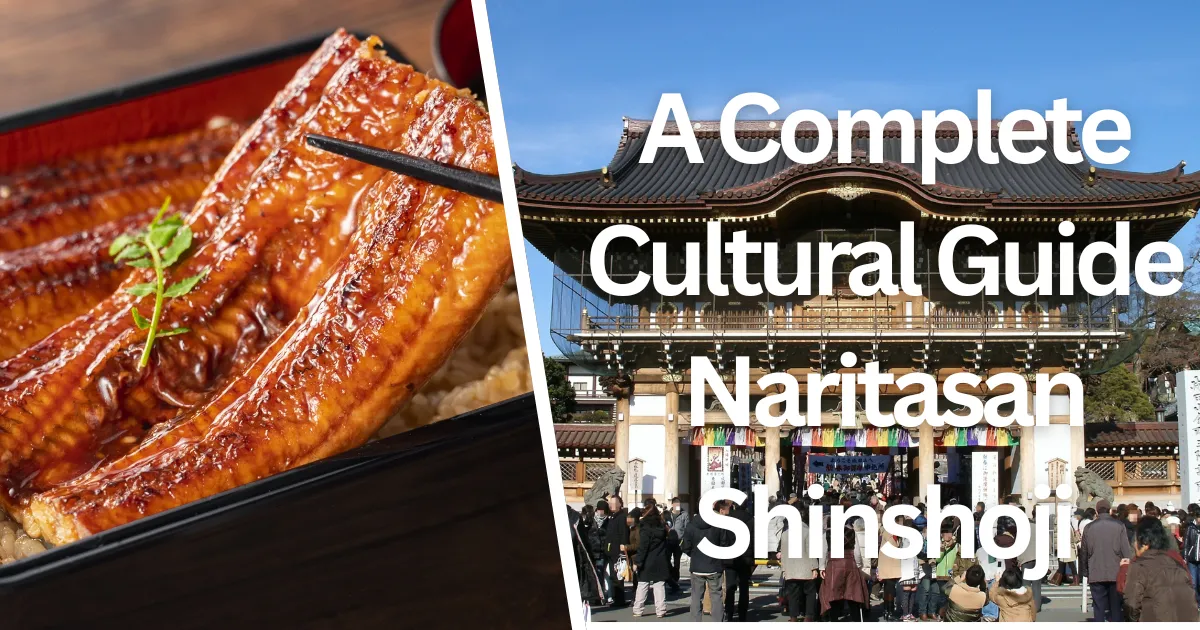
Naritasan Shinshoji Temple is one of the most important Buddhist temples in eastern Japan and one of the most accessible cultural destinations for international travelers.
Because it is close to Narita Airport, visitors can experience authentic Japanese religion, food culture, and seasonal events even with limited time.
Far from being a simple sightseeing stop, Naritasan is a living religious complex where prayer, ritual, and popular culture continue side by side.
Naritasan Shinshoji Temple Overview & History
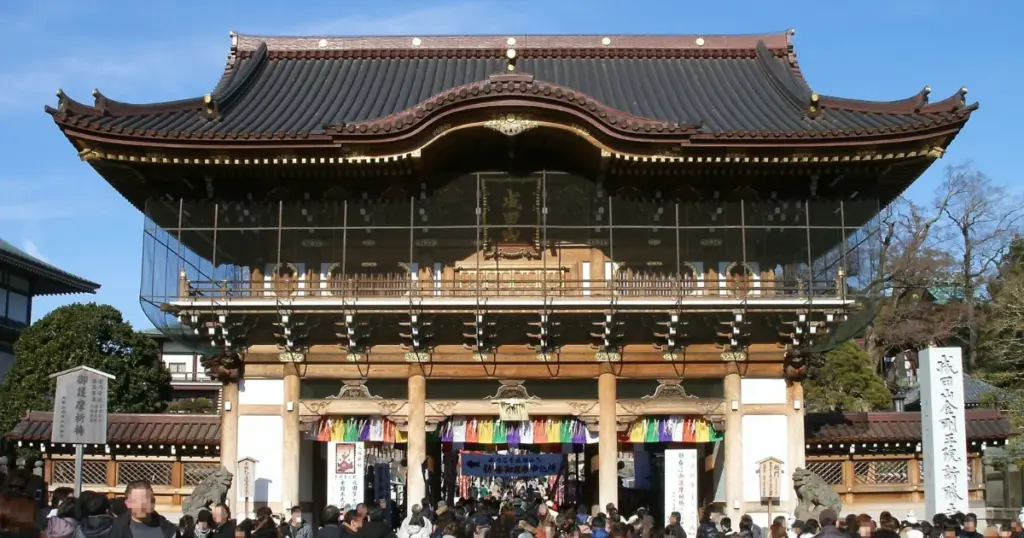
Naritasan Shinshoji Temple has played a central role in Japanese Buddhist life for more than a millennium.
Its foundation is closely tied to political instability, spiritual protection, and the spread of popular belief.
Founding of Naritasan Shinshoji
Naritasan Shinshoji Temple was founded in 940, during the Heian period, in response to the rebellion of Taira no Masakado.
By imperial order, prayers were offered to calm the unrest, and the temple enshrined Fudo Myo, a Buddhist deity associated with discipline, protection, and the power to overcome chaos.
From the beginning, the temple served both religious and social purposes.
Why Naritasan Became Important in Japanese Buddhism
Naritasan became widely respected for its focus on practical benefits such as travel safety, protection from misfortune, and warding off evil.
These beliefs resonated strongly with travelers, merchants, and pilgrims.
Over time, making a pilgrimage to Naritasan became a common religious practice across eastern Japan.
Naritasan Shinshoji Temple Location & Access
One of Naritasan’s defining characteristics is its accessibility.
Very few major temples in Japan are located so close to an international airport.
 ONO
ONOIt was really close to Narita Airport and such a beautiful temple.
How to Get to Naritasan from Narita Airport

From Narita Airport, take the JR Narita Line or Keisei Line to Narita Station.
Trains run once every 15 minutes, and the journey takes approximately 10 minutes.
Walking Route from Narita Station to the Temple
From Narita Station, it is a 10–15 minute walk from the station to the temple via Naritasan Omotesando.
The walk itself is part of the traditional pilgrimage experience, gradually leading visitors from daily life into sacred space.
| Departure Point | Route | Time | Notes |
| Narita Airport | JR / Keisei Line | ~10 min | Every 15 minutes |
| Narita Station | Walk | 10–15 min | Omotesando route |
Naritasan Shinshoji Temple Highlights & Things to See
Naritasan Shinshoji is a large temple complex made up of multiple halls, pagodas, and landscaped grounds.
Exploring the full grounds allows visitors to experience both ritual and tranquility.
The Great Main Hall (Daihondo)

The Great Main Hall is the spiritual center of Naritasan.
Here, Fudo Myoo is enshrined, and daily fire rituals are performed with chanting and drums.
Photography is prohibited inside the hall, emphasizing its role as a place of prayer rather than observation.
Peace Pagoda & Temple Grounds
The Peace Pagoda represents Naritasan’s modern history and postwar message of reconciliation.
Its bold design contrasts with older wooden structures, showing how the temple continues to evolve.
Naritasan Park & Seasonal Beauty
Behind the main complex lies Naritasan Park, a spacious Japanese garden with ponds, bridges, and forest paths.
The park is especially beautiful during cherry blossom season and autumn foliage, offering a calm retreat from crowds.
Naritasan Shinshoji Temple and Kabuki Culture
Naritasan Shinshoji has long been associated with Kabuki, one of Japan’s most famous performing arts.
This relationship is visible not through abstract history, but through specific performances and modern rituals.
Even today, this connection remains part of Naritasan’s cultural identity.
Fudo Myoo in Kabuki Performance
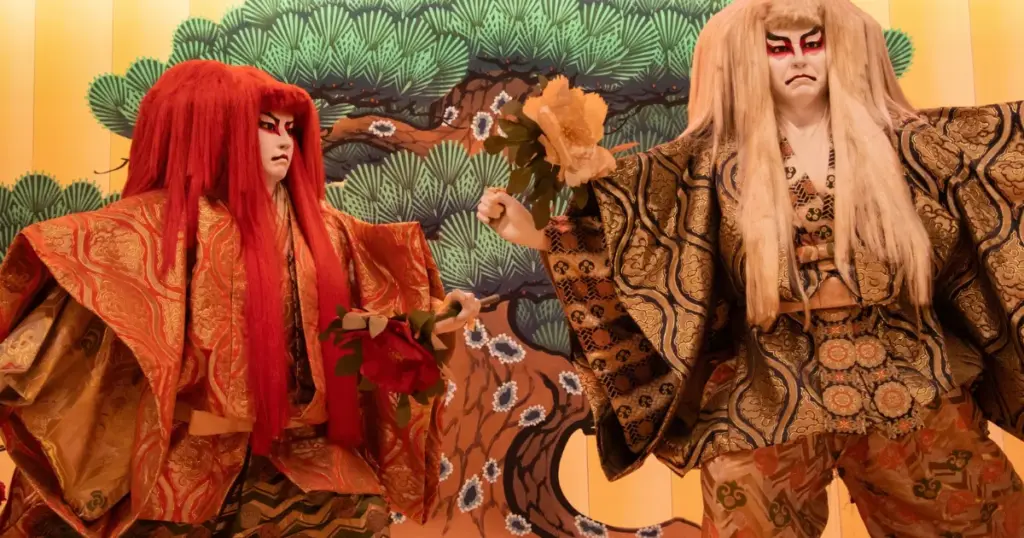
In Kabuki theater, Ichikawa Danzyuro famously portrayed characters modeled on Fudo Myoo, emphasizing strength, immovable resolve, and righteous anger.
These performances visually linked the deity worshipped at Naritasan with the dramatic language of Kabuki.
Naritasan Setsubun Festival: Japan’s Most Famous Bean-Throwing Event
Naritasan hosts one of the largest Setsubun festivals in Japan every February.
The festival combines Buddhist ritual, seasonal belief, and celebrity participation.
For international visitors, it is one of the easiest major religious events to observe.
What Is Setsubun at Naritasan Shinshoji?
Setsubun marks the symbolic beginning of spring.
During the ceremony, priests and invited guests throw roasted soybeans to expel misfortune and invite good fortune.
The ritual strongly emphasizes warding off evil and renewal.
Why Naritasan Setsubun Is Special
Unlike smaller local ceremonies, Naritasan’s Setsubun features Kabuki actors and other public figures.
This reflects the temple’s long-standing cultural openness and makes the event especially memorable.
Naritasan Shinshoji Temple Visiting Etiquette & Tips
Following basic etiquette ensures a respectful and meaningful visit.
Naritasan observes standard Buddhist customs, with particular care given to ritual spaces.
How to Pray at Naritasan Shinshoji
Visitors light incense at the burner and gently fan the smoke toward themselves .
Prayers are offered quietly, allowing for personal reflection.
Photography Rules & Cultural Respect
Photography is prohibited inside the temple halls, including the Great Main Hall.
Outdoor photography is allowed, but visitors should avoid photographing rituals or worshippers.
ONOThere are rules for visiting shrines too.
This article explains them.
Naritasan Omotesando Street: Food & Shopping Guide
Naritasan Omotesando is an essential part of the visit, historically developed to serve pilgrims.
Food and shopping here are closely tied to religious travel.
Eating along Omotesando is part of the Naritasan experience.
Famous Unagi Restaurants in Narita

Narita is nationally known for unagi (eel).
Many popular restaurants have lines that exceed one hour, especially on weekends and holidays.
he long waits reflect traditional preparation methods and strong local demand.
Naritasan Food Beyond Unagi
Beyond eel, the area offers soba noodles, tempura, set meals, and light vegetarian-friendly options inspired by temple cuisine.
This variety makes Naritasan accessible to travelers with different dietary preferences.
Traditional Japanese Sweets & Souvenirs
Naritasan Omotesando is especially rich in wagashi, or traditional Japanese sweets.
Many shops sell hand-crafted rice cakes, bean paste confections, and seasonal sweets linked to temple events.
These family-run businesses often have histories spanning more than a century, preserving techniques rarely seen elsewhere.
Naritasan Shinshoji Temple Sample Itineraries
Naritasan can be enjoyed in multiple ways depending on available time.
Even short visits offer cultural depth.
Hour Layover Itinerary
- Narita Airport → Narita Station
- Walk Naritasan Omotesando
- Visit the Great Main Hall
- Quick local meal
- Return to airport
Half-Day Cultural Visit
- Omotesando exploration
- Full temple grounds
- Naritasan Park
- Wagashi café stop
Why Naritasan Shinshoji Temple Is Worth Visiting

Naritasan Shinshoji Temple is not valuable simply because it is convenient.
Its devotion to Fudo Myoo, its visible connection to Kabuki, and its role as a pilgrimage site give it cultural depth rarely found near major airports.
For travelers seeking an authentic introduction to Japanese religion and tradition, Naritasan is not a compromise—it is a highlight.
Naritasan Shinshoji Temple – Quick FAQs
- Is Naritasan Shinshoji Temple easy to visit from Narita Airport?
-
Yes. It is about 10 minutes by train from Narita Airport, with trains every 15 minutes, plus a 10–15 minute walk from the station.
- Who is Fudo Myoo at Naritasan Shinshoji Temple?
-
Fudo Myoo is the main deity worshipped at the temple. He represents protection, strong will, and warding off evil.
- Are photos allowed inside Naritasan Shinshoji Temple?
-
No. Photography is prohibited inside the temple halls, including the main hall.
- Why is the Setsubun Festival at Naritasan famous?
-
Because it is one of the largest Setsubun events in Japan. Kabuki actors also participate in the bean-throwing ceremony.
- What kind of food can you find along Naritasan Omotesando?
-
Eel dishes are the most famous, but there is much more.
Visitors can also enjoy soba noodles, tempura, set meals, and many traditional Japanese sweets from long-established shops.
Explore Tokyo with a Local!!

We offer tailored private tours designed for small groups. Prices start from 200 USD per person, and every itinerary can be fully customized.