The Complete Guide to Kawasaki-Daishi, Near the Haneda airport
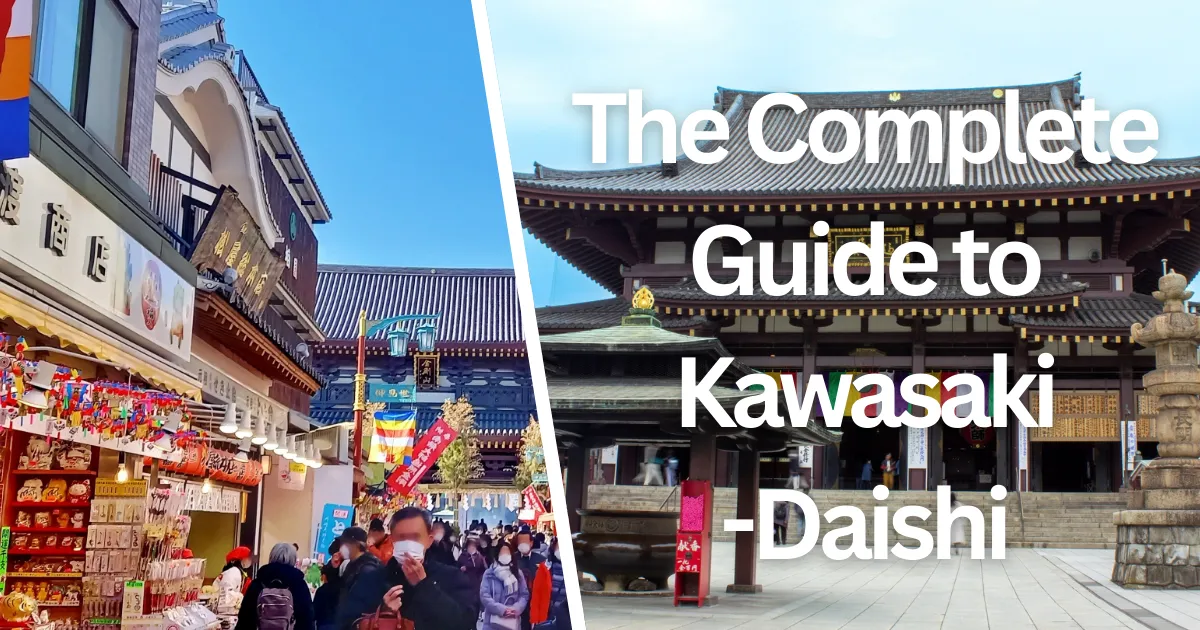
For travelers searching beyond central Tokyo icons, Kawasaki Daishi offers a temple experience grounded in active ritual life.
Officially named Kongōzan Kinjoin Heiken-ji, it serves as the head temple of the Chisan School of Shingon Buddhism and has operated continuously since 1128.
Its national recognition stems from its reputation for yakuyoke, or protection from misfortune.
History and Spiritual Significance
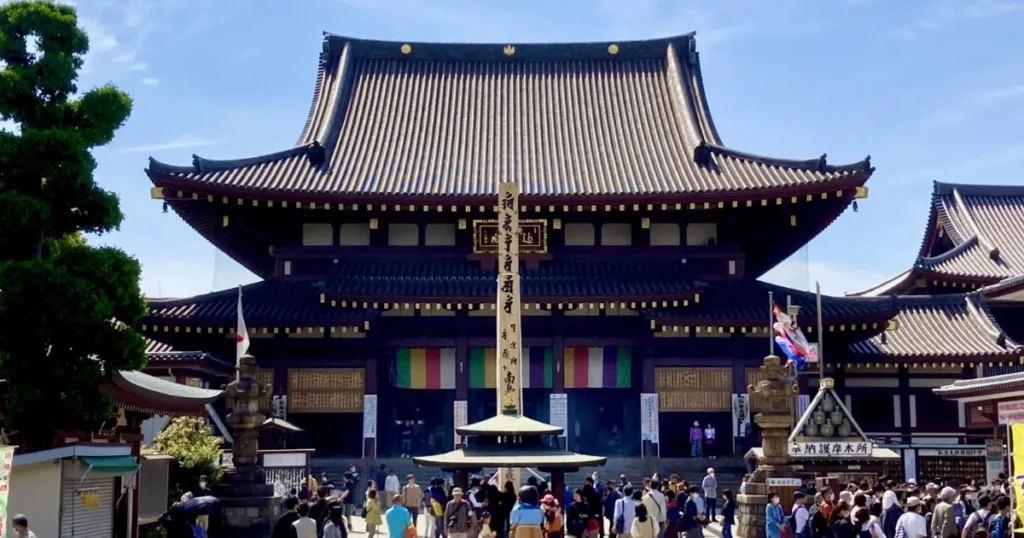
Understanding Kawasaki Daishi requires more than knowing it is “old”.
It functions as a living headquarters of Shingon esoteric Buddhism and maintains structured ritual operations daily.
Its identity is anchored in institutional continuity and regional religious authority.
What Is Kawasaki Daishi (Heiken-ji)?
Kawasaki Daishi is the popular name of Kongōzan Kinjoin Heiken-ji, founded in 1128 during the late Heian period.
It is dedicated to Kobo Daishi (Kūkai) and serves as the head temple of the Chisan School of Shingon Buddhism.
Its nickname reflects devotion to Kobo Daishi rather than a separate founding figure.
Historical Origins and Development Since 1128
Temple records trace its founding to the monk Sonken and the local figure Kanenori Hirama, establishing the site in 1128.
Over the Kamakura and Edo periods, it grew into a pilgrimage destination along the historical Tokaido route.
Reconstructed after wartime damage, it continues to operate as a central ritual institution.
The Central Role of Yakuyoke Rituals
Yakuyoke refers to protection from misfortune, particularly during culturally designated unlucky ages.
At Kawasaki Daishi, this protection is enacted through structured prayer ceremonies rather than symbolic tokens alone.
The temple’s reputation rests on active ritual practice, not folklore marketing.
Kawasaki Daishi Access Guide
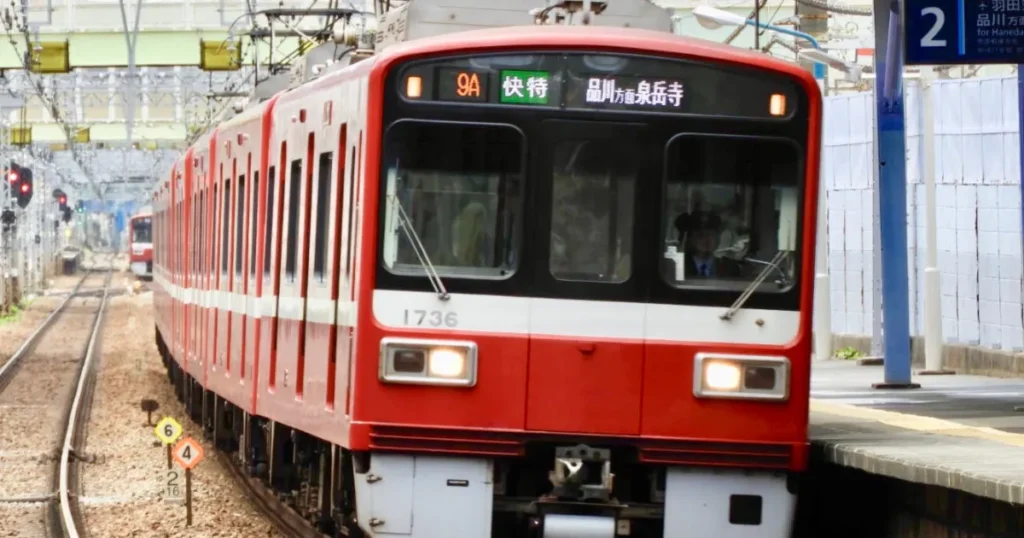
Efficient access is one of Kawasaki Daishi’s defining strengths.
The temple sits along the Keikyu railway corridor linking Tokyo and Yokohama.
Its manageable walking distance from the station simplifies itinerary planning.
Kawasaki Daishi Access from Tokyo Station
From Tokyo Station, take the JR Tokaido Line bound for Yokohama.
Get off at Kawasaki Station.
Travel time is approximately 18 to 20 minutes.
- Exit JR Kawasaki Station and walk about 5 minutes to Keikyu Kawasaki Station.
- At Keikyu Kawasaki Station, transfer to the Keikyu Daishi Line bound for Kojimashinden.
- Get off at Kawasaki-Daishi Station.
- Walk approximately 8 minutes from Kawasaki-Daishi Station to reach Kawasaki Daishi Temple (Heiken-ji).
- Total travel time: approximately 30 to 40 minutes
- Transfers: 1
- Nearest station: Kawasaki-Daishi Station
Kawasaki Daishi from Haneda Airport
- From Haneda Airport Terminal 3 Station, take the Keikyu Line Rapid Express, or any train bound for Yokohama or Uraga.
- Get off at Keikyu Kawasaki Station.
Travel time is approximately 10 to 15 minutes. - Transfer to the Keikyu Daishi Line bound for Kojimashinden.
- Get off at Kawasaki-Daishi Station.
- Walk approximately 8 minutes to reach Kawasaki Daishi Temple.
- Total travel time: approximately 15 to 25 minutes
- Transfers: 1
- Nearest station: Kawasaki-Daishi Station
- Kawasaki Daishi Access from Haneda Airport
Route Comparison Table: Nearest Station, Time, Transfers
| Departure Point | Nearest Station | Typical Travel Time | Transfers | Walk Time |
| Tokyo Station | Kawasaki-Daishi Station | 30–40 min | 1–2 | 8 min |
| Haneda Airport | Kawasaki-Daishi Station | 15–25 min | 1 | 8 min |
| Shinjuku | Kawasaki-Daishi Station | 40–55 min | 2 | 8 min |
One of Japan’s Largest Hatsumode Sites at Kawasaki Daishi
New Year at Kawasaki Daishi represents a national-scale religious event.
The first temple visit of the year, known as hatsumode, draws extraordinary attendance.
If you want to know hatsumode, please cleck here!
Kawasaki Daishi New Year Crowd Scale
Approximately three million visitors attend during January 1–3.
Crowd flow extends beyond temple gates into surrounding streets.
This scale places the temple among Japan’s most visited New Year religious sites.
Best Timing Strategies for Hatsumode
- Go early in the morning
- Use during nighttime
- Use from January 4 onward
What to Expect During New Year
Continuous ritual chanting and fire ceremonies occur inside the main hall.
Street vendors line the approach roads with seasonal foods.
The atmosphere combines solemn prayer with festival-scale movement.
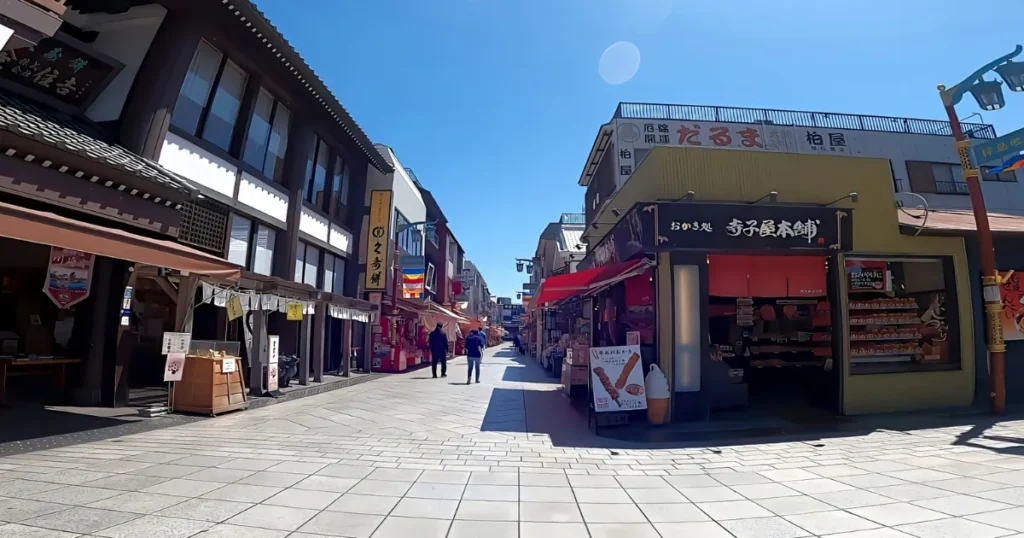
Kawasaki Daishi Omotesando Street
The temple approach street reflects pilgrimage-based commerce.
Food culture here developed around religious visitation patterns.
Kuzumochi as a Temple-Linked Specialty
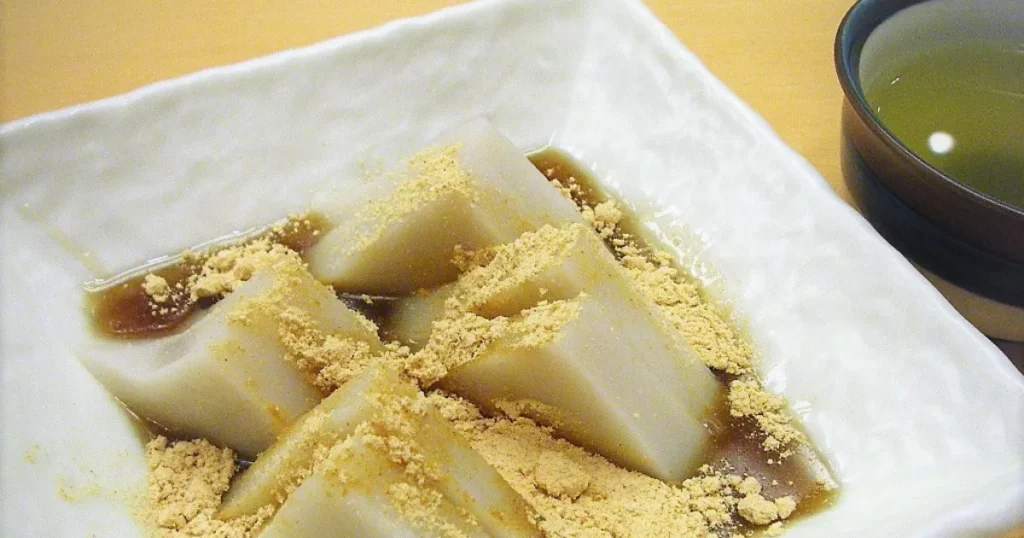
Kuzumochi near Kawasaki Daishi differs from translucent kuzu-based sweets found elsewhere.
It is typically wheat-starch based and served with kinako powder and syrup.
Buying it after prayer mirrors local custom.
Daishi-maki Rice Crackers
Daishi-maki consists of crisp rice crackers wrapped in aromatic seaweed.
It is widely recognized as a Kawasaki specialty and often purchased as omiyage.
Availability can fluctuate because production is typically small-batch.
Additional Souvenir Categories
Common purchases include incense, Buddhist rosaries, and temple-branded sweets.
The street layout supports browsing without crowd bottlenecks outside New Year.
This environment reinforces the temple’s functional pilgrimage identity.
Kawasaki Daishi and the Kanto Three Great Yakuyoke Daishi
Kawasaki Daishi is commonly described as one of the Kanto Three Great Yakuyoke Daishi.
This grouping highlights its regional significance in protective rituals.
There are various opinion about Kanto Three Great Yakuyoke Daishi
What Are the Kanto Three Great Yakuyoke Daishi?
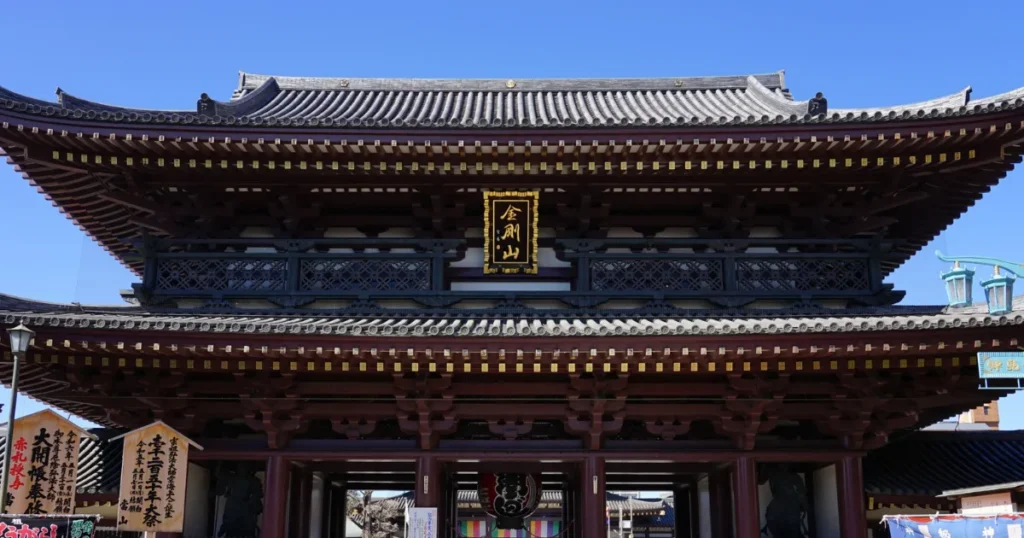
A commonly referenced set includes Kawasaki Daishi (Heiken-ji), Nishi-Arai Daishi in Tokyo, and Kanfuku-ji Daishido in Chiba Prefecture.
Lists may vary depending on the source.
The framing is widely used in regional tourism and religious materials.
Kawasaki Daishi Prayer Rules: Basic Flow and Internal Guide Link
Visitors should approach the temple respectfully.
Kawasaki Daishi operates as a functioning ritual environment rather than a static attraction.
Observing etiquette improves both personal experience and communal harmony.
Planning Your Visit: Kawasaki Daishi Location Map
Seeing the temple’s exact location simplifies itinerary decisions.
Kawasaki Daishi lies south of central Tokyo and north of Yokohama along the Keikyu corridor.
Embedding a map below allows immediate navigation confirmation.
FAQ about Kawasaki-Daishi
- How long should I spend at Kawasaki Daishi?
-
Most visitors allocate 60–90 minutes for the main grounds. Including Omotesando street browsing extends the visit to two hours. During New Year, plan additional waiting time.
- Is Kawasaki Daishi free to enter?
-
Yes, general entry to the temple grounds is free.
Certain formal ritual services require offerings or fees.
Donation boxes are available at prayer halls.
- Is Kawasaki Daishi closer to Haneda than Senso-ji?
-
Yes, Kawasaki Daishi is significantly closer to Haneda Airport than central Tokyo temples. Travel time from Haneda is often under 25 minutes. This makes it practical for arrival-day visits.
- When is Kawasaki Daishi most crowded?
-
The busiest period is January 1–3 during hatsumode.
Weekends in spring and autumn are moderately busy.
Weekday mornings offer the calmest conditions.
- What makes Kawasaki Daishi different from other Tokyo temples?
-
It functions as a major yakuyoke center rather than primarily a sightseeing landmark.
Its New Year attendance demonstrates national recognition.
Its ritual structure remains active daily.
Conclusion
Kawasaki Daishi (Heiken-ji) combines documented historical origins dating to 1128, institutional leadership within the Chisan School of Shingon Buddhism, and national prominence in yakuyoke practice.
Its proximity to Haneda Airport makes it one of the most accessible historically significant temples in the Greater Tokyo region.
For travelers seeking ritual continuity, regional identity, and concrete historical grounding rather than decorative spectacle alone, Kawasaki Daishi offers one of the strongest temple experiences near Tokyo.
Japan Trails Newletter

Explore Tokyo with a Local!!

We offer tailored private tours designed for small groups. Prices start from 200 USD per person, and every itinerary can be fully customized.