Yamayuri Beef Shigure-ni Bento – Kanagawa Brand Beef Ekiben You Should Hunt Down
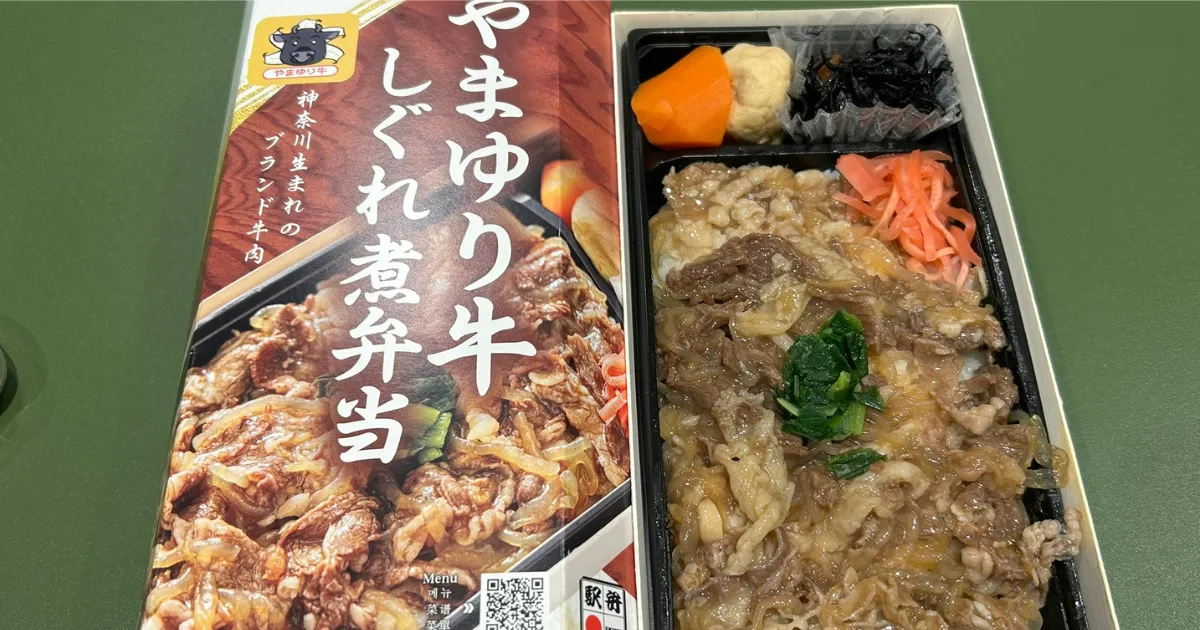
Yamayuri Beef Shigure-ni Bento
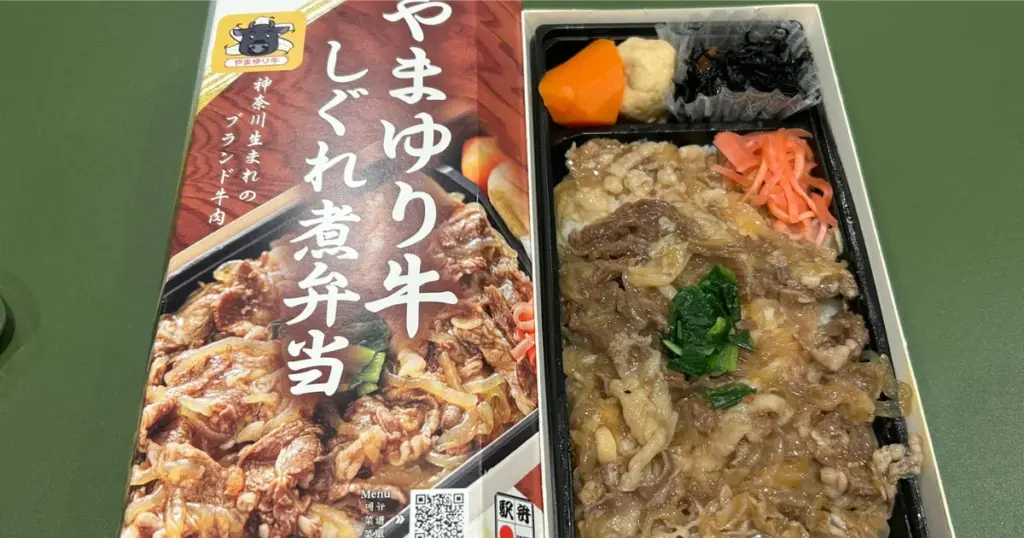
Yamayuri Beef Shigure-ni Bento is a station bento that focuses almost entirely on one pleasure: soft slices of Kanagawa-brand beef over a bed of white rice.
The beef and shirataki noodles are simmered sukiyaki-style in a glossy shigure-ni sauce, so every grain of rice underneath ends up coated in sweet-salty juices.
For travelers boarding Shinkansen or JR lines around Tokyo and Kanagawa, it is one of the most reliable ways to taste regional beef without ever leaving the station concourse.
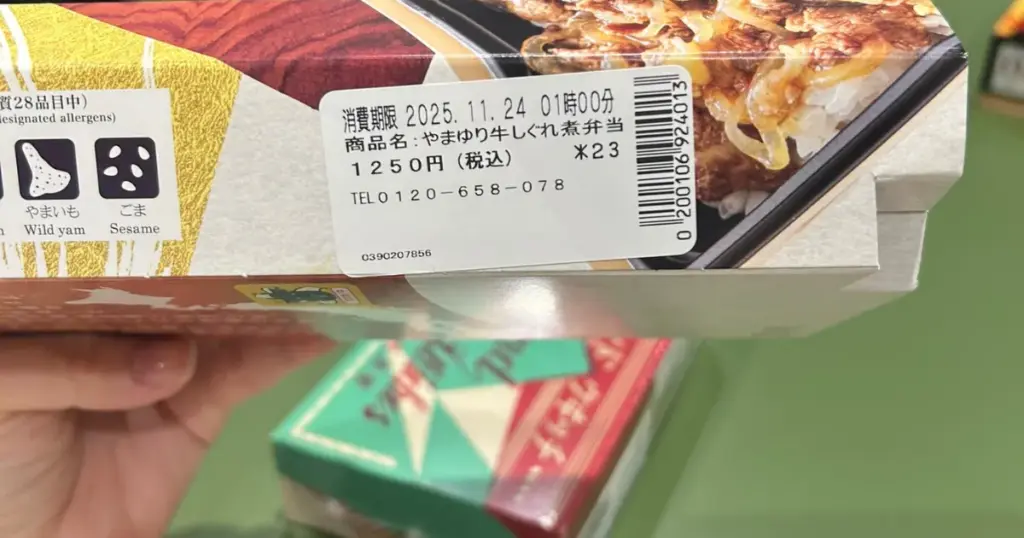
Current product pages and major EC sites list the standard price as 1,250 yen including tax, with the contents clearly described as Yamayuri beef, shirataki, rice and three small side dishes.
The box is manufactured by JR East Cross Station and sold under the “Shonan Kamakura Ofunaken” ekiben brand, tying it strongly to Kanagawa Prefecture.
Official descriptions emphasise that it is a hearty meat bento that makes rice disappear quickly, and that message matches almost perfectly with the actual eating experience.
Key specs of Yamayuri Beef Shigure-ni Bento
This sub-section gathers basic data you may want to quote in articles, tour descriptions or social posts.
Having a quick table helps visitors compare this bento with other options at Tokyo Station or Shinjuku without digging into Japanese-language product pages.
The information below reflects the current standard, while acknowledging that some legacy articles still show older prices.
| Item | Detail |
|---|---|
| Product name | Yamayuri Beef Shigure-ni Bento |
| Maker / brand | Manufacturer: JR East Cross Station / Brand: Shonan Kamakura Ofunaken |
| Region | Kanagawa Prefecture (Shonan–Kamakura area) |
| Concept | Kanagawa-brand Yamayuri beef and shirataki in sukiyaki-style shigure-ni over white rice |
| Standard price (now) | 1,250 yen, tax included (current product pages) |
| Past price range | 1,150–1,200 yen in older features and past campaigns |
| Consumption deadline | Labelled until around 1:00 a.m. the next day |
| Main sales channels | Tokyo / Shinjuku / Omiya ekiben shops, Ofuna area, JRE MALL takeout reservations |
| Sales category | Meat ekiben focused on Kanagawa-brand Yamayuri beef |
Yamayuri beef ekiben ingredients and what makes this beef special
Yamayuri beef is a branded beef from Kanagawa that combines the tenderness of Japanese black cattle with the straightforward richness of dairy breeds.
It is raised at selected farms in the prefecture and registered as a “Kanagawa brand” product, which means the origin and quality standards are clearly defined.
That makes it ideal for ekiben, where meat must stay flavorful and tender even after several hours at room temperature.
According to official descriptions, the bento uses Yamayuri beef and shirataki cooked together in a sukiyaki-style shigure-ni.
The message is repeated in product pages and catering sites: this is a volume-packed bento designed to make rice go down easily, not a light or diet-focused option.
The recipe leans toward a slightly sweet Kanto sukiyaki profile, but the beef flavor is still very present under the sauce.
The consumption deadline printed on recent labels is “until 1:00 a.m. the next day,” which matches the reality of same-day travel use.
You buy it at the station, carry it onto the train and finish it that afternoon or evening, without the need for refrigeration or reheating.
Component-by-component flavor breakdown
Travelers often see Japanese labels and wonder what each item actually tastes like.
This breakdown combines official ingredient information with detailed eating impressions so you can set expectations accurately in English.
Every component has a specific job in balancing sweetness, richness and freshness inside the limited space of the box.
| Component | What it is / how it tastes | Role in the box |
|---|---|---|
| Yamayuri beef shigure-ni | Thin slices of Kanagawa-brand beef simmered in soy, sugar and mirin; soft, juicy and coated in glossy sauce | Main attraction; delivers deep beef umami and sweet-salty impact |
| Shirataki noodles | Konjac noodles cooked with the beef; soft, slightly bouncy and fully soaked with the sukiyaki-style sauce | Extends the beef and holds extra flavor without adding heaviness |
| White rice | Japanese short-grain rice under the meat; slightly sticky and quickly stained by the sauce | Turns the topping into a full meal and keeps the sweetness at a comfortable level |
| Ganmodoki (fried tofu fritter) | Soft tofu-and-vegetable cake simmered in light broth; gentle soy aroma and mild sweetness | Provides a calm, homely break from the meat’s intensity |
| Simmered carrot | Tender carrot chunk with a naturally sweet flavor, not mushy | Adds color and a “kind” sweetness that echoes the sauce without extra sugar |
| Hijiki seaweed | Hijiki simmered in a very light dashi-style seasoning; soft but not soggy | Introduces a very Japanese side dish in a safe and modest way |
| Red pickled ginger (beni shōga) | Standard shredded red ginger with a sharp, vinegary kick | Cuts through the sweetness and refreshes your mouth between beefy bites |
| Green onion | Fresh negi scattered over the beef; crisp, light onion aroma | Brightens the first impression when you open the lid |
Yamayuri Beef Shigure-ni Bento detailed tasting review and texture notes
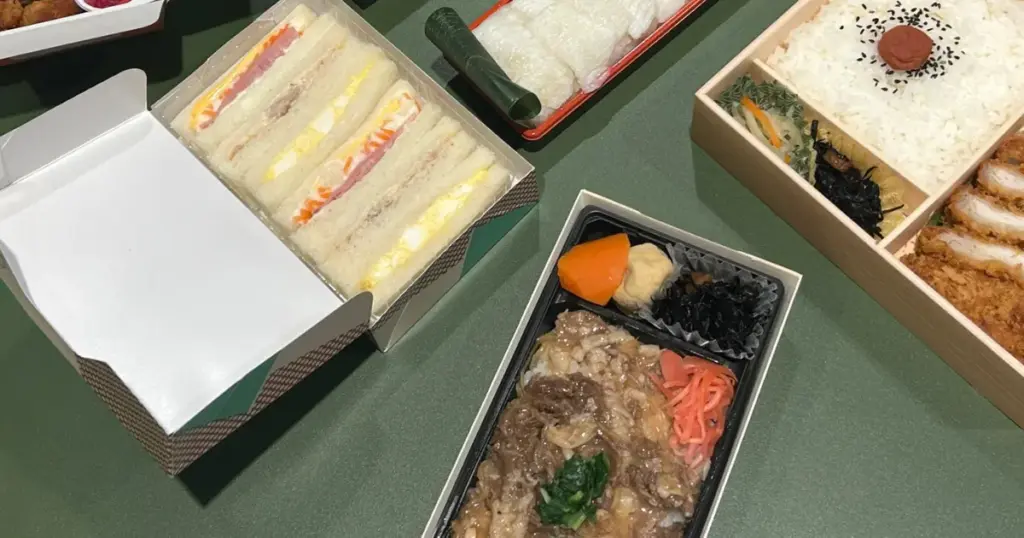
Reading the label only tells part of the story; the real charm appears when you actually take a bite.
The topping of beef shigure-ni is honestly “mecchakucha oishii” – ridiculously good in an immediate, instinctive way.
The tare sauce is a little sweet, the meat is soft, and when you scoop both with rice they fit together so naturally that your chopsticks keep moving almost on their own.
The sauce has a slightly thick, “torotto” quality that coats each slice of meat and seeps into the rice without feeling sticky.
Because the sweetness is balanced by plenty of soy-based savoriness, it does not become cloying, even for travelers who usually dislike sugar in savory dishes.
Instead, it feels similar to a sukiyaki rice bowl turned into ekiben form, with the added appeal of being made from a clearly labelled local brand of beef.
Around this core beef-and-rice pairing, the side dishes play supporting roles rather than trying to compete.
The ganmodoki and carrot bring a gentle, comforting sweetness that reminds you of nimono at a Japanese family table.
Hijiki and red pickled ginger taste “normal” in the best possible way – exactly what Japanese guests would expect, and therefore a very safe starting point for international visitors.
Real eating impressions from an actual tasting
This sub-section translates the Japanese tasting notes directly into natural English, keeping the nuance as close as possible.
Using concrete phrases like these helps your SEO article feel grounded and trustworthy, especially for readers comparing multiple ekiben.
You can quote or adapt them in reviews, tour descriptions or social captions.
- Beef shigure-ni
- The beef part is “crazy delicious”; the sauce is slightly sweet, the meat is tender, and it matches white rice perfectly.
- The sauce feels a little thick and almost creamy on the tongue, so every bite of beef and rice gives a soft, melting impression.
- It is the type of topping that makes you forget how much rice you have left because you simply keep eating.
- Ganmodoki and carrot
- Both the tofu fritter and the carrot carry a gentle sweetness that feels kind and calming rather than flashy.
- They taste like mild simmered dishes you might be served at home, not show-off restaurant items.
- Taking a bite of these between mouthfuls of beef resets your palate without breaking the overall flavor story.
- Red pickled ginger and hijiki
- The beni shōga tastes like straightforward red ginger, the same style you see on a good gyūdon; there are no tricks here.
- It gives a clean, sharp lift whenever the sweetness of the sauce starts to feel strong.
- The hijiki is also “normal hijiki” in a positive sense, with gentle seasoning and a soft bite that first-timers can handle easily.
Tokyo Station beef bento – where to buy Yamayuri Beef Shigure-ni Bento
Tokyo Station is a dense jungle of ekiben, so knowing where to walk saves precious minutes before your train.
Yamayuri Beef Shigure-ni Bento is listed on official ekiben shop pages in the “meat” category, with a current standard price of 1,250 yen and JR East Cross Station as the manufacturer.
This means you can realistically expect to find it at major JR East ekiben counters, especially at Tokyo Station’s flagship shops.
In addition to Tokyo Station, JRE MALL offers the bento as a takeout item tied to specific outlets.
One listing allows pick-up at Tokyo Station’s Ekibenya Odori near the Shinkansen transfer gate, while another ties it to Shinjuku Station’s Ekibenya Itadaki on the JR side.
Both sites state a three-day advance order deadline and the same 1,250 yen price, which makes them useful for travelers who hate last-minute hunting.
Gochikuru, a large Japanese bento delivery platform, also carries Yamayuri Beef Shigure-ni Bento as a Shonan Kamakura Ofunaken product for meetings and events.
This reinforces that the price point is now stabilised at 1,250 yen and that the bento is treated as slightly premium but not ultra-luxury.
Purchase points, price and shelf life at a glance
Many inbound visitors worry about whether they will actually find a specific ekiben on the day.
This quick table summarises the most important purchase details using current official information and clearly labels them as typical patterns rather than fixed promises.
| Item | Current information (examples, subject to change) |
|---|---|
| Main sales spots | Tokyo Station Ekibenya Matsuri / Ekibenya Odori, Shinjuku Station Ekibenya Itadaki, Omiya ekiben shop, Ofuna area kiosks |
| Online reservation | JRE MALL takeout (Tokyo Ekibenya Odori, Shinjuku Ekibenya Itadaki ) |
| Reservation deadline | 3 days before pick-up date (typical setting on JRE MALL) |
| Standard price now | 1,250 yen (tax included, current EC) |
| Past display prices | 1,150–1,200 yen in older features |
| Consumption deadline | Until 1:00 a.m. the next day (printed on label; treat as same-day meal) |
| Storage | Normal room temperature; keep away from direct sunlight and strong heat |
| Availability note | Lineup and stock vary by shop, time of day and season; popular boxes may sell out temporarily |
Yamayuri beef ekiben tips for enjoying it on Shinkansen and limited express trains
Yamayuri Beef Shigure-ni Bento works especially well as a “departure meal” when you leave Tokyo or Yokohama and watch the city fade into suburbs and countryside.
The combination of soft beef, glossy sauce and compact side dishes turns your seat into a tiny, private sukiyaki counter.
The bento is designed to be eaten at room temperature, and reviews of Tokyo Station’s ekiben shops frequently mention that boxes are handed over cold.
That is normal in Japan and factored into the recipe, so you do not need to feel disappointed if the rice is not hot. Instead, think of it as a carefully seasoned rice bowl that just happens to be perfectly portable.
Because the flavor is strong, drink choice matters more than many travelers expect.
Unsweetened green tea or barley tea balances the sweetness and leaves your mouth feeling clean; sweet sodas can make the bento feel heavy.
If you enjoy alcohol and the rules of your train allow it, a crisp canned beer pairs naturally with the sweet-salty beef and turns your seat into a casual izakaya.
Step-by-step: how to eat this ekiben on the train
Some readers love clear instructions for how to enjoy something new.
The following simple flow turns this bento into a small tasting experience, even for people who are not used to Japanese food culture.
You can present it as a “mini ritual” in your article or during guided tours that include Shinkansen rides.
- Open the lid and take in the layout.
Notice how almost the entire surface is covered with beef and shirataki, with side dishes tucked into one corner. Let your eyes adjust to the colors and textures before diving in so you can appreciate how focused the composition is. - Taste the beef by itself first.
Pick up a small slice of beef without rice to understand the base flavor of the shigure-ni sauce. Pay attention to how sweet it feels, how soft the meat is and how the sauce sits on your tongue. - Add rice and find your personal balance.
Take a larger bite that includes both beef and rice, and adjust the ratio until it feels “just right” for you. Some people prefer mostly rice with a little meat, while others want a thick layer of beef on every mouthful. - Use side dishes as palate cleansers.
When the richness starts to build, switch to ganmodoki, carrot or hijiki. Their gentle flavors act as a reset button, bringing your palate back to neutral without breaking the overall flavor story. - Finish with red ginger accents.
Toward the end, add small amounts of beni shōga to each bite for a sharper, gyūdon-style kick. This keeps the last mouthfuls from feeling too sweet and gives you a satisfying, clean finish.
Yamayuri Beef Shigure-ni Bento vs other Tokyo Station beef bentos
Tokyo Station’s ekiben shelves are full of different beef options, from thick wagyu steak over rice to gyūtan from Sendai and mixed-grill style lunch boxes.
In that crowded lineup, Yamayuri Beef Shigure-ni Bento occupies a distinctive niche as a sukiyaki-style, regionally branded beef bento that is still affordable.
It is meat-heavy and satisfying but avoids the extreme fattiness and price of top-tier wagyu steak boxes.
Older social posts and past campaigns from JR-related channels show this bento at 1,150 yen or 1,200 yen, while newer product pages and EC listings have updated the standard to 1,250 yen.
For travelers who are unsure about intense marbling or unusual cuts, Yamayuri beef’s thin slices are easier to handle than thick wagyu cubes.
Simmering instead of grilling keeps the texture soft even when the bento is eaten cold, which matters a lot on longer rides.
At the same time, you are not downgrading to generic “beef bowl” quality; the boxed-lunch branding makes it clear that the meat is a local specialty rather than anonymous bulk beef.
Who should choose Yamayuri beef ekiben
Not every bento suits every traveler, so it helps to define exactly who will be happiest with this one.
These three profiles will find Yamayuri Beef Shigure-ni Bento especially satisfying compared with other choices at the same counter.
You can use them as personas when planning content or recommending specific boxes to guests.
- Travelers who avoid raw fish but still want “Japanese” flavors
- This bento offers beef, tofu, vegetables and seaweed in familiar, cooked forms only.
- It feels more local than grabbing a chain burger or sandwich inside the station.
- Guests can talk about “trying Kanagawa beef on the train” instead of saying they skipped seafood entirely.
- People who like sukiyaki and gyūdon back home
- The sweet-salty profile is instantly recognisable to anyone who has eaten sukiyaki or beef bowls abroad.
- Beni shōga on the side gives the same refreshing contrast as a good gyūdon shop.
- At the same time, the branded beef and ekiben packaging make it feel like a clear step up from fast food.
- Busy visitors who want regional food without detouring
- You can taste a Kanagawa specialty even if your itinerary skips Yokohama and Kamakura entirely.
- Buying the bento at Tokyo, Shinjuku or Omiya turns a necessary train ride into a small Kanagawa food experience.
- For travel planners, it is an easy way to inject regional storytelling into a tight schedule without adding extra transfers.
Yamayuri Beef Shigure-ni Bento FAQ for first-time visitors
Even after seeing photos, many inbound travelers hesitate because they are not sure about sweetness level, allergens or storage.
Answering those questions clearly in English helps your SEO article convert page views into real bento purchases.
The answers below use current product information as a base and add explanations that matter specifically to international visitors.
Is the Yamayuri Beef Shigure-ni Bento very sweet?
The sauce has a noticeable sweetness in classic sukiyaki style, but it is balanced by soy-based saltiness and the natural flavor of the beef.
Most people who enjoy teriyaki or sukiyaki outside Japan will find it familiar and comfortable rather than sugary.
If you know you are sensitive to sweetness, simply eat larger bites of rice with thinner layers of beef and use the beni shōga to sharpen the flavor.
Is this bento suitable for vegetarians or vegans?
No, this bento is centered on beef and almost certainly uses animal-derived seasonings in the side dishes.
The hijiki and ganmodoki are typically simmered in dashi that may contain fish or other animal ingredients.
Vegetarians and vegans should look for dedicated vegetable or tofu bentos instead, which occasionally appear in the same ekiben shops.
What about common allergens like wheat, soy and egg?
Given the ingredients, you can safely assume the presence of soy and wheat, and possible egg or sesame depending on the exact batch.
JR-related product pages and shop displays use allergen icons on the back label, so it is important to flip the box over and check before purchasing.
If you have serious allergies, show the label to staff and confirm directly rather than relying only on online descriptions.
How long can I keep the bento before eating it?
Recent listings show the consumption deadline as “until 1:00 a.m. the next day” when stored at normal room temperature.
In real travel conditions, it is wise to eat the bento within a few hours of purchase and to avoid leaving it in direct sunlight or near very hot windows.
Treat it as a same-day meal that travels with you, not something to keep overnight in your hotel room.
Can I reheat it on the train?
Standard JR trains and Shinkansen cars do not offer reheating services for personal bentos.
TheYamayuri Beef Shigure-ni Bento is seasoned and cooked specifically to taste good cold or at room temperature, so you should simply open and enjoy it as it is.
If you are used to hot lunches, imagine it more like a composed rice salad with a warm flavor profile than a microwave meal.
Where exactly should I look for it at Tokyo and Shinjuku Stations?
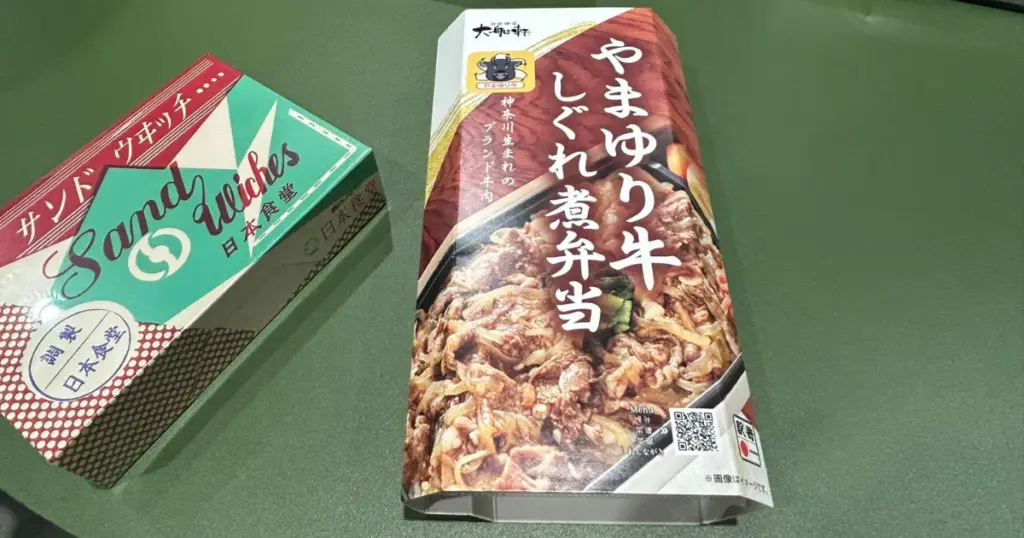
At Tokyo Station, the safest bet is Ekibenya Matsuri inside the ticket gates, where the product appears in the meat section under its Japanese name.
For advance planners, the JRE MALL listing that uses Ekibenya Odori as the pick-up point is another option, especially on busy travel days when shelves empty quickly.
At Shinjuku, you can either reserve via JRE MALL for Ekibenya Itadaki or search the shop directly near the JR concourse, while keeping in mind that daily lineups and stock always change.
Yamayuri Beef Shigure-ni Bento ends up being more than just “a beef bento.”
It captures a slice of Kanagawa’s food identity, wraps it in the convenience of JR East’s ekiben network and delivers a very specific, very satisfying flavor that sits somewhere between sukiyaki at home and a carefully made beef bowl.