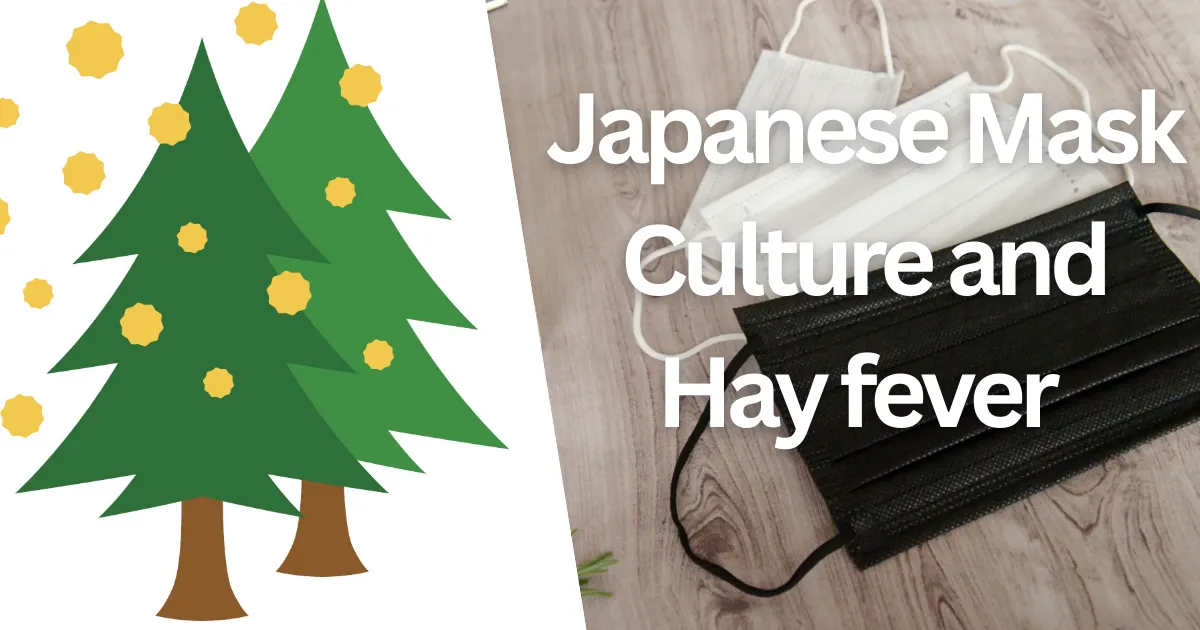
Japanese Mask Culture and Hay fever
How Masks Became Part of Daily Life
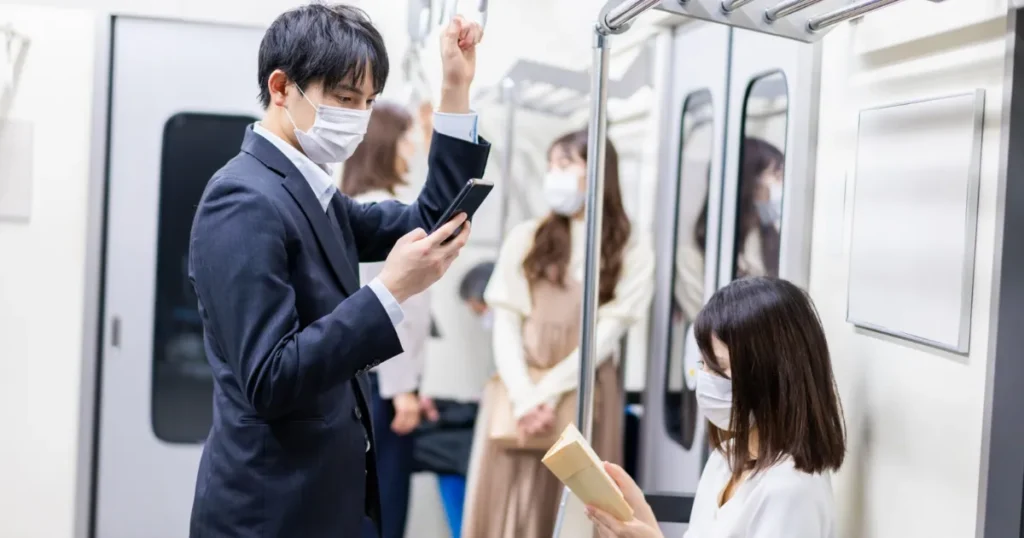
Masks in Japan are not an emergency response or a temporary trend.
They are a familiar, everyday item that has quietly integrated into daily life over decades.
In Japan, masks function primarily as practical tools rather than symbolic statements.
Early Public Health Awareness in Japan
Japan’s relationship with masks developed alongside its emphasis on cleanliness and prevention.
As cities grew more crowded throughout the 20th century, simple protective habits became socially accepted.
Public health education in Japan historically focused on prevention rather than reaction.
Masks as Everyday Consumer Products
Masks in Japan are treated as ordinary consumer goods.
They are sold year-round in convenience stores, supermarkets, drugstores, and even vending machines.
Masks are inexpensive, disposable, and easy to replace.
Japanese Mask Culture and Types of Masks in Japan

Japan offers an unusually wide variety of masks, each designed for specific needs.
Understanding these mask types helps explain when and why they are worn.
Japanese masks serves a clear function in daily life.
Disposable Surgical Masks
Disposable non-woven surgical masks are the most common type seen in Japan.
They are lightweight, affordable, and designed for everyday use.
Most commuters, office workers, and students choose this option.
Pollen-Proof and Allergy Masks
Japan’s pollen allergy population has driven innovation in allergy-specific masks.
These masks are designed to block fine pollen particles, particularly cedar pollen, which is extremely small and abundant.
Allergy masks often feature enhanced filters, better facial seals, and designs that reduce gaps around the nose and cheeks.
Reusable and Comfort-Focused Masks
Reusable fabric masks also exist in Japan, though they tend to prioritize comfort rather than expression.
Colors are usually neutral, such as white, gray, or beige, and designs are understated.
These masks are often chosen by people with sensitive skin or those seeking softer materials for long-term wear.
Why Japanese People Wear Masks
The primary motivation for mask-wearing in Japan is health-related practicality.
Instead, they are used to manage everyday health risks efficiently.
Two main reasons dominate:
・Preventing the spread of minor illnesses
・Protecting against seasonal allergies
Preventing the Spread of Minor Illnesses
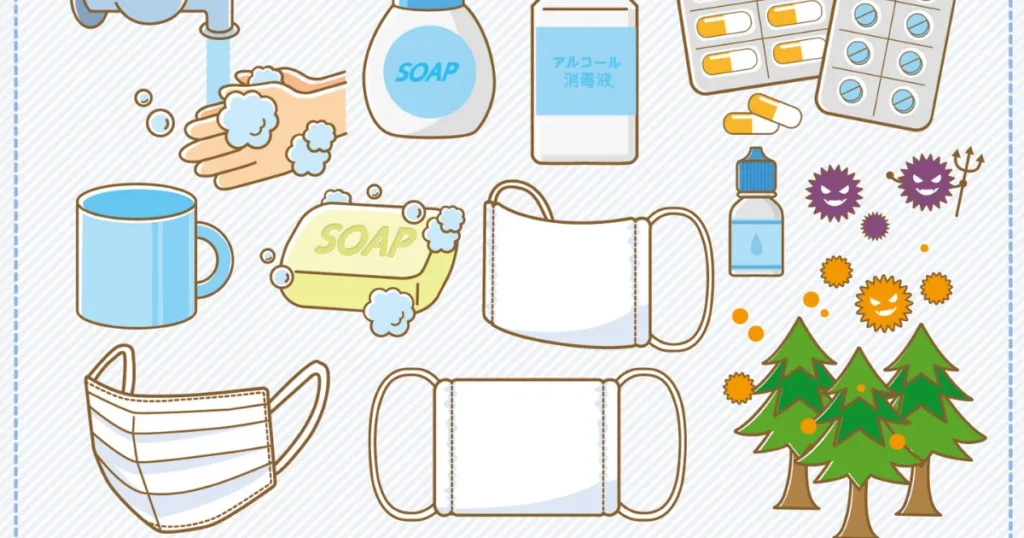
There are many cases where people catch a cold or carry a virus without even realizing it.
Even if someone has a virus, many people wear masks to prevent spreading infections to others.
The mask-wearing culture reflects a culture of social consideration.
Protection Against Seasonal Allergies
For many Japanese residents, masks are essential tools for managing allergy symptoms.
Pollen exposure can cause severe discomfort, making daily commutes and outdoor activities difficult.
Masks reduce direct pollen intake through the nose and mouth.
Why So Many People Suffer from Pollen Allergies
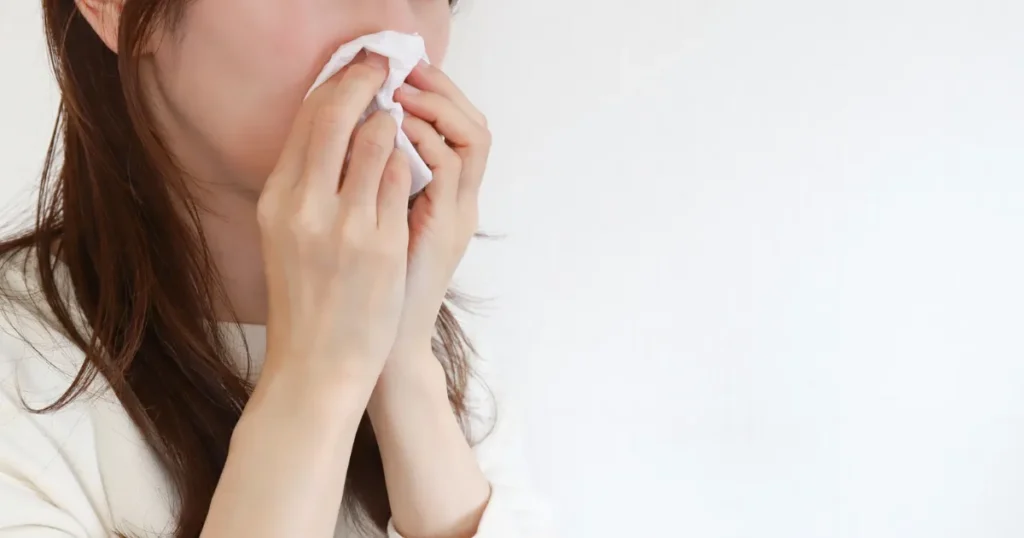
Japan has one of the highest rates of hay fever in the world.
Pollen allergies are not a minor seasonal inconvenience but a widespread public health issue that affects daily life.
How Common Is Hay Fever in Japan?
A significant portion of Japan’s population suffers from hay fever, with estimates often exceeding 30 percent of adults.
Hay fever affects both urban and rural populations.
Symptoms range from sneezing and itchy eyes to severe fatigue and concentration problems.
Main Types of Pollen in Japan
| Pollen Type | Season | Key Characteristics |
|---|---|---|
| Cedar (Sugi) | February–April | Most severe and widespread |
| Cypress (Hinoki) | March–May | Often follows cedar season |
| Grass & Weeds | Summer–Autumn | Regional and less intense |
Japanese hay fever is caused by multiple pollen sources throughout the year.
This means allergy symptoms can persist for months rather than weeks.
Why Pollen Allergies Are So Severe in Japan
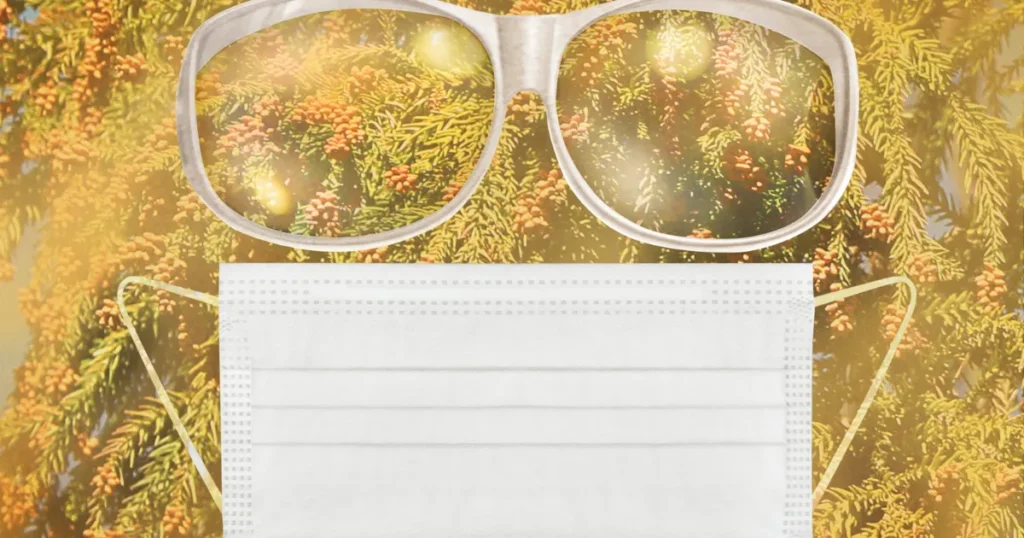
One major reason for Japan’s severe pollen problem is post-war reforestation.
After World War II, large areas were planted with fast-growing cedar trees to supply timber.
These trees now release massive amounts of pollen annually.
What Travelers Should Know About Masks and Hay Fever in Japan
Visitors often misunderstand why masks are so common in Japan.
In reality,health management and allergies explain most situations.
For travelers, masks are optional but can be surprisingly useful depending on the season.
Why You Will See More Masks in Spring
Spring is the peak of pollen season in Japan.
Coincidentally, it is also one of the most popular times for tourism due to cherry blossoms.
This overlap makes mask usage especially noticeable.
Should Visitors Bring or Buy Masks in Japan?
Visitors do not need to bring masks from home.
In Japan, you can easily buy masks at low prices at many places, such as convenience stores and drugstores.
Wearing a mask is a personal choice.
Understanding Japanese Mask Culture Through Health and Environment
Japanese mask culture is best understood through the lens of health management rather than social signaling.
Masks are practical tools shaped by environmental conditions, urban life, and widespread pollen allergies.
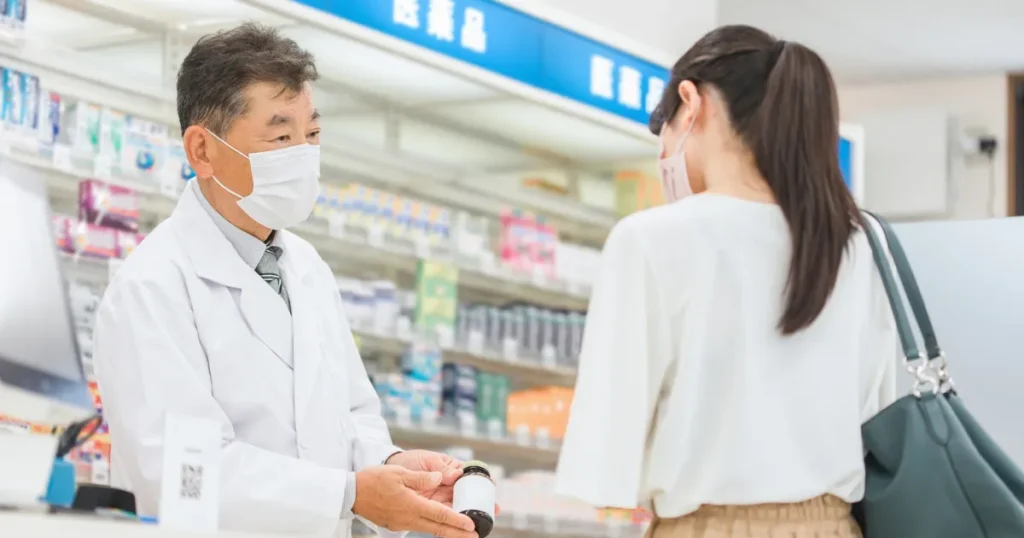
For visitors, recognizing this context transforms masks from a mystery into a logical response to daily challenges.
Once understood, Japanese mask culture feels less unusual and more deeply connected to everyday life in Japan.
Japan Trails Newletter

Explore Tokyo with a Local!!

We offer tailored private tours designed for small groups. Prices start from 200 USD per person, and every itinerary can be fully customized.