Sangen Pork Tonkatsu Bento Guide for Tokyo Station Visitors
Tonkatsu bento overview and why travelers love it

For many overseas visitors, tonkatsu bento is the easiest way to fall in love with Japanese train food.
You get familiar flavors, crunchy pork and perfectly seasoned rice in a compact box that is ready for the shinkansen.
Even if you are not used to raw fish or very traditional dishes, a pork cutlet bento feels friendly, filling and instantly Instagram worthy.
Tonkatsu itself is a breaded deep fried pork cutlet that became popular in Tokyo as a Japanese style Western dish.
When it moved into bento boxes, it created a perfect match with white rice, pickles and classic side dishes.
Sangen Pork Tonkatsu Bento from Nihonbashi Daimasu is one of those boxes that shows why Japanese people love eating bento on the train.
Sangen Pork Tonkatsu Bento key product details
This bento is designed as a smart choice for travelers who want something satisfying but not too heavy.
Everything is already sliced, there is no soup to spill, and the flavors stay delicious even when the bento is cold.
Product information table
| Item | Detail |
|---|---|
| Product name | Sangen Pork Tonkatsu Bento (三元豚とんかつ弁当) |
| Maker | Nihonbashi Daimasu (日本ばし大増), a long established Tokyo caterer |
| Price | 1,250 yen including tax per bento |
| Best before time | Until 1:00 a.m. the following day (same day eating is recommended) |
| Package style | Cardboard box with paper wrap, disposable chopsticks and wet wipe |
Nihonbashi Daimasu has been making bento and traditional dishes since the late 19th century, and today their products appear in famous ekiben shops inside major JR stations. Choosing a Daimasu bento is an easy way to experience a Tokyo taste without booking a restaurant.
Sangen Pork Tonkatsu Bento what is inside and how it tastes
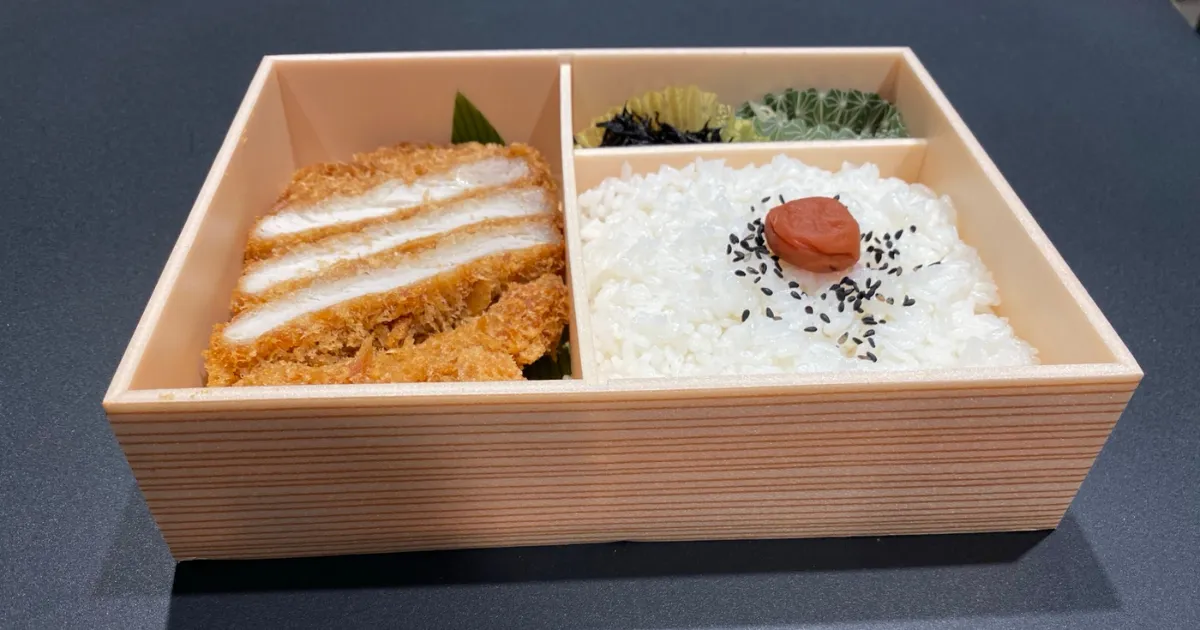
Inside the box you find a simple, clean line up that is easy to understand even if it is your first Japanese bento.
The focus is on one full Sangen pork cutlet, 250 grams of white rice and a few classic side dishes that keep every bite interesting.
The overall impression is lighter than many people expect from deep fried pork.
Contents and recommendation points
| Component | Why travelers like it |
|---|---|
| White rice(GOHAN) | Soft Japanese rice that pairs with every topping and side |
| Sesame seeds(GOMA) | Add gentle aroma and a little nutty crunch on top of the rice |
| Umeboshi | Sharp, refreshing sour note that wakes up your appetite |
| Sangen pork tonkatsu | Thick, juicy cutlet with crisp coating, easy to eat cold |
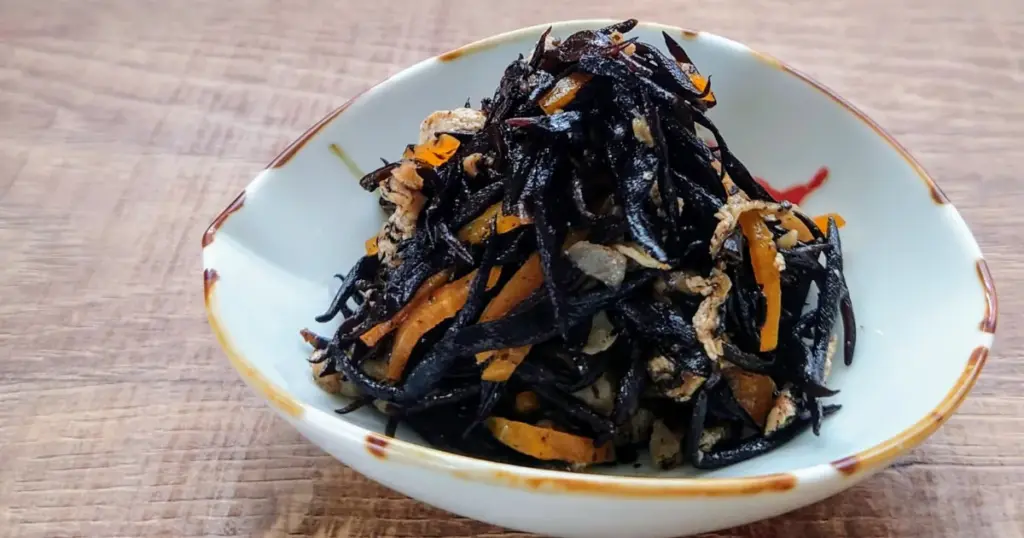
| Hijiki side dish | Deep umami seaweed mix, perfect as a small “rice friend” |
| Kiriboshi daikon | Lightly sour radish strips that cut through the richness |
| Tonkatsu sauce | Sweet savory sauce that makes the pork taste even richer |
| Mustard(KARASHI) | Clean heat that you can adjust to your own spice level |
| Lemon juice pack | A few drops make the cutlet feel lighter and very refreshing |
The rice has a pleasant chew and holds its shape, so you can easily pick up neat bites with chopsticks.
Sesame and umeboshi turn the white rice into a small dish of its own, which is helpful if you want to rest from the pork for a moment.
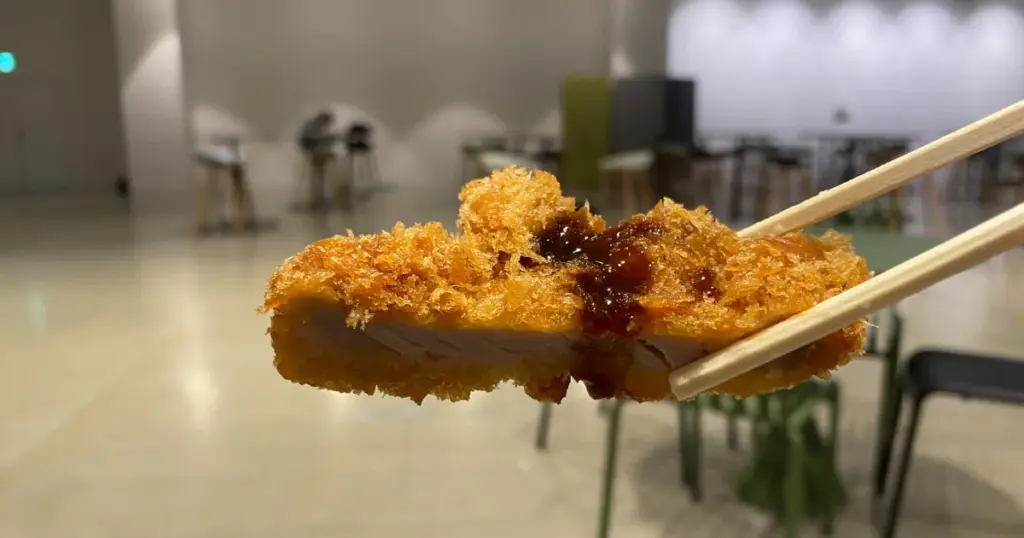
The Sangen pork cutlet is sliced and arranged so you can eat it piece by piece.
Even at room temperature, the meat feels juicy and the coating still has a light crunch.
If you are new to Japanese food, this is a very safe first choice because the taste is similar to a high quality pork schnitzel.
Tonkatsu bento history in Japan
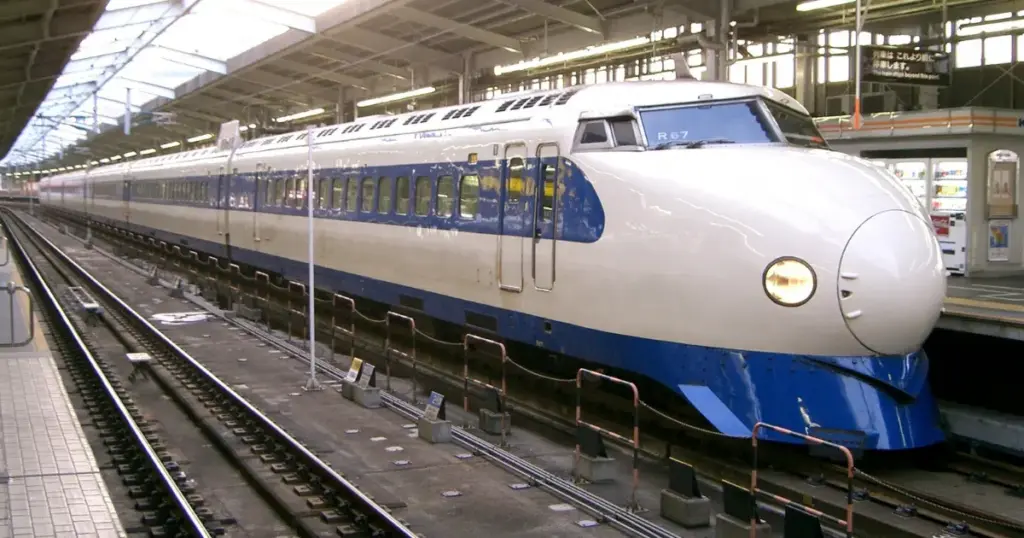
To enjoy a bento on the shinkansen is to join a tradition that has grown for more than one hundred years.
Tonkatsu and ekiben each have their own story, and they eventually met to become one of the most popular train meals in Japan.
Tonkatsu bento history at a glance
| Era / period | Tonkatsu or bento milestone | What it means for travelers today |
|---|---|---|
| Late 19th century | Western style cutlets arrive in Japan and evolve into tonkatsu | Pork cutlet becomes a familiar comfort food in Japanese cities |
| Early 20th century | Ekiben culture spreads as railways expand | Eating a boxed meal on long train rides becomes normal |
| Postwar 1950s to 1970s | Tonkatsu restaurants and take away cutlets gain popularity | Fried pork becomes a standard topping for rice bowls and bento |
| Shinkansen era, from 1964 | Ekiben evolve with better ingredients and regional specialties | Travelers can enjoy local flavors while moving between cities |
| Heisei to present day | Brands like Nihonbashi Daimasu refine tonkatsu bento recipes | Visitors can easily buy high quality tonkatsu bento at big hubs |
| Today’s inbound travel boom | Stations curate many ekiben in one place for domestic and foreign guests | Overseas visitors can taste “everyday Japan” in one convenient box |
Knowing this background makes the experience richer: you are not just eating lunch,you are participating in a piece of Japanese travel culture that locals genuinely love.
Tokyo Station tonkatsu ekiben where to find Sangen Pork Tonkatsu Bento

Tokyo Station is one of the best places in Japan to shop for ekiben, especially if you are heading out on the shinkansen.
Shops like Ekibenya Matsuri(駅弁屋 祭) and Ekibenya Odori(駅弁屋 踊) carry famous bentos from across eastern Japan, including products from Nihonbashi Daimasu.
Line ups change daily, so you may see different combinations of seafood, meat and mixed bentos when you visit.
If you are specifically hoping to find Sangen Pork Tonkatsu Bento:
- Look at ekiben shops inside the ticket gates that display many bento boxes in chilled cases.
- Check labels for “三元豚とんかつ弁当” or for the maker name “日本ばし大増”.
- Visit earlier in the day, since popular items may sell out before evening travel peaks.
For groups or families who want to guarantee this exact bento, Nihonbashi Daimasu also offers delivery within the 23 wards of Tokyo with a minimum order amount.
Hotels can often receive the delivery, so you can pick up the boxes on your way to the station.
How and where to enjoy tonkatsu bento politely on trains
Japanese people love eating bento on long distance trains, but there are unwritten rules that help everyone stay comfortable.
Understanding these points makes it easier to relax and enjoy your Sangen Pork Tonkatsu Bento without worrying about manners.
On shinkansen and many limited express trains thathave tray tables, eating bento at your seat is normal. Locals often buy their favorite ekiben just before boarding and start eating soon after departure.
On crowded local commuter trains however, people usually avoid eating, so it is better to wait until you are on a long distance service or back at your hotel.
To use the sauce, mustard and lemon without overpowering the taste:
- First, take one bite of plain tonkatsu to enjoy the natural flavor of the Sangen pork.
- Then add a small line of sauce and a tiny dot of mustard to the next piece and adjust from there.
- Finally, try a few drops of lemon juice for a brighter, more refreshing version of the cutlet.
Keep napkins handy and fold the empty box after finishing.
Rubbish bins are usually located near shinkansen platforms and major station exits, sometimes with separate sections for burnable waste and bottles.
Is Sangen Pork Tonkatsu Bento the right choice for you
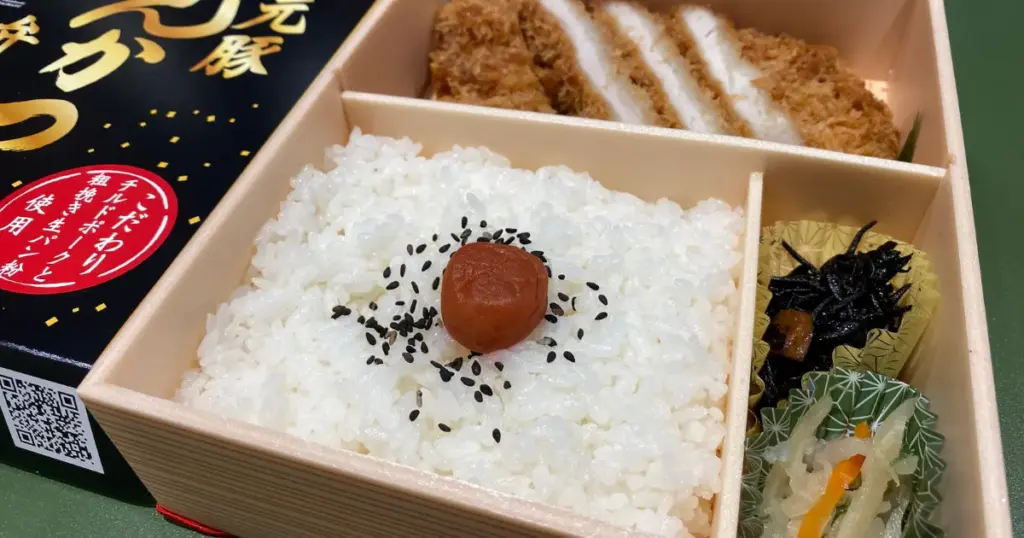
Compared with seafood bentos or very traditional assortments, Sangen Pork Tonkatsu Bento is one of the easiest options to recommend to overseas guests.
There is no raw fish, the flavors are familiar, and the texture stays pleasant even when the bento is completely cold.
At the same time, the side dishes of hijiki and kiriboshi daikon give you a gentle introduction to Japanese home style cooking.
This bento works especially well if:
- You want to feel local and special.
- You are not used to strong fish flavors but still want to eat like Japanese travelers.
- You plan to eat on the train and prefer something that is tidy and easy to handle.
If you are a big eater or planning a long journey, you can add an extra onigiri or dessert from the station convenience store.
For many travelers however, the Sangen pork cutlet plus 250 grams of rice is more than enough for a full meal.
Practical tips for overseas visitors
Japanese bento labels list major allergens such as wheat, egg, dairy, sesame, soy and certain fish.
Sangen Pork Tonkatsu Bento includes several of these, so guests with serious allergies should check carefully or ask a guide to confirm the ingredients.
The umeboshi in the center of the rice also contains a hard pit, which may surprise people who are not used to Japanese pickles.
A few safety and storage points:
- Try to eat the bento within a few hours of purchase for the best texture.
- Do not leave the box in direct sun or in a very hot car.
- Keep the box flat in your bag so that sauce and lemon packs do not leak onto the rice.
With these simple points in mind, you can enjoy the bento with peace of mind and focus on the view outside the window.
FAQ | Sangen Pork Tonkatsu Bento
- What is Sangen pork?
-
A. Sangen pork is pork bred from three different lineages, known for its good balance of tenderness, flavor, and juiciness.
- Does the tonkatsu still taste good when cold?
-
Yes, this bento is designed to be enjoyed at room temperature, with the pork remaining juicy and the coating staying pleasant even when cold.
- Is this bento suitable for people who do not eat raw fish?
-
Absolutely, there is no raw seafood used, making it a safe and familiar choice for first-time visitors to Japan.
- Where is it appropriate to eat a tonkatsu bento on the train?
-
It is perfectly acceptable on shinkansen and limited express trains, but eating on crowded local commuter trains is generally discouraged.
- Are there any allergy considerations?
-
Yes, it contains common allergens such as wheat, egg, dairy, sesame, soy, and pork, so guests with allergies should check the label carefully.
- Are there any tips when eating this bento?
-
Start with small amounts of sauce, mustard, or lemon, as they are strong in flavor, and note that the umeboshi contains a hard pit.
Final thoughts on Sangen Pork Tonkatsu Bento
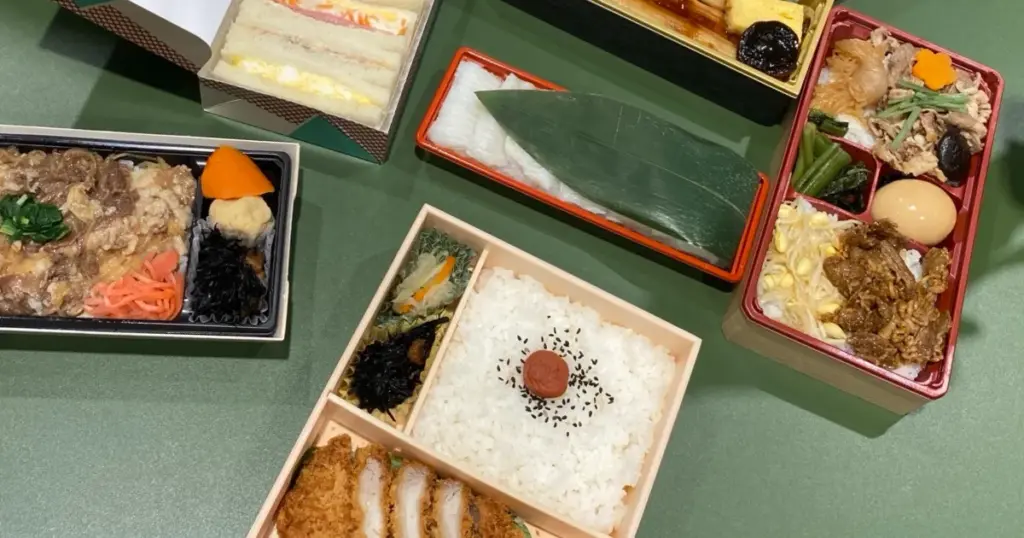
For visitors who want to experience real Japanese train culture without taking a risk on unfamiliar flavors, Sangen Pork Tonkatsu Bento is an ideal choice.
It combines the comfort of crunchy pork cutlet with the elegance of well made rice and side dishes from a respected Tokyo maker.
Add one of these boxes to your next shinkansen ride from Tokyo Station and you will understand why Japanese travelers look forward to their ekiben as much as the destination itself.