Yanaka and Nezu, Tokyo: A Walking Guide to the Old Town
Quick answer
- Yanaka and Nezu are old residential neighbourhoods north of Ueno that kept many pre-war streets, temples and small shops.
- The highlights are Yanaka Ginza, the Yuyake Dandan steps, Yanaka Cemetery and Nezu Shrine, all free and walkable in half a day.
- Start at JR Nippori and finish at Nezu Station so the walk is mostly downhill, and visit in April for Nezu Shrine's azalea festival.
Yanaka and Nezu at a Glance
Yanaka and Nezu are neighbouring old-town districts just north of Ueno, where narrow lanes, wooden houses, dozens of temples and a small shopping street give a sense of what Tokyo felt like before the high-rises. Together with Sendagi they are often called Yanesen.
Most of what you come for is free, and the whole area can be walked in half a day.
| Place | What it is | Cost | Nearest station |
|---|---|---|---|
| Yanaka Ginza | Shopping street, about 60 shops | Free | Nippori or Sendagi, 5 min |
| Yuyake Dandan | Steps above Yanaka Ginza | Free | Nippori, on the way to Yanaka Ginza |
| Yanaka Cemetery | Cemetery and cherry avenue | Free | Nippori, beside the West Exit |
| Asakura Museum of Sculpture | Sculptor's house and roof garden | Adults ¥500, school age ¥250 | Nippori, 5 min |
| Nezu Shrine | Shrine with torii tunnel | Free (azalea garden extra in April) | Nezu or Sendagi, 5 min |
For Ueno Park, the zoo and the museums just to the south, see our guide to things to do in Ueno.
Why Yanaka Feels Different
Yanaka feels older than most of Tokyo because it largely escaped the fires of the 1945 air raids, so many pre-war houses, lanes and temples are still standing. It grew in the Edo period as a temple town on the hill behind Kan'ei-ji, and it is still full of temples and graves today.
That history shapes a visit in two ways. First, people live here, so walk slowly and look at the small things, such as potted plants outside houses, old shop fronts and temple gates.
Second, it is quiet. Voices carry in the lanes, and many of the most attractive streets are residential. Keep groups small and voices low, and do not photograph people's homes or graves as backdrops.
Yanaka Ginza Shopping Street
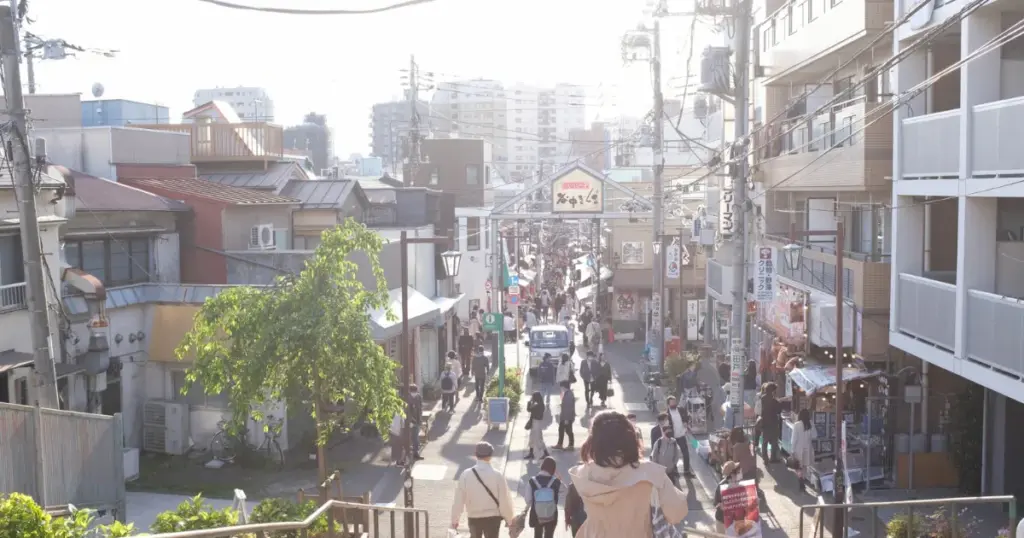
Yanaka Ginza is a short shopping street of about 60 small shops along roughly 170 metres, and most visits centre on it. It grew up naturally around 1945 as a neighbourhood street, and it still sells meat, vegetables, fish, sake, tea, pottery and clothes to local people, alongside snack stalls for visitors.
Street Food on Yanaka Ginza
Snacking as you walk is normal here. Look for menchi-katsu (deep-fried minced meat cutlets), croquettes, grilled skewers, rice crackers, Japanese sweets and fish-shaped taiyaki. Each shop sets its own hours and days off, so a few stalls will be closed on any given day, and most of the street winds down in the early evening.

The Wooden Cats
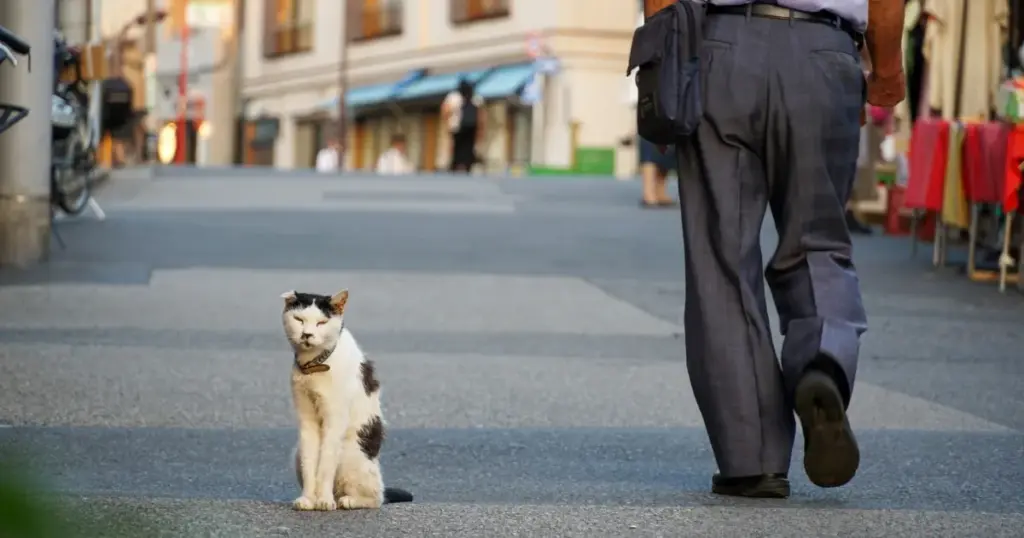
Yanaka is known as a cat town, and in 2008 the shopping street put up carved wooden cats on the shop signs and roofs. Children can count how many they find before the end of the street.
Yuyake Dandan, the Sunset Steps
Yuyake Dandan ("sunset steps") is the short flight of stone steps at the top of Yanaka Ginza, and it is the best-known view in Yanaka. From the top you look down the whole shopping street, and in the late afternoon the sun sets in front of you.
The steps are wide but have no slope, so with a stroller you will need to carry it down, or walk round by the road. Cats often sit on and around the steps, and people stop on them to take photos, so keep to one side if you are passing through.
Yanaka Cemetery and the Temples
Yanaka Cemetery, right by the west side of Nippori Station, is a large, calm cemetery with a long avenue of cherry trees through the middle, and one of the best quiet places in Tokyo to see the blossoms in early April. Among the many graves is that of Tokugawa Yoshinobu, the last shogun.
Around the cemetery are dozens of Buddhist temples, many with gardens or old gates you can see from the lane. Most are working temples with families' graves.
Look from the gate unless there is a sign welcoming visitors, keep children from running between the graves, and never climb on stones.
Asakura Museum of Sculpture
The Asakura Museum of Sculpture is the former home and studio of the sculptor Fumio Asakura, with a water garden in the middle of the house and a roof garden over Yanaka's rooftops. It is the one indoor sight in Yanaka to plan your day around, and it suits older children who can walk quietly.
These details are as of October 2026.
- Hours. It is open 9:30 to 16:30, with last entry at 16:00.
- Closed. It closes on Mondays and Thursdays (the next weekday if that is a holiday), at New Year and during some exhibition changes.
- Fees. Adults pay ¥500, and primary, junior high and high school students ¥250.
- Shoes off. You walk the house in socks, on lacquered floors and tatami. Bring socks without rubber grips.
- Not barrier-free. There are steps and steep stairs, so leave strollers outside.
The museum also had exterior painting work in autumn 2026 with some temporary closures, so check its calendar before you go.
 ONO
I recommend Yanaka and Nezu. The local atmosphere is excellent.
Nezu Shrine, Torii Tunnel and Azaleas
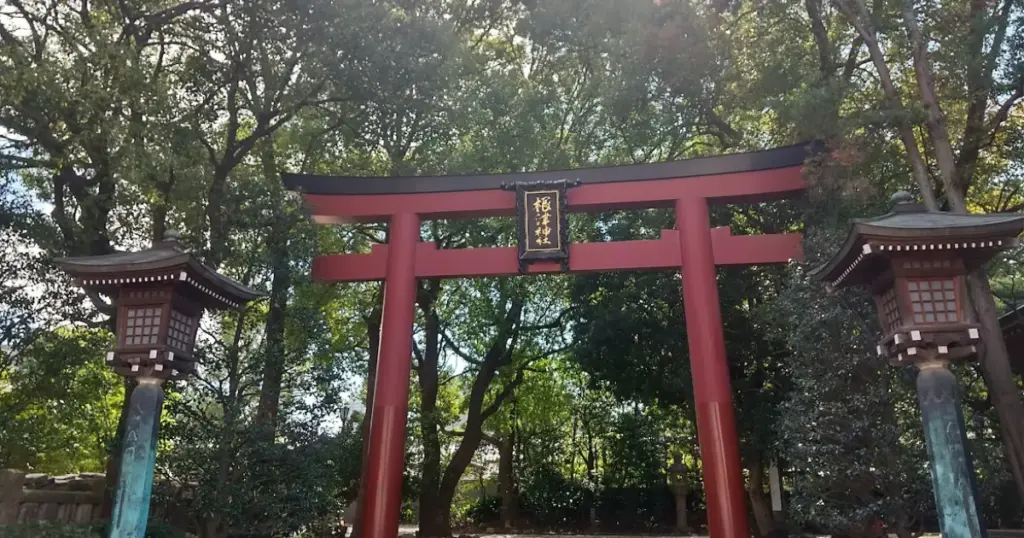
Nezu Shrine is the reason most visitors come to Nezu. According to the shrine, it was founded over 1,900 years ago by the legendary prince Yamato Takeru.
The present buildings were completed in 1706, when the shogun Tsunayoshi rebuilt the shrine on the estate where his heir Ienobu was born, and seven of them, including the main hall, the Karamon gate and the two-storey Romon gate, are Important Cultural Properties.
The Torii Tunnel
On the hillside to the west of the main hall, a tunnel of small red torii gates leads up to Otome Inari Shrine. It is a smaller version of the tunnels at Fushimi Inari in Kyoto, and children like walking through it.
It is part of a place of worship, so go through it calmly and let people pass.
The Azalea Festival in April
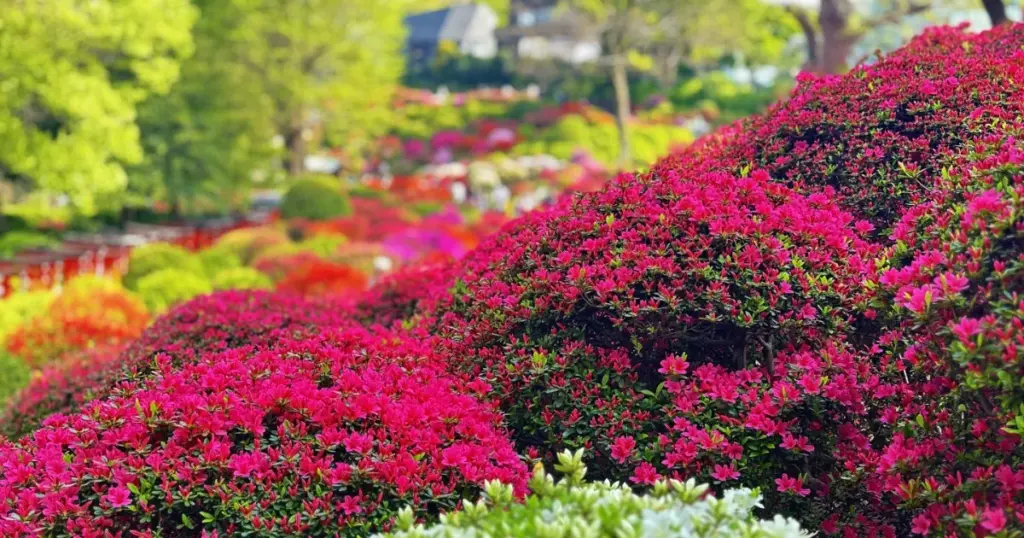
The Bunkyo Azalea Festival runs every year from 1 to 30 April. The shrine's azalea garden, with about 3,000 bushes of 100 varieties, is open from 9:00 to 17:30 during the festival, for a donation of ¥500 to ¥1,000 depending on the day and the state of the flowers.
The shrine grounds stay free, and there are stalls and performances on weekends.
Shrine Hours
The Karamon gate in front of the main hall opens early and closes in the late afternoon, with hours that change by season, 5:30 to 17:30 in October and 6:00 to 17:00 in November and December. The amulet office is open 9:30 to 17:00 in October.
The shrine's main festival is on 21 September.
A Half-Day Walking Route
The easiest route runs from Nippori Station in the north to Nezu Station in the south, about 2 to 3 kilometres of mostly flat or downhill walking. At a family pace, with snacks and a shrine visit, it takes about 3 to 4 hours.
- JR Nippori Station (West Exit). Walk through Yanaka Cemetery and its cherry avenue.
- Asakura Museum of Sculpture (optional, and closed on Mondays and Thursdays).
- Yuyake Dandan. Stop at the top for the view.
- Yanaka Ginza. Stop for snacks and look for the wooden cats.
- Hebimichi ("snake road"). This winding back lane toward Nezu is quieter than the main road.
- Nezu Shrine. Walk through the torii tunnel and, in April, see the azaleas.
- Nezu Station (Tokyo Metro Chiyoda Line), about 5 minutes from the shrine.
From Nezu you can take the Chiyoda Line one stop to Yushima, or walk about 15 minutes uphill to Kan'ei-ji temple and on into Ueno Park.
Yanaka and Nezu with Children
Yanaka and Nezu are good for children who like walking, snacks and animals, and less suited to toddlers in strollers, because of the steps, slopes and narrow pavements.
- Strollers. The shopping street and Nezu Shrine's main paths are manageable, but Yuyake Dandan, some temple lanes and the Asakura Museum are not, so a baby carrier is easier.
- Things to find. The wooden cats, real cats, the torii tunnel and the koi in the pond at Nezu Shrine give children a reason to keep walking.
- Toilets. There are few on the streets, so use the stations, Nezu Shrine and the museum.
- Hills. The walk is downhill from Nippori to Nezu, and doing it the other way means climbing.
- When to go. A weekday morning is calmest, while weekend afternoons are crowded on Yanaka Ginza.
If you would like a day in Ueno and Yanaka planned around your children's pace, our private Tokyo tour with kids includes the route, the snacks and the stops for rest, and you can see all our tours in Tokyo. For more of the city, see things to do in Tokyo with kids.
How to Get to Yanaka and Nezu
Yanaka is best reached from JR Nippori Station and Nezu from Nezu Station on the Tokyo Metro Chiyoda Line. Sendagi Station, between them on the same line, is handy for both.
| Station | Lines | Best for | Walk |
|---|---|---|---|
| Nippori | JR Yamanote, Keihin-Tohoku, Joban, Keisei | Yanaka Cemetery, Yanaka Ginza | 5 min to Yanaka Ginza |
| Sendagi | Tokyo Metro Chiyoda | Yanaka Ginza, Nezu Shrine | 5 min to each |
| Nezu | Tokyo Metro Chiyoda | Nezu Shrine | 5 min |
| Todaimae | Tokyo Metro Namboku | Nezu Shrine | 5 min |
From Ueno, Nippori is two stops north on the JR Yamanote Line. Nippori is also a stop for the Keisei Skyliner from Narita Airport, so Yanaka can make a gentle first afternoon in Tokyo if you are staying nearby.
Frequently Asked Questions
- Is Yanaka worth visiting?
-
Yes, if you want to see an older, quieter Tokyo. Yanaka has pre-war streets, temples, a small shopping street and Nezu Shrine, all free and close together.
- How long do you need in Yanaka and Nezu?
-
Three to four hours covers Yanaka Cemetery, Yuyake Dandan, Yanaka Ginza and Nezu Shrine at a relaxed pace. Add an hour for the Asakura Museum of Sculpture.
- How do I get to Yanaka Ginza?
-
Walk about 5 minutes from the West Exit of JR Nippori Station, down the Yuyake Dandan steps, or 5 minutes from Sendagi Station on the Tokyo Metro Chiyoda Line.
- Is Nezu Shrine free?
-
Yes. Entry to the shrine is free. During the azalea festival in April, the azalea garden asks for a donation of ¥500 to ¥1,000, depending on the day.
- When is the Nezu Shrine azalea festival?
-
The Bunkyo Azalea Festival runs from 1 to 30 April. The flowers move from early to late varieties through the month, and the garden is open 9:00 to 17:30.
- Is Yanaka good for kids?
-
Yes, for children who can walk. They usually like the snacks, the wooden cats, the torii tunnel and the koi pond. Steps and narrow lanes make a stroller hard in places.
Sources
https://www.yanakaginza.com/%E8%B0%B7%E4%B8%AD%E3%81%8E%E3%82%93%E3%81%96%E3%81%AB%E3%81%A4%E3%81%84%E3%81%A6/
https://www.yanakaginza.com/%E3%82%A2%E3%82%AF%E3%82%BB%E3%82%B9/
https://nedujinja.or.jp/about/
https://nedujinja.or.jp/openclose/
https://nedujinja.or.jp/access/
https://www.city.bunkyo.lg.jp/b014/p003947.html
https://www.taitogeibun.net/asakura/guidance/nyukanryo/
Plan a Private Day with a Local

Every tour is private, for your group only, and planned with you before you arrive. From US$550 per group for a day on foot in Tokyo or Yokohama, or from US$890 for a day trip by train to Kamakura, Hakone or Mt. Fuji. Travelling with children? See our Tokyo private tour with kids.
Free Consultation

Japan Trails Newsletter
Free Newsletter Sign‑Up
Subscribe to our newsletter and receive a handpicked list of restaurants that Japanese locals go to.
-
 Tea Ceremony in Asakusa: 4 Experiences Compared
-
 Things to Do in Akihabara: A Family Guide to Tokyo's Anime and Game Town
You might also like
-
 Kaneiji Temple, Ueno: A Visitor's Guide
-
 Ameyoko Market, Tokyo: A Guide for First-Time Visitors
-
 National Museum of Nature and Science, Ueno (Tokyo): Visitor Guide with Kids
-
 National Museum of Western Art, Tokyo: A Visitor's Guide
-
 Ueno Zoo Tokyo: A Family Guide for 2026
-
 Kappabashi Street: Tokyo's Kitchen Town, with Kids
-
 Things to Do in Ueno, Tokyo: A Family Guide
-
 Tokyo National Museum: A Visitor Guide for Families