Ueno Park Tokyo: Complete Guide 2026

Ueno Park is Japan’s most visited city park with over ten million annual visitors.
The park blends history, museums, temples, and natural landscapes.
Ueno Park Overview

Ueno Park in Tokyo is one of the city’s most popular green spaces, combining museums, temples, a zoo, and seasonal cherry blossoms in one easy-to-walk area.
Just a few minutes from Ueno Station, it’s a perfect first stop for visitors who want to experience classic Tokyo culture, nature, and history in a single neighborhood.
From Ueno Zoo and Shinobazu Pond to Tokyo National Museum and quiet shrine paths, the park works well as a half-day or full-day itinerary for international travelers.
Ueno Park Tokyo History

Ueno Park began as the grounds of Kaneiji Temple during the Edo Period.
The Battle of Ueno in 1868 destroyed the temple during the transition to modern Japan.
In 1873, Ueno opened as one of Japan’s first Western-style public parks.
The Kaneiji Temple Legacy and Spiritual Significance
Kaneiji Temple was founded in 1625 to protect Edo Castle from evil spirits from the northeast.
The temple grew into one of Japan’s wealthiest and most influential temples over two centuries.
Preserved Kaneiji buildings and Toshogu Shrine today reveal the spiritual significance of this sacred ground.
The Battle of Ueno: When the Shogunate Fell (1868)
The Battle of Ueno marked the final military conflict between the Meiji government and Tokugawa loyalists.
Artillery and gunfire destroyed Kaneiji Temple’s centuries-old structures.
From this destruction emerged an opportunity to create a modern public park.
Opening as Japan’s First Western-Style Public Park (1873)
In 1873, Ueno opened as one of Japan’s first public parks available to all citizens.
The government designed the park combining Japanese and Western aesthetic principles.
Strategically placed cultural institutions transformed Ueno into a comprehensive cultural complex.
Best Museums in Ueno Park

Ueno Park houses six major museums with world-class collections spanning thousands of years.
The Meiji government deliberately placed these institutions to create a cultural capital.
International visitors can experience diverse art and culture without extensive travel.
- Tokyo National Museum:
Japan’s oldest and largest national museum - National Museum of Western Art:
Le Corbusier-designed building with European art - National Museum of Nature and Science:
Interactive exhibits on science and natural history - Tokyo Metropolitan Art Museum:
Contemporary and modern art exhibitions - Shitamachi Museum:
Edo-period cultural heritage displays - Ueno Royal Museum:
Special exhibition venue for art
Tokyo National Museum
The museum was established in 1872 during the Meiji Restoration.
It houses Japan’s largest collection of art and antiquities.
For detailed information, consult our dedicated Tokyo National Museum guide.
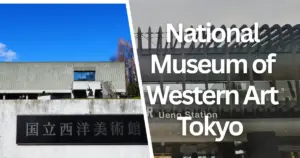
National Museum of Western Art
Le Corbusier designed this distinctive building, completed in 1959.
The museum features Impressionist and Post-Impressionist masterpieces.
The building and art combine to create an exceptional aesthetic experience.
National Museum of Nature and Science
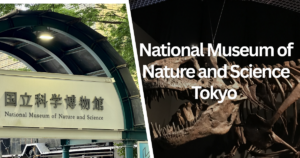
The museum combines traditional exhibits with interactive learning experiences.
Founded in 1872, it covers evolution, paleontology, physics, and technology.
It emphasizes Japan’s natural environment and scientific achievements.
Cherry Blossom Viewing at Ueno Park

Ueno Park contains over one thousand cherry trees with centuries of history.
The park attracts over two million visitors during late March and early April.
Hanami (flower viewing) parties celebrate spring through traditional Japanese cultural practice.
Experience Ueno Park’s Thousand Cherry Trees in Full Spring Bloom
The hanami tradition involves gathering under trees to eat, drink, and socialize.
Evening illuminations create ethereal nighttime viewing experiences.
For international visitors, experiencing hanami reveals dimensions of Japanese cultural values.
Best viewing strategies:
- Arrive early morning (before 8 AM) to avoid crowds
- Visit on weekdays rather than weekends
- Peak bloom typically occurs early April
- Evening illuminations create different aesthetic experiences
- Second and third weeks of bloom balance crowds with flower quality
Things to Do in Ueno Park Beyond the Museums
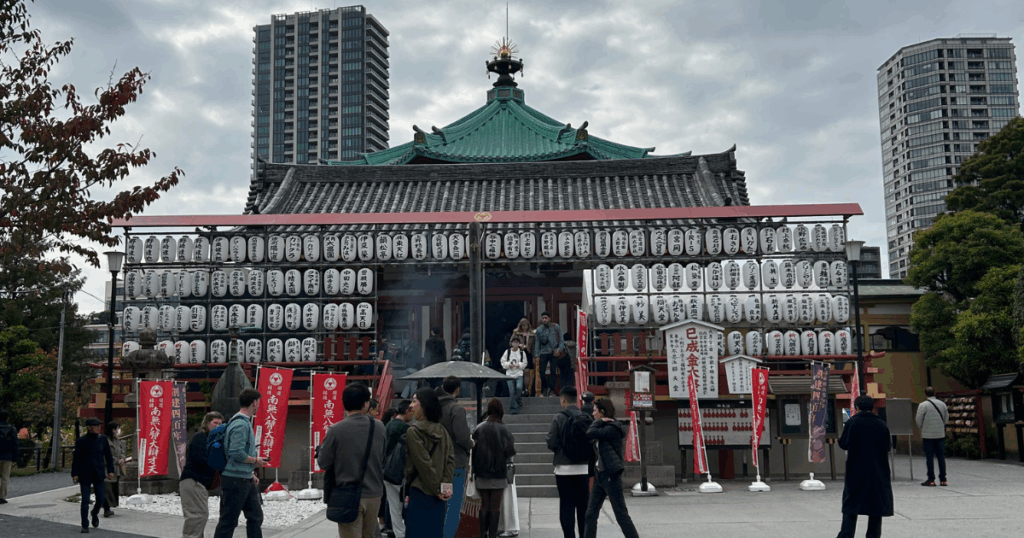
Ueno Park offers temples, shrines, natural areas, and a zoo.
The park satisfies different visitor interests and preferences.
It provides intellectual, spiritual, and recreational experiences for diverse travelers.
Historic Temples and Shrines: Spiritual Landmarks
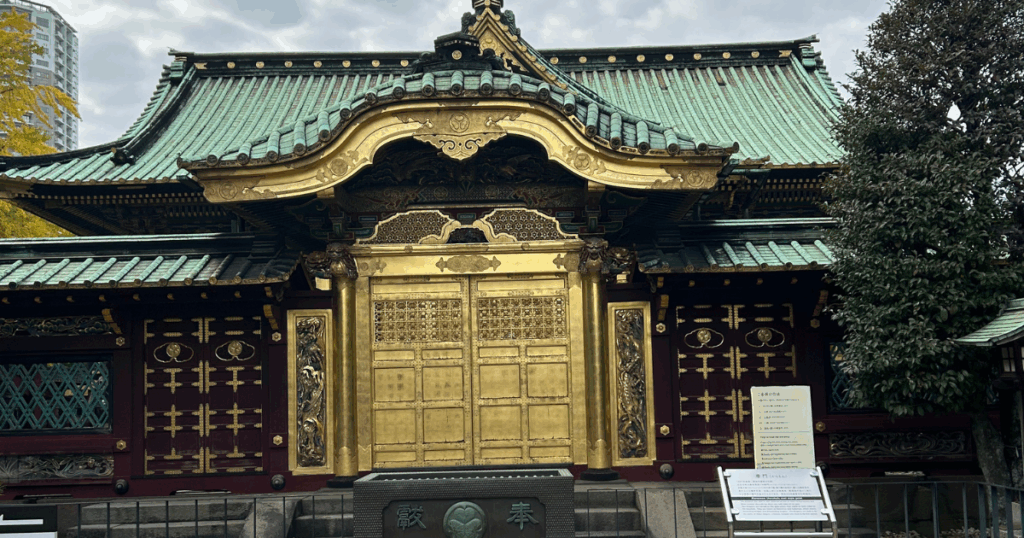
Temples and shrines connect Ueno Park to its pre-modern spiritual past.
They maintain connections to Japanese cultural traditions despite modernization.
Free entry makes spiritual experiences accessible to all visitors.
Notable temples and shrines:
- Ueno Toshogu Shrine (1627):
Honors Tokugawa Ieyasu with Edo-period architecture - Kiyomizu Kannon-do:
Replicates Kyoto’s famous temple - Kan’ei-ji Konpon Chudo:
Reconstructed main hall preserving Edo traditions - Flame of Hiroshima and Nagasaki Memorial:
Peace monument with eternal flame
Shinobazu Pond and Seasonal Natural Beauty
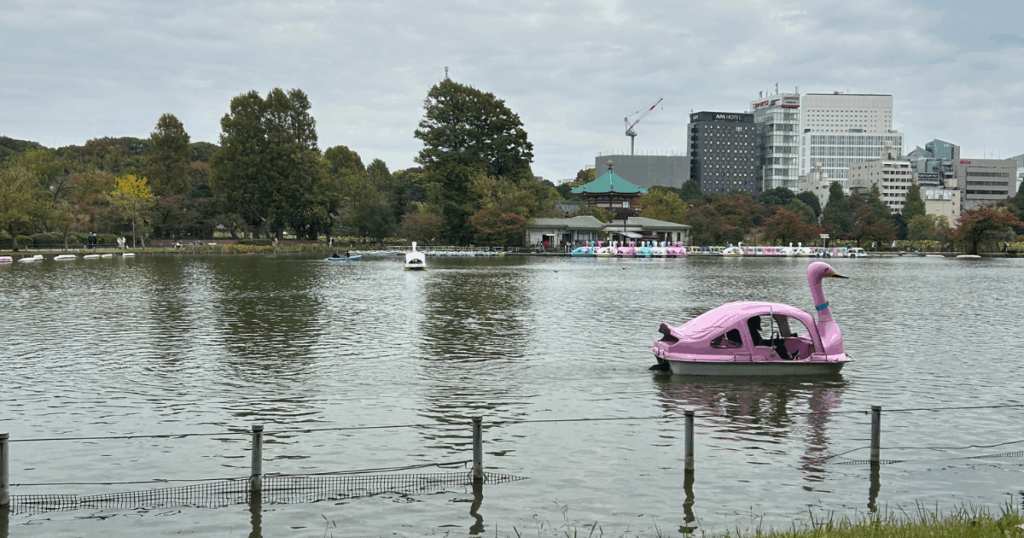
Shinobazu Pond covers 1.1 million square meters divided into three distinct sections.
It was designed as a representation of Lake Biwa.
Different seasons reveal dramatic natural transformations celebrated in Japanese aesthetics.
Ueno Zoo: Japan’s First Zoological Institution
Ueno Zoo was established in 1882 as Japan’s oldest zoo.
The zoo spans 14.3 hectares with over three thousand animals.
Giant pandas Lei Lei and Xiao Xiao, born in 2021, are the zoo’s most famous residents.

Ueno Park : Practical Visitor Information
Practical information helps visitors plan optimal Ueno Park experiences.
- Which train lines serve Ueno Park?
-
JR Ueno Station Park Exit provides direct access. The JR Yamanote line connects to major Tokyo stations. Keisei Skyliner reaches Narita Airport in 60 minutes and subway lines offer alternative access.
- How much does it cost to visit Ueno Park?
-
Park entry is completely free. Museums cost 600-1,200 yen per institution. Ueno Zoo costs 600 yen; children under 12 enter most museums free.
- How many hours do I need for Ueno Park?
-
Full exploration requires two to three days. Half-day visits (4-5 hours) allow one museum plus park strolls. Focus on one or two museums for better understanding than rushing through everything.
Final Thoughts on Ueno Park
Ueno Park integrates history, culture, nature, and spirituality in one destination.
The park reflects Japan’s journey to modernity while honoring heritage.
Over ten million visitors annually choose Ueno as their gateway to understanding Japanese culture.
Ueno Park
Adress
Uenokoen, Taito City, Tokyo 110-0007
Nearest station
Ueno Station (Shinkansen / Keihin-Tohoku / Yamanote / Utsunomiya / Ueno-Tokyo / Takasaki / Jyoban / Ginza)
Japan Trails Newletter

Explore Tokyo with a Local!!

We offer tailored private tours designed for small groups. Prices start from 200 USD per person, and every itinerary can be fully customized.