
Quick answer
- For a first visit, plan 3 days for Tokyo's highlights, 4 days to add Ueno or a hands-on day, and 5 days to add a day trip to Mt. Fuji, Hakone or Nikko.
- Group each day by area. Day 1: Asakusa and the Imperial Palace. Day 2: Shibuya and Harajuku. Day 3: Ueno and Akihabara.
- Get a Welcome Suica or TOURIST PASMO (from ¥1,000) on arrival. A JR Pass rarely pays off for a Tokyo-based trip.
- Stay near Tokyo Station, Ginza or Shinjuku for easy transport, or Asakusa or Ueno for a quieter, older Tokyo.
- Watch the closing days: the East Gardens close on Mondays and Fridays, and Ueno's zoo and museums close on Mondays.
How Many Days Do You Need in Tokyo?
Three days is enough to see the essential Tokyo on a first visit; four to five days lets you do it at an easy pace and add a day trip. With young children, I would plan four or five, because two or three places a day is the right amount, not five.
Three days is enough to get round central Tokyo. If you also want to see the outskirts, add one more day.
Mihiro Ono, founder of Japan Trails
The way to make a short stay work is to give each day one part of the city. Tokyo is huge, and the trains between areas eat time. Keep the old east side (Asakusa, Ueno) and the newer west side (Shibuya, Harajuku, Shinjuku) on different days.
| Trip length | What it covers | Best for |
|---|---|---|
| 3 days | Asakusa and the palace, Shibuya and Harajuku, Ueno and Akihabara | A first look, or Tokyo before Kyoto |
| 4 days | The 3 days plus Kappabashi, Tokyo Station and teamLab or sumo | Families who want slower days |
| 5 days | The 4 days plus Mt. Fuji, Hakone or Nikko | Seeing Japan outside the city |
If you are going on to Kyoto, take the extra day in Tokyo rather than squeezing a day trip in on the day you arrive.
Tokyo Areas at a Glance: How to Choose
Most first-time itineraries are built from the same six or seven areas, and each one fits into half a day or a day. Use this table to decide what to keep and what to drop.
| Area | What it is | Time needed | Closed |
|---|---|---|---|
| Asakusa | Senso-ji, Nakamise, tea ceremony, kimono | Half day | Never (Main Hall closes 17:00) |
| Imperial Palace and Tokyo Station | Palace gardens, Marunouchi, character shops | Half day | East Gardens: Mon and Fri |
| Shibuya and Harajuku | The crossing, Pokémon Center, Meiji Jingu | Full day | Never |
| Ueno | Park, zoo, three major museums | Half to full day | Zoo and museums: Mon |
| Akihabara | Anime, games, arcades | 2 to 4 hours | Never |
| Kappabashi | Kitchenware street, food sample workshop | 2 hours | Many shops: Sun |
Pick by your children's ages as much as by the sights. Toddlers do well in Ueno and the parks; children from about six get the most from Akihabara, Kappabashi and the Pokémon Center. Our things to do in Tokyo with kids guide sorts the whole city by age.
3 Days in Tokyo: The First-Time Itinerary
These three days cover the places almost every first visit includes, in an order that keeps the train time short.
Day 1: Asakusa, Senso-ji and the Imperial Palace
This is the day I run most often with families on their first day in Tokyo, and it is the best introduction to the city I know.
- 9:30 Meet at the hotel and go to Asakusa.
- Morning Walk in through Kaminarimon Gate and along Nakamise to Senso-ji and the five-storey pagoda. Children like drawing an omikuji fortune, 100 yen a go.
- Late morning A tea ceremony in Asakusa of about 45 minutes; long enough for everyone to whisk their own bowl, short enough for small children.
- Lunch In Asakusa.
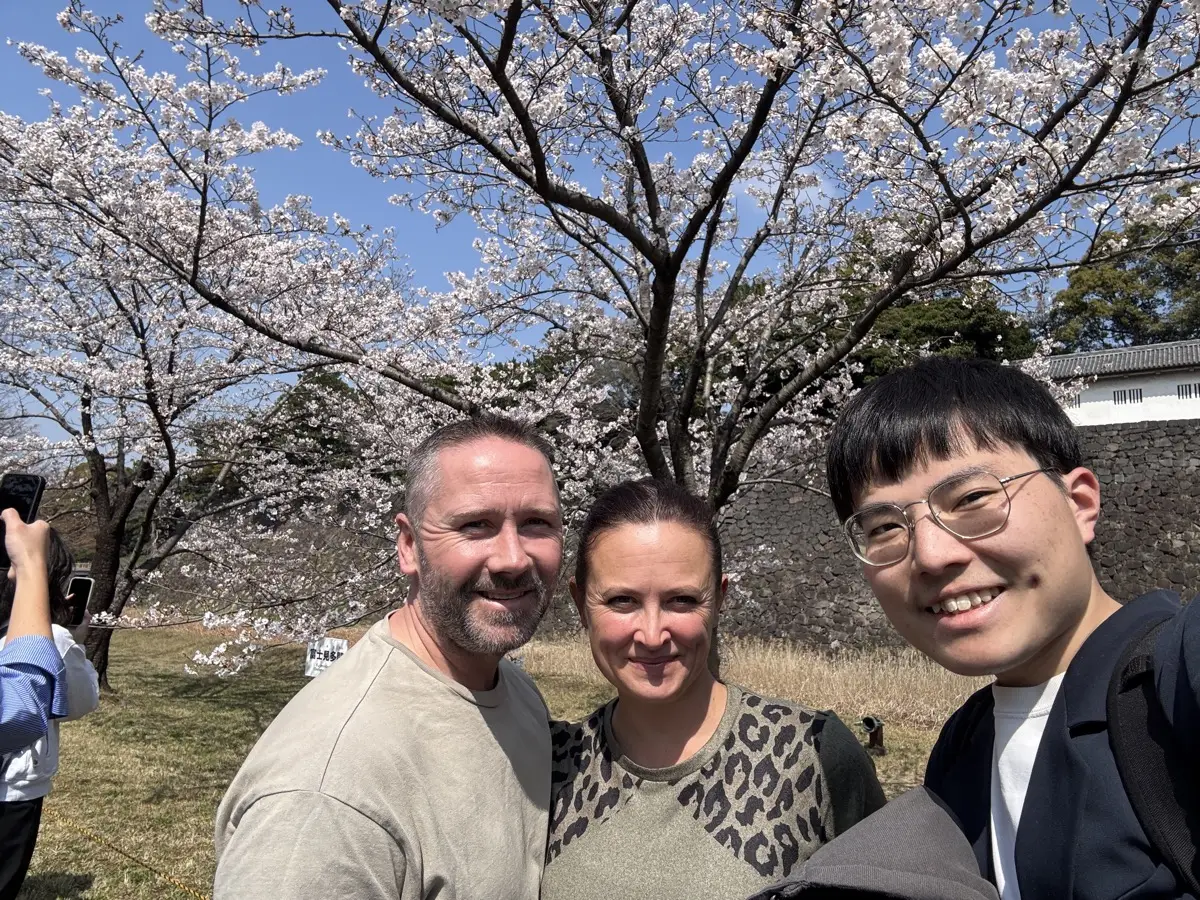
- Afternoon Subway to Otemachi and into the Imperial Palace East Gardens, which are free. They close on Mondays and Fridays; on those days go to Nijubashi bridge in front of the palace instead.
- Late afternoon Tokyo Tower and its Main Deck at 150 metres, finishing around 15:30.
If you want to wear kimono for the day, start an hour earlier and dress first; our kimono rental in Asakusa guide compares prices, including children's plans.
This day as a private walk: this is the route of our Tokyo private tour with kids: six hours on foot and by train, US$550 for up to four people, with no child price.
Day 2: Shibuya, Harajuku and Meiji Jingu
Start at 10:00 sharp at the Pokémon Center and Nintendo TOKYO on the 6th floor of Shibuya PARCO. Within an hour of opening the queues for popular goods grow quickly, so it is worth being there at the door.
Then walk to Shibuya Crossing and the Hachiko statue, both free and a few minutes apart. Have lunch in Shibuya, and take the JR Yamanote Line one stop to Harajuku for Takeshita Street and its crepes and candy shops, then the forest walk to Meiji Jingu. The shrine's gates close at sunset (about 16:40 in October), so do not leave it too late.
If the children still have energy, go back to Shibuya for SHIBUYA SKY at sunset. Child tickets (¥1,200) are only sold at the counter on the day. More ideas are in our guide to the best spots in Shibuya.
This day as a private walk: we can plan Shibuya and Harajuku the same way, with the lifts and the quieter routes worked out in advance, on a private Tokyo day with kids.
Day 3: Ueno and Akihabara
Ueno is the best value day in Tokyo for families. Ueno Zoo opens at 9:30 and is free for children up to the end of primary school; the giant pandas went back to China in January 2026, so do not plan the day around them. Next door, the National Museum of Nature and Science has dinosaur skeletons and free entry for under-18s. Older children who like samurai armour will enjoy the Tokyo National Museum, also free for under-18s. Our Ueno guide puts the park, the museums and Ameyoko market together.
In the afternoon, take the JR line south to Akihabara for anime shops, capsule toys and arcades. Two to three hours is plenty. On Sundays the main street is closed to cars from 13:00.
Do not put this day on a Monday: the zoo and the museums are closed.
This day as a private walk: Ueno and Akihabara also make a good six-hour day with a guide; see our Tokyo private tour with kids.
4 Days in Tokyo: Add Kappabashi, Tokyo Station and a Big Experience
With a fourth day, slow the first three down and add one day of things to make and see up close.
Day 4: Kappabashi, Tokyo Station, then teamLab or sumo
Morning. Kappabashi is an 800-metre street of kitchen shops between Asakusa and Ueno, with knives, tableware and plastic food samples. Children from the first year of primary school can make their own wax tempura and lettuce in a 40-minute food sample workshop (book ahead; preschoolers cannot enter the workshop room). Go Monday to Saturday, as many shops close on Sundays.
Lunch. Tokyo Station for Ramen Street, then Tokyo Character Street, a row of over 30 official character shops including the Pokémon Store, the JUMP SHOP and the Tomica and Plarail shop.
Afternoon. teamLab Planets in Toyosu, which is walked barefoot through water (children 4 to 12 pay ¥1,500; tickets online only). In January, May and September, swap it for an afternoon of sumo at Ryogoku Kokugikan; everyone aged four and over needs a ticket.
This day as a private walk: Kappabashi and Tokyo Station fit into a private walking day, with the workshop booked for you.
5 Days in Tokyo: Add a Day Trip
On a fifth day, leave the city. The three classic day trips are each 1.5 to 2 hours away, so start early.
Day 5: Mt. Fuji, Hakone or Nikko
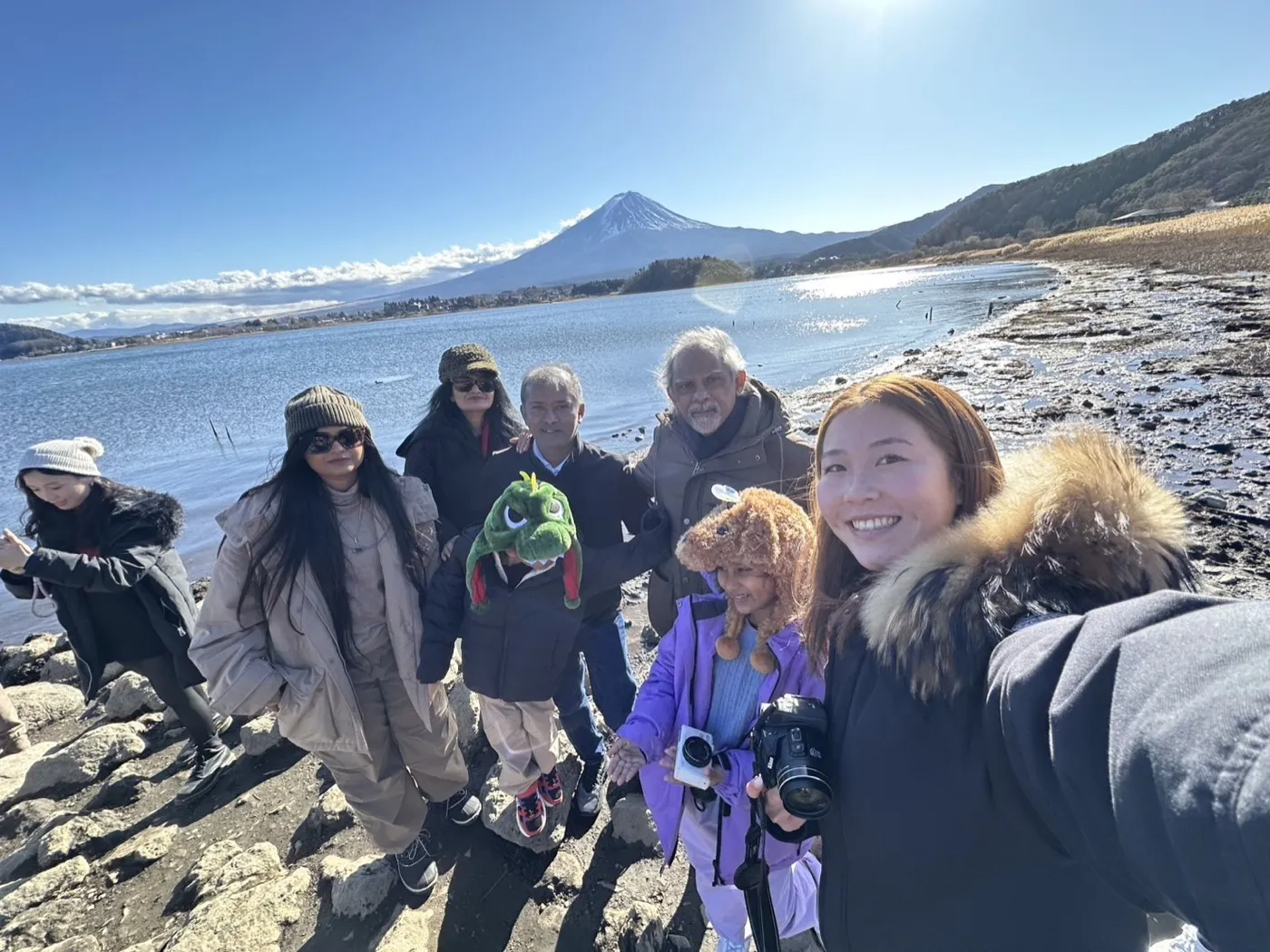
- Mt. Fuji and Lake Kawaguchi. Under two hours away if you leave early. The highway bus from Shinjuku starts at ¥2,200 for adults. The mountain is clearest from October to February and in the morning. Our Mt. Fuji day trip guide compares train, bus and car.
- Hakone. The Romancecar from Shinjuku takes about 80 minutes, and the day is the Hakone loop: mountain train, cable car, ropeway and a pirate ship across Lake Ashi. See our Hakone day trip guide.
- Nikko. About 1 hour 50 minutes from Asakusa by Tobu limited express, for Toshogu Shrine and Shinkyo Bridge. See our Nikko guide.
For more options, including Kamakura and Mount Takao, see our day trips from Tokyo.
This day as a private trip: our Mt. Fuji private tour for families is eight hours by private car with hotel pick-up and free child seats, from US$990 for up to five people. For Hakone, Kamakura or a mix, we build the day as a custom private tour.
Tokyo Itinerary with Kids: What to Change
The itinerary above works for families as it is; the changes are about pace, not places.
- Two or three stops a day. Put lunch in the middle and the train ride where the nap usually falls.
- Put the children's favourite last. Anime and character shops, such as the Pokémon Center or the JUMP SHOP, are the reliable wins. Places that are too specialised, or have nothing much to look at, tend to fall flat.
- Swap for rain and heat. June is the rainy season and July to September can pass 35°C. Move the open-air stops to another day, use museums, Character Street and department stores, and take a break every hour.
- Tell restaurants about allergies when you book, not at the table.
Our Tokyo with kids guide covers child prices, strollers and baby rooms in detail.
Getting Around Tokyo
Trains and subways are the fastest way around Tokyo, and one IC card covers them all. Get a Welcome Suica or TOURIST PASMO on arrival: no deposit, from ¥1,000, valid for 28 days. Children aged 6 to 11 need a child card for half fare, bought with the child's passport. Under-6s ride free, two per paying passenger. Our Suica and PASMO guide explains the options.
From the airport, Haneda is the closer one: the Keikyu Line or the Tokyo Monorail into the city, or the limousine bus straight to the big hotels (¥1,400 to Shinjuku). See our Haneda Airport guide.
A Japan Rail Pass rarely pays off for a Tokyo-based trip with one or two day trips; it suits long loops across the country.
With a stroller, JR stations are easy. Some subway stations have fewer lifts, so check which exit has one before you set out rather than on the platform.
Where to Stay in Tokyo for a First Visit
For a first trip, stay on or near the JR Yamanote Line, which loops round all the main areas. Four bases work well:
| Area | Why stay here | Good for |
|---|---|---|
| Tokyo Station and Ginza | The most central; Shinkansen, airport trains and the palace on foot | Short stays, onward travel |
| Shinjuku | Huge choice; buses to Fuji and trains to Hakone | Day trips west |
| Shibuya | Shops and restaurants late; Harajuku one stop away | Teenagers |
| Asakusa and Ueno | Older, quieter streets; walk to Senso-ji and Ueno Park | Families with small children |
Pick a hotel within five minutes of a station, and try not to move hotels during a short stay. If you are moving on to Kyoto, Tokyo Station makes the Shinkansen morning easy.
How Much Does a Tokyo Trip Cost?
Many of Tokyo's best sights are free, which keeps a family itinerary cheaper than people expect. Senso-ji, the Imperial Palace East Gardens, Meiji Jingu, Shibuya Crossing and Hachiko cost nothing, and Ueno's museums are free for under-18s.
| Item | Adult | Child | Note |
|---|---|---|---|
| IC card (Welcome Suica / TOURIST PASMO) | From ¥1,000 | Child card | Top up as you go |
| Ueno Zoo | ¥600 | Free to end of primary school | Closed Mondays |
| Tokyo National Museum | ¥1,000 | Under 18 free | Closed Mondays |
| teamLab Planets | Date-based | 4–12: ¥1,500 | Online only |
| Conveyor-belt sushi | From about ¥120 a plate | Same | See our sushi guide |
| Highway bus to Mt. Fuji | From ¥2,200 | From ¥1,100 | One way |
Carry ¥10,000 to ¥20,000 in cash a day for a family; cards work in most hotels, chains and stations, and tipping is not expected. Our Japan travel tips cover money, tax-free shopping and the 2026 changes.
Best Time to Visit Tokyo
Spring (late March to early April) and autumn (October to November) are the most comfortable, and also the busiest. Winter is cold, dry and clear, and the best time to see Mt. Fuji. June is the rainy season, and July and August are hot and humid.
Avoid Japanese school holidays if you can: late March to early April, Golden Week (late April to early May), mid-August and New Year, when trains and theme parks fill up. In late November, the Jingu Gaien Ginkgo Avenue turns gold, a short ride from Harajuku on the Day 2 route.
If you would like us to plan the days around your dates and children, see all our tours in Tokyo.
Frequently Asked Questions
Is 3 days in Tokyo enough?
Yes, for a first look. Three days covers Asakusa and the palace, Shibuya and Harajuku, and Ueno and Akihabara. Add a fourth day to slow down with children, and a fifth for Mt. Fuji or Hakone.
What should I not miss on a first trip to Tokyo?
Senso-ji in Asakusa, Shibuya Crossing, Meiji Jingu, the Imperial Palace East Gardens and a view from a tower. With children, add the Pokémon Center, Ueno Zoo and a hands-on experience such as a tea ceremony.
Where is the best area to stay in Tokyo for first-timers?
Near Tokyo Station or Ginza for transport, Shinjuku for day trips west, or Asakusa and Ueno for a calmer base with small children. Stay within a few minutes of a station on the Yamanote Line.
Do I need a JR Pass for a Tokyo itinerary?
Usually not. For a Tokyo-based trip, a Welcome Suica or TOURIST PASMO covers trains, subways and buses. The JR Pass pays off only for long trips across Japan within seven days.
Can you visit Mt. Fuji as a day trip from Tokyo?
Yes. Lake Kawaguchi is under two hours away if you leave early, by highway bus from Shinjuku or by private car. Go from October to February for the clearest views.
What is the best Tokyo itinerary with kids?
The same areas at a slower pace: two or three stops a day, lunch in the middle, and indoor options for rain or heat. Start with Asakusa, keep Ueno off Mondays, and end days at a character shop.
Sources
- https://www.senso-ji.jp/english/
- https://www.kunaicho.go.jp/e-event/higashigyoen02.html
- https://www.tokyo-zoo.net/ueno/visitor-info/tickets/index.html
- https://www.tokyometro.jp/lang_en/ticket/guide/age/index.html
- https://www.jreast.co.jp/en/multi/welcomesuica/purchase.html
- https://www.pasmo.co.jp/en/tourist-pasmo/
- https://shibuya.parco.jp/floor/detail/?f=6f