Hachikō Statue in Shibuya – Tokyo’s Icon of Loyalty, Legacy & Film
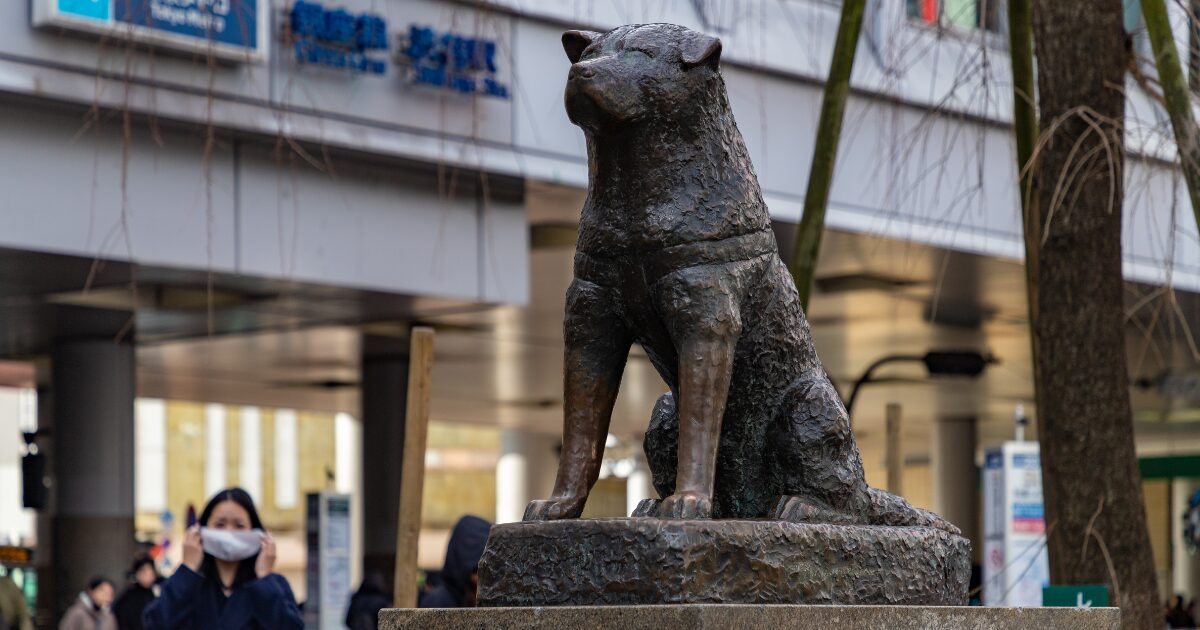
Explore the legendary tale of Hachikō.
his enduring statue in Shibuya, and the movies inspired by his devotion. This guide is designed for international visitors to Tokyo, blending history, film, and travel tips for an unforgettable experience.
Japan Trails Newletter

The Real Story of Hachikō
Origins and Daily Routine
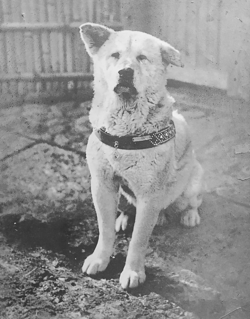
Hachikō was born on November 10, 1923, in Ōdate City, Akita Prefecture. In 1924, he was adopted by Professor Hidesaburō Ueno of the University of Tokyo and lived in Shibuya, Tokyo. Every evening, Hachikō greeted Ueno at Shibuya Station after his commute—an act recognized by local commuters early on.
Tragedy and Unbroken Devotion
On May 21, 1925, Ueno suddenly died of a cerebral hemorrhage during work. Hachikō, unaware of his owner’s passing, returned to the station at the same time every day for nearly 10 years, until his own death on March 8, 1935.
The Hachikō Statue: History & Symbolism
From Bronze to Reincarnation
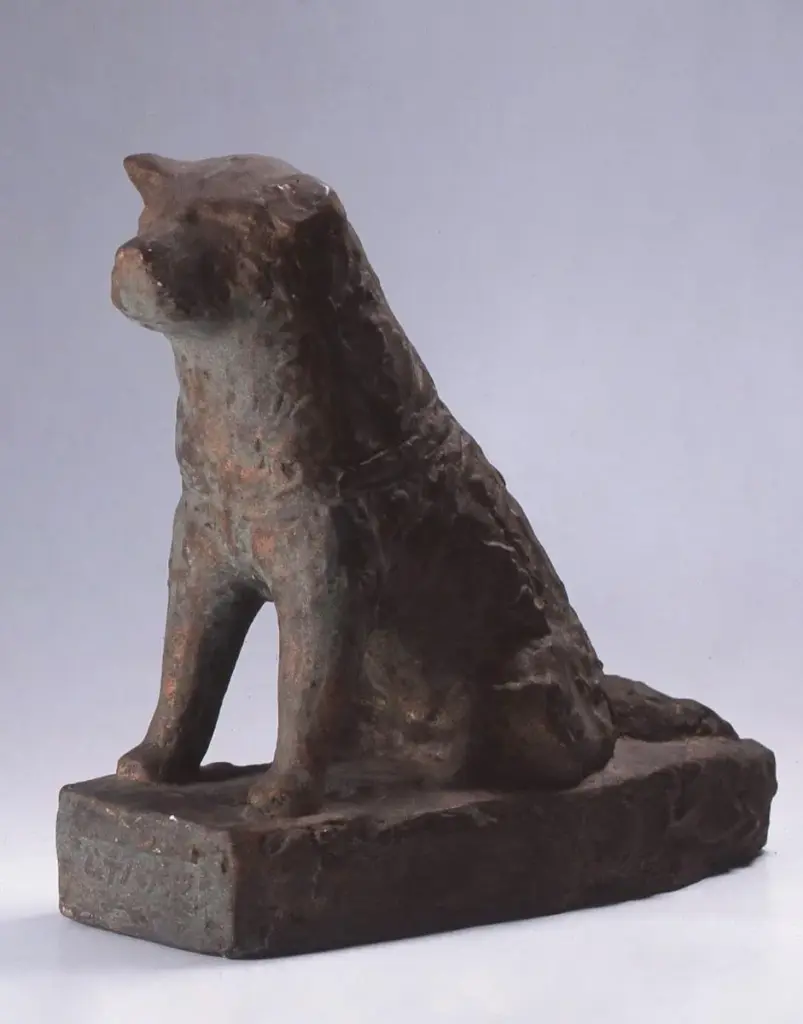
- 1934: The first bronze statue by sculptor Teru Andō was erected at Shibuya Station, with Hachikō present.
- WWII Era: That original statue was melted down for metal during wartime shortages.
- August 1948: A new statue by Takeshi Andō (son of the original artist) was installed and stands today.
This bronze figure has become one of Japan’s most famous public artworks—a beloved meeting point for locals and tourists alike.
Modern Significance
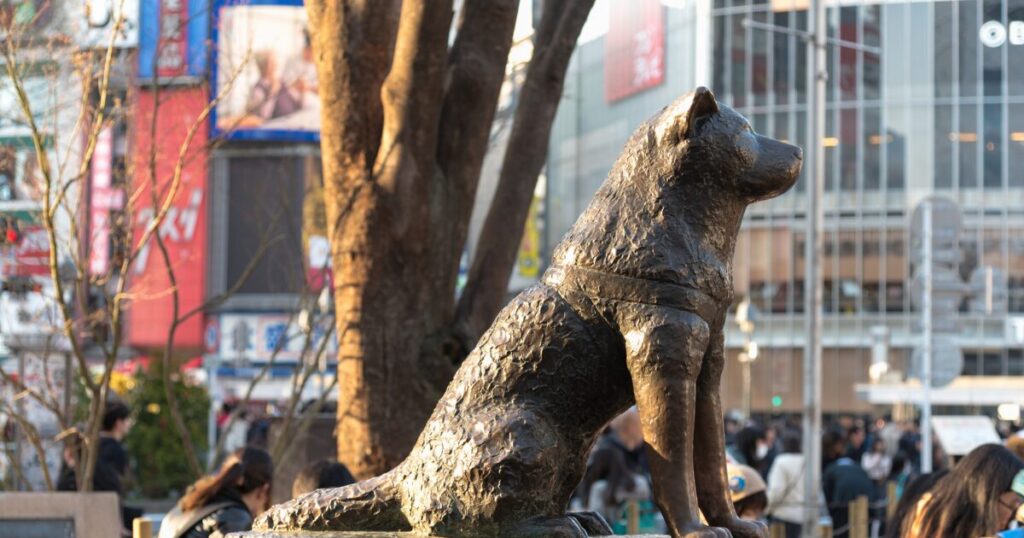
The statue commemorates Hachikō’s loyalty and serves as a daily reminder of his story.
In 2023—Hachikō’s 100th birth anniversary—Shibuya held special events to honor him, reinforcing his modern cultural relevance.
Hachikō in Film: Japanese and Hollywood Versions
Hachikō Monogatari (1987, Japan)

Directed by Seijirō Kōyama and starring Tatsuya Nakadai, this Japanese classic faithfully recreates Hachikō’s life and era, including his early days, Ueno’s death, and the dog’s vigil across nine years until 1935. It was the top domestic film of 1987 in Japan.
Hachi: A Dog’s Tale (2009, USA/UK)

An American adaptation directed by Lasse Hallström and starring Richard Gere. It transposes the story to modern-day Rhode Island, changing names but capturing the same emotional loyalty. The movie grossed over $45 million internationally and brought Hachikō’s story to a global audience.
Following its release, a replica statue was erected in Woonsocket, Rhode Island, mimicking the Shibuya monument at the movie’s fictional train station.
Film Comparisons and Visitor Feedback
Online viewers often debate preferences between the Japanese original’s authenticity and the Hollywood version’s international accessibility.
Reddit users note both versions are emotionally moving for visitors planning to see the statue in person.
Planning Your Visit to the Statue
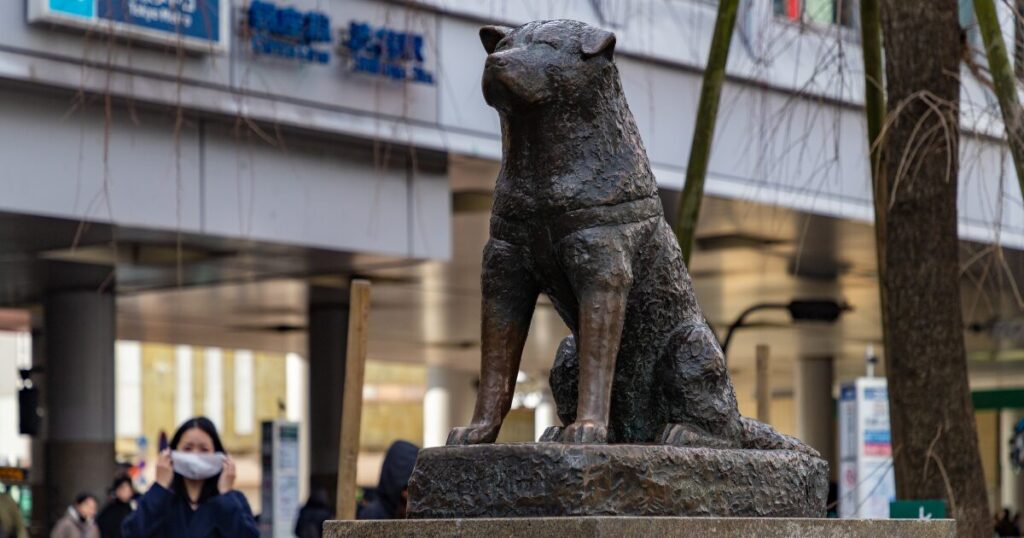
Where & How to Get There
The statue stands in Hachikō Square, just outside the Hachikō Exit of JR Shibuya Station. The Square is adjacent to the famous Shibuya Scramble Crossing—a great photo opportunity.
Visiting Tips: Timing & Etiquette
- Open Access: The statue is in a public plaza—no entry fee and accessible 24/7.
- Best Times: Early morning or late evening avoid crowds; midday can be busy with crowds coming for photos.
- Respect: On March 8 each year, a remembrance ceremony is held. Visitors often leave flowers quietly and avoid loud noise near the statue.
Nearby Attractions & Experiences Table
Here are some great places you can check out while visiting the Hachikō Statue.
| Attraction | Description |
|---|---|
| Shibuya Scramble Crossing | World‑famous pedestrian crossing right next to Hachikō statue |
| Hachikō Mosaic Mural | Inside the station; depicts Hachikō’s family in an impressive mosaic art |
| Hachikō-Ueno Statue (UTokyo) | Bronze statue on campus showing their reunion, unveiled Mar 9 2015 |
| Aoyama Cemetery | Hachikō’s ashes buried beside Professor Ueno |
| National Museum of Nature and Science (Ueno) | Taxidermied Hachikō’s fur and organs exhibited for historical interest |
Cultural Insights: Why Hachikō Resonates
Embodying Loyalty and Value in Japanese Culture
Hachikō’s daily vigil for nearly a decade made him a national symbol of loyalty, devotion, and emotional endurance—values deeply rooted in Japanese society. His legacy is taught in schools, referenced in media, and memorialized nationwide.
Global Influence of the Story
Thanks in part to both the 1987 Japanese film and the 2009 Hollywood remake, Hachikō’s emotional tale has crossed borders. Statues honoring him now exist not only in Shibuya and Ōdate, but also in Woonsocket, Rhode Island—a testament to his global appeal.
Celebrations & Merchandise

- November 10, 2023: Events held in Akita and Shibuya to commemorate the 100th anniversary of Hachikō’s birth, including a hologram of the dog at his hometown museum.
- Souvenirs: Shops near Shibuya offer Hachikō-themed goods—plush toys, snacks, and collectibles. Some proceeds support Akita dog preservation efforts.
Visitor Checklist & Practical Advice
Quick Guide
- Address: Shibuya Station, Hachikō Exit → Hachikō Square
- Hours: Always open, free to access
- Best Photo Time: Early morning or evening
- Nearby: Scramble Crossing, shopping, cafés, art installations
- Etiquette: Quiet & respectful, especially around ceremonies
- Special Events: March 8 memorial; periodic exhibits celebrating anniversaries
Travel Tips
- Avoid crowded times like weekend evenings; keep valuables secure in busy areas
- If exiting the station from Tokyo Metro lines, look for Hachikō Exit or Exit 8—or ask station staff if lost
- During rainy season bring an umbrella; summer months can be hot—stay hydrated
Why add Hachikō to your Tokyo itinerary?
Visiting the statue is more than sightseeing—it’s experiencing a poignant piece of Japanese history, culture, and emotion. Whether you’re a film fan who’s watched Hachikō Monogatari or Hachi: A Dog’s Tale, or simply curious about Japanese culture, the statue is a silent storyteller. It’s especially meaningful for families, dog lovers, and culture enthusiasts—and it costs nothing, fits easily into any day schedule, and offers a moment of reflection amid vibrant Shibuya.
So when you next visit Tokyo, make a point to stop by Hachikō Square. Pause, remember the legend, and perhaps watch or re-watch one of the films before you go—it makes standing near the statue all the more powerful. Say softly—to yourself, or with companions—“Arigatō, Hachikō.”

Japan Trails Newletter
Explore Tokyo with a Local!!

We offer tailored private tours designed for small groups. Prices start from 200 USD per person, and every itinerary can be fully customized.