Imperial Palace Tokyo: A Complete Visitor Guide

The Imperial Palace sits at the center of Tokyo, offering visitors a rare blend of imperial history and green space amid the urban landscape.
Unlike typical tourist sites, it remains an active royal residence, which means access to certain areas is restricted.
Understanding its layout and rules helps visitors plan effectively and avoid misunderstandings.
Imperial Palace Tokyo Overview

The Imperial Palace occupies the former site of Edo Castle, which was Japan’s political center for over two centuries, and now serves as the Emperor’s official residence.
This dual role as both historical site and active residence explains why some areas feel open while others are restricted.
The grounds span over one square kilometer and remain surprisingly quiet thanks to moats, greenery, and preservation policies.
From Edo Castle to the Imperial Palace
Edo Castle was built in the 15th century and became the shogunate’s seat of power in 1603, governing Japan for over 260 years and transforming Edo into a major city.
After the 1868 Meiji Restoration, the Emperor moved from Kyoto and the castle became the Imperial Palace.
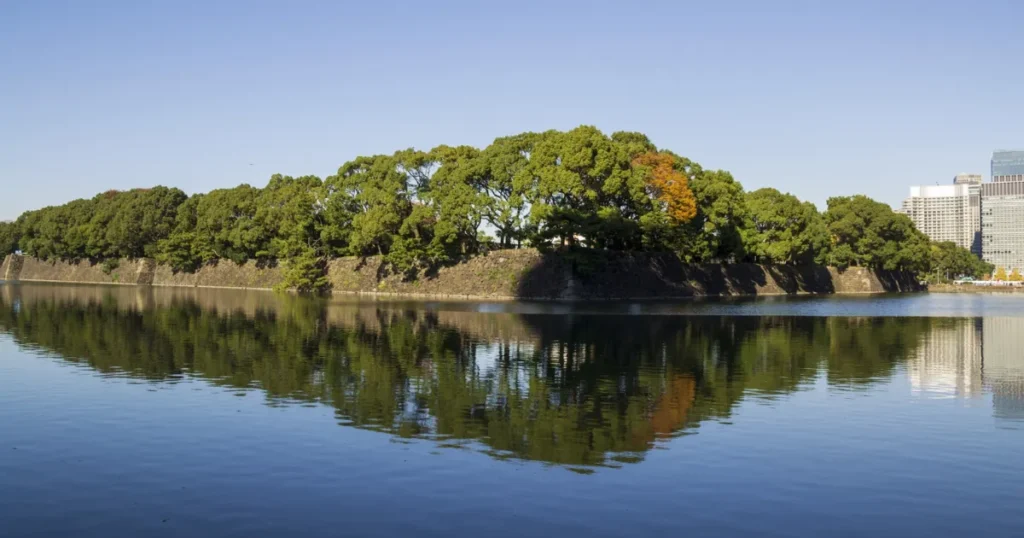
While most original structures were lost to fires, earthquakes, and air raids, the surviving stone walls, moats, and gates offer a direct connection to Japan’s samurai-era history.
The Imperial Palace in Modern Japan
The Imperial Palace serves both as a ceremonial venue for state events and imperial rituals and as the Emperor’s residence.
Selected areas are intentionally opened to the public to foster cultural connection and transparency.
This careful balance between privacy and accessibility sets it apart from any other historical landmark in Tokyo.
Imperial Palace East Gardens
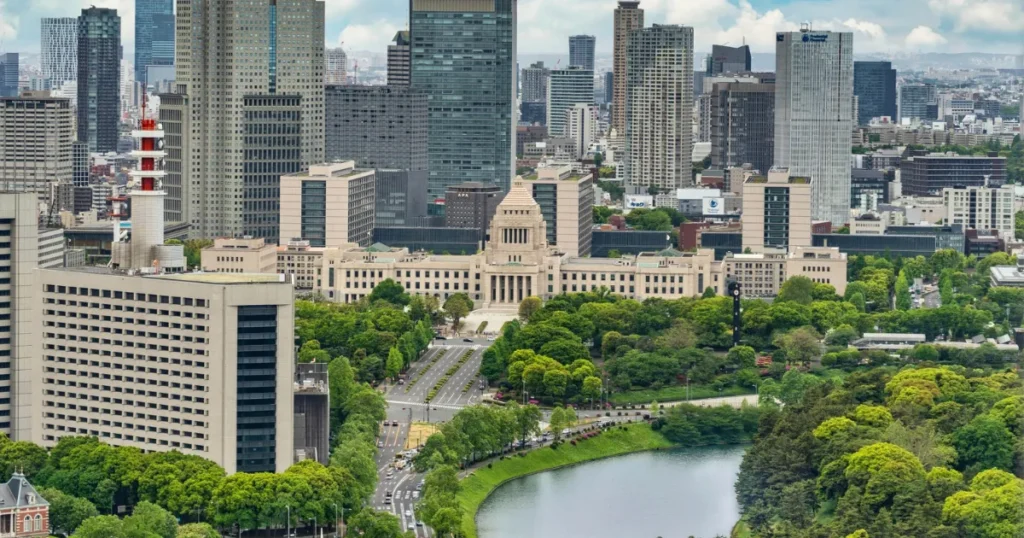
The East Gardens, located on Edo Castle’s former inner citadel, are the most accessible part of the palace complex and free to enter.
They are ideal for visitors who prefer independent exploration without a guided tour.
Entry involves light security checks at designated gates, after which visitors can freely explore along marked paths.
Highlights Inside the East Gardens
The Imperial Palace East Gardens contain some of the most historically significant remnants of Edo Castle.
Unlike traditional Japanese gardens designed purely for aesthetics, this area combines military architecture, administrative spaces, and carefully landscaped scenery.
Understanding these highlights helps visitors visualize how the castle once functioned as the political core of early modern Japan.
Key highlights include:
- Tenshudai: The stone foundation of Edo Castle’s former main keep
- Hyakunin-bansho Guardhouses: Reconstructed guardhouses once used by elite samurai
- Ninomaru Garden: A tranquil garden featuring seasonal plants and ponds
Clear English signage throughout the gardens makes independent exploration easy for international visitors.
Opening Hours, Closed Days, and Entry Rules
The East Gardens are generally open from Tuesday to Sunday and closed on Mondays and Fridays.
However, opening days may change due to national holidays, imperial events, weather conditions, or maintenance work.
For this reason, checking the official schedule shortly before visiting is strongly recommended.
| Item | Details |
|---|---|
| Admission | Free |
| Typical Visit Time | 60–90 minutes |
| Best Time to Visit | Morning |
| Accessibility | Mostly flat, some gravel paths |
Imperial Palace Guided Tours and Reservation System
Guided tours organized by the Imperial Household Agency offer rare access to normally restricted areas, focusing on ceremonial spaces and palace architecture.
Advance planning is essential due to limited capacity.
The tours emphasize historical and institutional aspects rather than the imperial family’s private life, making them ideal for those interested in Japan’s political history.
Imperial Household Agency Guided Tours Explained
Guided tours typically last around 75 minutes and are offered in several languages, including English.
Participants follow a fixed route through courtyards, gates, and formal exterior spaces.
Photography rules are explained at the beginning and must be strictly observed.
This experience is best suited for travelers seeking deeper historical context rather than casual sightseeing.
How to Apply and What to Expect on the Day
Reservations are made online in advance, with a limited number of same-day slots occasionally available.
All participants must present valid identification and arrive early.
Late arrivals are not permitted to join the tour.
Important notes:
- Passport required
- Security screening enforced
- Large luggage not allowed
Kokyo Gaien and Outer Areas Around the Imperial Palace
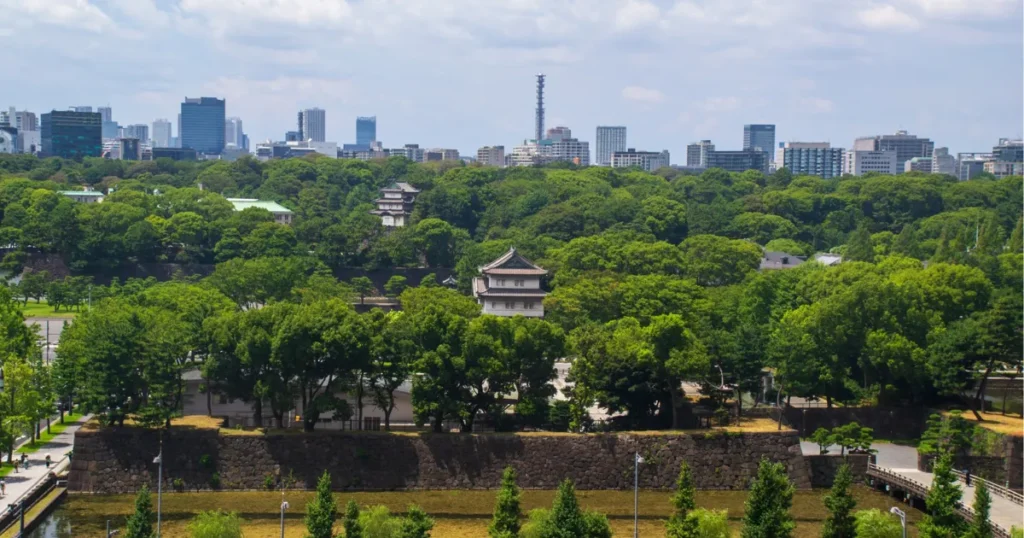
Kokyo Gaien refers to the expansive outer gardens that surround the Imperial Palace.
These areas are open to the public at all hours and serve as a major green space in central Tokyo.
Locals frequently use the paths for jogging and walking, while visitors enjoy open views of moats and city skylines.
The visual contrast between historic stone walls and modern office buildings defines the character of this area.
Best Walking Routes Around Kokyo Gaien
A full loop around the palace grounds measures approximately five kilometers and is one of Tokyo’s most popular jogging routes.
Visitors who prefer shorter walks can explore sections near Tokyo Station or Hibiya Park. Benches and open lawns provide convenient resting spots.
Walking here offers one of the most relaxing sightseeing experiences in central Tokyo.
Seasonal Scenery: Cherry Blossoms and Autumn Leaves
Seasonal scenery is one of the main reasons both locals and travelers return to the Imperial Palace area throughout the year.
The palace grounds showcase a rare balance of natural beauty and urban scenery, particularly during spring and autumn.
Visiting during these seasons offers a completely different atmosphere compared to summer or winter.
How to Access the Imperial Palace Tokyo
The Imperial Palace is exceptionally easy to reach due to its central location in Tokyo.
Multiple train lines and stations surround the grounds, allowing visitors to approach from different directions.
Planning your route in advance helps minimize walking time and confusion.
Public transportation and walking are the most efficient options for most visitors.
Nearest Stations and Recommended Exits
Access to the Imperial Palace Tokyo is exceptionally convenient due to its location at the city’s transportation hub.
Multiple train lines and stations surround the palace, each providing access to different sections of the grounds.
Choosing the correct station and exit can significantly improve your overall visit experience.
Major stations include Tokyo Station, Otemachi Station, and Takebashi Station.
Travel Tips for First-Time Visitors
For first-time visitors, the Imperial Palace may feel larger and more complex than expected.
Distances between gates, gardens, and surrounding districts are longer than typical sightseeing spots in Tokyo.
Proper preparation helps ensure a comfortable visit without unnecessary fatigue.
Things to Do Near the Imperial Palace Tokyo
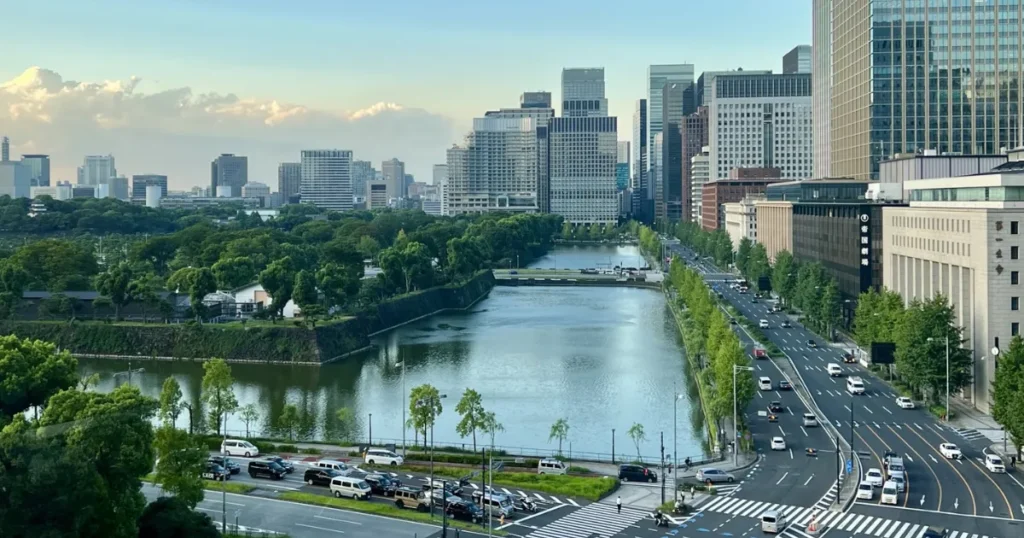
The Imperial Palace is surrounded by some of Tokyo’s most refined and walkable districts.
Combining your palace visit with nearby attractions allows you to create a smooth, efficient itinerary.
Many travelers choose to spend the remainder of the day in Marunouchi or Ginza.
This area is particularly well suited for visitors who prefer exploring on foot.
Marunouchi, Tokyo Station, and Museums Nearby
The area surrounding the Imperial Palace is one of Tokyo’s most historically layered districts.
Marunouchi and Tokyo Station blend modern business culture with early 20th-century architecture.
Nearby museums and cultural facilities make this area ideal for travelers seeking both historical depth and contemporary urban experiences.
This makes the Imperial Palace area suitable for either half-day or full-day exploration.
Suggested Half-Day and Full-Day Itineraries
- Half-day: East Gardens → Marunouchi lunch → Tokyo Station
- Full-day: East Gardens → Kokyo Gaien walk → Hibiya Park → Ginza dinner
Imperial Palace Tokyo Visitor Tips and Etiquette
The Imperial Palace is not a typical sightseeing destination and requires a slightly different approach.
As an active royal site, it carries deep cultural and symbolic significance.
Respectful behavior enhances both your experience and that of others.
Understanding basic etiquette helps visitors avoid unintentional mistakes.
Photography Rules and Restricted Areas
Photography around the Imperial Palace is generally permitted, but it is subject to stricter rules than most tourist sites in Japan.
Certain areas are closely monitored due to security and cultural sensitivity.
Knowing where photography is restricted helps visitors avoid violations and ensures a respectful visit.
Cultural Etiquette for Visiting a Royal Site
The Imperial Palace is not only a tourist destination but also a functioning royal and ceremonial site.
Visitors are expected to behave with a higher level of respect than at typical parks or attractions.
Awareness of this context reflects an appreciation for Japan’s imperial traditions.
FAQ about Imperial Palace Tokyo
- Can you enter the Imperial Palace freely?
-
Only the East Gardens and outer grounds are freely accessible.
- How long does it take to visit the East Gardens?
-
Most visitors spend 60 to 90 minutes.
- Is the Imperial Palace worth visiting on a short stay?
-
Yes. Its central location and calm atmosphere make it one of Tokyo’s most efficient sightseeing spots.
Japan Trails Newletter