Tea Ceremony in Asakusa: 4 Experiences Compared
Quick answer
- Asakusa has tea ceremonies for every budget, from a 40-minute matcha workshop to a 90-minute ceremony in kimono.
- Minamikaze costs ¥8,000 with kimono for about 90 minutes on chairs, and Kakinuma costs from ¥3,850 for about 1 hour in a real tearoom inside a tea utensil shop.
- HANAYAKA charges ¥12,100 for kimono dressing, hair and a tea ceremony, and Kaminari-Issa runs sessions of about 40 minutes where you grind your own tea in a stone mill (book by noon the day before).
Which Tea Ceremony in Asakusa Should You Choose?
For a full ceremony with kimono and chairs, choose Minamikaze. For a real tearoom and a lower price, choose Kakinuma. If kimono is the main event and tea is the bonus, choose HANAYAKA.
With small children or a tight schedule, Kaminari-Issa is the shortest and most hands-on, with sessions of about 40 minutes in which the children grind the tea leaves themselves.
I plan private days in Tokyo for families, and the tea ceremony is part of our classic first day in Asakusa. These four are all within a short walk of Senso-ji, so any of them fits a morning there.
Prices below are from each venue's own website in October 2026. Where a venue does not publish something, I say so rather than guess.
Asakusa Tea Ceremonies Compared
For a first tea ceremony with children, choose the shortest session that fits your morning. For a kimono day, pick one that includes dressing.
| Venue | Price per adult | Length | Good to know |
|---|---|---|---|
| Minamikaze | ¥8,000, kimono included | About 90 min, starts 10:30 or 14:00 | Chairs, no kneeling, English and Chinese |
| Kakinuma | From ¥3,850 | About 1 hour | Four-and-a-half-mat tearoom inside a tea utensil shop, closed Mondays |
| HANAYAKA | ¥12,100 with kimono, dressing and hair | Length not stated, includes dressing | Children's kimono plans, stroll Asakusa in kimono afterwards |
| Kaminari-Issa | Not listed on its site, check when booking | About 40 min, slots 11:00 to 16:00 | Stone-mill grinding, book by noon the day before |
None of the four states a minimum age on its own website. Tell them your children's ages when you book, and ask whether there is a child price.
What Happens at a Tea Ceremony
A tea ceremony for visitors usually follows the same order, whichever venue you choose.
- A short introduction to the tools (the bowl, the bamboo whisk, the tea scoop and the kettle) and the meaning behind the ceremony.
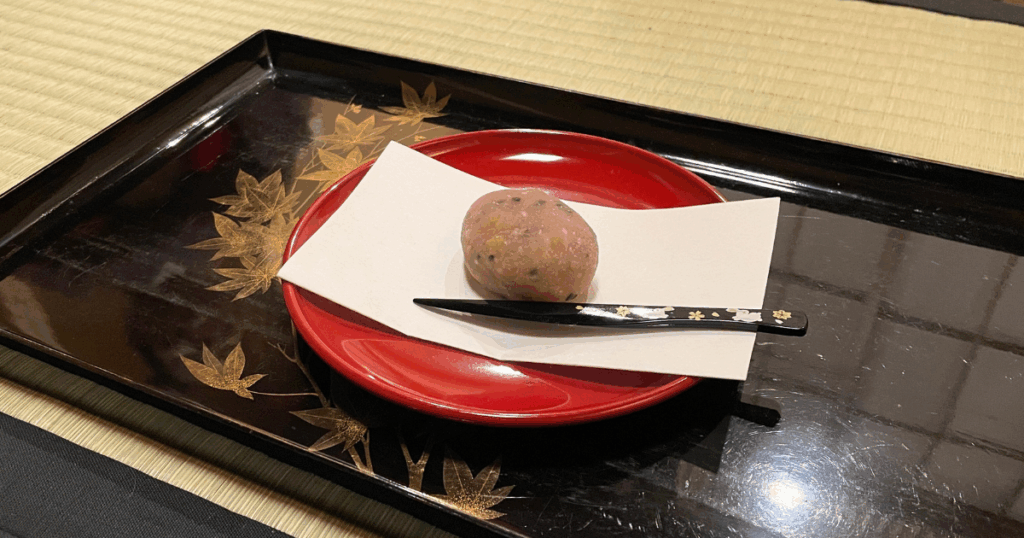
- A seasonal Japanese sweet (wagashi), eaten before the tea so that its sweetness balances the bitterness of the matcha.
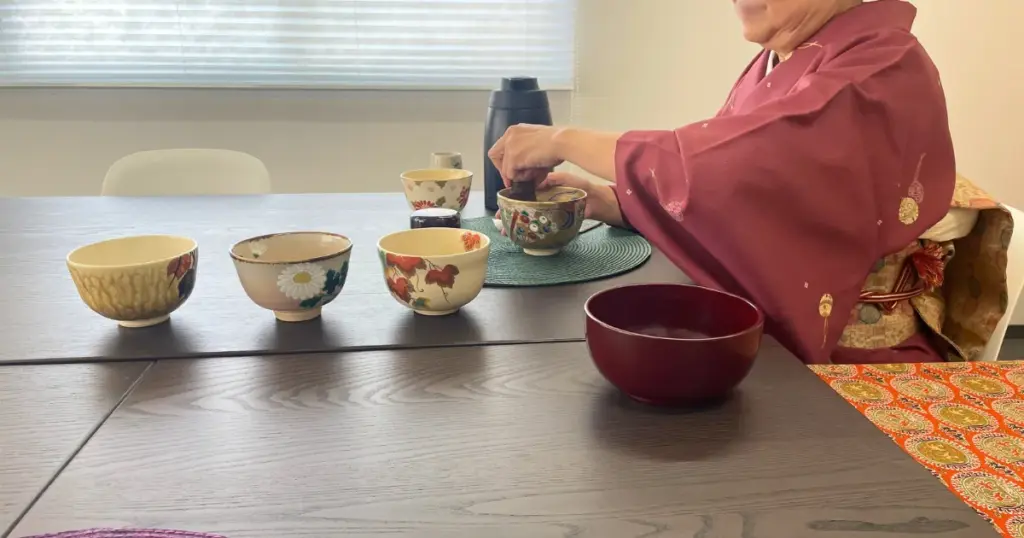
- The host prepares a bowl while you watch the movements.
- You whisk your own bowl, with the host correcting your wrist.
- You drink it, turning the bowl slightly before you sip, and return it.
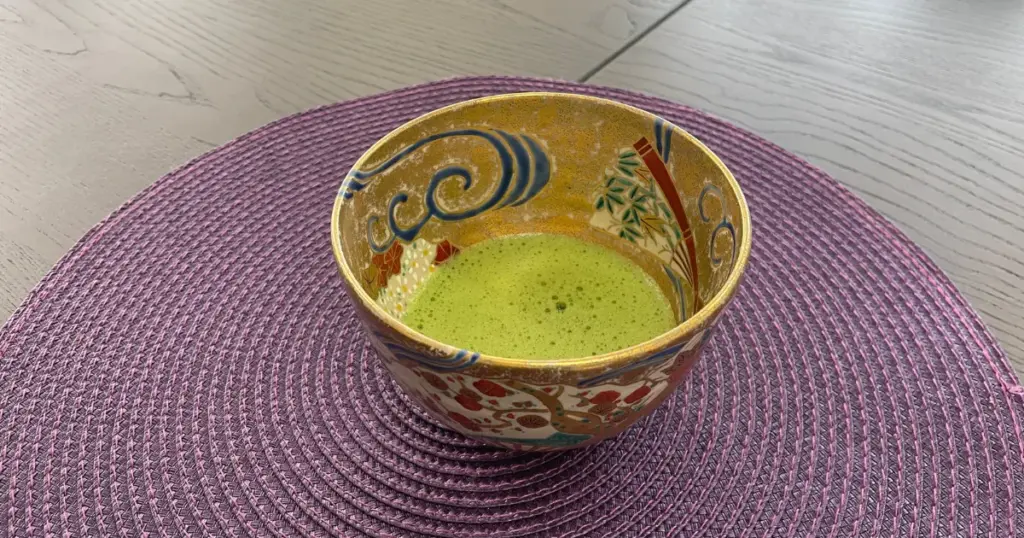
The tea is thick, bright green and slightly bitter. Most children prefer the sweet to the tea, which is normal. For more on the history and the etiquette, see our guide to the Japanese tea ceremony.
Minamikaze for a Full Ceremony in Kimono on Chairs
Minamikaze is the most complete experience of the four. It includes kimono, two bowls of matcha and a seasonal sweet in one 90-minute session, and you sit at a table so nobody has to kneel.

- Price. ¥8,000 per person, kimono included
- Length. About 90 minutes. Sessions start at 10:30 and 14:00
- What you do. The teacher makes one bowl, then you make your own, with a seasonal wagashi
- Seating. Table and chairs
- Languages. Japanese, English and Chinese
- Where. 6th floor, Azumabashi 2-1-5, across the Sumida River from Asakusa. About 2 minutes on foot from Honjo-Azumabashi Station and 5 minutes from Asakusa Station
- Booking. Reservation only, with groups and private sessions available. The site says online bookings close at 19:30 Japan time the day before
Chairs make a real difference with children and with grandparents. Ninety minutes is long for a child under six, so for younger children I would choose this only if they like dressing up.
Kakinuma for a Real Tearoom Inside a Tea Utensil Shop
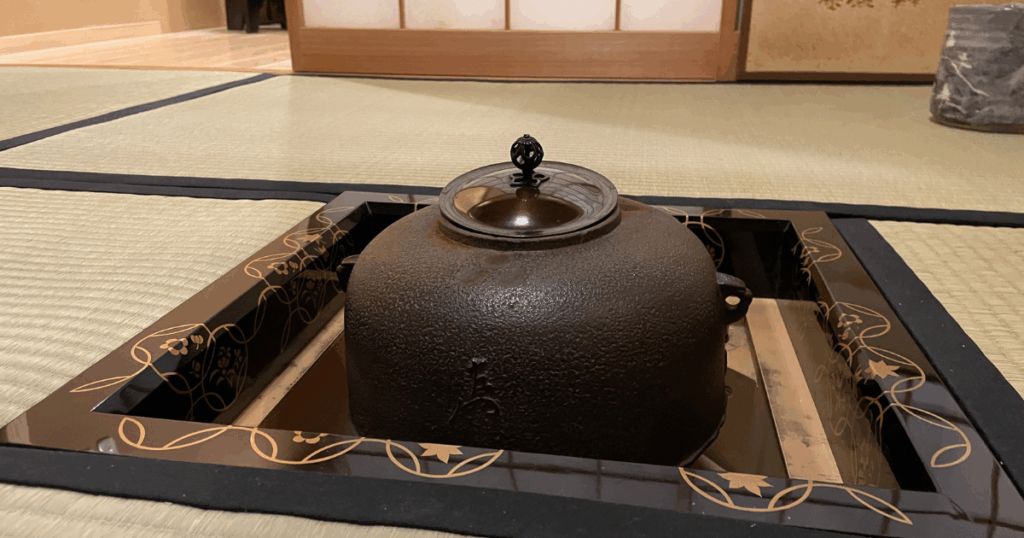
Kakinuma is a shop that sells tea utensils and flower vases, with its own four-and-a-half-mat tearoom. It is the most traditional setting of the four and the best value.
- Price. From ¥3,850 per person, tax included
- Length. About 1 hour
- Where. Asakusa 3-21-9, north of Senso-ji
- Hours. 10:00 to 18:00, closed Mondays
- Booking. By the contact form on its website or by phone. Cancelling two or more days ahead is free. The day before costs 50%, and the same day costs 100%
- Languages. Not stated on the website. Ask when you book
After the session you can browse the shop's tea bowls, whisks and vases, which makes it a good stop if you want to take home a set and keep making matcha. The tearoom is a traditional tatami room, so ask about seating if anyone in your group cannot kneel.
HANAYAKA for Kimono Followed by Tea
HANAYAKA is a kimono rental shop with a tea ceremony plan. It suits families who want the kimono photos at Senso-ji and a short taste of tea in the same visit.
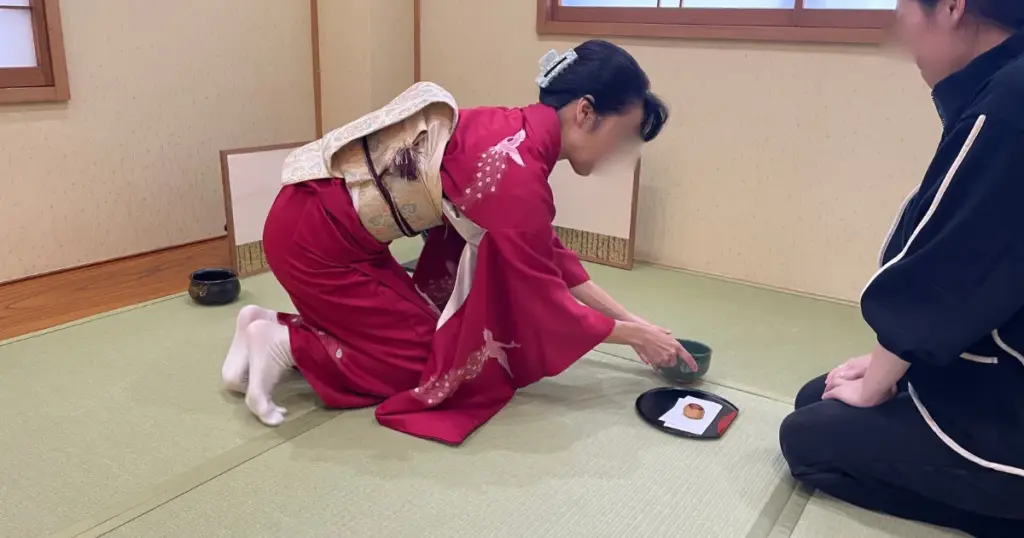
- Price. ¥12,100 per person for the "tea ceremony and kimono culture experience", which covers a komon kimono or a men's kimono (a yukata in summer), dressing, a hair set and the tea ceremony
- After the tea. You can keep walking around Senso-ji in your kimono
- Children. HANAYAKA has separate children's kimono plans for boys and girls. Check whether a child can join the tea ceremony plan when you book
- Where. Asakusa 2-27-8, a short walk from Senso-ji. Open 9:30 to 17:00
- Languages. The site says English is fine and last-minute reservations are possible
If you only want kimono, our guide to kimono rental in Asakusa compares two rental shops with children's plans.
Kaminari-Issa for a 40-Minute Matcha Workshop
Kaminari-Issa is a matcha sweets shop near Senso-ji with a separate shop for its matcha workshop. It is the quickest of the four and the most hands-on, because you grind your own tea before you whisk it.
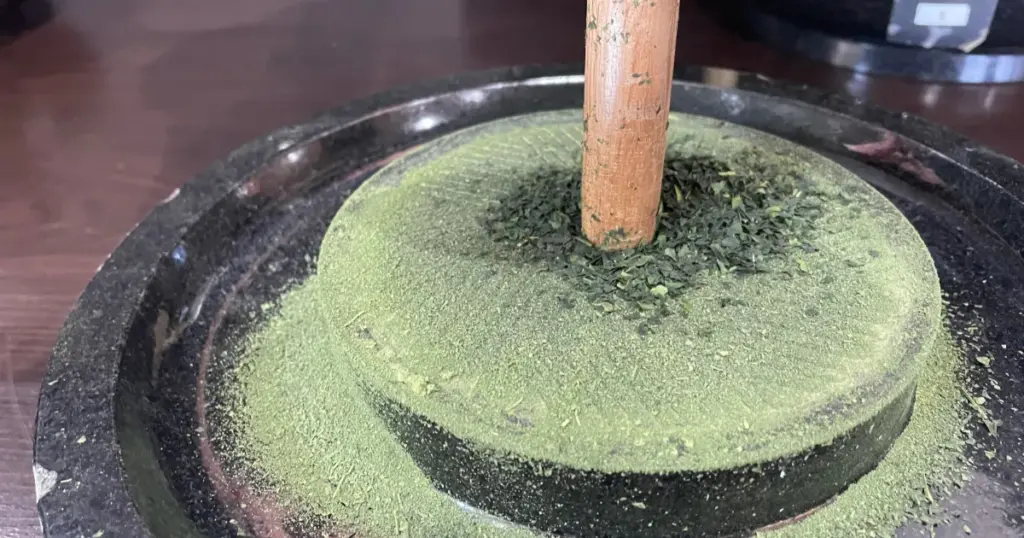
- Length. About 40 minutes, with a short video and about 5 minutes of grinding leaves in a stone mill, about 15 minutes making matcha in a Japanese-style room, then about 20 minutes to drink it with a fresh wagashi and take photos
- Time slots. 11:00, 12:00, 13:00, 14:00, 15:00 and 16:00
- Booking. By 12:00 noon the day before, by phone or email
- Price. Not listed on the official page, so confirm it when you book
- Languages. No English-speaking staff, but English pamphlets and subtitles are provided
- Where. Asakusa 2-7-3, about 3 minutes from the Tsukuba Express Asakusa Station and 8 minutes from the Ginza Line station
Turning a stone mill is the kind of job children like, and 40 minutes is about as long as a five-year-old will sit. Afterwards there is a café and a souvenir corner.
Tea Ceremony in Asakusa with Kids
Children enjoy a tea ceremony when it is short and they get to do something, such as whisking, grinding or eating the sweet. They tire of it when they have to sit still and listen.
- Keep it short. Under-sevens do best with 45 minutes or less, which points to Kaminari-Issa, or to a private session you can end early.
- Chairs help. Kneeling on tatami is hard for children and grandparents. Minamikaze is seated on chairs.
- Ask about ages first. None of the four publishes a minimum age, and some tea venues in Tokyo do not take young children, so check before you pay.
- Plan it before lunch. A small sweet and a bowl of tea will not spoil lunch, and children are calmer in the late morning than after a big meal.
- Matcha has caffeine. Children usually take a few sips. Nobody minds if they leave the rest.
 ONO
On our classic day in Asakusa, the tea ceremony comes after Senso-ji and before lunch, and I keep it to about 45 minutes. That is long enough for everyone to whisk a bowl.
If you would like the tea ceremony booked and fitted around naps, lunch and the walk from Senso-ji, that is part of our private Tokyo tour with kids.
Tea Ceremony Etiquette for Beginners
Nobody expects visitors to know the rules, and the host will guide you through each step. These habits help.
- Take off your shoes before stepping on tatami, and wear clean socks.
- Eat the sweet first, then drink the tea.
- Turn the bowl a little clockwise before you drink, so you do not drink from its front, and turn it back before returning it.
- Finish the bowl in a few sips. A small slurp at the end is polite.
- Leave rings and watches off if you can, so they do not scratch the bowls.
- Ask before taking photos. Most venues allow them, but not at every moment.
Combining a Tea Ceremony with Asakusa
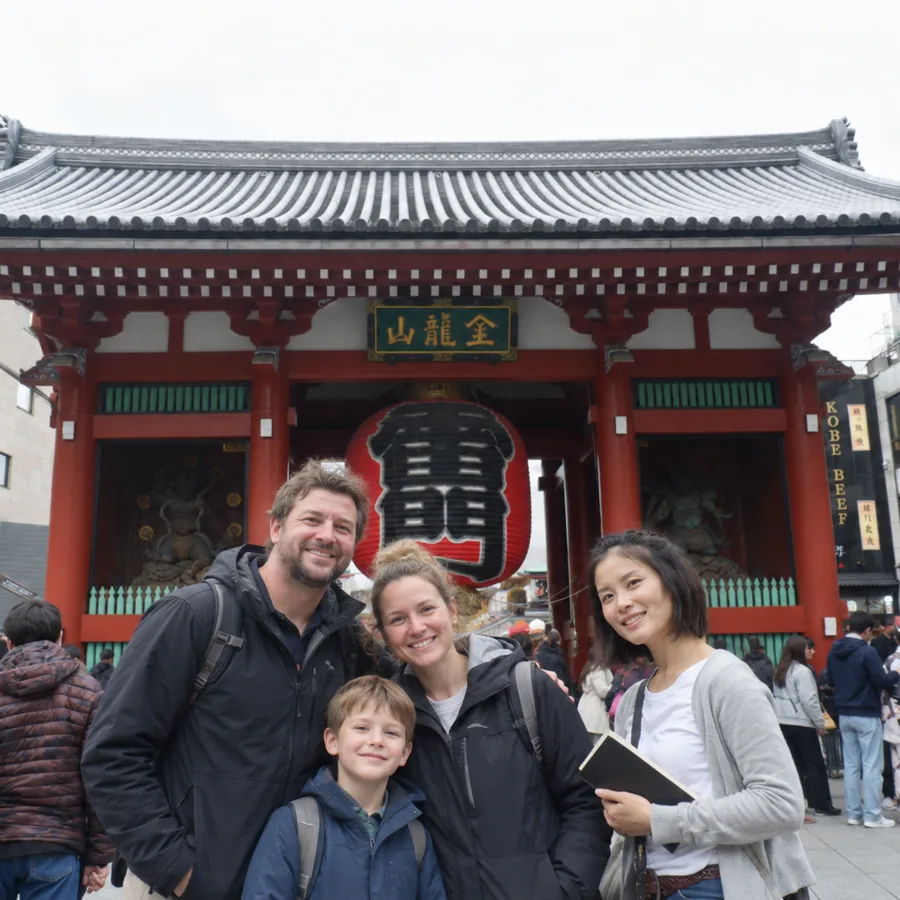
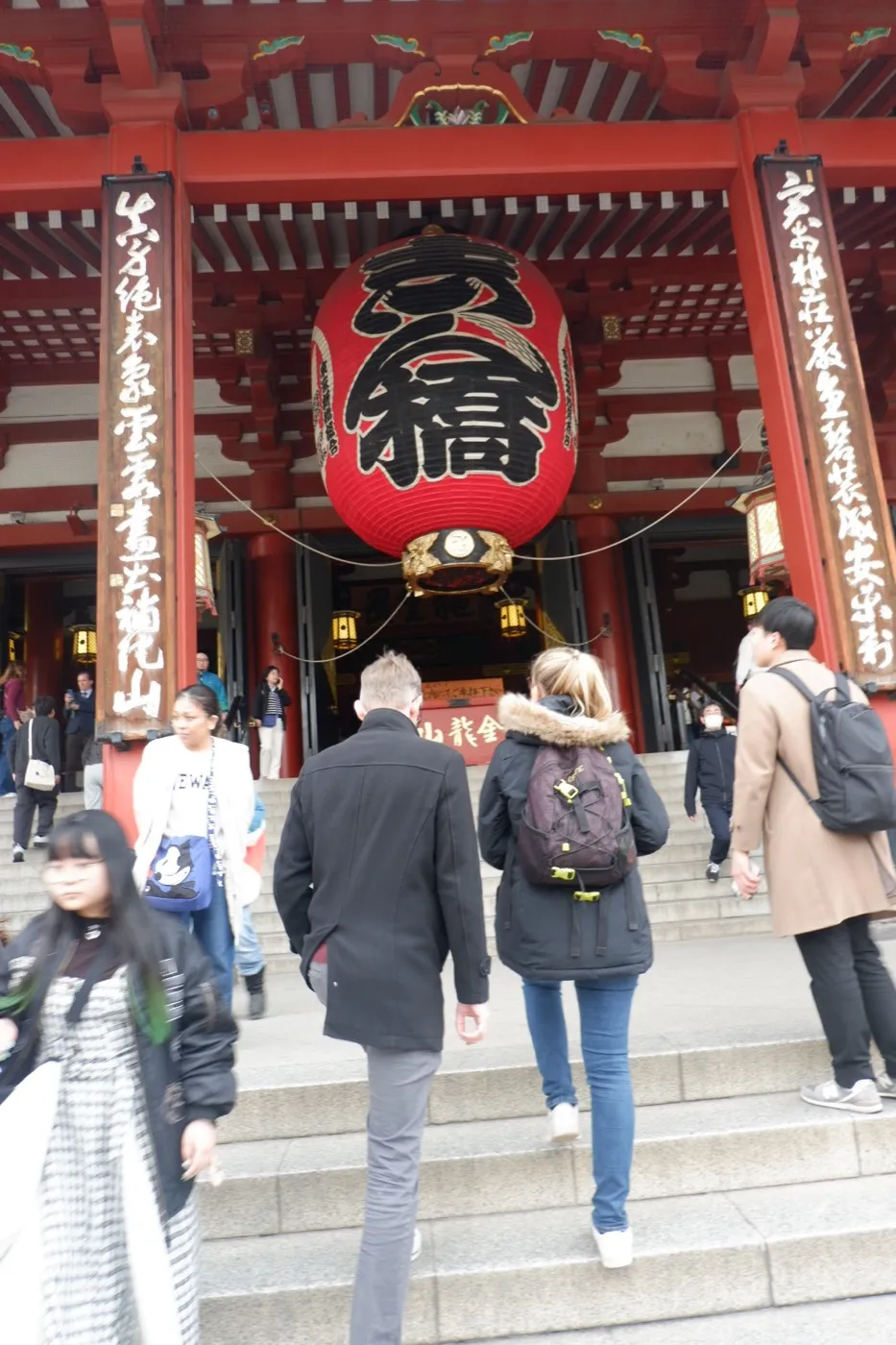
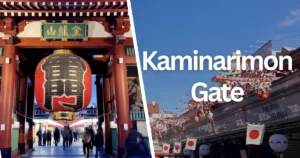
A tea ceremony fits best between Senso-ji in the morning and lunch. Walk in through Kaminarimon Gate and along Nakamise to Senso-ji, then go to your tea ceremony, then eat in Asakusa.
If you want to wear kimono for the tea ceremony and the temple, start an hour earlier to dress first. HANAYAKA and Minamikaze include kimono.
Elsewhere, rent one first. From Asakusa, the subway takes you to Otemachi for the Imperial Palace East Gardens in the afternoon.
For more ideas for the rest of the trip, see things to do in Tokyo with kids, or browse our tours in Tokyo.
Frequently Asked Questions
- How much is a tea ceremony in Asakusa?
-
Prices run from about ¥3,850 for an hour in a tearoom at Kakinuma to ¥8,000 with kimono at Minamikaze and ¥12,100 for kimono, hair and tea at HANAYAKA. Prices were checked on each venue's website in October 2026.
- How long does a tea ceremony take?
-
It takes between about 40 minutes and 90 minutes. Kaminari-Issa takes about 40 minutes, Kakinuma about an hour, and Minamikaze about 90 minutes with kimono.
- Can children join a tea ceremony in Asakusa?
-
Often yes, but none of the four venues here publishes an age rule, so tell them your children's ages when you book. Short, hands-on sessions of 45 minutes or less work best for children under seven.
- Do I have to kneel on the floor?
-
Not always. Minamikaze is seated at a table on chairs. Traditional tatami tearooms involve kneeling, so ask the venue about seating if anyone in your group cannot kneel.
- Do I need to book in advance?
-
Yes. All four take reservations, and Kaminari-Issa needs bookings by noon the day before. Book a few days ahead for weekends, cherry blossom season and autumn.
- Can I wear kimono for the tea ceremony?
-
Yes. Minamikaze includes kimono in its tea ceremony price, and HANAYAKA's tea plan includes kimono, dressing and a hair set. Otherwise, rent a kimono nearby and start an hour earlier.
Sources
https://teaceremony-minamikaze.com/menu
https://teaceremony-minamikaze.com/access
https://kakinuma.tokyo/2025/05/01/140/
https://kakinuma.tokyo/
http://hanayaka.shop/en/plan/
https://www.kaminari-issa.com/omatchataiken
https://www.kaminari-issa.com/
Plan a Private Day with a Local

Every tour is private, for your group only, and planned with you before you arrive. From US$550 per group for a day on foot in Tokyo or Yokohama, or from US$890 for a day trip by train to Kamakura, Hakone or Mt. Fuji. Travelling with children? See our Tokyo private tour with kids.
Free Consultation

Japan Trails Newsletter
Free Newsletter Sign‑Up
Subscribe to our newsletter and receive a handpicked list of restaurants that Japanese locals go to.
-
 Tea Ceremony in Asakusa: 4 Experiences Compared
-
 Ekibenya Matsuri and Odori at Tokyo Station: Where They Are and How to Buy
You might also like
-
 Hay Fever in Japan: Pollen Season, Masks and Tips for Families
-
 Yushima Seido and Hijiri Bridge: A Walk Through Ochanomizu
-
 Senso-ji Temple: A Local Guide to Tokyo's Oldest Temple
-
 Hinamatsuri: A Visitor's Guide to Japan's Doll Festival
-
 Setsubun in Japan: Bean Throwing, Ehomaki and Where to See It
-
 Kaminarimon Gate: A Guide to Asakusa's Thunder Gate