The Spiritual Guardian of Edo Kanda Myojin
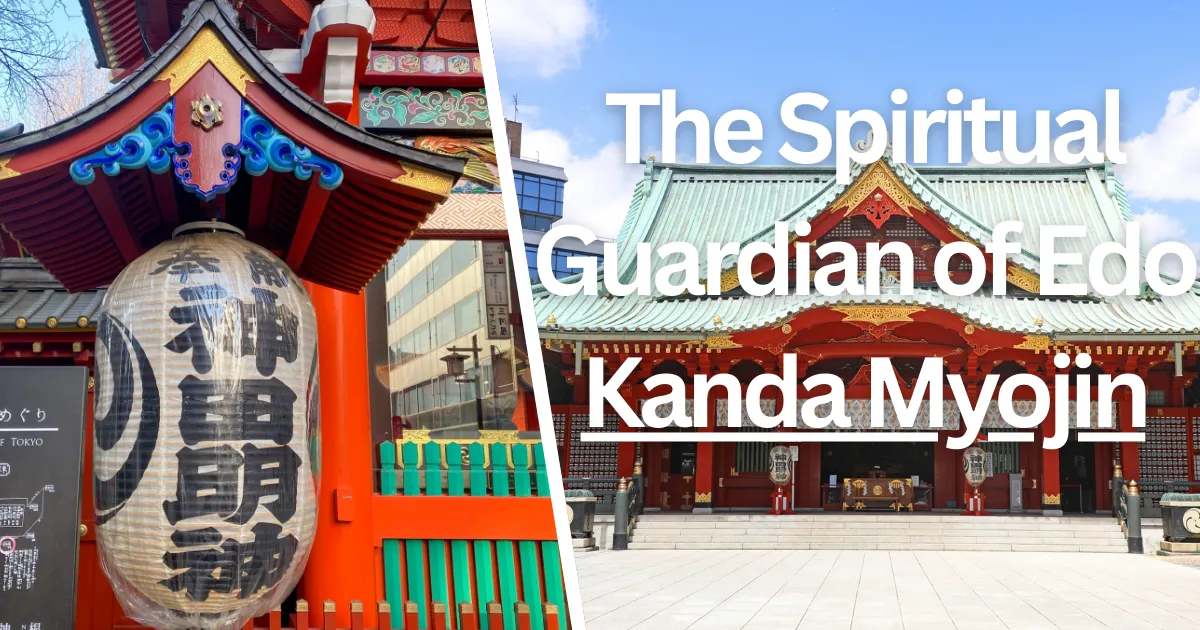
Kanda Myojin Overview
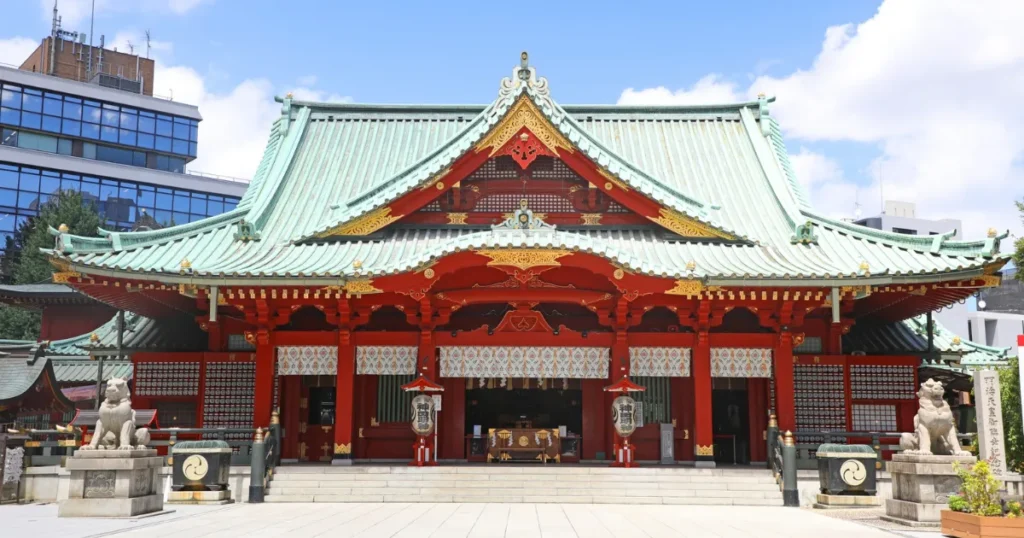
Kanda Myojin stands as one of Tokyo’s most historically authoritative Shinto shrines, with origins dating back to the year 730.
From the early formation of Edo to the rise of modern Tokyo, the shrine has consistently functioned as a religious institution deeply embedded in governance, commerce, and everyday urban life.
What Is Kanda Myojin? Its Foundational Role
Kanda Myojin was established to protect the northeastern direction, traditionally regarded as spiritually vulnerable, and the communities that developed around it.
https://www.kandamyoujin.or.jp/
As Edo grew into Japan’s political and economic center, the shrine’s role expanded accordingly.
From its earliest stage, it was designed to guard the core of the city rather than its periphery.
Kanda Myojin and the Edo Shogunate
During the Edo period, Kanda Myojin was officially revered by the Tokugawa shogunate as a guardian shrine of Edo Castle.
The shogunate provided patronage, and shrine rituals were closely linked to the stability of the regime and the prosperity of merchant districts.
This relationship elevated Kanda Myojin from a regional shrine to an institution of state-level spiritual authority.
The Three Kami Enshrined and Their Historical Meaning
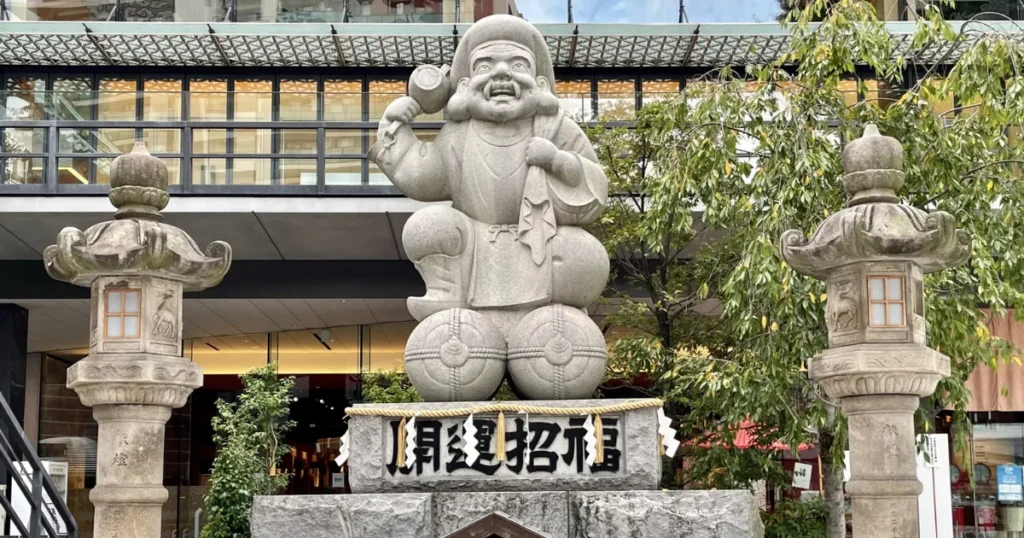
The spiritual identity of Kanda Myojin is defined by three deities whose roles are inseparable from nation-building, commerce, and regional protection.
These kami are rooted in historical belief systems rather than abstract symbolism.
Ōnamuchi-no-Mikoto
Ōnamuchi-no-Mikoto, also known as Ōkuninushi-no-Mikoto, has been enshrined at Kanda Myojin since its founding in 730.
He is regarded as the divine ancestor of Daikokuten and is closely associated with land development, state formation, and the harmonization of human relationships.
Because of this role, he is revered as a powerful deity of enmusubi, governing bonds such as marriage, partnerships, and social ties.
Sukunahikona-no-Mikoto
Sukunahikona-no-Mikoto has also been enshrined since 730 and is worshipped as Ebisu, the deity of commercial prosperity.
Mythology describes him as small enough to stand on the palm of a hand, yet possessing exceptional wisdom and knowledge.
Together with Ōnamuchi-no-Mikoto, he played a central role in the spiritual creation and cultivation of the Japanese land.
Taira no Masakado
Taira no Masakado, a 10th-century samurai leader, was enshrined at Kanda Myojin in 1309 as a protective deity of the Kanto region.
Rather than being treated as a vengeful spirit, he was formally incorporated into Shinto worship to stabilize the land and its people.
His presence is also symbolized by Masakado Kubizuka in present-day Otemachi, Chiyoda City.
Kanda Myojin Location: Strategic Access from Akihabara and Ochanomizu
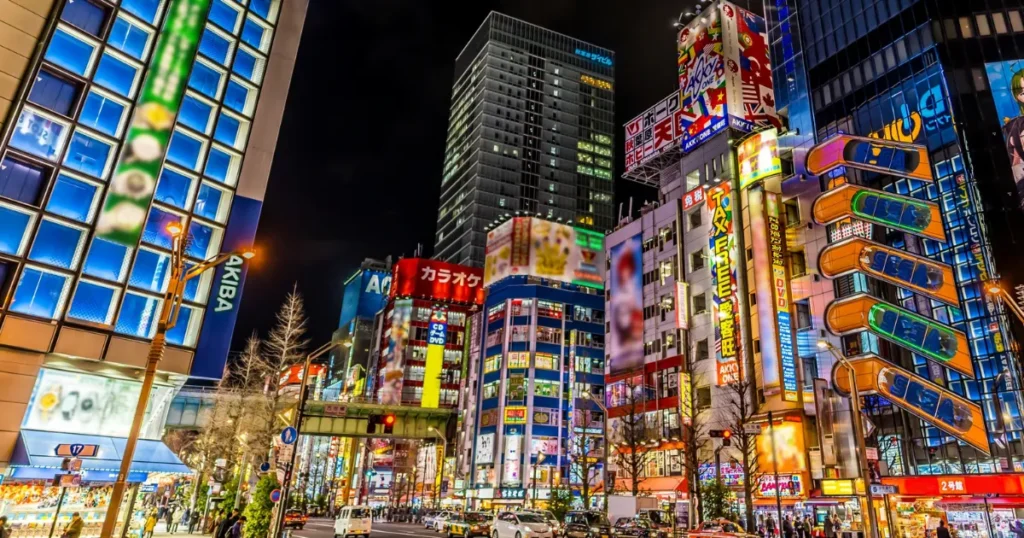
Kanda Myojin occupies a slightly elevated site between intellectual, commercial, and subcultural districts of central Tokyo.
Its accessibility has remained one of its defining strengths for centuries.
Why Kanda Myojin Is Closely Linked to Akihabara
Akihabara developed as a commercial district under the spiritual protection of Kanda Myojin.
This historical relationship explains why the shrine has long been associated with merchants and artisans, and later with electronics and pop culture industries.
Access Routes to Kanda Myojin: Station and Walking Time Comparison
| Nearest Station | Lines | Walking Time | Notes |
| Ochanomizu Station | JR Chuo / Sobu | 5–7 min | Gentle uphill approach |
| Akihabara Station | JR Yamanote | 7–10 min | Passes commercial streets |
| Suehirocho Station | Tokyo Metro Ginza | ~5 min | Most direct subway route |
| Shin-Ochanomizu Station | Chiyoda Line | 6–8 min | Underground access |
※ The approach from Ochanomizu includes an incline; comfortable footwear is recommended.
Kanda Myojin Annual Festivals: Rituals That Shape the Year
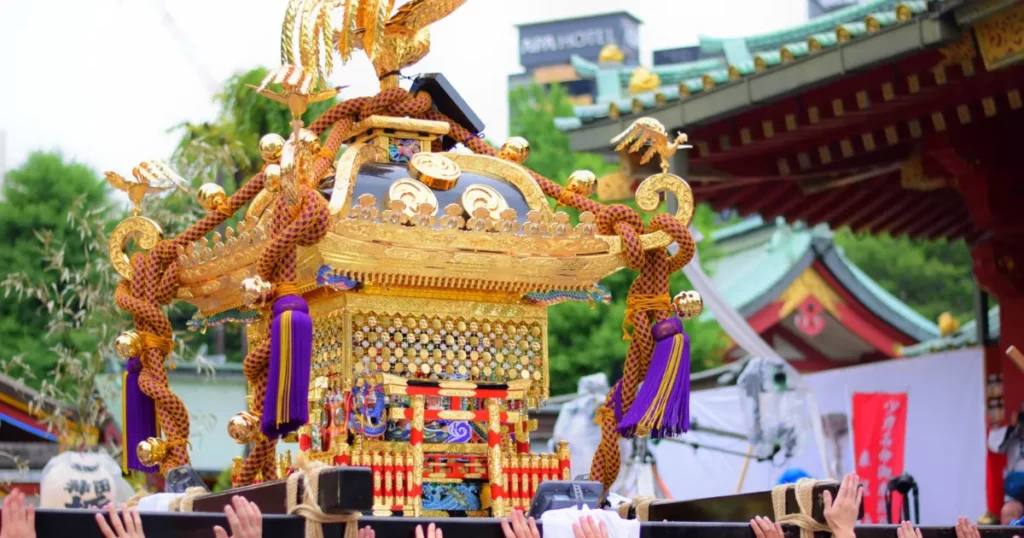
The annual observances at Kanda Myojin are functional religious rites rather than symbolic events.
Each ceremony follows a clearly defined liturgical purpose rooted in tradition.
Major Annual Events at Kanda Myojin
Below are ten annual rituals conducted at Kanda Myojin, listed with their correct names and seasons.
| Festival Name | Season |
|---|---|
| Hatsumode (New Year Prayer) | Early January |
| Daikoku Festival | Mid-January |
| Setsubun Festival | February 3 |
| Kanda Matsuri | Mid-May (odd-numbered years) |
| Summer Purification Rite (Nagoshi no Oharae) | Late June |
| Oharae Hitogata Nagashi Ritual | Early July |
| Tanabata Festival | Early July |
| Summer Evening Festival (Noryo Matsuri) | Early August |
| Shichigosan Blessing | November |
| Shiwasu Oharae Ceremony | Late December |
Kanda Myojin and Business Prosperity in Modern Japan
Kanda Myojin’s association with commerce is a historical function rather than a modern concept.
From merchant guilds to contemporary corporations, the shrine has long provided spiritual legitimacy.
This continuity explains its enduring trust among professionals today.
Corporate and Individual Business Prayers
Formal prayers are conducted for companies, startups, and individuals seeking stability and growth.
These rituals adhere to traditional Shinto procedures and are not simplified for tourism.
Advance arrangements are recommended during peak periods.
Omamori and Votive Practices for Economic Success
- Business prosperity omamori
- Partnership and contract-related ema
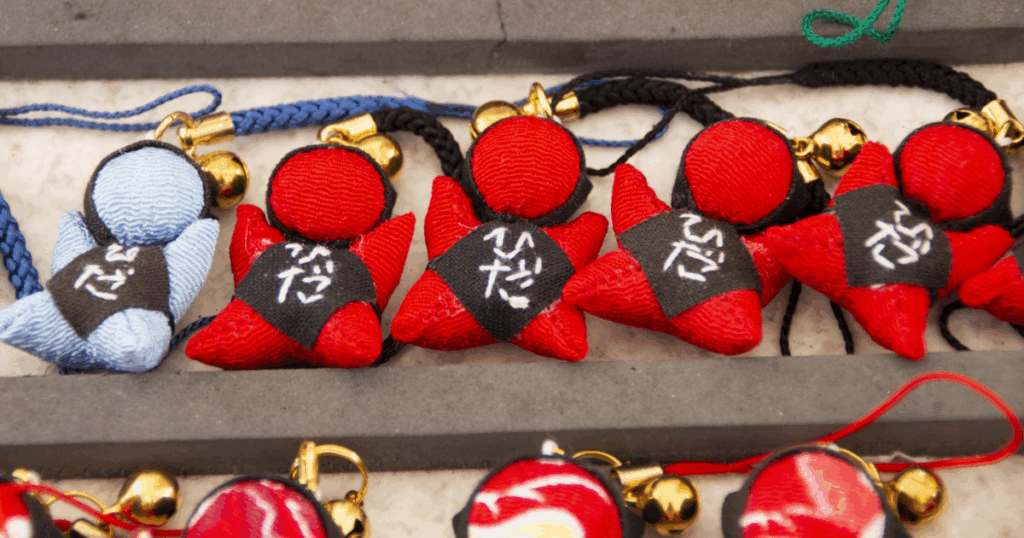
- Profession-specific charms
Collaboration and Seasonal items may sell out quickly.
Kanda Myojin Museum: History, Festivals, and Pop Culture
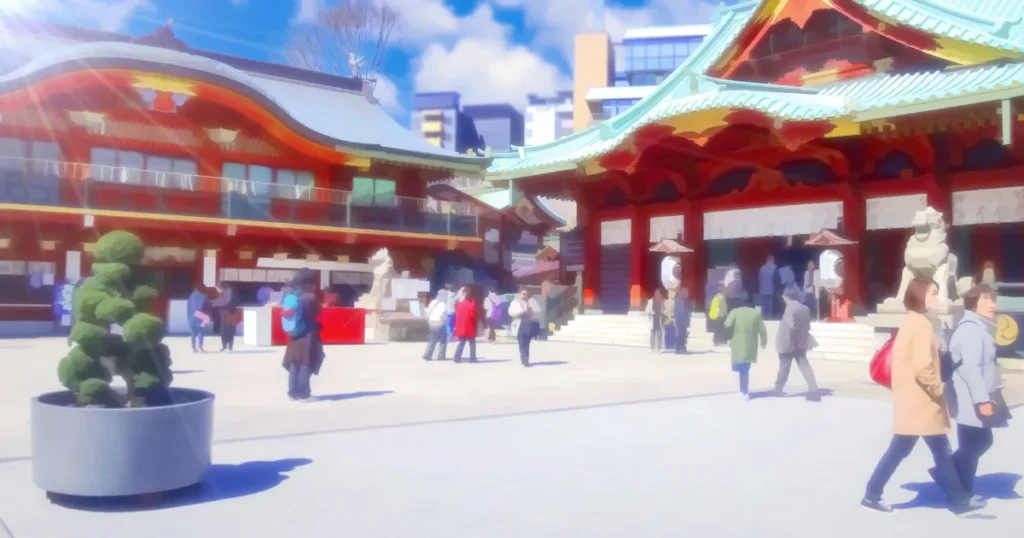
The Kanda Myojin Museum offers a structured way to understand the shrine beyond the main grounds.
It provides historical context through curated exhibits rather than simplified explanations.
Anime Collaborations and the Kanda Matsuri Diorama
Inside the museum, visitors can view materials from officially sanctioned anime collaborations, presented within a religious and historical framework.
The museum also features a detailed diorama of the Kanda Matsuri, illustrating the scale and complexity of the festival procession.
These exhibits bridge traditional belief and contemporary culture in a tangible way.
Kanda Myojin Visiting Information and Further Resources
A visit to Kanda Myojin benefits from basic awareness of Shinto customs and spatial etiquette.
Readers are encouraged to consult a separate etiquette article before visiting.
Best Times to Visit and Practical Notes
- Mornings are quieter
- Festival days are crowded
- Photography should not interrupt rituals
Why Kanda Myojin Remains Essential to Understanding Tokyo
Kanda Myojin is authority derives from continuity, not reinvention.
To understand Tokyo’s spiritual and commercial foundations, this shrine is indispensable.
Who Benefits Most from Visiting Kanda Myojin
- Visitors seeking historical depth
- Business travelers interested in Japanese corporate culture
- Those curious about living Shinto traditions
Final Note for Visitors
For official information on rituals, events, and current notices, visitors are encouraged to consult the official Kanda Myojin website, which provides the most up-to-date guidance directly from the shrine.
For practical navigation and route planning, a map link is also provided below to help visitors locate the shrine and plan their visit smoothly.
Explore Tokyo with a Local!!

We offer tailored private tours designed for small groups. Prices start from 200 USD per person, and every itinerary can be fully customized.