Best Japanese Souvenirs: What to Buy and Where to Find Them

Quick answer
- The Japanese souvenirs people buy most are sweets, matcha, lucky charms, stationery, ceramics and kitchen knives.
- In Tokyo, Nakamise in Asakusa, Tokyo Station, department store food halls and Haneda Airport cover almost everything.
- Since 1 November 2026, tax-free shops charge tax at the till and refund it after customs checks your goods at departure.
What Are the Best Souvenirs and Gifts from Japan?
The best souvenirs and gifts from Japan fall into four groups, sweets and snacks to share, lucky charms and folk crafts with a story, practical things such as stationery and knives, and character goods for children. Food is the easiest to give. Crafts are the ones people keep.
Japanese people bring omiyage, souvenirs, back to their colleagues and families after every trip, so shops at stations, airports and temples are full of beautifully boxed, individually wrapped gifts made to be handed out.
| Type | Examples | Best place to buy in Tokyo |
|---|---|---|
| Sweets and snacks | Tokyo Banana, KitKat, senbei, wagashi | Tokyo Station, department store food halls |
| Tea and drink | Matcha, sencha, whisky, sake | Department stores, tea shops, airport duty-free |
| Charms and crafts | Daruma, maneki-neko, omamori, tenugui | Nakamise in Asakusa, temples and shrines |
| Practical | Stationery, kitchen knives, ceramics, chopsticks, skincare | Ginza Itoya, Loft, Hands, Kappabashi, drugstores |
| For kids | Character goods, capsule toys, puzzle erasers | Tokyo Character Street, Ikebukuro, 100-yen shops |
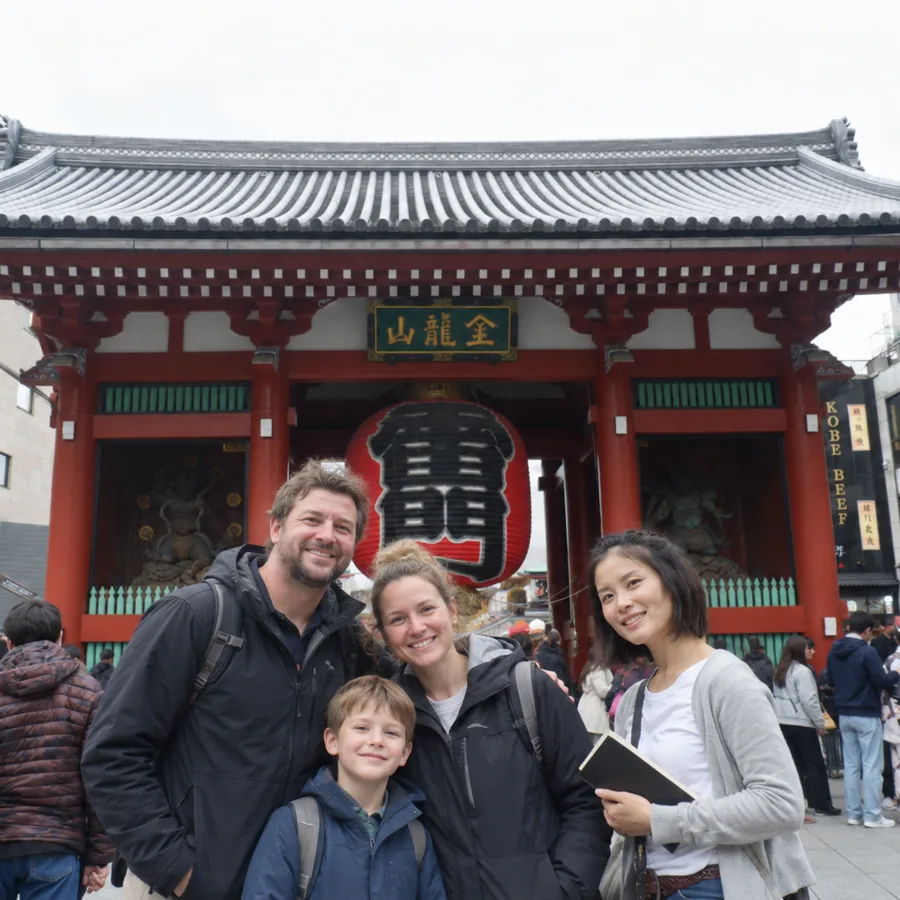
Food and Drink Souvenirs
Food souvenirs are the easiest to carry and to give, and Japanese ones are packed in individual wrappers that last the trip home. Check the best-before date on the box.
Some sweets keep for weeks, fresh wagashi for only a day or two.

Tokyo Banana
Tokyo Banana is a soft sponge cake filled with banana custard, sold in gift boxes of various sizes. It is the classic "I went to Tokyo" present and the easiest answer to "what can I only buy in Tokyo?".
The maker runs its own shop in Tokyo Station Ichibangai and a stand at Haneda Airport, and the box designs change with the seasons.
Japanese KitKat
KitKat in Japan comes in matcha and many regional and seasonal flavours that change through the year, so children often collect several. Supermarkets, convenience stores, Don Quijote and airports all sell them.
Senbei and Wagashi
Senbei are crunchy rice crackers flavoured with soy sauce, salt or seaweed. They travel well. Wagashi are traditional sweets made from bean paste and rice flour, shaped for the season.
Baked and dried wagashi keep. Fresh ones do not, so buy those for eating in Japan.
Matcha and Green Tea
Powdered matcha from Uji near Kyoto and loose-leaf sencha are light and keep well. Tea shops and department store food halls sell gift tins, and a bamboo whisk and bowl make it a complete present.
If you have tried a tea ceremony in Asakusa, you can buy the same matcha and make it again at home.
Japanese Whisky and Sake
Japanese whisky and premium sake are common gifts for adults, and airport duty-free shops carry a good range. Well-known whisky bottles are often in short supply in Japan, so buy one when you see it.
Check your home country's allowance for alcohol before you buy several bottles.

Lucky Charms and Folk Crafts
Lucky charms are the souvenirs with a story, and each one comes with something to do, such as painting an eye, choosing a paw or picking a colour. Most are light and cheap, and children like them.
Daruma Dolls
The round red daruma is a wish-making doll. You paint in one eye when you set a goal and the other when you reach it.
Our full daruma doll guide explains the colours, the eye painting and where to paint your own.

Maneki-Neko (Lucky Cat)
The beckoning cat invites good fortune with its right paw and people with its left. Our maneki-neko guide covers what the paws and colours mean, and Gotokuji Temple, Tokyo's home of the lucky cat.
Omamori Charms
Omamori are small fabric charms sold at shrines and temples, each for a purpose such as safe travel, health, study or family. They are not meant to be opened.
Buy them at the shrine or temple itself, where the money supports it. At New Year many people return last year's charms there, too.
Kokeshi Dolls
Kokeshi are simple wooden dolls with a round head and painted body, made mainly in the Tohoku region of northern Japan. Each area has its own style, and hand-made ones are signed by the maker.
Tenugui, Furoshiki and Sensu
Tenugui are thin cotton cloths printed with traditional patterns, used as hand towels, headbands or wall hangings. Furoshiki are wrapping cloths that turn into bags.
Sensu are folding fans of bamboo and paper or silk. All three weigh almost nothing and fold flat in a suitcase.

Sarubobo, Takayama's Faceless Good-Luck Doll
A sarubobo is a small, faceless cloth doll from Hida Takayama in the mountains of Gifu Prefecture, made as a charm for children, safe childbirth and a happy family. The classic one is red, with a dark hood and apron and arms and legs stretched out like a star.
What the Name and Colours Mean
Saru means monkey and bobo means baby in the Hida dialect, so sarubobo is a "baby monkey". Saru also sounds like the verb "to leave", so the doll is said to make bad luck go away.
In the snowy villages of Hida, grandmothers made them from leftover cloth for their grandchildren and daughters.
The doll has no face so that the owner can imagine its expression, so it looks happy when you are happy and comforting when you are sad. Red is the traditional colour for protection and family.
Shops now sell many colours, each with a wish on the label, often blue for study and work, pink for love and yellow for money. Meanings vary by shop.

Where to Buy or Make One in Takayama
- Miyagawa Morning Market. About 60 stalls line 350 m of the Miyagawa River, between Kaji-bashi and Yayoi-bashi bridges. Shops on the town side sell crafts, including sarubobo. It is open from 7:00 to noon from April to November, with fewer stalls in rain and winter.
- Jinya-mae Morning Market. This market in front of the Takayama Jinya has run for over 300 years, and only farmers may open stalls. Go for the atmosphere and local food.
- Hands-On Town Interaction Center of Hida Takayama. At this craft centre you can make your own sarubobo. Some activities need no booking. Admission is free and activities cost extra. It is open daily from 9:00 to 19:00, with occasional closures.
Small sarubobo charms are also sold at Takayama Station and in the old town of Sanmachi. Takayama is a long way from Tokyo, so most families combine it with Shirakawa-go or the Japan Alps rather than doing it as a day trip.
The Takayama-Hokuriku Area Tourist Pass covers that loop.
Akabeko, Aizu's Red Cow
Akabeko is a red papier-mache cow with a nodding head from the Aizu region of Fukushima Prefecture, kept as a charm for good luck, strength and protection from illness. Beko means cow in the local dialect.
The Legend of the Red Cow
The story comes from Enzoji Temple in Yanaizu. After a great earthquake damaged the temple, timber had to be hauled from villages up the Tadami River for the rebuilding.
A red-coated cow appeared, helped the other cattle pull the heavy loads, and stayed until the work was done. Then it vanished. Families later kept akabeko figures for good luck and health, and children were given them as toys.
At Enzoji today there is a metal cow statue called Nade-Ushi, "the cow you stroke", which visitors touch while making a wish. Please treat it as part of a temple, not a photo prop.

Where to Paint or Buy One
Ready-painted akabeko are sold in most souvenir shops in Aizu, and the region runs painting workshops where children paint their own cow in red, white and black. Fukushima's official tourism site lists workshops at Tsurugajo Kaikan next to Tsuruga Castle, Aizu Hanko Nisshinkan and Bansho in Aizu-Wakamatsu, and Hot in Yanaizu in Yanaizu Town. Check prices and booking with each venue.
If Aizu is not on your route, try Nihonbashi Fukushima-kan MIDETTE, Fukushima Prefecture's shop in Nihonbashi, Tokyo (Yanagiya Taiyo Building 1F, Nihonbashi-Muromachi 4-3-16), open from 10:30 to 19:00. It sells Fukushima food, sake and folk crafts such as kokeshi and okiagari-koboshi tumbling dolls.
Stock changes, so ask the staff whether akabeko are in. Our JR East Pass Tohoku guide covers the trip north to Aizu.
Practical Souvenirs Such as Stationery, Knives and Ceramics
Practical souvenirs are the ones you use every day after the trip.

- Stationery. Japanese gel pens, erasable pens and highlighters are cheap and light. Ginza Itoya, Tokyo's old stationery store with the red paper clip sign, spreads across many floors. Loft and Hands (formerly Tokyu Hands) have big stationery sections in Shibuya and Shinjuku.
- Kitchen knives. Knives from Sakai and Seki are prized by cooks. In Tokyo, the kitchen street of Kappabashi has knife shops that will explain the steel and sharpening. Knives must go in checked luggage, never in your carry-on bag.
- Ceramics. Arita, Mashiko, Kyoto and other pottery towns make bowls, cups and plates. They are heavy and fragile, so ask the shop to pack them well or ship them.
- Chopsticks. Lacquered chopsticks, sometimes engraved with a name, are light and personal.
- Skincare and cosmetics. Sheet masks, sunscreen and hand cream from Japanese drugstores are light and cheap to share. Drugstore chains sit near every big station. Tax-free rules for consumables are in the section below.
Japanese Souvenirs for Kids
The souvenirs children ask for are character goods, capsule toys and small things they can collect, and Tokyo has a shop for each.
- Character goods. Look for Pokémon, Sanrio, Ghibli and anime shops. The Pokémon Center Shibuya and Tokyo Character Street under Tokyo Station have many brands under one roof. Akihabara is the place for anime and games.
- Capsule toys (gashapon). You turn the handle and get a toy in a plastic ball. The Gashapon Department Store Ikebukuro Main Branch on the 3rd floor of the World Import Mart Building in Sunshine City has over 3,000 machines and opens daily from 10:00 to 21:00. Bring a good supply of coins.
- 100-yen shops. They sell origami paper, food-shaped puzzle erasers, character chopsticks and bento boxes. The Daiso on Takeshita Street in Harajuku is easy to combine with a family day.
- Lucky charms with a story. A nodding akabeko or a small sarubobo (both above) is a charm for children's health in its home region, and painting your own daruma or akabeko keeps children busy for an hour.
Let children spend their own budget at a 100-yen shop or a row of capsule machines, and leave the choosing to them.
Where to Buy Souvenirs in Tokyo
You can buy almost everything on this list in six kinds of places, and each is best for something different.
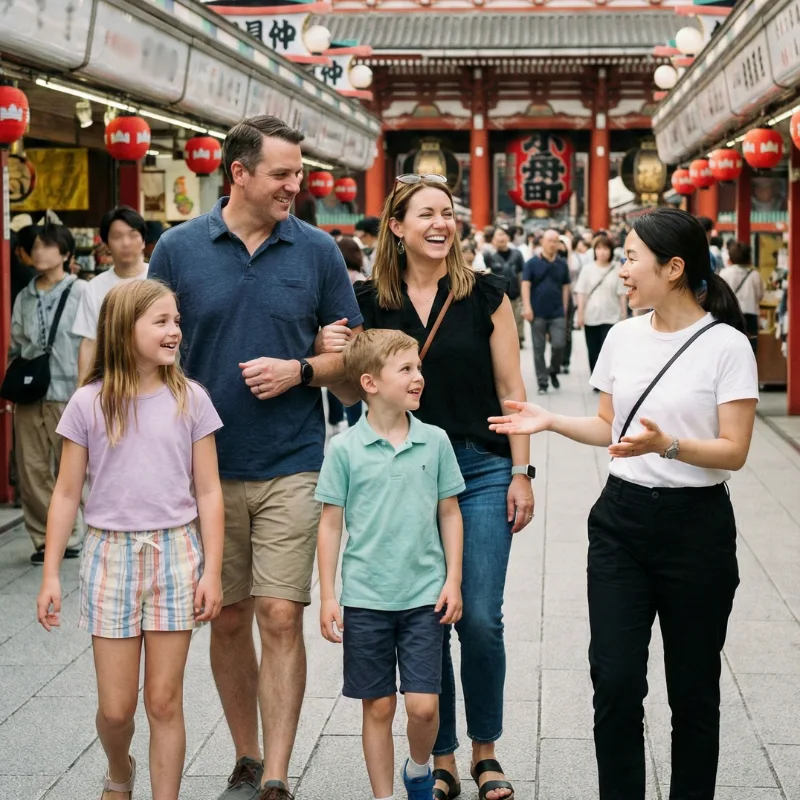
Nakamise, Asakusa
The shopping street leading to Senso-ji is one of the oldest in Japan. Its shops date back to the late 17th and early 18th centuries.
It sells snacks, folding fans, tenugui, charms and small crafts. Go early in the morning, before the crowds. Our Senso-ji guide covers the walk from Kaminarimon.
Tokyo Station
Tokyo Station is the biggest souvenir market in the city. Tokyo Station Ichibangai on the Yaesu side and GRANSTA inside and around the ticket gates sell boxed sweets from all over Japan, and many are only sold at the station.
Our GRANSTA guide and Tokyo Station guide explain which side is which.
Department Store Food Halls
The basement food halls, depachika, of Isetan Shinjuku, Mitsukoshi Ginza and Takashimaya sell the most elegant boxed sweets, tea and sake, gift-wrapped at the counter. They are best for gifts for parents and colleagues.
Don Quijote
Don Quijote, or "Donki", is a discount chain packed floor to ceiling with snacks, cosmetics, KitKats, character goods and cheap lucky cats. MEGA Don Quijote Shibuya Honten is one of the biggest in central Tokyo.
Many branches stay open late. Check the store page for hours.
100-Yen Shops
Daiso and other 100-yen shops sell chopsticks, origami paper, small fans and kitchen goods at low prices, which suits bulk presents for a class or office.
 ONO
I don't have one fixed shop. The souvenirs my guests like are the ones they find when we drop into a small local shop on the way, such as chopstick rests, Japanese postcards and folding fans.
Souvenirs at Haneda and Narita Airports
You can leave most souvenir shopping for the airport. Haneda and Narita both sell boxed sweets, crafts, sake and whisky, so the heavy and fragile things can wait until the end.
Note that the best range is often before security.
At Haneda Terminal 3 (international flights), the shops on the 4th floor, Edo Koji, are before security.
| Shop | What it sells | Hours |
|---|---|---|
| Itoya | Stationery from the Ginza store, tax-free | 8:00 to 22:00 |
| #Tokyo Tokyo BASE | Tokyo crafts, stationery and food | 8:00 to 21:00 |
After security on the 3rd floor, Tokyo Souvenir Shop North sells Japanese goods and souvenirs from 6:00 to midnight. Check the airport's shop pages for your flight day, as hours can change.
Our Haneda Airport guide and Narita Airport guide cover the terminals.
Buy anything fragile, rare or made by a named craftsman in the city, where the choice is wider, and keep the airport for boxed sweets and last-minute gifts.
How Tax-Free Shopping Works Since 1 November 2026
Since 1 November 2026, Japan's tax-free system has used a refund method. You pay the full price including consumption tax at the shop, then get the tax back after customs confirms you are taking the goods out of Japan.
Until 31 October 2026, tax was taken off at the till.
The Japan Tourism Agency describes these steps for purchases made on or after 1 November 2026.
- At the shop. Show your passport at a tax-free shop and pay the tax-inclusive price. The minimum is ¥5,000 or more (before tax) per shop, per day.
- At departure, within 90 days of purchase. Before you check in your bags, scan your passport at a tax-free procedure terminal in the departure lobby. A green result means you are done. A red result means you take the goods to the customs counter.
- The refund. The shop or its refund service pays it back. Ask the shop how, as methods differ.
Two rules catch people out. All the goods must be with you at the terminal, so do it before you check your suitcase. If one item from a receipt is missing, nothing on that receipt is refunded.
And food, drink and cosmetics you use in Japan are not refunded, so if you have eaten some of those KitKats, tell the customs officer rather than claiming. Rules can change, so check the Japan Tourism Agency's page before you shop.
Packing Souvenirs and Getting Them Home
Pack heavy and fragile things last and in the middle of your suitcase, wrapped in clothes, and leave room. Most families end up buying extra.
- Knives and liquids. Kitchen knives, sake, whisky and large bottles go in checked baggage.
- Food. Check your home country's rules on bringing in meat, fruit and dairy. Most boxed sweets and tea are fine, but rules differ by country.
- Shipping. Department stores and many craft shops can ship large items abroad for a fee.
- Charms. Daruma and papier-mache akabeko dent easily, so pack them upright in a box.
If you would like to shop Nakamise, try a craft and eat your way through Asakusa on a family day, our Tokyo private tour with kids starts there. For a day planned around shopping, crafts or Kappabashi, see our custom private tours.
And if you are timing your trip around New Year sales or seasonal sweets, our guide to the best time to visit Tokyo helps.
Frequently Asked Questions
- What is the most popular souvenir from Japan?
-
Sweets such as Tokyo Banana and Japanese KitKat are the most bought, followed by matcha, lucky charms like daruma and maneki-neko, stationery and kitchen knives.
- Where is the best place to buy souvenirs in Tokyo?
-
Nakamise in Asakusa for traditional goods, Tokyo Station for boxed sweets, department store food halls for formal gifts, and Don Quijote for snacks and variety in one place.
- How does tax-free shopping work in Japan now?
-
Since 1 November 2026 you pay the tax at the shop and get it refunded after customs confirms the goods at departure, within 90 days. The minimum is ¥5,000 before tax per shop per day.
- What is a sarubobo doll?
-
It is a faceless cloth doll from Hida Takayama in Gifu, and the name means "baby monkey" in the local dialect. It is a charm for children, safe childbirth and a happy family. Red is the classic colour.
- What is an akabeko?
-
It is a red papier-mache cow with a nodding head from Aizu in Fukushima, kept as a charm for good luck and health. Its legend tells of a red cow that helped rebuild Enzoji Temple in Yanaizu.
- What are good Japanese souvenirs for kids?
-
Character goods from the Pokémon Center or Tokyo Character Street, capsule toys from gashapon machines, and origami or puzzle erasers from 100-yen shops. Akabeko and sarubobo are traditional charms for children.
- Can I buy souvenirs at Haneda Airport after security?
-
Yes. At Haneda Terminal 3, Tokyo Souvenir Shop North on the 3rd floor is after security and opens from 6:00 to midnight. The larger Edo Koji shops on the 4th floor are before security.
- What souvenirs can I only buy in Tokyo?
-
Tokyo Banana is the classic one, sold at its shop in Tokyo Station Ichibangai and at Haneda. Many boxed sweets at Tokyo Station are only sold there.
- Can I take a Japanese kitchen knife home?
-
Yes, in your checked baggage, never in your carry-on. Check your home country's rules on importing blades before you buy.
Sources
https://www.mlit.go.jp/kankocho/tax-free/page01_000001_00028.html
https://www.japan.travel/en/ca/news/changes-are-coming-to-japans-tax-free-shopping/
https://www.hida.jp/english/touristattractions/takayamacity/historyandculture/4000162.html
https://www.hida.jp/english/touristattractions/takayamacity/historyandculture/4001626.html
https://fukushima.travel/destination/akabeko-red-cows/88
https://fukushima.travel/destination/enzo-ji-temple/143
https://www.asakusa-nakamise.jp/e-history.html
https://www.tokyoeki-1bangai.co.jp/
https://www.gransta.jp/en/
https://www.ito-ya.co.jp/ginza/
https://www.donki.com/en/
https://www.tokyobanana.jp/
https://tokyo-haneda.com/en/shop_and_dine/detail/tenant_00110.html
https://tokyo-haneda.com/en/shop_and_dine/detail/tenant_00588.html
https://tokyo-haneda.com/en/shop_and_dine/detail/tenant_00156.html
https://bandainamco-am.co.jp/en/others/capsule-toy-store/store/ikebukuro/special/
https://www.midette.com/
Plan a Private Day with a Local

Every tour is private, for your group only, and planned with you before you arrive. From US$550 per group for a day on foot in Tokyo or Yokohama, or from US$890 for a day trip by train to Kamakura, Hakone or Mt. Fuji. Travelling with children? See our Tokyo private tour with kids.
Free Consultation
Japan Trails Newsletter
Free Newsletter Sign‑Up
Subscribe to our newsletter and receive a handpicked list of restaurants that Japanese locals go to.
-
 How to Use Visit Japan Web: Family Members, QR Code and Offline Mode
-
 Japan Travel Tips for First-Timers
You might also like
-
 Hay Fever in Japan: Pollen Season, Masks and Tips for Families
-
 Yushima Seido and Hijiri Bridge: A Walk Through Ochanomizu
-
 Hinamatsuri: A Visitor's Guide to Japan's Doll Festival
-
 Setsubun in Japan: Bean Throwing, Ehomaki and Where to See It
-
 Naritasan Shinshoji Temple: A Visitor's Guide with the Omotesando
-
 Sumo Wrestling in Japan: Tournament Dates, Tickets and Watching with Kids
-
 Hatsumode: A Guide to Your Japanese New Year Shrine Visit