Maneki Neko Souvenir Guide: The Lucky Cat Meaning, History & Buying Tips

The maneki neko meaning and origin are deeply rooted in Japanese folklore and craftsmanship.
Learning about its history gives visitors a richer appreciation for why this little cat is more than just a souvenir.
In this section, we explore the figurine’s beginnings, its symbolic paw gesture, and how it evolved into a beloved good-luck charm.
Maneki Neko Origins
Origins of the Maneki Neko
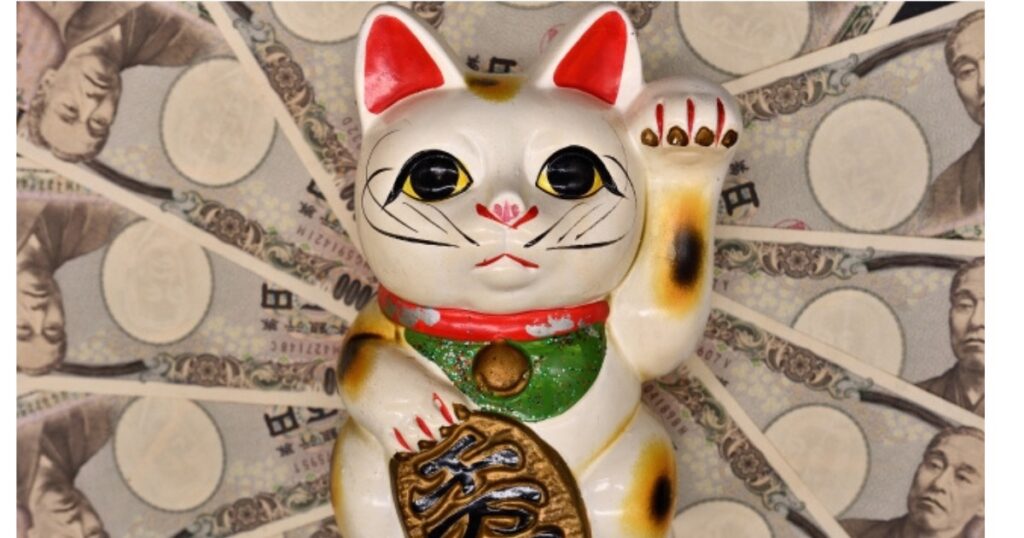
The exact origin of the maneki neko is uncertain, but one widely accepted theory traces it back to Imado ware in Asakusa during the Edo period.
These early clay cats were sold around Asakusa, giving rise to what later became the iconic beckoning cat.
By the mid-19th century, maneki neko figurines had started to appear more generally, and their popularity grew.
Symbolism of the Raised Paw
One of the most distinctive features of the maneki neko is its raised paw.
The gesture mimics a Japanese beckoning motion: a raised hand with the palm facing down while the fingers move up and down.
- Left paw raised
traditionally said to attract people or customers. - Right paw raised
believed to invite money, wealth, and good fortune.
Some modern figures even have both paws raised, symbolizing both protection and prosperity.
Maneki neko come in many colors and designs — each variation carries its own meaning, making your choice more intentional than just “cute.”
In this section, we break down the color symbolism, modern styles, and local design traditions.
Color Symbolism in Maneki Neko
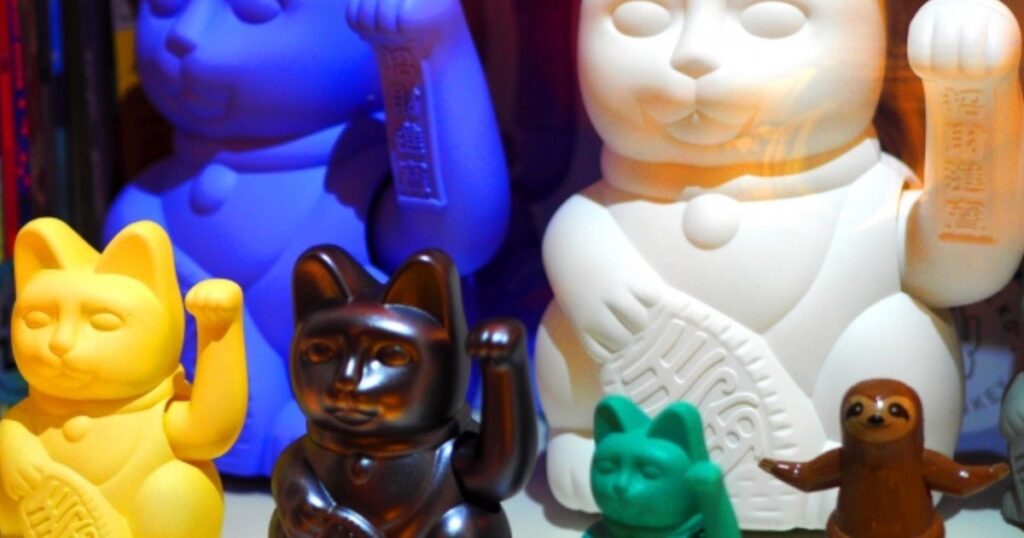
Color matters a lot when choosing a maneki neko souvenir, because each hue is said to attract different kinds of luck.
Here are some of the most common interpretations:
| Color | Symbolic Meaning |
|---|---|
| White | Purity, happiness, positive relationships |
| Gold | Wealth, prosperity, financial success |
| Black | Protection from evil or misfortune |
| Red | Good health, warding off disease |
| Green | Academic success, safety, growth |
These interpretations come both from traditional lore and from more modern beliefs about the maneki neko.
Symbolic Details
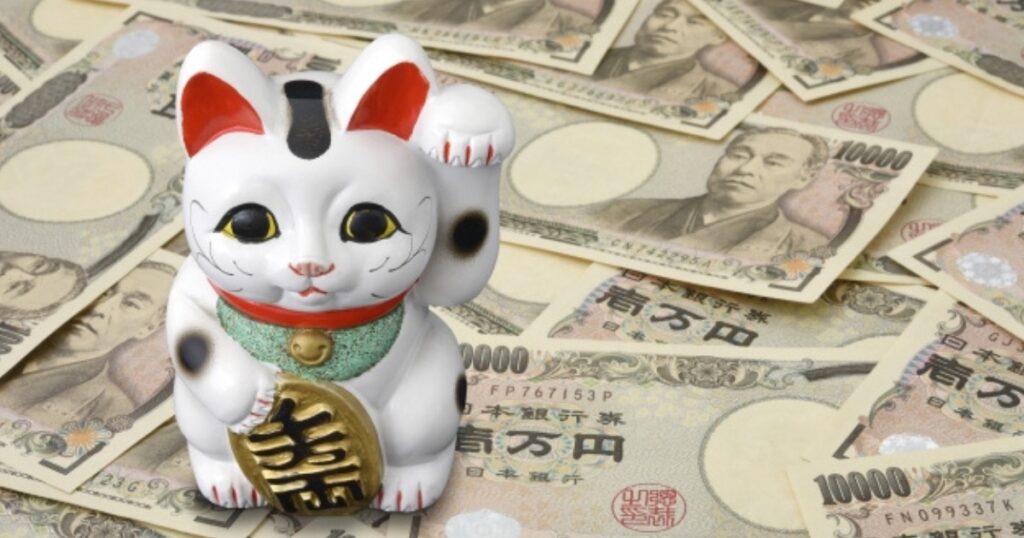
- Many cats hold a gold coin (koban), which symbolizes wealth.
- The paw height: folklore says that the higher the paw is raised, the farther its “inviting power” reaches.
- The material: ceramic is traditional and valued for craftsmanship; plastic or resin is lighter and more travel-friendly.
Why Maneki Neko Makes a Great Souvenir
Wondering why so many foreign travelers choose a maneki neko as a keepsake?
This section shows how this little cat works perfectly as a meaningful, compact, and culturally rich souvenir.
Versatility as a Souvenir
- Compact & Travel-Friendly:
Small figurines, charms, and keychains are easy to pack. - Wide Range of Prices:
From inexpensive plastic ones to handcrafted ceramic art — there is something for every budget. - Cultural Depth:
Unlike many mass-market souvenirs, a maneki neko carries folktale, tradition, and intentional symbolism. - Universal Appeal:
Many people around the world already recognize the “lucky cat” motif, making it a meaningful gift for family or friends.
Where to Buy Maneki Neko in Japan
Here are some top spots to pick up a genuine, high-quality maneki neko during your trip:
- Tokoname, Aichi Prefecture:
Visit Tokoname Maneki Neko-dori (Lucky Cat Street) and the Ceramics Hall. - Gōtoku-ji Temple (Tokyo):
Known as the “cat temple,” this is often cited as a spiritual home of the maneki neko legend. - Asakusa (Tokyo):
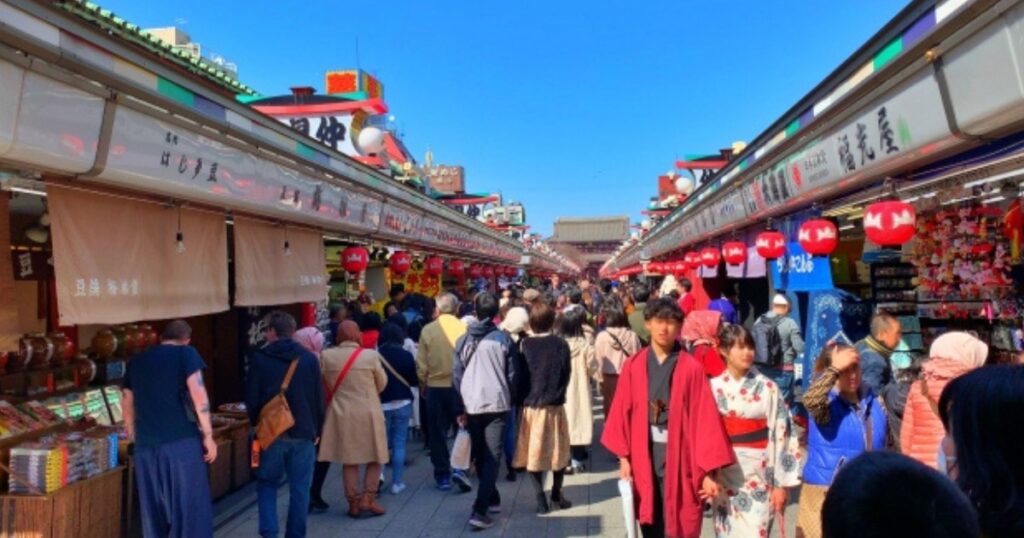
Traditional gift shops around Senso-ji Temple often sell Imado-style cats. - Tourist shops & airports:
Many of these sell mass-produced maneki neko in various designs. - Local artisan workshops:
In pottery towns (like Tokoname), you may find “paint-your-own” maneki neko experiences.
New & Trendy Products
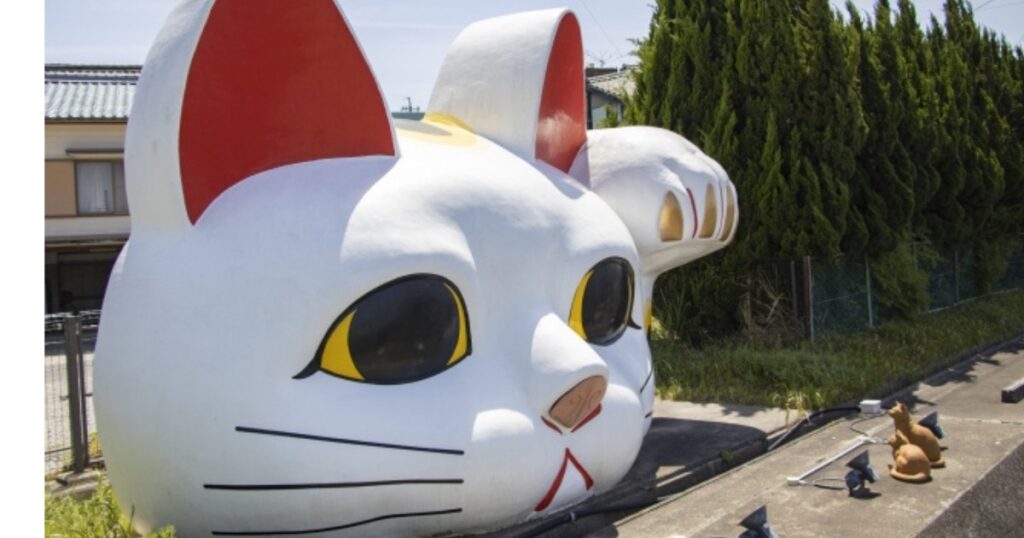
- In 2025, Tokoname City Tourism Association released new maneki neko merchandise featuring “Tokonyan,” the city’s giant guardian cat.
- These new items include acrylic stands and candies packaged with Tokonyan’s image — perfect for combining tradition with a fun, modern twist.
How to Choose the Right Maneki Neko for You or as a Gift
Choosing the right maneki neko isn’t just about what looks cute.
It’s about aligning your choice with purpose and meaning.
Here’s a practical guide to help you.
What to Consider When Choosing
- Paw Position
- Left paw → attracts people / customers
- Right paw → invites wealth / prosperity
- Both paws → protection + dual blessing
- Color Symbolism
- Decide what “luck” means for you: money, love, health, or success
- Pick a color that matches your goal (see color table above)
- Material & Size
- Ceramic: traditional, weighty, handcrafted
- Plastic / Resin: lightweight, budget-friendly, ideal for travel
- Motorized: adds charm, but slightly more delicate
- Size & Portability
- Miniature: perfect for keychains or small spaces
- Medium figurine: great for shelf or desk
- Large statue: souvenir plus art piece (e.g., Tokonyan size)
- Meaningful Gifting
- Think about the recipient’s goal (business, studies, health)
- Use color + paw symbolism to personalize
- Placement Advice
- Put your maneki neko near entrances (like doors) to “invite” luck.
- At work: on a desk or cash register if for business luck.
- At home: near windows, shelves, or special rooms based on meaning.
Caring for Your Maneki Neko
- Pack ceramic ones carefully: wrap with soft cloth, place in cushioned space.
- Clean gently: use a soft damp cloth; avoid harsh detergents.
- Keep out of extreme heat or cold if it’s made of ceramic or painted.
- For motorized cats, check battery compartments (if any) before flying — remove batteries if required.
Maneki Neko in Modern Japanese Culture & Tourism
The maneki neko isn’t just a relic.
It’s thriving in today’s tourism, pop culture, and local economies.
Here’s how the lucky cat is part of the modern Japanese landscape.
Nekonomics: The Economic Power of Lucky Cats
In towns like Tokoname, the maneki neko isn’t just a souvenir.
It’s a driver of tourism and local business.
Tokoname markets itself as “Lucky Cat Town”, positioning the cat motif at the heart of its identity.
Iconic Spots & Attractions
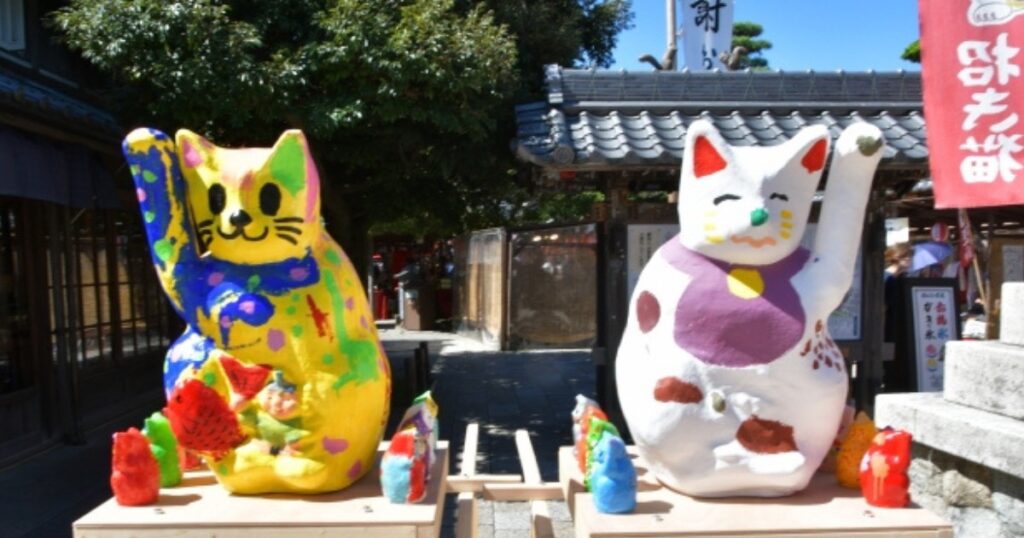
- Tokonyan Statue:
This gigantic cat statue (3.8 m × 6.3 m) welcomes visitors along Tokoname’s Lucky Cat Street. - 39 Artist Cats:
Along Maneki Neko-dori, 39 different maneki neko were created by artists, each symbolizing different blessings (e.g., health, marriage, career). - Gotoku-ji Temple:
Known as the “cat temple,” its grounds are filled with maneki neko donated by visitors.
Cultural Relevance & Global Impact
- The concept of the “lucky cat” has reached a global audience: maneki neko images are used in restaurants, retail, and pop culture around the world.
- In recent news, nearly 500 maneki neko figurines were stolen from Gordon Ramsay’s London restaurant “Lucky Cat,” highlighting how these cats are recognized (and valued) far beyond Japan.
- Local tourism associations continue to innovate: in 2025, new promotional campaigns for Tokoname’s maneki neko included digital signage in major Japanese train stations.
Final Thoughts on Maneki Neko

In summary, a maneki neko souvenir isn’t just a cute trinket — it’s a meaningful piece of Japanese culture full of symbolism and history.
Whether you’re drawn to the Japanese lucky cat for its folklore, aesthetic, or positive energy, choosing the right one involves thoughtful decisions about paw position, color, size, and material.
If you’re visiting Japan soon, don’t miss the chance to pick up a maneki neko from iconic places like Tokoname’s Lucky Cat Street or Gotoku-ji Temple.
 ONO
ONOWhat kind of luck do you want to invite?
Share your favorite maneki neko design on Instagram or tag us — and may your travels bring good fortune!