Ise–Kumano–Wakayama Area Tourist Pass: Complete Guide 2026

The Ise–Kumano–Wakayama Area Tourist Pass is one of Japan’s most scenic and underrated regional rail passes.
Designed specifically for foreign travelers, it connects spiritual shrines, rugged coastlines, and ancient pilgrimage trails across the Kii Peninsula.
With five full days of unlimited travel, this pass opens access to areas that most tourists never reach.

Written by
Ono
Chief of Japan Trails.
>>>More
Ise–Kumano–Wakayama Area Tourist Pass Overview

What is the Ise–Kumano–Wakayama Area Tourist Pass?
This special regional pass offers unlimited rides on JR conventional lines and designated local buses across the Ise, Kumano, and Wakayama areas.
https://touristpass.jp/en/ise_kumano/
It’s valid for five consecutive calendar days (from midnight to midnight) and is available only to foreign visitors entering Japan under a “Temporary Visitor” visa status.
Unlike the nationwide JR Pass, this one focuses on the spiritual heart of Japan’s Kansai region where you can explore Ise Grand Shrine, Kumano Kodo, Nachi Falls, and the onsen towns of Wakayama with one convenient ticket.
Key Features & Benefits
The pass covers unlimited rides on JR lines between Nagoya, Ise, Shingu, Kii-Katsuura, Shirahama, and Wakayama, including local and limited express trains.
It also includes private lines such as the Ise Railway and the Wakayama Electric Railway, as well as selected bus routes to Nachi, Hongu, and Ise shrines.
You can even reserve seats on limited express trains—up to six times free of charge—to make long journeys comfortable.
>>>Buy Ise–Kumano–Wakayama Area Tourist Pass
Ise–Kumano–Wakayama Area Tourist Pass : Pricing and Eligibility
When choosing any JR regional pass, it’s essential to understand the cost, validity, and purchase conditions.
Below are the most up-to-date details for 2026.
Price & Validity Period
The Ise–Kumano–Wakayama Area Tourist Pass offers great value for long-distance travelers exploring multiple cities.
The following table summarizes the price and eligibility by age:
| Category | Price (JPY) | Notes |
|---|---|---|
| Adult | ¥16,500 | 5 consecutive calendar days (midnight–midnight) |
| Child (6–11 yrs) | ¥8,250 | Half price of adult fare |
| Infant (under 6) | Free | Must share a seat with an accompanying adult |
The pass is valid for five consecutive calendar days, meaning once you start using it, all five days count regardless of travel hours.
You can choose any start date within one month of exchanging the voucher.
It cannot be paused or split across non-consecutive days, so plan your itinerary carefully to make full use of it.
Eligibility & Where to Buy
This pass is exclusively for foreign visitors who enter Japan on a “Temporary Visitor” visa status.
The pass must be purchased in advance outside Japan or via authorized online sellers such as Klook or Japan Rail Club.
After buying, you’ll receive an exchange voucher, which must be exchanged in Japan for the actual pass.
Exchange counters are available at major JR Central and JR West stations such as Tokyo, Shinagawa, Nagoya, Kyoto, Osaka, and Wakayama.
Always bring your passport when redeeming the pass—it’s required for verification.
Ise–Kumano–Wakayama Area Tourist Pass Coverage & Routes
The true value of this pass lies in its broad coverage.
With trains, buses, and even some private lines included, it lets you journey deep into rural Japan where regular passes can’t reach.
Rail & Bus Lines Included
The pass grants unlimited rides on JR conventional lines between Nagoya and Osaka, via Ise, Shingu, and Wakayama.
Private lines like the Ise Railway and the Wakayama Electric Railway (famous for its “Tama the Cat Stationmaster”) are also included.
Several bus routes operated by Mie Kotsu and Kumano Kotsu are covered too, such as those to Nachi Falls, Hongu Taisha, and Ise Grand Shrine.
A few sightseeing routes within the coverage map are marked with a “※” symbol, meaning an extra fare may apply even if they lie within the region.
Always double-check at local bus counters before boarding.

Recommended 5-Day Sample Itineraries
If you’re unsure how to plan your trip, here’s a model route that maximizes the pass’s value:

Take the Rapid Mie train to Ise, visit the Ise Grand Shrine’s Naikū and Gekū shrines, and stroll through Okage Yokocho’s Edo-style streets.

Head south along the coastline toward Kumano City. Stop in Owase or Kihō for seaside views and quiet fishing towns before arriving in Shingu.

From Shingu or Kii-Katsuura, use the included Kumano Kotsu bus to reach Nachi Falls and the towering Seiganto-ji Temple—two of Japan’s most sacred pilgrimage sites.

Travel inland to Hongu Taisha, then relax in Yunomine Onsen, a UNESCO World Heritage site where pilgrims have bathed for centuries.

Head west to Wakayama, explore Wakayama Castle, or visit Kishi Station on the Wakayama Electric Railway to meet the famous cat stationmaster before returning to Osaka or Nagoya.
This itinerary mixes temples, coastlines, hot springs, and hidden shrines—all perfectly connected by the Ise–Kumano–Wakayama Area Tourist Pass.
>>> Check details of Ise–Kumano–Wakayama Area Tourist Pass
Ise–Kumano–Wakayama Area Tourist Pass : Value Analysis
With train and bus fares rising across Japan, regional passes like this can save travelers a significant amount—if used strategically.
Breakdown: Using vs Buying Individually
Let’s compare the approximate total cost of individual tickets versus using the Ise–Kumano–Wakayama Area Tourist Pass.
Prices below are based on standard adult fares as of 2025.
| Route / Item | Without Pass | With Pass (¥16,500 / 5 days) | Notes |
|---|---|---|---|
| Nagoya → Kii-Katsuura (Limited Express “Wide View Nanki”) | ¥9,000 | Included | 1 reserved seat per trip |
| Kii-Katsuura → Nachi Falls (Kumano Kotsu Bus) | ¥1,100 | Included | Covered by pass |
| Shingu → Hongu Taisha (Bus) | ¥1,600 | Included | Covered by pass |
| Kii-Katsuura → Osaka (Limited Express “Kuroshio”) | ¥8,300 | Included | 1 reserved seat per trip |
| Total (Individual Tickets) | ≈ ¥23,000 | ¥16,500 | Save around ¥6,500 |
As shown, a single round trip across the Kii Peninsula with side trips to Nachi and Hongu can easily cost ¥23,000 or more if purchased separately.
In contrast, the 5-day pass costs just ¥16,500, giving you an estimated savings of about ¥6,000–¥7,000 depending on your route and seat reservations.
However, if your journey is short—say, only between Ise and Shingu—the total might not exceed the pass price.
In such cases, buying individual tickets can be more economical.
But if you’re planning a multi-city itinerary that includes Nagoya, Ise, Kumano, and Wakayama, this pass pays for itself quickly and provides unmatched convenience.
Who Should Use the Pass?
This pass is perfect for travelers who love nature, culture, and slow travel.
It’s designed for those exploring Japan beyond the Golden Route—people drawn to shrines, waterfalls, and small towns.
Backpackers, photographers, and spiritual travelers find it especially rewarding.
However, if your schedule is tight or you plan to spend most of your time in Osaka or Nagoya, this pass might not be necessary.
Ise–Kumano–Wakayama Area Tourist Pass : Tips

Before purchasing, be sure you understand the usage rules and a few practical travel tips.
Seat Reservations, Restrictions & Blackout Periods
You can make up to six free reserved seat bookings on limited express trains such as the “Wide View Nanki” or “Kuroshio.”
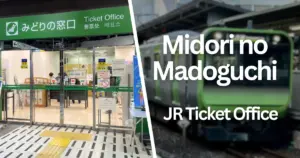
Reservations can be made at any JR ticket counter (“Midori no Madoguchi”) or at English-supported vending machines.
Some online reservation systems also accept this pass, but seat availability during holidays or cherry blossom season can be limited, so book early.
The pass does not cover the Shinkansen or Nankai Electric Railway (to Koyasan).
Some special buses or scenic routes may require an additional fare marked with “※.”
If a train or bus is temporarily replaced due to maintenance or weather, the substitute service may not always be included.
Tips for Making the Most of the Pass
Start your days early to make full use of each calendar day.
Combine long train rides with sightseeing stops along the way—such as Owase for coastal views or Shirahama for its beaches and onsen.
When moving between towns, use the included buses to reach remote spots like Nachi or Hongu.
And keep your pass and passport together—both are required for ticket checks.
Quick Tips Summary:
- Make seat reservations early—especially during Golden Week and cherry blossom season.
- Focus on long-distance segments to maximize savings per day.
- Start your days early to use the full 5-day validity.
- Use included buses to reach remote areas (Nachi, Hongu, Ise).
- Keep your pass + passport together at all times.
- Combine train travel with coastal and onsen stops for variety.
Limitations & Things It Doesn’t Cover
This pass is non-transferable and can only be used by the registered holder.
If lost, it cannot be replaced, and refunds are only possible before activation (with a small handling fee).
The pass covers JR conventional lines only, not the Shinkansen, and does not include urban subways or private commuter lines outside the coverage map.
Also, note that high-speed ferry routes and mountain cable cars are excluded.
How to Book the Ise–Kumano–Wakayama Area Tourist Pass

Purchasing and activating the pass is straightforward. Here’s how to do it smoothly.
Step-by-Step Booking Process
Purchase the pass online from an authorized agent before arriving in Japan (e.g., Klook, Japan Rail Club, JTB).
Receive an exchange voucher by email or mail.
Upon arrival in Japan, go to a JR Central or JR West exchange office in Tokyo, Shinagawa, Nagoya, Osaka, Kyoto, or Wakayama.
Present your passport and voucher to receive the physical pass.
Specify the start date—you can choose any date within a month of exchange.
Activating & Using the Pass on the First Day
On your first day, the pass becomes active once stamped with the chosen start date.
Simply show it at manned ticket gates when entering or exiting stations.
For limited express trains, show both your reserved seat ticket and the pass to the conductor.
You can start traveling immediately after activation.
Daily Use & Seat Reservation During Travel
Each day, you’re free to hop on and off local or express trains within the area.
When making seat reservations, visit a JR counter or use a ticket machine—your first six limited express reservations are free.
Keep track of how many reservations you’ve made to avoid exceeding your limit.
If you miss your reserved train, you can still use non-reserved seats on the next available service.
FAQ About Ise–Kumano–Wakayama Area Tourist Pass
Before you buy, here are some of the most frequently asked questions from travelers planning to use this pass.
- Where can I buy the Ise–Kumano–Wakayama Area Tourist Pass?
-
You can buy it online through official partners like Klook or Japan Rail Club. Once in Japan, redeem your voucher at designated JR Central or JR West counters.
- Can I purchase it after arriving in Japan?
-
No. The pass itself cannot be bought within Japan, though exchange offices are located nationwide for voucher redemption. Purchase must occur before entry to Japan.
- Can I reserve seats on limited express trains?
-
Yes, up to six free seat reservations are included. After you’ve used all six, further reservations will cost a small fee per ride.
- Are buses to Nachi Falls and Hongu included?
-
Yes. Buses operated by Kumano Kotsu and Mie Kotsu serving Nachi, Hongu, and Ise are included, though some scenic routes may require a small supplement.
- Is it valid from Osaka or Nagoya?
-
Yes, you can start from either Nagoya or Osaka using JR conventional lines (not the Shinkansen). This flexibility allows you to plan a circular route around the peninsula.
- Can more than one person use the same pass?
-
No. The pass is strictly personal and non-transferable—it must match the holder’s passport information.
- What happens if I lose the pass?
-
Lost passes cannot be reissued. If misplaced, you’ll need to purchase regular tickets for the rest of your journey, so handle it with care.
Final Thoughts on the Ise–Kumano–Wakayama Area Tourist Pass

The Ise–Kumano–Wakayama Area Tourist Pass is a gateway to one of Japan’s most spiritual and scenic regions.
For travelers seeking a blend of pilgrimage trails, cultural heritage, and natural beauty, it provides unbeatable convenience and flexibility.
With trains and buses reaching deep into areas like Ise, Nachi, and Yunomine, it opens the door to authentic Japan far beyond Tokyo or Kyoto.
Japan Trails Newletter

Explore Tokyo with a Local!!

We offer tailored private tours designed for small groups. Prices start from 200 USD per person, and every itinerary can be fully customized.