Travel Insurance for Japan With Kids: What Parents Should Check
Quick answer
- Travel insurance is not something you show at immigration, but the Japan National Tourism Organization (JNTO) strongly recommends it for all travellers, and with children I would not skip it.
- A family without cover can be charged the full amount at a Japanese hospital, and small clinics usually take cash only.
- Choose a policy with cashless medical service, hospital referral and interpretation, and check that every child is named on it.
Do You Need Travel Insurance for Japan With Kids?
Japan does not ask to see a policy at immigration, but the Japan National Tourism Organization (JNTO) says travel insurance is strongly recommended for all travellers. With children, it is one of the few things I would not skip.
Children get fevers, stomach bugs and scraped knees more often than adults, and they rarely choose a convenient day. JNTO also cites a Japan Tourism Agency survey that found roughly one traveller in twenty gets sick or injured abroad.
In a family of four, that means four chances.
Below, I cover what a hospital visit in Japan looks like for a visiting family, what to check in a family policy, and who to call in English if your child gets sick in Tokyo. This is general information, not financial or medical advice.
Rules and products change, so confirm the details with the official pages linked here and with your insurer before you fly.
For the paperwork side of the trip, see our guide to Japan entry requirements.
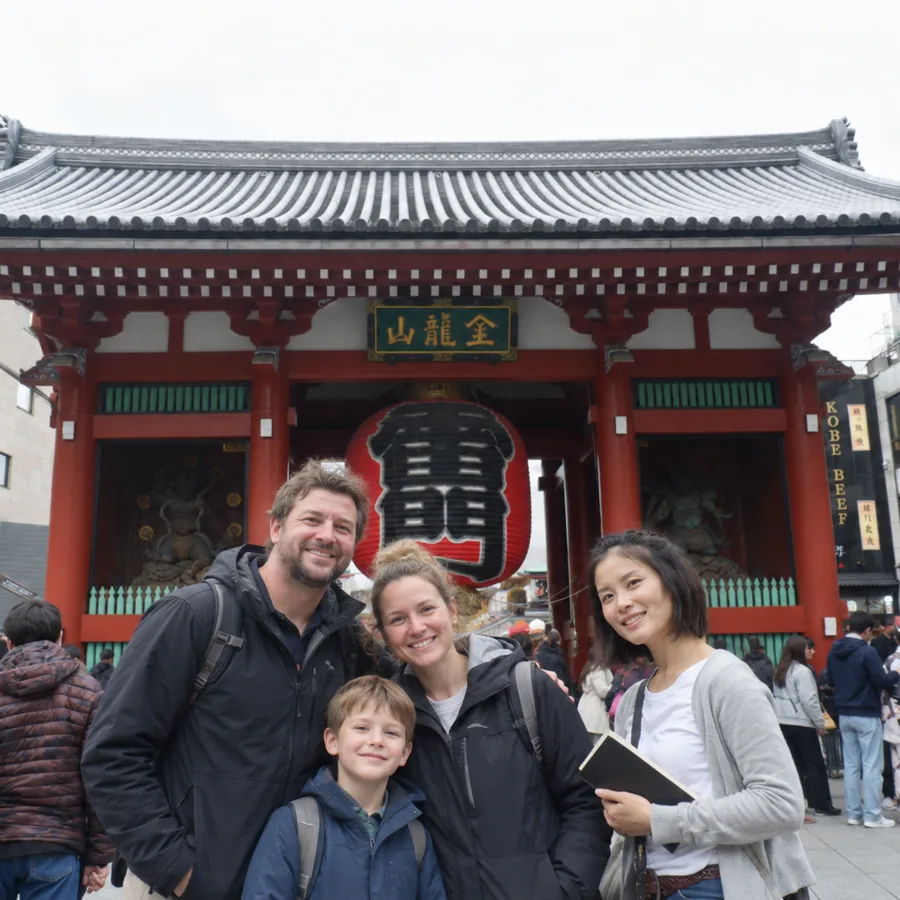
What a Hospital Visit Costs a Visiting Family
A short clinic visit for a fever usually costs little, but a hospital stay can cost a great deal. JNTO's guide for visitors who feel ill warns that without travel insurance you may be charged the full amount, and the hospital will expect it to be settled.
JNTO publishes two real cases, supplied by an assistance company, to show how high a bill can go once surgery, a long stay and a flight home with a doctor are involved.
| Case | Treatment | Total cost |
|---|---|---|
| Bicycle collision | Surgery, 19 days in hospital, doctor escort and flight home | ¥7.5 million |
| Heart attack | Surgery, 45 days in hospital, doctor escort and flight home | ¥10 million |
These are adult cases, but the flight home with a medical escort is a large part of each bill, and a child would need one just as an adult would.
JNTO describes payment like this.
- Cards or cash. Credit cards are accepted only at major hospitals. Small clinics, where you are most likely to take a child with a cold, generally take cash only.
- Estimates. You can ask at reception for a general estimate of the cost before treatment.
- Medicine. After the consultation you usually take a prescription to a separate pharmacy and pay there separately. Some clinics hand out medicine themselves.
- Unpaid bills. Since 2021, visitors who leave medical bills unpaid may be restricted or refused entry to Japan on a later trip.
What a Family Travel Insurance Policy Should Cover
The policy that suits a family in Japan pays the hospital directly, helps you talk to the doctor, and can get a sick child home. The Embassy of Japan in the United States recommends cover that includes hospital referrals, medical interpretation and cashless medical services.
I do not recommend particular insurers, so compare the policy wording instead.
The Core Benefits
- Medical treatment and hospital stays. There is no official minimum. JNTO's examples reached ¥7.5 million and ¥10 million, so choose a medical limit comfortably above that for each person.
- Emergency evacuation and repatriation. Check that it covers a parent travelling with a sick child as well as the patient.
- Cashless medical service. The insurer settles with the hospital so you do not pay on the spot. JNTO notes that cashless conditions vary by insurer, so read them before you leave.
- Hospital referral and interpretation. A 24-hour phone line that can find a hospital with English support and interpret for you matters more with a frightened child than a slightly cheaper premium.
- Third-party liability. JNTO suggests checking whether damage to other people or property is covered, which is useful with energetic children in shops, hotels and on rental bicycles.
The Family Details Insurers Ask About
Is every child named?
Check that each child and baby is listed on the policy and that the medical and evacuation limits apply to every traveller, including the adult who bought it.
Are pre-existing conditions declared?
JNTO notes that a chronic disease will affect your coverage. Childhood asthma, food allergies and eczema are the usual ones to raise with the insurer before you buy.
Are your planned activities covered?
JNTO also says some dangerous activities may be excluded. If a ski day in Nagano or Niigata is part of the trip, check that snow sports are included for the children too.

Babies, Pregnancy and Children's Medicines
Check the three situations below before you book the flights, because they are hard to fix once you are in Japan.
Travelling while pregnant. The Embassy of Japan in the United States points out that perinatal medical care is not typically covered by travel insurance and can be expensive.
If anyone in your group is expecting, ask the insurer in writing what is and is not covered.
Travelling with a baby. Make sure the baby is on the policy by name, even if the airline ticket is a lap-infant fare. It helps to carry a note of the baby's weight, feeding and any medicines, so you are not answering from memory at a clinic.
Bringing a child's regular medicine. Depending on the type and amount, medicine brought into Japan for personal use may need an import certificate called the Yunyu Kakunin-sho, which you must apply for and receive before leaving.
The US embassy advises applying at least two weeks before travel, to the Regional Bureau of Health and Welfare nearest your arrival airport. Medicines classed as narcotics in Japan need separate advance permission.
Is Your Credit Card Cover Enough for the Whole Family?
Possibly, but do not assume it. JNTO notes that some credit card companies offer travel insurance and advises asking the card provider for the details before you leave.
Card cover varies from card to card, and the gaps tend to fall on children.
Ask the card provider these questions.
- Does the cover apply only if you paid for the trip with that card?
- Are your children and spouse covered, or only the cardholder?
- Is medical care cashless, or do you pay first and claim back later?
- What is the medical limit per person, and does it include evacuation?
- Is there an English-speaking assistance line that can find a hospital in Japan?
The same goes for your health plan at home. Ask your insurer directly whether and how it pays for treatment in Japan. If any answer is unclear, a separate family travel policy is the safer choice.
Can You Buy Travel Insurance After Arriving in Japan?
Yes. JNTO lists a travel insurance plan that can be bought online only after you have entered Japan. The page cannot be opened before entry, and the plan is a fallback for families who arrive without cover, not a substitute for planning ahead.
According to JNTO, the in-Japan plan includes the following.
- Medical cover of up to ¥10 million
- Interpretation, plus help finding and arranging a hospital
- Negotiation of cashless payment for medical expenses
Buying before you leave home still gives you more, such as cover for trip cancellation, lost luggage and the flights themselves, and a policy written in your own language. If you realise at the airport that you forgot, buying after arrival is far better than nothing.
What Happens If Your Child Gets Sick in Japan
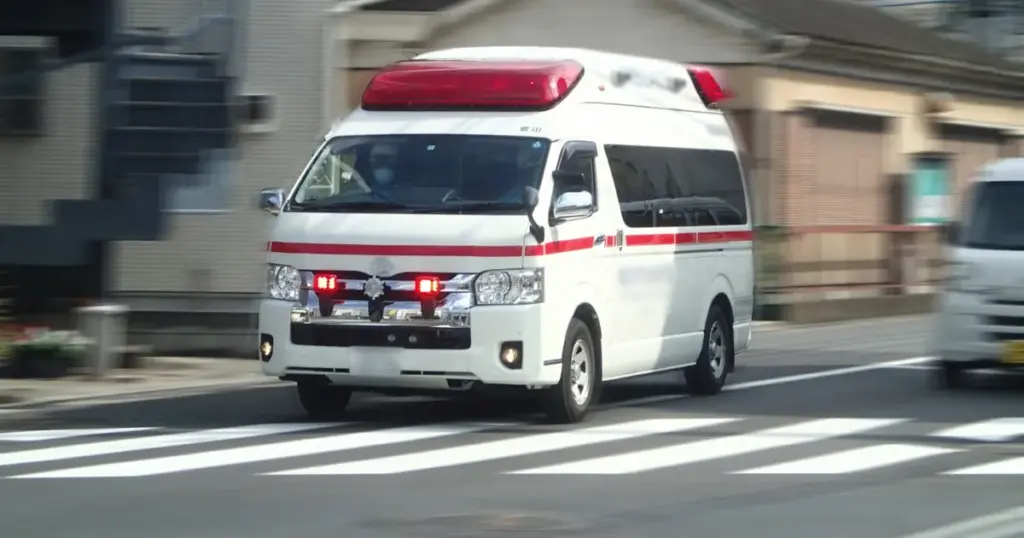
In an emergency, call 119 for an ambulance and contact your insurer's assistance line as soon as you can. For anything less urgent, find a clinic with English support and call before you go.
JNTO lists children's illnesses under pediatrics, the department to ask for.
 ONO
I recommend travel insurance to every family, so that an accident, an illness or a theft abroad does not turn into a problem you cannot handle.
Step by Step
- Emergency. Dial 119 when someone is seriously sick or injured. If you cannot explain, JNTO suggests showing a nearby Japanese person a request to call an ambulance. You cannot choose which hospital you are taken to.
- Not an emergency. Use JNTO's medical institution search, which shows nearby hospitals and clinics with their departments and languages. JNTO asks you to contact the clinic before visiting, since language support is limited.
- Help in English, any time. The Japan Visitor Hotline, 050-3816-2787, answers 24 hours a day, every day, in English, Chinese and Korean, for illness, accidents and disasters.
- Tokyo hospital information. The Tokyo Metropolitan Health and Medical Information Center (Himawari) answers on 03-5285-8181 in English and four other languages, Monday to Friday, 9 a.m. To 8 p.m., according to Chuo City.
- At reception. Have your insurance documents and the assistance line number ready. JNTO's printable medical information sheet and symptom pointing sheet help when a child cannot describe what hurts.
What I Do on a Tour
On our family days in Tokyo, I keep the hotline number and the nearest clinic in mind for each area we walk through, and I plan rest stops around naps and meals. That is part of our Tokyo private tour with kids, and our custom tours plan Kamakura, Hakone and Mt. Fuji days the same way.
You can see all our private tours for families on the home page.
Typhoons, Earthquakes and Cancelled Flights
Weather and disasters affect a family trip more often through cancelled transport than through injuries. JNTO notes that Japan is prone to natural disasters such as typhoons, earthquakes, tsunamis and volcanic eruptions, so read the travel sections of the policy as carefully as the medical ones.
Ask the insurer three things.
- When cancellation cover starts, and whether a storm already forecast when you buy is excluded.
- Whether delays pay for an extra hotel night or meals for the whole family.
- Whether natural disasters are excluded, in full or in part.
During any disaster, follow staff instructions and use the official sources JNTO points to, including the Safety Tips app and NHK WORLD-JAPAN. If you are travelling in summer or early autumn, our guide to the best time to visit Tokyo explains the heat and typhoon months.
Family Checklist Before You Fly
Buy the policy when you book the flights, check that it names everyone, and keep proof of it on paper as well as on your phone. JNTO also advises keeping your insurer's emergency number on you.
| Before you leave | Why it matters |
|---|---|
| Every child and baby named on the policy | Limits apply per traveller |
| Medical limit above ¥10 million, with evacuation | JNTO's examples reached ¥7.5 to ¥10 million |
| Cashless service, referral and interpretation | Recommended by the Embassy of Japan |
| Asthma, allergies and other conditions declared | Chronic disease affects coverage |
| Yunyu Kakunin-sho, if a child's medicine needs one | Apply at least two weeks before travel |
On the day you arrive, have these ready.
- Policy number and assistance line printed in each adult's bag
- Japan Visitor Hotline (050-3816-2787) saved in your phone
- Some cash for small clinics and pharmacies
- JNTO's medical information sheet filled in for each child
For the rest of the trip, read our guides to Tokyo with kids, Japan travel tips for first-timers and Visit Japan Web.
Frequently Asked Questions
- Do I need travel insurance for Japan with a baby?
-
It is not checked at immigration, but JNTO strongly recommends it for all travellers. With a baby, make sure the baby is named on the policy, that cashless hospital payment and interpretation are included, and that the medical and evacuation limits apply to every family member.
- What happens if my child gets sick in Japan?
-
For an emergency, dial 119. Otherwise, find a pediatric clinic through JNTO's medical institution search and call ahead to check language support. The Japan Visitor Hotline (050-3816-2787) helps in English 24 hours a day. Without insurance you may be charged the full cost.
- Can a tourist child go to a hospital in Japan?
-
Yes. Visitors can be treated at Japanese clinics and hospitals, but you pay for the care yourself unless your insurer pays directly. Major hospitals take credit cards, but small clinics are generally cash only. Ask for an estimate at reception.
- Is family travel insurance for Japan different from single cover?
-
The benefits are the same kind, but check how the limits work. Confirm that each child is named, that the medical and evacuation limits apply per traveller, and that a parent's travel to stay with a hospitalised child is covered.
- Is my credit card's travel insurance enough for a family trip to Japan?
-
Sometimes. Ask the card provider whether children and a spouse are covered, whether you had to pay for the trip with that card, whether medical care is cashless, and what the evacuation limit is. JNTO advises checking these details before you leave.
- Can I buy travel insurance after arriving in Japan?
-
Yes. JNTO lists a plan that can be bought online only after you enter Japan. It covers medical costs up to ¥10 million and includes interpretation, hospital arrangement and negotiation of cashless payment.
Sources
https://www.japan.travel/en/plan/travel-insurance-in-japan/
https://www.jnto.go.jp/emergency/eng/mi_guide.html
https://www.jnto.go.jp/emergency/eng/do_travel_insurance04.html
https://www.japan.travel/en/plan/emergencies/
https://www.japan.travel/en/plan/hotline/
https://www.us.emb-japan.go.jp/itpr_ja/travel.insurance.html
https://www.us.emb-japan.go.jp/itpr_en/bringing-medications-to-japan.html
https://www.city.chuo.lg.jp/en/consultation/medical.html
Plan a Private Day with a Local

Every tour is private, for your group only, and planned with you before you arrive. From US$550 per group for a day on foot in Tokyo or Yokohama, or from US$890 for a day trip by train to Kamakura, Hakone or Mt. Fuji. Travelling with children? See our Tokyo private tour with kids.
Free Consultation
Japan Trails Newsletter
Free Newsletter Sign‑Up
Subscribe to our newsletter and receive a handpicked list of restaurants that Japanese locals go to.