A Complete Guide to Ehomaki
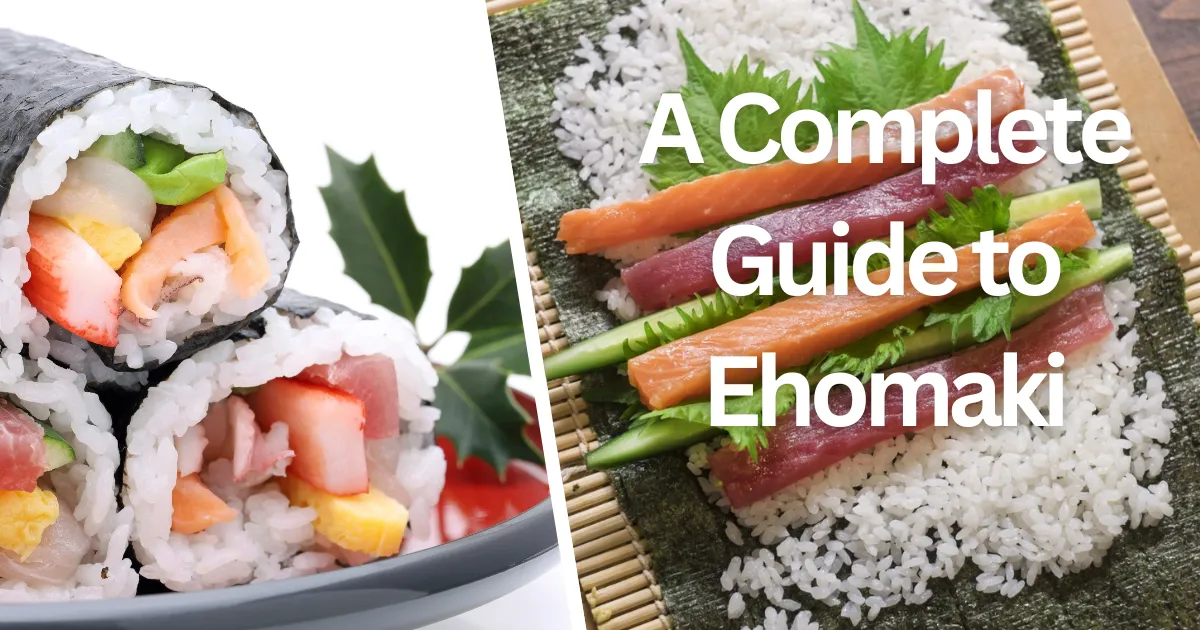
Ehomaki is a unique Japanese food tradition that appears only once a year, yet dominates supermarkets and convenience stores every February.
For many international visitors, the sight is puzzling: people silently eating an uncut sushi roll while carefully facing a specific direction.
What Is Ehomaki?
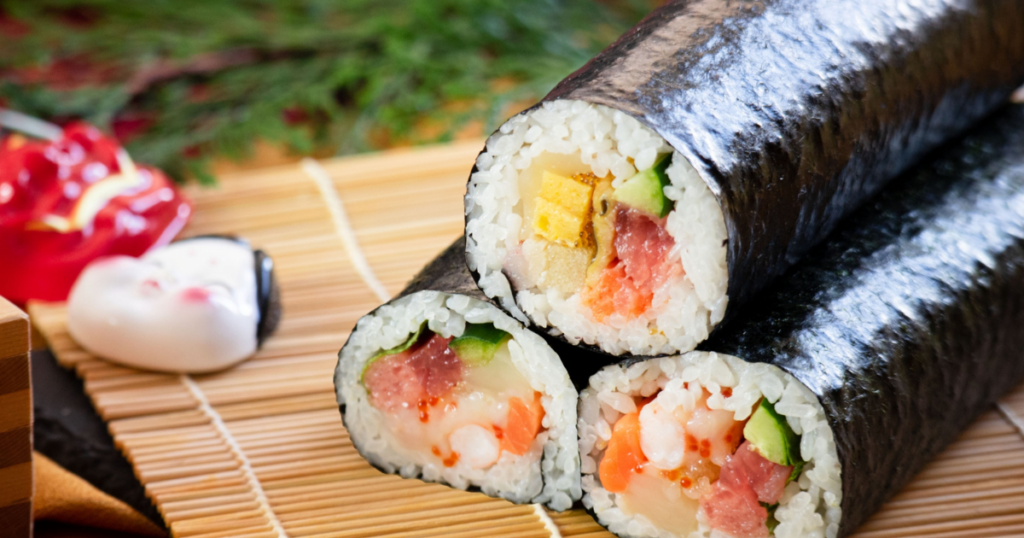
Ehomaki is a special type of sushi roll eaten exclusively on Setsubun, a seasonal turning point in Japan.
Although it visually resembles futomaki, its cultural role and eating rules are entirely different.
Understanding these distinctions allows travelers to appreciate Ehomaki as a symbolic act rather than just a meal.
Definition of Ehomaki
Ehomaki is a thick sushi roll eaten whole while facing a designated direction believed to bring good fortune for the year.
The roll is consumed in silence, without cutting, and ideally in one continuous motion.
Ehomaki functions as a form of personal ritual connected to annual wishes.
Difference Between Ehomaki and Futomaki
Ehomaki and futomaki often look identical, which leads to frequent confusion.
Futomaki is a shared dish, sliced and enjoyed casually throughout the year.
Ehomaki, however, is tied to a specific date, direction, and behavior, making context important.
Ehomaki and Setsubun – Cultural Background
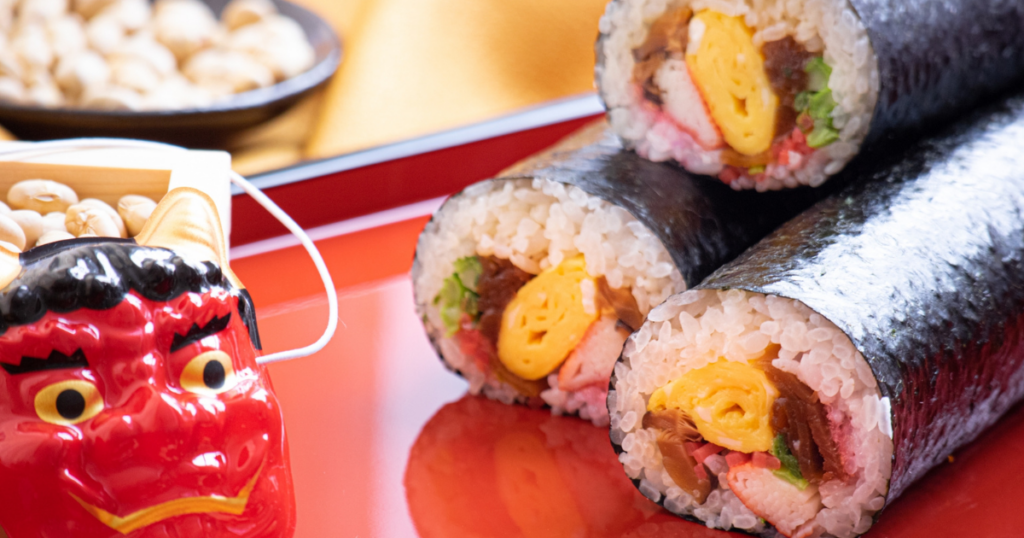
Ehomaki cannot be fully understood without Setsubun, one of Japan’s most important seasonal observances.
Setsubun represents a symbolic boundary between seasons and has long been associated with purification and renewal.
Why Ehomaki Is Eaten on Setsubun
Ehomaki is eaten on Setsubun as an act of inviting good fortune into the new season.
By eating silently and completely, participants symbolically concentrate their wishes for the coming year.
The Lucky Compass Rule
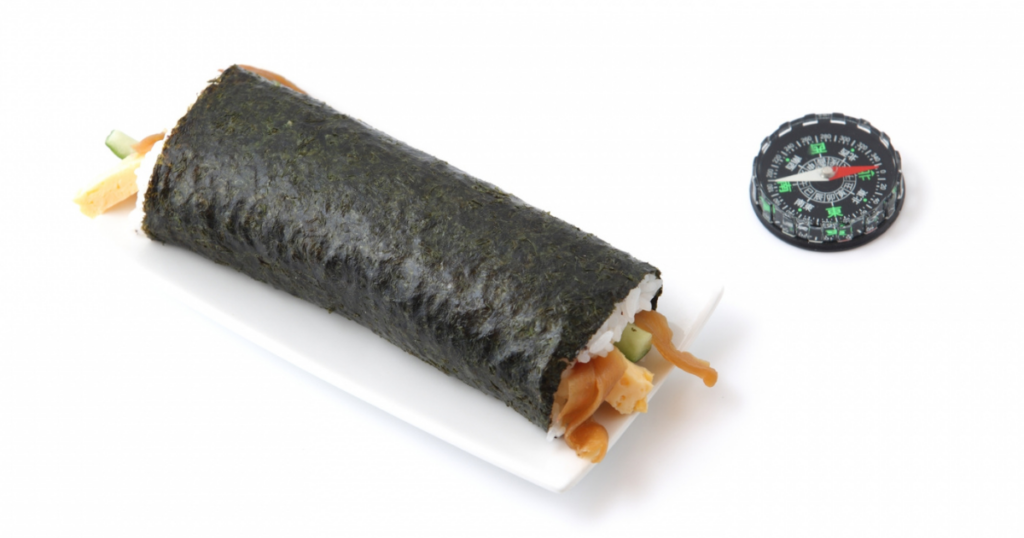
One of the most distinctive aspects of Ehomaki is the importance of direction.
Each year has a designated direction that participants are encouraged to face.
What Is the Designated Direction?
The designated direction is determined annually based on traditional calendrical systems.
It is believed to be the direction from which good fortune flows during that year.
While rooted in historical beliefs, today the direction is widely shared through media and store displays.
Ehomaki Directions by Year
| Year | Designated Direction |
| 2024 | East-Northeast |
| 2025 | West-Southwest |
| 2026 | South-Southeast |
Most stores clearly display the direction each year, so visitors do not need prior knowledge.
What’s Inside the Roll?
Ehomaki is not defined by a single recipe.
Instead, its meaning comes from symbolic ingredients traditionally associated with good fortune.
Traditional Seven Ingredients and Their Meanings
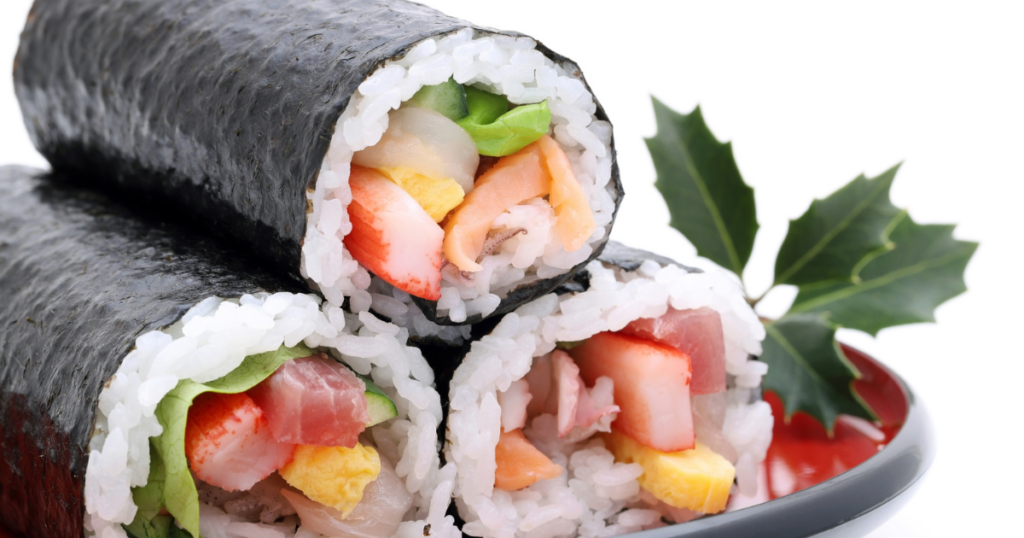
Traditionally, seven ingredients are used to represent the Seven Gods of Good Fortune.
| Ingredient | Symbolic Meaning |
| Eel | Success and strength |
| Egg omelet | Prosperity |
| Shiitake mushroom | Longevity |
| Cucumber | Growth |
| Simmered gourd (kanpyo) | Strong bonds |
| Sakura denbu | Happiness |
| Sweet soy-seasoned ingredients | Stability |
Modern and Creative Ehomaki Variations
Modern Ehomaki includes seafood-heavy rolls, meat-based options, vegetarian versions, and even dessert-style rolls.
These variations reflect contemporary lifestyles while keeping the ritual intact.
How to Eat It Properly
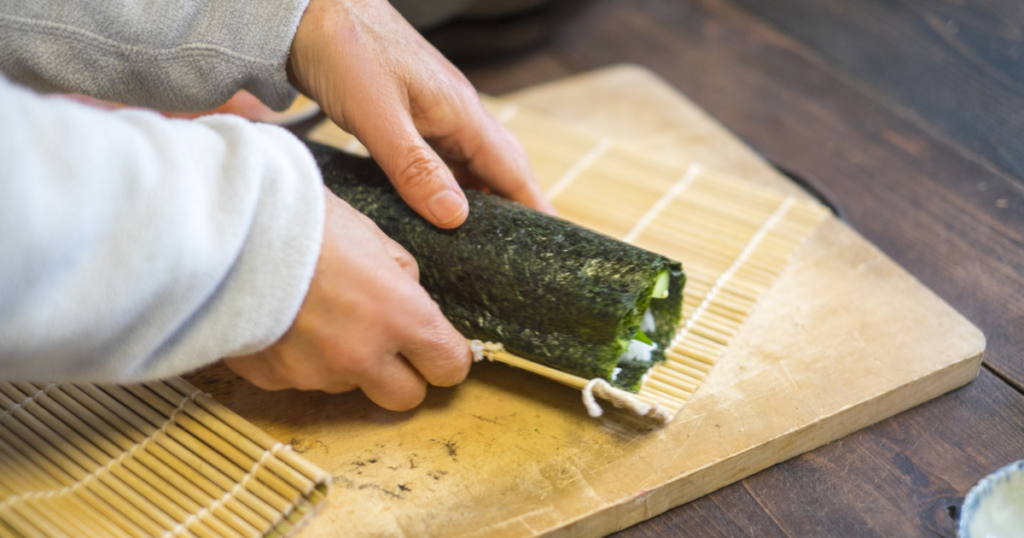
Ehomaki has a clear set of rules that distinguish it from regular sushi.
Knowing them enhances the cultural experience for visitors.
Do’s and Don’ts When Eating Ehomaki
Do
- Face the designated direction
- Eat the roll without cutting it
- Finish it in one sitting
Don’t
- Talk while eating
- Share or divide the roll
- Treat it as everyday sushi
Common Mistakes Tourists Make
Many tourists talk or laugh while eating Ehōmaki, often for photos or conversation.
According to the belief, speaking while eating allows “good fortune” to escape.
While no one will scold you, following the custom makes the experience more meaningful.
Stores and Trends
Ehomaki has evolved significantly in modern Japan.
What was once a regional custom is now a nationwide seasonal event.
Convenience stores and supermarkets have played a major role in this transformation.
Convenience Store Ehomaki Culture
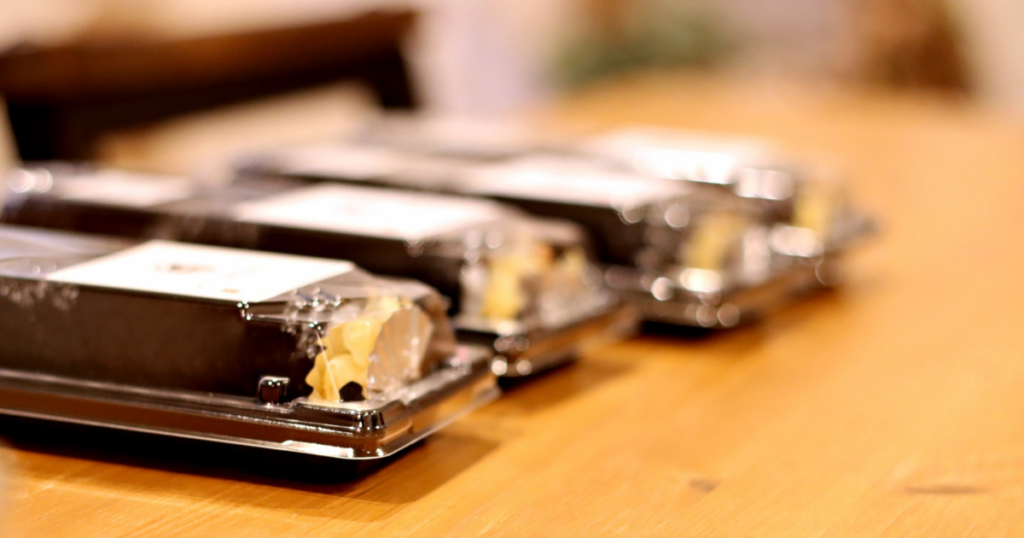
In February, convenience stores and supermarkets release multiple Ehomaki variations, often requiring pre-orders.
Limited editions and premium ingredients are common.
Food Loss and Sustainability Issues
The popularity of Ehomaki has raised concerns about food waste.
In response, many retailers now encourage reservations, smaller portions, and clearer demand forecasting.
This reflects a broader shift in Japanese society toward sustainability.
Ehomaki Experience for Tourists
Ehomaki is one of the easiest Japanese traditions for visitors to experience.
Timing and awareness are essentials.
Where to Buy Ehomaki in Japan
Visitors can find Ehomaki at:
- Convenience stores
- Supermarkets
- Department store food halls
- Local sushi shops
Best Timing and Tips for Visitors
Ehomaki is typically eaten on the evening of Setsubun.
Many travelers enjoy checking the designated direction on their phone and eating quietly in their hotel room.
This simple act often becomes a memorable cultural highlight.
FAQ – Ehōmaki Questions Travelers Often Ask
- Can I cut Ehomaki?
-
Traditionally, no. Cutting is believed to break good fortune.
- Do Japanese people truly believe it brings luck?
-
Many see it as symbolic, but still value the ritual.
- Is vegetarian Ehomaki available?
-
Yes, especially in supermarkets.
- Can I eat Ehōmaki outside Japan?
-
You can, but its cultural meaning is tied to Setsubun in Japan.
Why Ehomaki Matters
Ehomaki is more than sushi.
It represents how Japanese culture blends belief, seasonality, and everyday life into a single moment.
For visitors in Japan during February, trying Ehōmaki offers a rare chance to participate in a living tradition—quietly, simply, and meaningfully.
Japan Trails Newletter