Hatsumode in Tokyo 2026 by Train
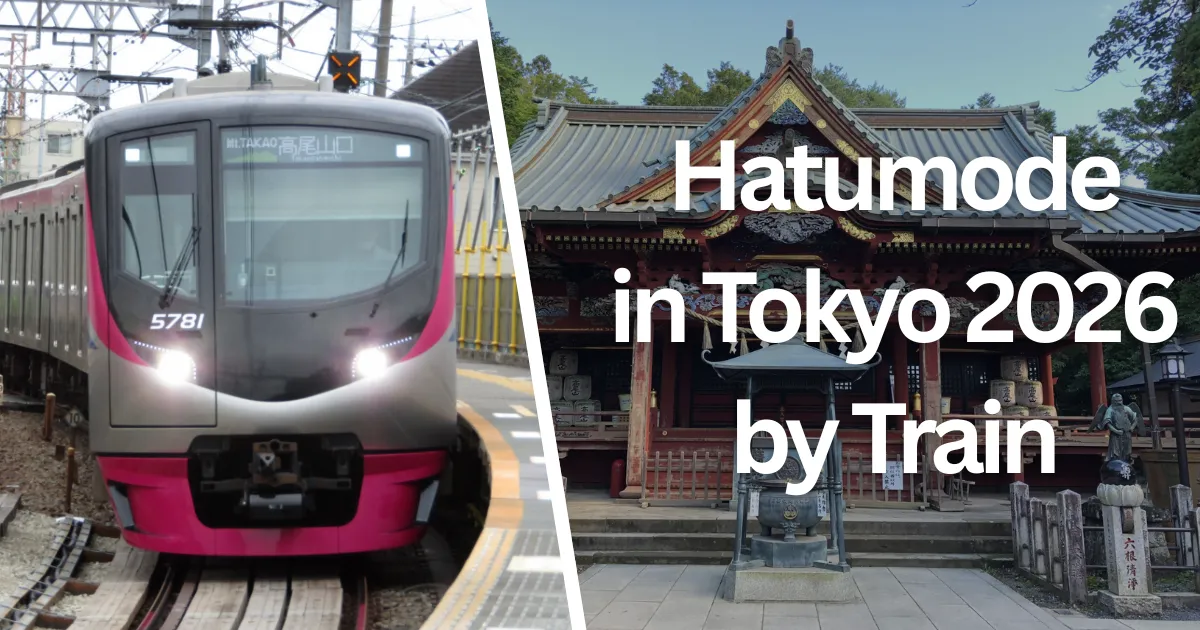
Hatsumode, the first shrine or temple visit of the year, is one of Japan’s most meaningful seasonal traditions.
In Tokyo, this custom is inseparable from railways, as millions rely on trains to visit shrines safely and efficiently during the New Year period.
This guide focuses exclusively on Tokyo-area Hatsumode by train, using officially announced New Year 2026 railway information, with special emphasis on Mount Takao via the Keio Line, the most beginner-friendly option.
Why Trains Are Essential for New Year Visits
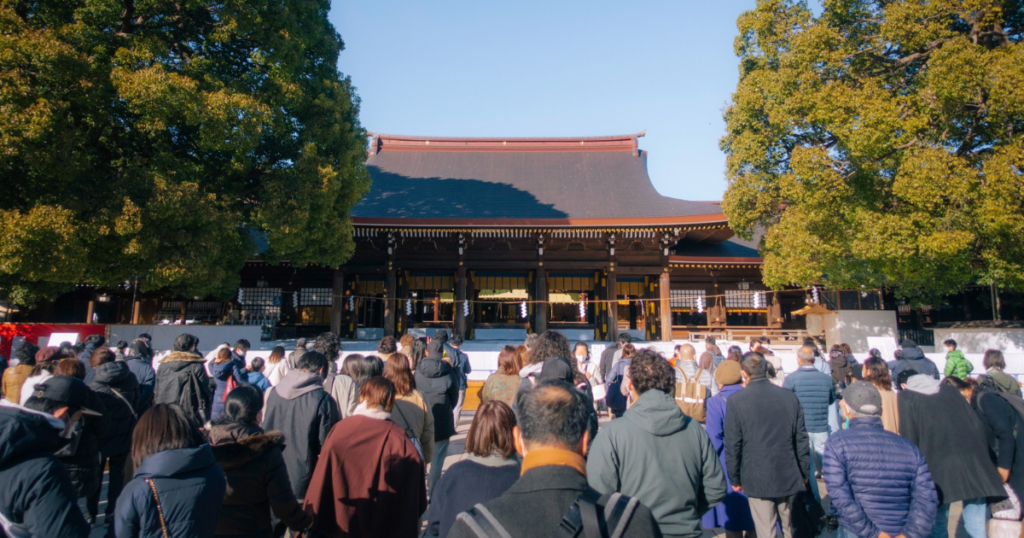
Tokyo’s Hatsumode culture is built around public transportation.
Unlike rural areas where people often drive, most Tokyo residents use trains due to road restrictions and limited parking near shrines.
For visitors, understanding this rail-centered system is the key to a smooth first Hatsumode experience.
Why Tokyo Residents Rely on Trains for Hatsumode
During New Year, traffic control is enforced around major shrines.
Railway companies publish special timetables specifically for Hatsumode demand.
As a result, trains are not just convenient but the expected way to participate.
How Rail Access Shapes Popular Hatsumode Destinations
Shrines with direct station access attract the largest crowds.
High-capacity lines allow safe crowd dispersal at midnight.
This explains the enduring popularity of Meiji Jingu, Kanda Myojin, and Mount Takao.
How Tokyo Hatsumode Differs from Other Regions
Midnight visits are common in Tokyo.
Crowd flow is carefully managed by railway and shrine staff.
Railway travel itself becomes part of the cultural experience.
When to Go and How Trains Support Each Option in Hatsumode
Choosing the right time dramatically changes your Hatsumode experience.
Tokyo railways are designed to support multiple visiting patterns.
Beginners should decide based on comfort, not tradition alone.
Midnight Hatsumode on January 1st
This is the most iconic but busiest option.
Officially announced overnight train services operate during this period.
Expect crowds, excitement, and long queues.
Morning and Daytime Visits on January 1–3
Many locals prefer daytime Hatsumode.
Regular holiday timetables apply, with increased staffing.
This option is calmer and easier for first-time visitors.
Why New Year Train Timetables Are Special
Railway operators publish New Year schedules in advance.
Overnight or extended services are limited and destination-focused.
All changes are designed around Hatsumode travel patterns.
What “All-Night Operation” Really Means
Overnight trains are a defining feature of Tokyo’s New Year period.
For New Year 2026, only select lines operate overnight based on official announcements.
It is important to understand the scope and limits.
What All-Night Operation Means for New Year 2026
- Not all lines run 24 hours.
- Service is limited to key Hatsumode routes.
- Train frequency is lower than daytime schedules.
Areas Where Overnight Trains Operate
Central Tokyo loop lines
Major subway sections serving shrines
Specific suburban pilgrimage routes
Key Limitations to Know
Some stations restrict exits overnight.
Certain trains may skip minor stations.
Always confirm official timetables before travel.
Access to Meiji Jingu and Kanda Myojin by Yamanote Line
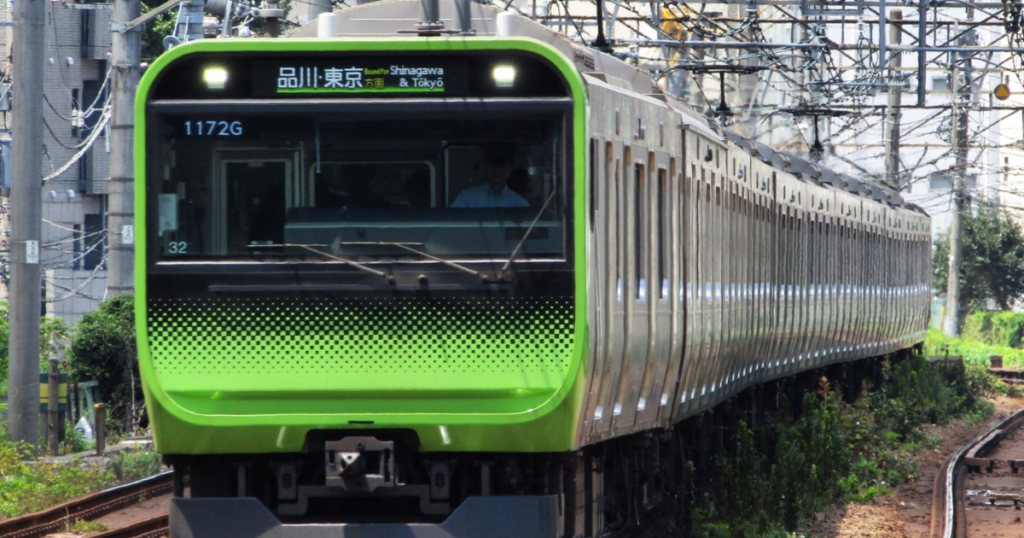
The JR Yamanote Line is the backbone of Tokyo Hatsumode transport.
For New Year 2026, official announcements confirm overnight operation on this loop line.
It connects multiple major shrines efficiently.
Stations for Meiji Jingu and Kanda Myojin
- Harajuku / Yoyogi for Meiji Jingu
- Akihabara / Ochanomizu for Kanda Myojin
Clear English signage is installed during New Year.
Overnight Train Frequency (2026)
According to official announcements:
- Approximately 10–20 minute intervals
- Continuous overnight operation
- Reduced frequency compared to daytime
Crowd Patterns Around Major Stations
Platforms become busiest just before midnight.
Staff actively control entry and exit flows.
Following instructions ensures safety.
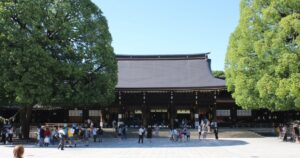
Hatsumode Tokyo Keio Line 2026
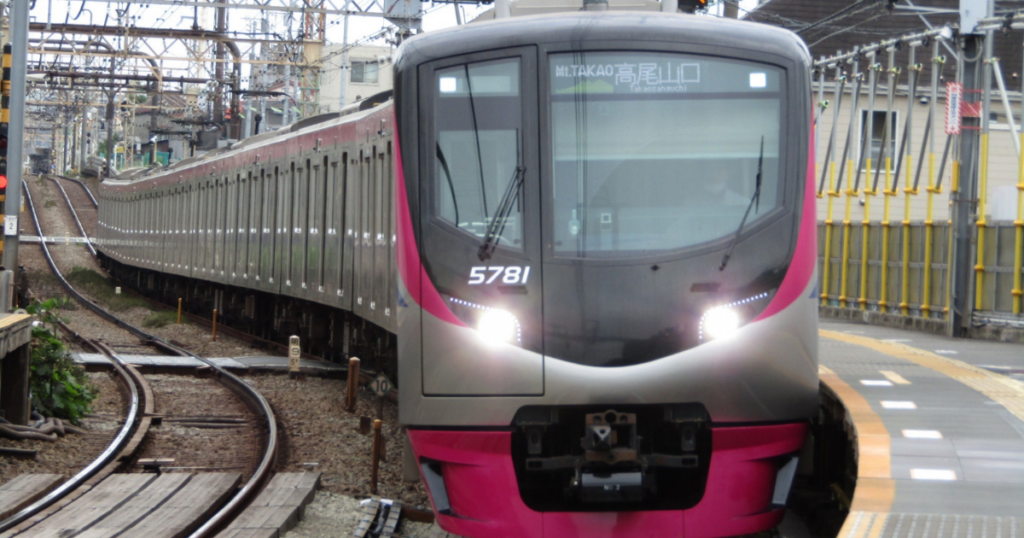
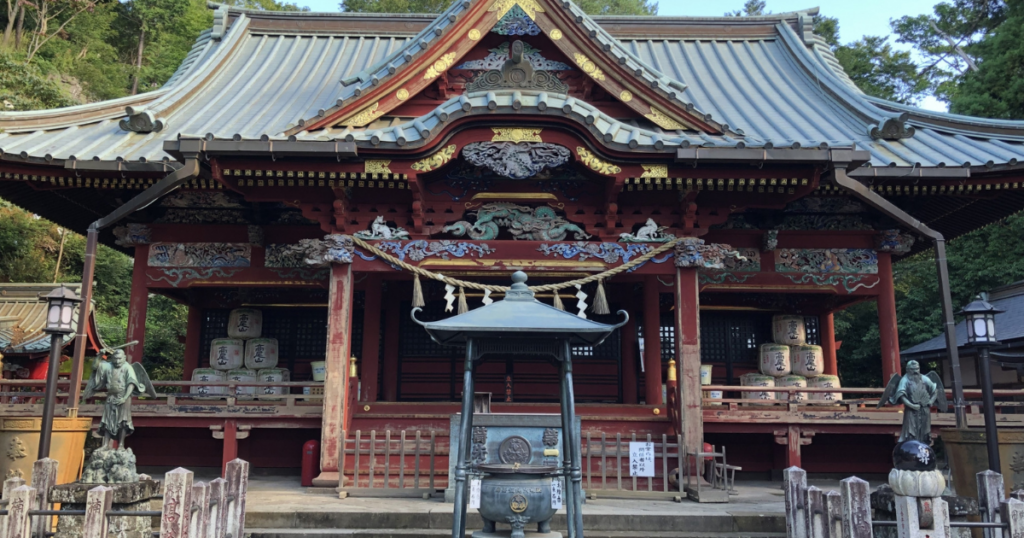
Mount Takao is Tokyo’s most beginner-friendly suburban Hatsumode destination.
For New Year 2026, Keio Railway officially announces overnight services.
This makes it ideal for visitors seeking a balanced experience.
Why Mount Takao Is Ideal for Hatsumode
Mount Takao is associated with prayers for health and safety.
Its natural setting offers a calmer atmosphere than urban shrines.
Many first-time visitors find it less overwhelming.
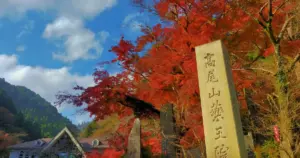
Keio Railway’s Official Overnight Services (2026)
Keio Railway operates overnight between Shinjuku and Takaosanguchi.
These services are designed specifically for Hatsumode demand.
No car travel is required.
Train Frequency and Travel Tips
- Approximately 15–30 minute intervals overnight
- Extra staff at Shinjuku and Takaosanguchi
- Warm clothing is essential due to mountain temperatures
Special timetables and direct city access helped establish Takao as a suburban Hatsumode icon.
This long-standing relationship explains why overnight Keio Line services remain a New Year tradition today.
Hatsumode Tokyo Keisei Line 2026
Naritasan Shinshoji is one of Japan’s most visited New Year temples.
For New Year 2026, Keisei Railway officially announces overnight or extended services.
These differ from airport-focused timetables.
Naritasan’s Hatsumode Significance
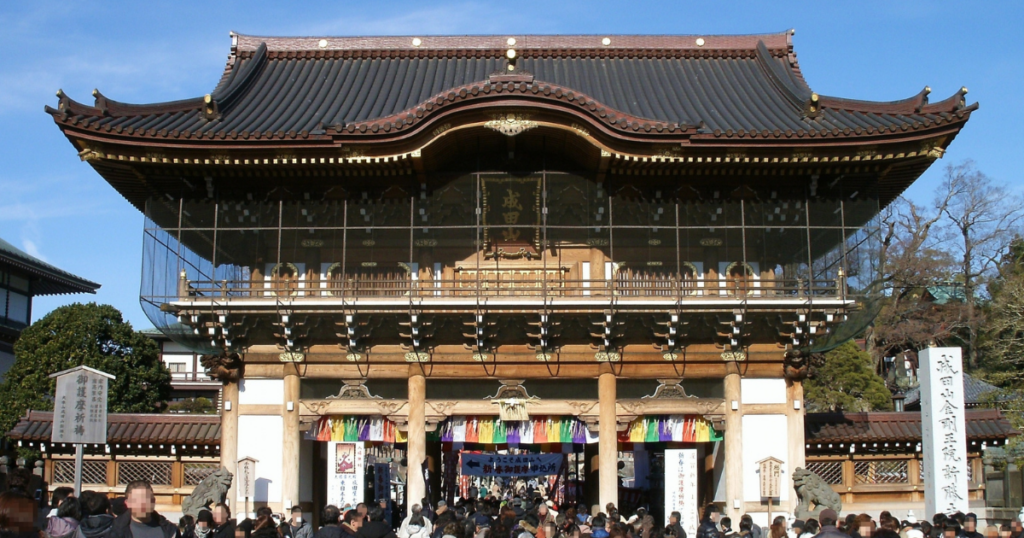
Pilgrims have visited Naritasan for centuries.
Railways expanded its reach nationwide.
New Year is its busiest period.
Keisei Railway’s New Year Role
Special timetables prioritize Hatsumode travelers.
Some overnight trains operate from Tokyo.
Service patterns differ from airport access.
Key Differences from Airport Trains
Travel time may be longer.
Some trains bypass airport terminals.
Check destination displays carefully.
Hatsumode Tokyo Overnight Service Areas 2026: Where Trains Actually Run
Overnight services do not cover all of Tokyo.
For New Year 2026, operations are limited and destination-focused.
Understanding this prevents planning mistakes.
Areas with Confirmed Overnight Train Services
- JR Yamanote Line(Meijijingu, Kandamyojin, Yushimatenjin, Zojozi, and so on…)
- Keio Line toward Mount Takao
- Keisei Line toward Naritasan
Areas Without Overnight Services
Residential commuter lines
Outer suburban branches
Routes without major Hatsumode demand
A Relaxed Alternative: Daytime Hatsumode
If overnight trains are unavailable, many locals simply avoid midnight visits.
Spending New Year’s Eve quietly and visiting shrines during the day is common.
Daytime Hatsumode is calmer and ideal for first-time visitors.
Japan Trails also features daytime Hatsumode walking routes paired with local food stops.
A Brief History
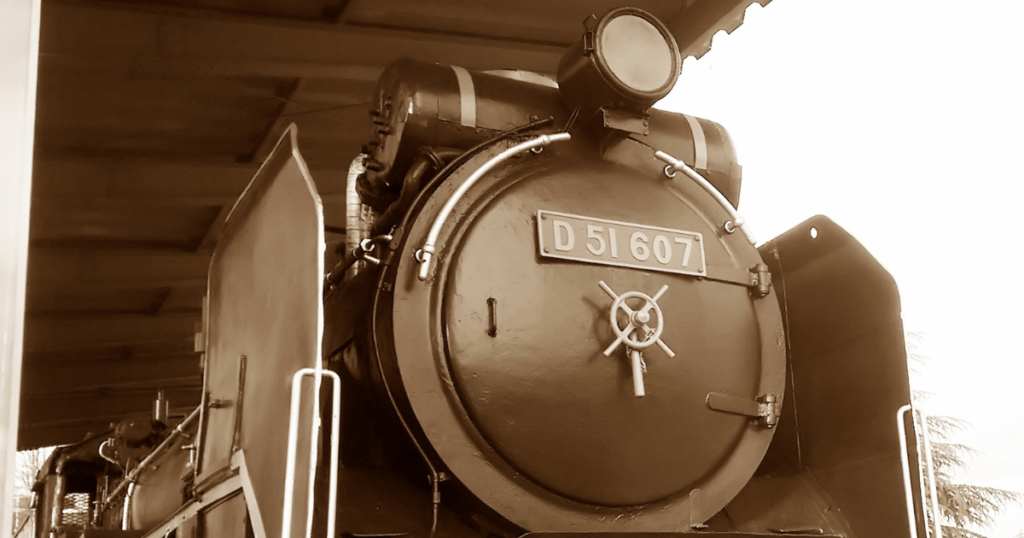
Hatsumode and railways evolved together in Tokyo.
Rail expansion transformed shrine visits into large-scale journeys.
This history explains today’s New Year train operations.
Hatsumode Before Railways
Local shrine visits on foot
Limited travel distances
Small community events
Railway Expansion and Mass Hatsumode
As Japan’s railway network expanded, Hatsumode changed dramatically in scale and accessibility.
What was once a local, community-based activity became a large-scale regional journey.
How Railways Reshaped New Year Shrine Visits
Railways made long-distance shrine visits practical for ordinary people.
Special New Year timetables allowed safe and organized crowd movement.
Over time, Hatsumode became a shared national experience supported by public transport.
| Era | Style of Shrine Visit | Railway Situation | Impact on Hatsumode |
|---|---|---|---|
| Edo Period | Local visits on foot | No railways | Small-scale, community-based |
| Meiji Period | Regional travel | Early railway networks | Expanded participation |
| Postwar Period | Mass participation | Dense urban rail systems | Overnight train services |