Sarubobo Doll: The Colourful Good-Luck Charm of Hida Takayama
Sarubobo Doll – Origins and Cultural Significance
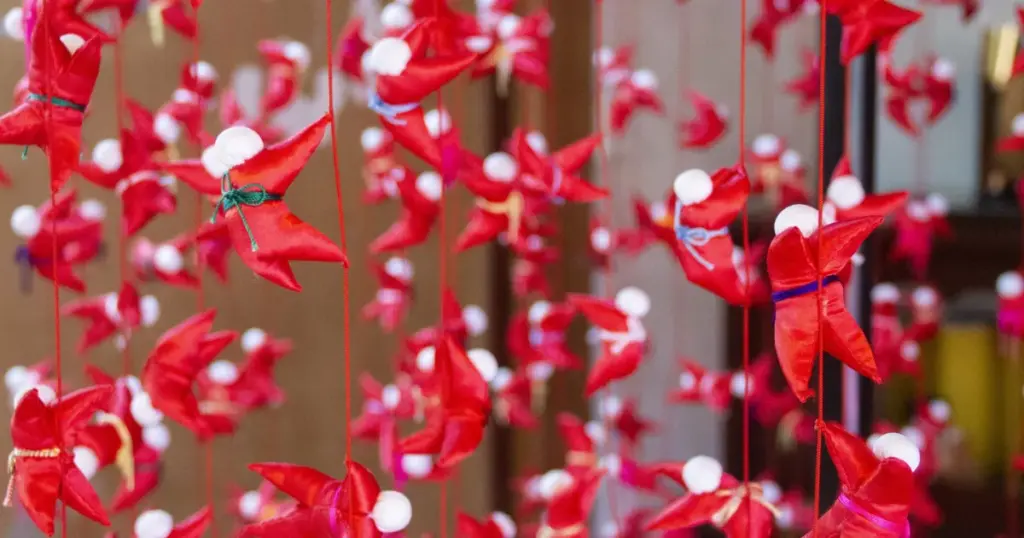
Hida Takayama is a mountain region shaped by harsh winters, local spirituality, and deep-rooted craftsmanship.
Among its long-standing traditions, the Sarubobo doll stands out as a symbol of protection and affectionate family ties.
Learning about its origins helps travellers appreciate the deeper cultural meaning behind this small charm.
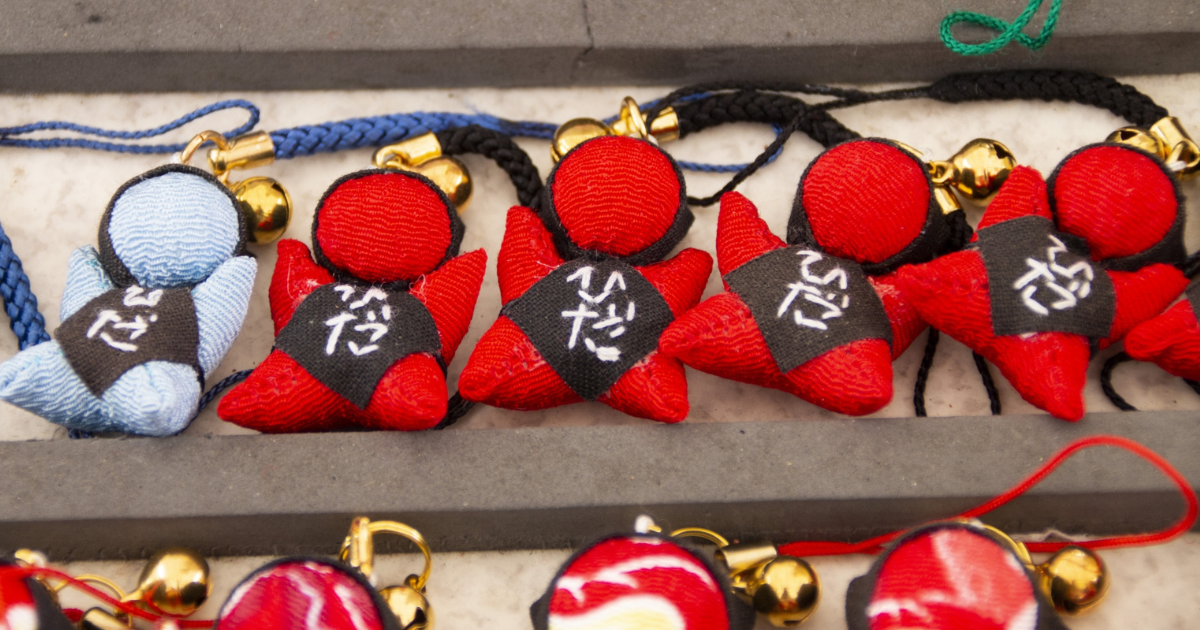
Sarubobo dolls were first handmade by grandmothers using leftover kimono cloth to protect children from illness and misfortune.
They served as both toys and protective talismans in isolated mountain villages.
Today, Sarubobo continues to represent warmth, safety and family unity within Hida culture.
What Does “Sarubobo” Mean?
The name “Sarubobo” is simple yet rich with hidden meaning.
Travellers often wonder why a “monkey baby” became a symbol of good luck.
The answer lies in a linguistic blend of dialect and symbolism unique to the region.
“Saru” can mean “monkey,” but it also means “to ward off” in Japanese, while “bobo” means “baby” in the Hida dialect.
Together they form the notion of a protective “baby monkey” that drives misfortune away.
Historical Roots of Sarubobo
The roots of Sarubobo stretch back centuries, far before Takayama became a popular travel destination.
Women created the dolls during long winter nights when villages were snowed in.
This tradition grew from necessity, creativity and emotional warmth.
Grandmothers crafted Sarubobo for their grandchildren as charms for health and safety.
Over generations, the practice evolved into a cherished cultural heritage passed down through families.
Why the Doll Has No Face

One of the first things travellers notice is that Sarubobo dolls have no faces.
The facelessness invites personal interpretation and emotional openness.
Without facial features, the owner can imagine any emotion—joy, hope, comfort—onto the doll.
The faceless design also prevented crafters from creating sad expressions during difficult historical times.
As a result, the doll remains universally relatable and spiritually flexible.
Sarubobo Doll – Colours, Meanings & Modern Variations
Modern Sarubobo now comes in a full spectrum of colours beyond the traditional red.
Each shade represents a different type of wish, from love to academic success.
This system allows travellers to select a charm that fits their personal goals.
The classic red Sarubobo symbolises traditional protection and family safety.
Other colours support modern wishes such as romance, financial luck or health.
This variety helps the tradition stay relevant and appealing across generations.
Traditional Red Sarubobo & Its Meaning
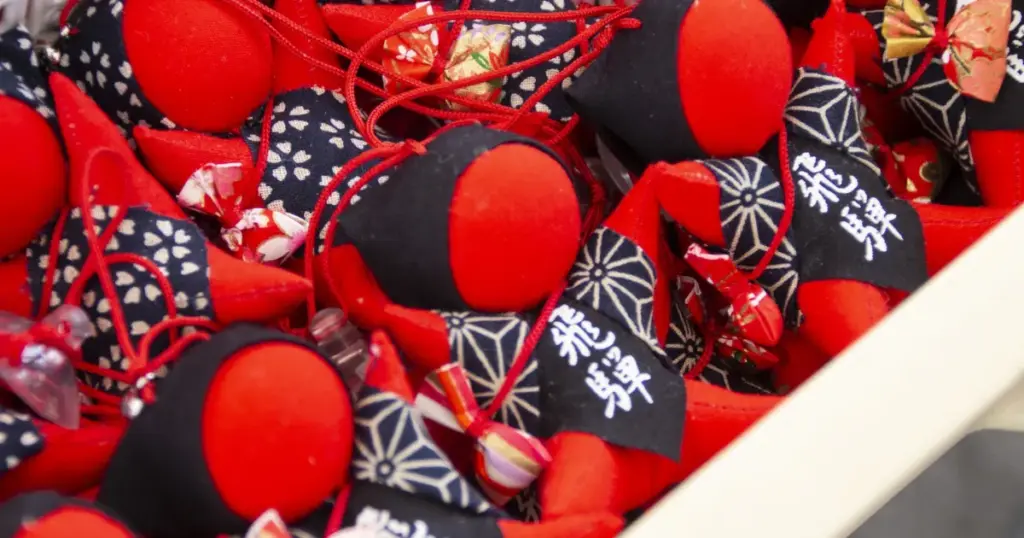
The original red Sarubobo remains the most iconic version.
Its colour is deeply connected to Japanese symbolism and protective rituals.
Red represents vitality, warmth and the power to ward off harmful spirits.
Families historically made red dolls to ensure safe childbirth and protect children from sickness.
Today, red Sarubobo is still gifted for family well-being and general protection.
Colour Guide for Other Wishes
Travellers often want to choose Sarubobo based on the wish they want to strengthen.
Each colour carries its own meaning, making selection a fun and intentional experience.
This table provides a helpful overview.
The colour variations allow buyers to tailor their charm to their specific needs—love, wealth, career or health.
Sarubobo Colour Meaning Chart
| Colour | Meaning / Wish | Best For |
|---|---|---|
| Red | Protection, childbirth, family safety | Families / home blessing |
| Blue | Academic success, career progress | Students / workers |
| Pink | Romance, relationship luck | Couples / love fortune |
| Green | Health, longevity | Wellness wishes |
| Yellow | Wealth, financial luck | Business travellers |
| Black | Removing bad luck | General protection |
Contemporary Designs & Souvenir Variations
Sarubobo has expanded far beyond its original shape.
Modern shops now offer playful and creative variations suited for younger travellers.
You can find Sarubobo keychains, plush toys, magnets and seasonal limited editions.
Some stores feature animal-themed Sarubobo or collaboration designs with modern characters.
These options let travellers bring home something both traditional and stylish.
Sarubobo Doll – How to Buy & Experience in Hida Takayama
Buying a Sarubobo in Hida Takayama is part of the travel experience itself.
The town offers many authentic places where the doll is crafted or sold.
Knowing the best spots ensures you find high-quality, meaningful charms.
Takayama’s markets, historic streets and craft shops carry a wide range of handmade Sarubobo.
Each offers a distinct shopping atmosphere—from traditional wooden buildings to bustling morning stalls.
The list below highlights the most trusted locations.
Where You Can Buy Sarubobo in Hida Takayama
- Miyagawa Morning Market (Miyagawa Asaichi)
Local artisans sell handmade Sarubobo alongside produce and crafts. - Jinya-mae Morning Market (Jinya-mae Asaichi)
A historic marketplace offering traditional dolls and handcrafted goods. - Sanmachi Suji (Old Town District)
Preserved Edo-style streets full of shops selling region-made Sarubobo. - Hida Folk Village (Hida-no-Sato) Museum Shop
Offers traditional-style Sarubobo using authentic materials and patterns. - Hida Takayama Tourist Information Center
A reliable place to buy certified local products, including Sarubobo-themed items. - Local ryokan and inns
Some inns sell limited handmade Sarubobo crafted by local families. - Takayama Station souvenir shops
Convenient option for travellers needing last-minute purchases with many colours and sizes.
Do-It-Yourself Sarubobo Craft Experience
Travellers wanting a deeper cultural connection can try making their own Sarubobo.
Workshops add a memorable hands-on experience to the trip.
The Hida Takayama Crafts Experience Center offers beginner-friendly sessions.
Visitors sew, fill and decorate their own Sarubobo in about 30–60 minutes.
This activity blends tradition with creativity, making it a popular choice among tourists.
Workshop Flow
- Choose your preferred colour based on its meaning
- Fill the doll’s body with cotton
- Sew the head and body together
- Add a small jacket or belt (obi)
- Write a personal wish or message
Travel Tips & Souvenir Etiquette
Selecting a Sarubobo becomes more meaningful when cultural considerations are understood.
These practices also enhance the charm’s effect.
Pick a colour that matches your personal wish.
Display the doll in a place connected to its purpose—like the entrance for protection or your desk for academic luck.
Always look for locally crafted versions to support the community.
Why Sarubobo Still Matters in Modern Japan
Even as Japan modernises, Sarubobo remains culturally important.
It connects past traditions with present lifestyles.
Travellers appreciate it as more than a souvenir—it becomes part of their personal story.
The charm supports local artisans who maintain century-old techniques.
Its symbolism resonates with universal desires for love, luck and safety.
This timeless relevance keeps Sarubobo popular with both locals and visitors.
Cultural Resonance in Modern Japan
Sarubobo continues to represent warmth and family-centered values.
Its simplicity fits well into Japanese daily life.
People display Sarubobo in cars, homes and workplaces for protection.
The faceless design invites personal meaning, allowing each owner to form a unique emotional bond.
The charm’s adaptability keeps it alive even in contemporary settings.
Souvenir Impact on Local Communities
Buying a Sarubobo supports more than one artisan—it supports an entire local tradition.
Many dolls are handmade by small workshops and families.
This gives the souvenir real cultural and economic impact.
Revenue from Sarubobo helps preserve local craft techniques.
Workshops attract visitors, strengthening community tourism.
Each purchase contributes to sustaining Takayama’s identity and heritage.
How to Incorporate Sarubobo Into Daily Life
Many visitors wonder how to use their Sarubobo after returning home.
Integrating the charm into daily life enhances its meaning.
Placement often depends on the wish associated with the colour.
Put the red doll near your entrance for home protection.
Keep the blue doll on your work desk for focus and success.
Final Thoughts on Sarubobo
Though small in size, Sarubobo carries a powerful cultural message.
Travellers who bring one home carry part of Hida’s heart with them.
Sarubobo embodies centuries of tradition and personal wishes.
Let this charming doll bring a touch of Hida’s warmth into your everyday life.
Explore Tokyo with a Local!!

We offer tailored private tours designed for small groups. Prices start from 200 USD per person, and every itinerary can be fully customized.