Kaneiji Temple Complete Guide

Kaneiji Temple stands as one of Tokyo’s most historically significant Buddhist temples, celebrating its 400th anniversary in 2025 with special exhibitions and newly installed ceiling art.
Founded in 1625 by the revered monk Tenkai as the Tokugawa shogunate’s prayer temple and mausoleum site, Kaneiji once occupied the entire area now known as Ueno Park.
This comprehensive guide explores the temple’s fascinating history, architectural treasures, 400th-anniversary commemorative events, and practical visitor information for experiencing this cultural landmark.
Kaneiji Temple History
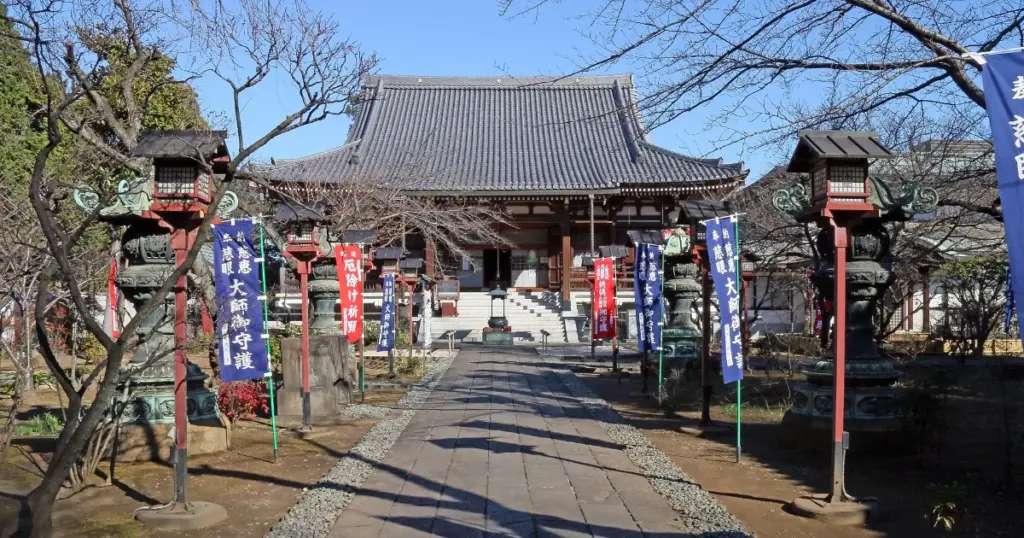
Kaneiji Temple was established in 1625 during the reign of third Tokugawa Shogun Iemitsu under guidance from Jigen Daishi Tenkai, a powerful Buddhist monk.
Tenkai envisioned the temple as Eastern counterpart to Kyoto’s Enryakuji Temple on Mount Hiei, protecting Edo Castle from the unlucky northeastern direction.
The temple grew to become Edo period’s largest religious complex, spanning over 305,000 tsubo encompassing today’s entire Ueno Park area.
Founder Tenkai and Tokugawa Patronage
Jigen Daishi Tenkai (1536-1643) served as trusted spiritual advisor to three generations of Tokugawa shoguns: Ieyasu, Hidetada, and Iemitsu.
Hidetada provided funding and timber for temple construction starting in 1623, with official establishment occurring in 1625.
Tenkai deliberately designed Kaneiji to replicate famous Kyoto-Shiga landmarks, making distant cultural treasures accessible to Edo residents.
Edo Period Temple Complex
During its zenith in mid-Edo period, Kaneiji comprised 36 sub-temples housing magnificent architecture donated by feudal lords.
Major structures included the Main Hall, five-story pagoda, and Toshogu Shrine, constructed through daimyo patronage between 1627-1698.
The temple grounds featured landscape designs replicating famous Kyoto sites including Shinobazu Pond representing Lake Biwa.
Tokugawa Mausoleum Complex
While initially conceived as prayer temple, Kaneiji evolved into Tokugawa family mausoleum following third shogun Iemitsu’s testament.
Eventually six of fifteen Tokugawa shoguns found eternal rest at Kaneiji: Ietsuna, Tsunayoshi, Yoshimune, Ieharu, Ienari, and Iesada.
Most mausoleum structures perished in World War II air raids, with only select gates and treasure towers surviving as Important Cultural Properties.
Boshin War Destruction and Meiji Transformation
Kaneiji suffered catastrophic damage during the 1868 Battle of Ueno when Shogitai loyalists fortified temple grounds against Meiji government forces.
Government bombardment destroyed the Main Hall and most major buildings within single day of intense fighting.
Meiji government confiscated surviving temple lands, reducing Kaneiji from million-square-meter complex to modest modern footprint, with former grounds becoming public Ueno Park.
Kaneiji Temple 400th Anniversary Commemoration
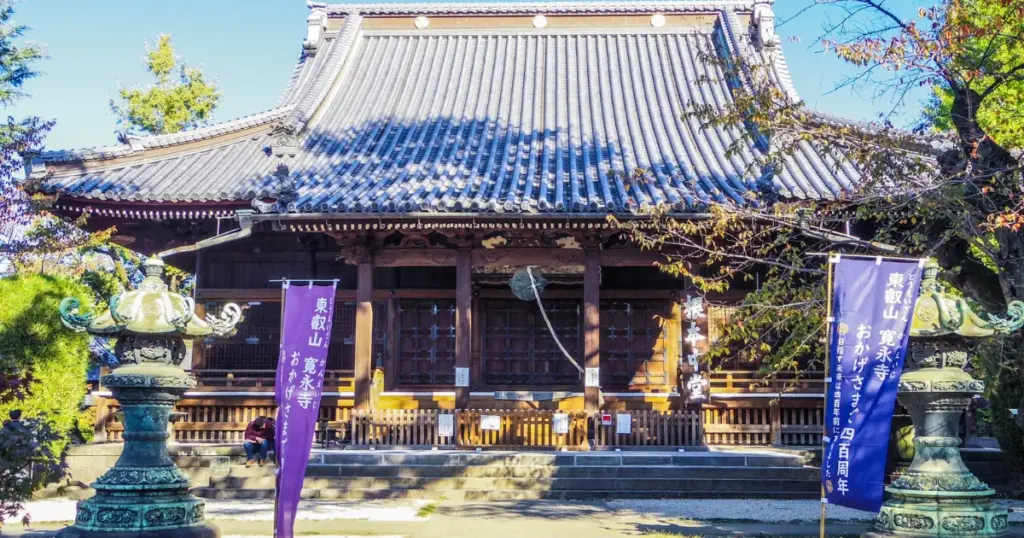
Kaneiji celebrated its 400th founding anniversary throughout 2025 with special exhibitions, art installations, and commemorative ceremonies.
The centerpiece achievement involved commissioning monumental ceiling painting for Main Hall executed by renowned Japanese artist Tezuka Yuji.
Anniversary events highlighted temple’s enduring cultural significance while connecting historical legacy with contemporary artistic expression.
Eigaku Soryu: The Twin Dragons Ceiling Painting
The anniversary’s crown jewel is “Eigaku Soryu” (Twin Dragons of Mount Hiei), a massive 6-meter by 12-meter ceiling painting created by celebrated Japanese painter Tezuka Yuji.
This unprecedented artwork was painted directly onto 400-year-old ceiling boards removed from Konponchudo, requiring five years of meticulous work.
The painting depicts paired dragons representing protective deities, completed with “garyou tensei” (adding dragon’s eyes) ceremony in October 2025.
Tokyo National Museum Special Exhibition
Tokyo National Museum hosted special exhibition “The Buddhist Temple Kan’eiji: Thematic Exhibition Celebrating Its 400th Anniversary” from July 8 through August 31, 2025.
The exhibition revealed previously unknown cultural treasures surviving despite wars and confiscations.
Highlighted items included exquisite illustrated scrolls depicting lives of Ganzan Daishi and Jigen Daishi, lacquered sutra boxes bearing Tokugawa crests, and archaeological materials.
Commemorative Events and Partnerships
The 400th anniversary celebration included October 10, 2025 grand memorial service attended by Buddhist dignitaries, government officials, and community members.
Kaneiji partnered with Tokugawa Memorial Foundation, Tokyo University of the Arts, and Taito Ward government for anniversary initiatives.
Digital initiatives launched including virtual reconstruction website and special walking pass programs connecting Kaneiji with related Tokyo historical sites.
Konponchudo Main Hall and Temple Grounds
Kaneiji’s current temple grounds occupy modest area northeast of Ueno Park, centered on Konponchudo Main Hall transplanted from Kawagoe’s Kitain Temple.
Despite spatial reduction from Edo grandeur, existing structures maintain authentic Buddhist atmosphere connecting visitors with 400-year heritage.
The temple welcomes visitors daily while functioning as active religious institution serving local community.
Main Hall (Konponchudo) Architecture
The current Konponchudo represents 1638 construction originally built as Kitain Temple’s main worship hall before 1879 relocation to Kaneiji.
This traditional hip-and-gable roof structure exemplifies mid-Edo period temple architecture combining functional worship space with aesthetic refinement.
The newly installed Eigaku Soryu ceiling painting dominates middle worship area, transforming upward gaze into encounter with protective dragon deities.
Kaisando (Founder’s Hall) – Ryodaishi
Kaisando enshrines both Ganzan Daishi Ryogen (912-985) and Jigen Daishi Tenkai (1536-1643) as “Ryodaishi” (Two Great Masters).
The hall offers special meditation experiences allowing visitors to practice zazen under monastic guidance within authentic temple environment.
Ganzan Daishi particularly attracts popular devotion through “Tsuno Daishi” (Horned Master) protective charms distributed from Kaisando.
Rinoden and Administrative Buildings
Rinoden serves as reception hall hosting memorial services, ancestral rites, and administrative functions.
This modern structure rebuilt after wartime destruction provides necessary facilities for contemporary temple operations.
Temple grounds include auxiliary buildings housing Buddhist implements, archived documents, and storage for seasonal decorations.
Scattered Kaneiji Structures Throughout Ueno Park
Although Meiji government confiscated most Kaneiji lands, several original temple buildings survive scattered across Ueno Park.
These structures technically remain Kaneiji property under temple administration despite geographical separation from main temple grounds.
Visiting these satellite buildings requires walking through public park space creating unusual situation where secular park contains active religious structures.
Kiyomizu Kannon Hall
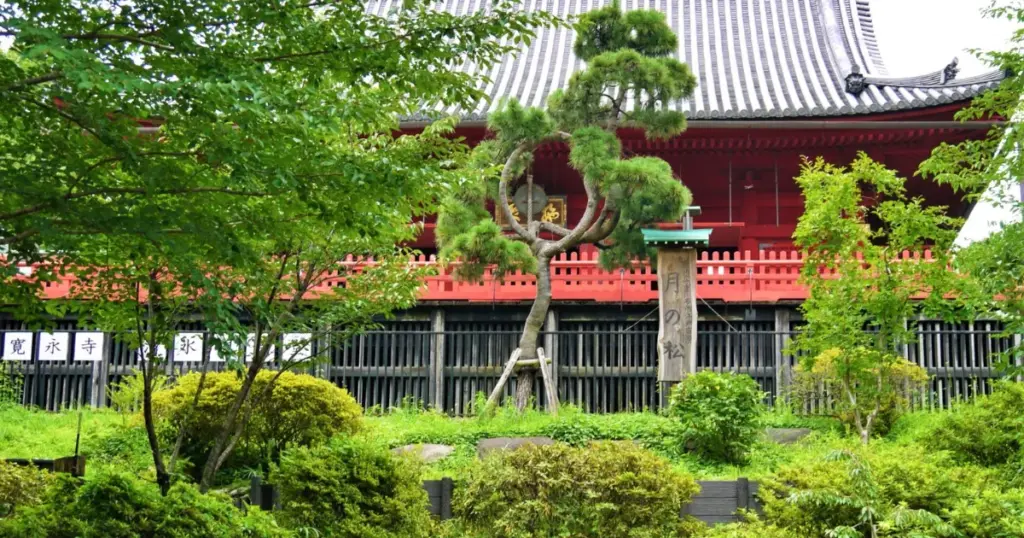
Kiyomizu Kannon Hall replicates Kyoto’s famous Kiyomizu Temple through identical stage architecture projecting from hillside.
Built in 1631, this structure represents Kaneiji’s oldest surviving building, miraculously escaping both Boshin War destruction and World War II bombings.
The hall enshrines Senju Kannon providing maternal blessings and fertility prayers, with annual Doll Memorial Service held each September.
Five-Story Pagoda
Kaneiji’s Five-Story Pagoda towers 36 meters displaying classic tahoto architectural style with distinctive profiles at each level.
The current structure dates from 1639 reconstruction, surviving both Boshin War and World War II.
Currently located within Ueno Zoo property boundaries, visitors can view pagoda exterior from zoo pathways though interior access remains restricted.
Shinobazu Pond Benten Hall
Benten Hall occupies artificial island within Shinobazu Pond, accessible via causeway from pond’s edge, dedicated to Benzaiten goddess of music and eloquence.
The current building represents 1958 reinforced concrete reconstruction replacing wartime-destroyed wooden predecessor.
Annual Benzaiten festivals occur on “snake days” with largest celebration during Hatsu-Mi (first snake day) of New Year period.
Ueno Daibutsu (Great Buddha Face)
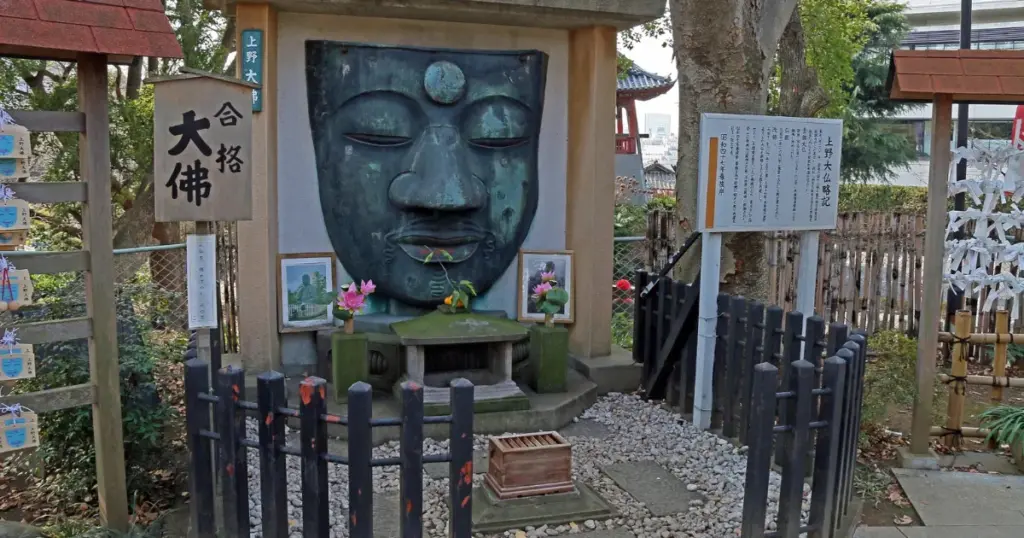
Ueno Daibutsu originally stood as complete 6-meter bronze seated Buddha constructed 1631 by Hori Naoyori.
Repeated earthquake damage culminating in 1923 Great Kanto Earthquake collapse left only face intact, with body removed for wartime metal confiscation.
The surviving face displays on wall-mounted frame creating unusual “Buddha who never falls further” symbolism attracting students seeking protection from academic failure.
Practical Visitor Information
Kaneiji welcomes visitors throughout year with flexible access encouraging both casual tourism and serious Buddhist practice.
The temple maintains active religious functions alongside cultural preservation creating dynamic environment where historical appreciation intersects with living spiritual traditions.
Understanding practical details ensures smooth, respectful visits honoring temple’s sacred character.
Location and Access
Kaneiji’s main temple grounds occupy Ueno Sakuragi 1-14-11, Taito-ku, Tokyo, approximately 15 minutes walking from JR Ueno Station’s Park Exit or 7 minutes from JR Uguisudani Station.
The temple sits northeast of Ueno Park proper, beyond Tokyo National Museum toward residential Yanaka neighborhood.
Clear directional signage in Japanese and English guides pedestrians from major park landmarks.
Opening Hours and Admission
Konponchudo Main Hall opens 9:00 AM – 5:00 PM daily with free admission for general temple ground access and exterior viewing.
Interior worship hall access follows same hours allowing visitors to view newly installed Eigaku Soryu ceiling painting.
The Tokugawa Mausoleum area remains generally closed to public with special viewing opportunities announced through official website.
Goshuin Stamp Collection
Kaneiji offers multiple goshuin (temple seal calligraphy) options popular with religious pilgrims and cultural collectors.
The main hall provides standard goshuin featuring Konponchudo inscriptions alongside temple seal and date notation (500 yen).
Special “ukiyo-e goshuin” presents Utagawa Hiroshige’s famous Edo-period woodblock print with foil embossing creating layered visual effects (1,500 yen).
Cultural Etiquette and Religious Respect
Visitors should observe basic Buddhist temple etiquette demonstrating respect for sacred space and active worship environment.
Upon entering grounds, bow slightly at entrance gate acknowledging transition from secular to holy space.
Photography follows standard temple protocols with exteriors freely photographable but interior worship spaces typically prohibited without advance permission.
Frequently Asked Questions About Kaneiji Temple
Common visitor inquiries cover historical details, practical access, religious protocols, and anniversary commemoration specifics.
These FAQs address typical concerns ensuring informed, respectful temple visits.
Understanding these basics helps international visitors navigate cultural differences while appreciating Kaneiji’s historical significance.
- What is Kaneiji Temple’s relationship with Tokugawa shoguns?
-
Kaneiji served as Tokugawa family prayer temple from founding in 1625 and later evolved into mausoleum site housing six of fifteen Tokugawa shoguns, making it one of two principal Tokugawa family temples alongside Zojoji.
- Can visitors see the Tokugawa shogun graves?
-
The mausoleum area remains mostly closed to public except rare special viewing events announced through Kaneiji’s official website, as graves maintain active memorial functions requiring restricted access and preservation.
- How long does visiting Kaneiji Temple require?
-
The main temple grounds require 30-60 minutes for thorough exploration, while comprehensive visits including scattered Ueno Park structures like Kiyomizu Kannon Hall and Five-Story Pagoda extend to 2-4 hours.
- Is photography allowed at Kaneiji Temple?
-
Exterior photography is permitted throughout temple grounds, while interior worship hall photography typically requires advance permission out of respect for sacred spaces and to protect historical artwork from flash damage.
- What remains from Kaneiji’s original Edo-period buildings?
-
Surviving original structures include Kiyomizu Kannon Hall (1631), Five-Story Pagoda (1639 reconstruction), select mausoleum gates and treasure towers designated Important Cultural Properties, plus scattered monuments throughout Ueno Park.
Kaneiji Temple’s Enduring Legacy
Kaneiji Temple’s 400-year journey from Edo’s largest religious complex to modest but culturally significant institution demonstrates remarkable resilience through war, confiscation, and modernization.
The 2025 anniversary celebrations with newly installed Eigaku Soryu ceiling dragons embody historical continuity, applying contemporary artistic excellence to 400-year-old architecture.
For visitors exploring Ueno’s cultural attractions, Kaneiji provides essential historical context explaining how this remarkable concentration emerged, transforming park navigation into archaeological expedition discovering Buddhist past beneath secular present.
Explore Tokyo with a Local!!

We offer tailored private tours designed for small groups. Prices start from 200 USD per person, and every itinerary can be fully customized.