Yushima Seido&Hijiri Birdge at Ochanomizu town, Tokyo
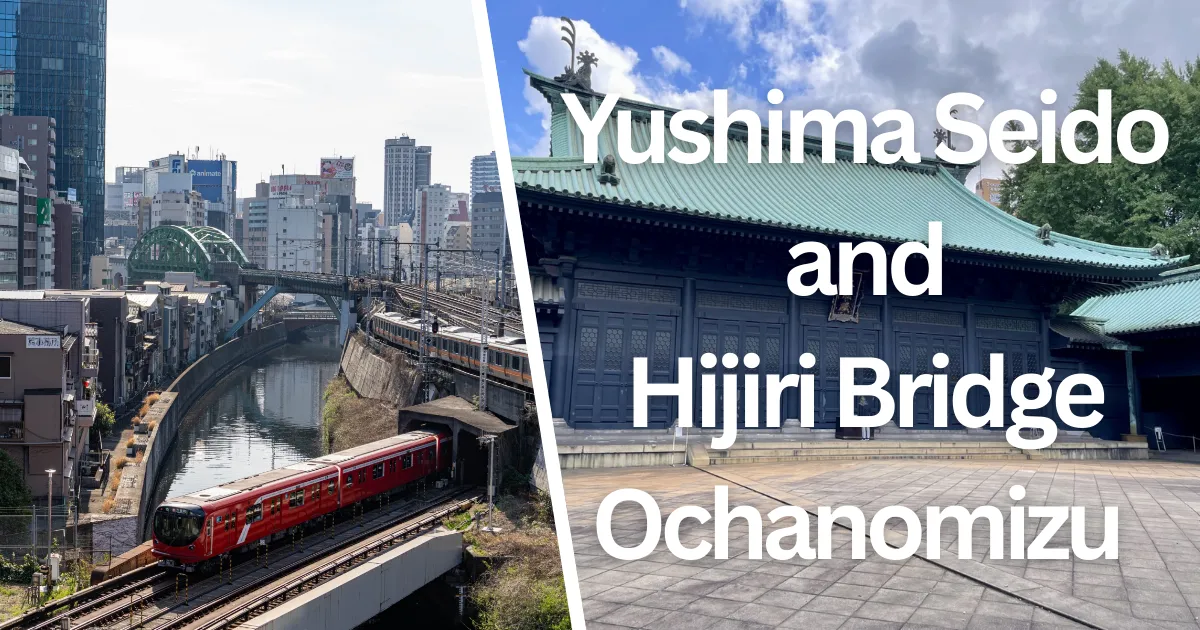
Ochanomizu is one of Tokyo’s most intellectually rich yet understated neighborhoods.
The atmosphere here feels markedly different—shaped by academic tradition, philosophy, and layered city infrastructure.
This guide explores Ochanomizu through its most meaningful landmarks, with a special focus onYushima Seido, Hijiri Bridge, Ochanomizu Station, and a walking route extending naturally to Kanda Myojin and Akihabara.
A Cultural & Academic District
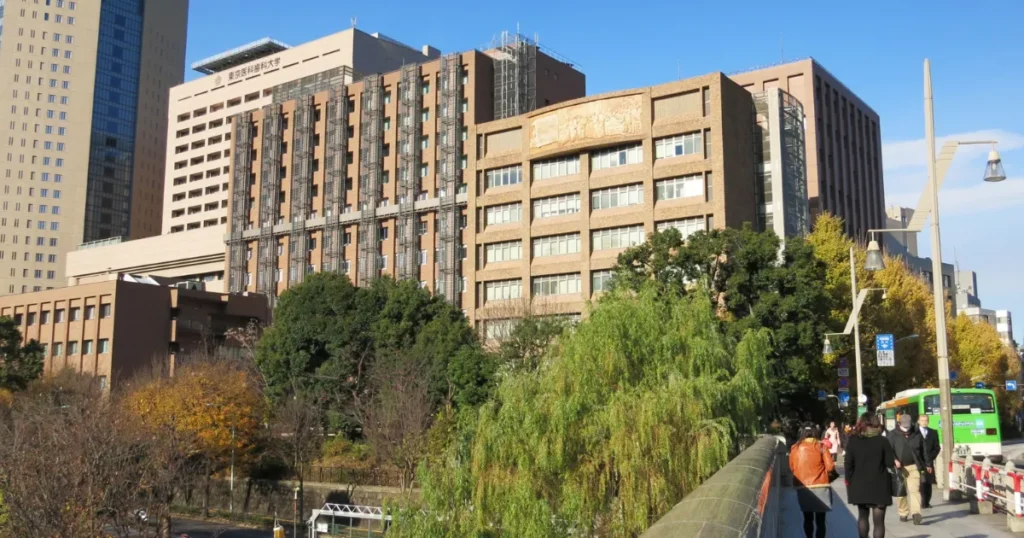
Ochanomizu Tokyo is best understood not as a single sightseeing spot, but as a district formed by education, religion, and transportation.
Unlike areas developed primarily for commerce or entertainment, Ochanomizu grew around universities, medical institutions, and centers of learning.
What Makes Ochanomizu Unique in Tokyo
Ochanomizu has long been associated with higher education, publishing, and hospitals, giving it a calm and scholarly atmosphere.
Weekdays, in particular, reflect the rhythms of student life and academic work rather than tourism.
For travelers seeking a quieter, more intellectual side of Tokyo, Ochanomizu offers a rare and rewarding experience.
Historical Development of Ochanomizu
The name “Ochanomizu” dates back to the Edo period, when waterways were developed to supply drinking water to Edo Castle.
Over time, the area became closely linked to Confucian learning, modern medicine, and Japan’s early education system.
Yushima Seido — History & Philosophy
Yushima Seido is one of the most historically significant yet often overlooked cultural sites in central Tokyo.
Unlike Shinto shrines or Buddhist temples, it represents Confucian philosophy—a system centered on ethics, learning, and governance.
This makes Yushima Seido a place of education and reflection rather than conventional worship.
History of Yushima Seido
Yushima Seido was established in the 17th century under the Tokugawa shogunate.
It functioned as the official Confucian academy, educating scholars and government officials.
For visitors interested in Japan’s intellectual history, Yushima Seido offers rare insight.
Confucian Philosophy and Its Role in Japan
Confucianism emphasizes moral cultivation, social order, and the importance of learning.
During the Edo period, these ideas strongly influenced governance and education.
Yushima Seido stands as physical proof of how deeply Confucian thought shaped Japanese society.
Yushima Seido — Experience & Practical Details
This chapter focuses on how Yushima Seido feels today and how travelers can visit it smoothly.
The experience differs greatly from more ornate temples and shrines.
Its restrained design reflects the values of discipline and scholarship.
Architectural Highlights of Yushima Seido
The main hall, Taiseiden, features a distinctive black exterior.
This color symbolizes seriousness, humility, and intellectual rigor in Confucian tradition.
In contrast to Tokyo’s colorful shrines, this simplicity makes Yushima Seido visually unique.
Admission Fees and Opening Hours
Yushima Seido is generally free to enter, making it accessible for all travelers.
Business hours are from 9:30 AM to 5:00 PM, but inwinter they are from 9:30 AM to 4:00 PM.
Also, on Saturdays, Sundays, and public holidays, Taiseiden(Syoheizaka Gakumonjo) is open to the public, and you can enter for 200 yen.
Access to Yushima Seido
Yushima Seido is located within a short walk of multiple stations.
From Ochanomizu Station (JR Lines), it is approximately a 5-minute walk.
From Shin-Ochanomizu Station (Tokyo Metro Chiyoda Line), the walk takes about 3–4 minutes, offering a less crowded alternative.
Hijiri Bridge — A Viewpoint Where Old and New Tokyo
Hijiri Bridge is more than a river crossing—it is one of Tokyo’s most striking urban viewpoints.
Spanning the Kanda River, it visually connects different eras of the city.
Few locations in Tokyo reveal trains, waterways, and layered urban history so clearly in one scene.
Historical Background of Hijiri Bridge
The current bridge was built during post–Great Kanto Earthquake reconstruction.
Its structure reflects early 20th-century urban planning priorities.
Hijiri Bridge symbolizes Tokyo’s recovery and continuous reinvention.
Scenic Views from Hijiri Bridge
From the bridge, visitors can observeJR Central and Sobu Line, as well as the Marunouchi Subway Line.
The combination of modern railways and historic river landscapes is especially striking.
This spot is highly valued by photographers and urban design enthusiasts.
Ochanomizu Station & Shin-Ochanomizu Station
Ochanomizu is served by both JR and Tokyo Metro lines, giving visitors flexible access options.
While convenient, Ochanomizu Station can become crowded during peak hours.
Using Shin-Ochanomizu Station is often a smoother choice for travelers.
Overview of Ochanomizu Station
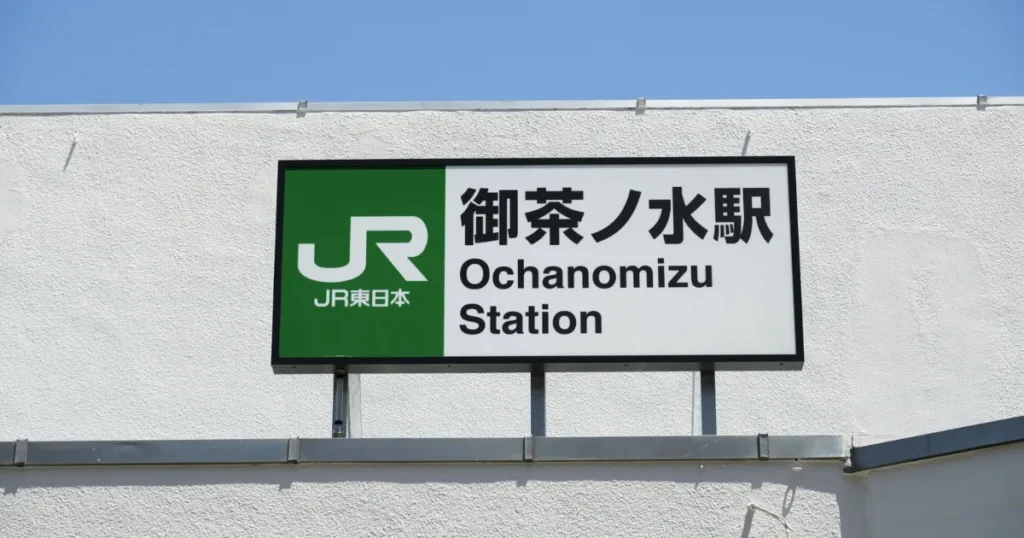
Ochanomizu Station serves the JR Chuo and Sobu Lines.
It sits on uneven terrain, giving it a unique multi-level structure.
Peak commuting hours can be busy, especially on weekdays.
Shin-Ochanomizu Station as an Alternative
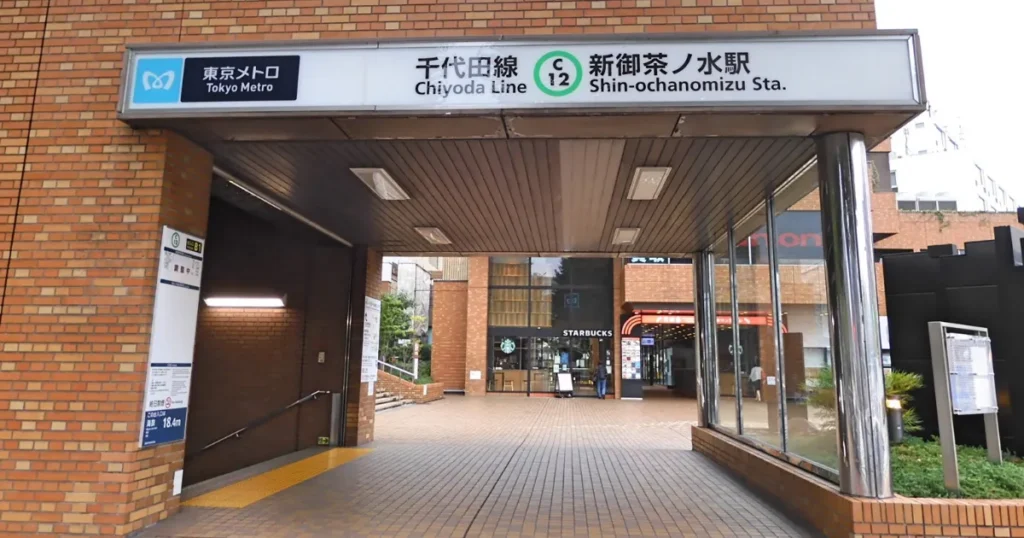
Shin-Ochanomizu Station is on the Tokyo Metro Chiyoda Line.
It connects underground to Ochanomizu Station and is generally less congested.
From Shin-Ochanomizu Station, major landmarks such as Yushima Seido are within a 3–5 minute walk.
Ochanomizu Walking Route
This walking route links scholarship, faith, and modern culture.
It can be completed in approximately 90 minutes, excluding extended visits.
Efficient Route Covering Major Landmarks
- Ochanomizu Station or Shin-Ochanomizu Station
- Yushima Seido
- Kanda Myojin
- Akihabara
The walk includes gentle slopes and avoids major tourist congestion.
Comfortable walking shoes are strongly recommended.
Why Visit Kanda Myojin from Ochanomizu
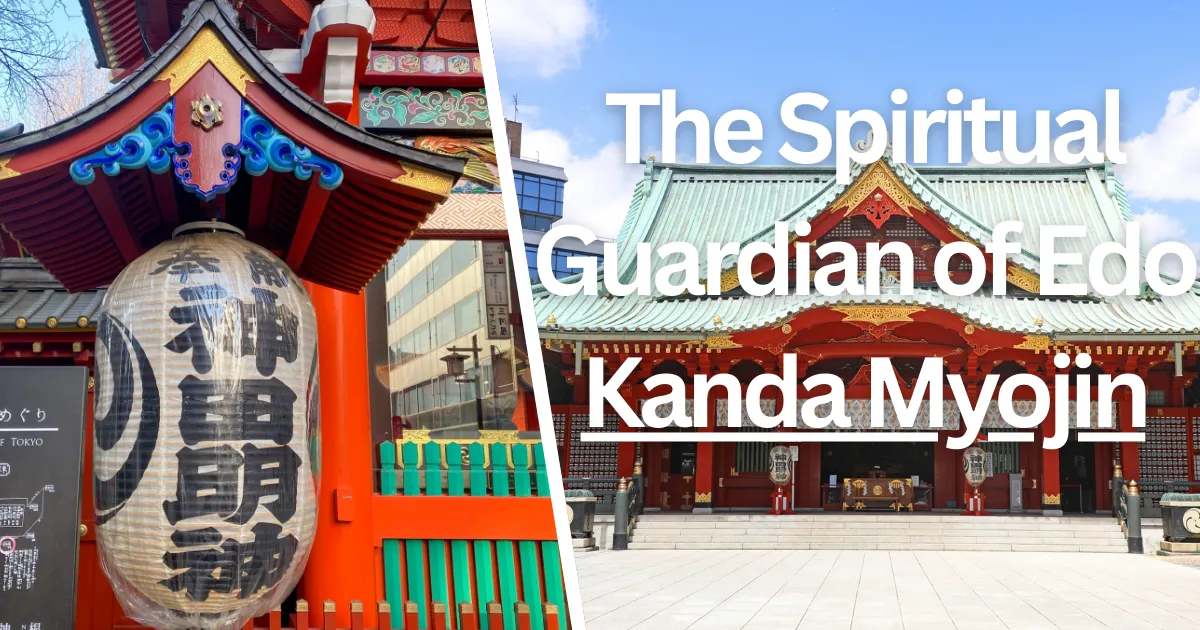
Kanda Myojin is a major Shinto shrine known for blessings related to business, technology, and prosperity.
It has become especially popular among entrepreneurs and IT professionals.
For travelers interested in its history and modern relevance, reading the Kanda Myojin introduction adds valuable context before visiting.
Practical Travel Tips for Visiting Ochanomizu Area
Keeping practical advice in one place improves clarity and usability.
Small logistical details can significantly improve the travel experience.
Nearby Areas to Combine with Ochanomizu
- Kanda: traditional restaurants and bookstores
- Jimbocho: secondhand book district
- Akihabara: electronics and anime culture
Visitor Etiquette and Important Notes
- Yushima Seido is a cultural and academic site.
- Respect rituals and worshippers at Kanda Myojin.
- Weekdays offer a quieter and more authentic atmosphere.
FAQ — Visiting Ochanomizu
- How long does it take from Tokyo Station to Ochanomizu?
-
From Tokyo Station, take the JR Chuo Line (Rapid) to Ochanomizu Station. The journey takes approximately 5 minutes, and JR Rail Pass holders can use this route.
- Can I reach Ochanomizu using the JR Rail Pass?
-
Yes. Ochanomizu Station is served by JR lines covered by the JR Rail Pass, making access easy for pass holders.
- Is Yushima Seido free to enter?
-
Yes, admission is generally free, though events may affect access.
- Can Ochanomizu be combined with major Tokyo sightseeing routes?
-
Yes. It fits naturally between Tokyo Station, Ueno, and Akihabara.
Japan Trails Newletter

Explore Tokyo with a Local!!

We offer tailored private tours designed for small groups. Prices start from 200 USD per person, and every itinerary can be fully customized.