Yanaka & Nezu Tokyo: Complete Guide
Yanaka and Nezu represent Tokyo’s most authentic traditional neighborhoods, having survived World War II bombings largely intact.
These historic districts preserve Edo-period atmosphere with narrow alleyways, traditional wooden houses, over 70 temples, and the famous Yanaka Ginza shopping street.
This guide provides international visitors with essential information about must-see attractions, seasonal events, local culture, and practical visiting tips.
Yanaka History
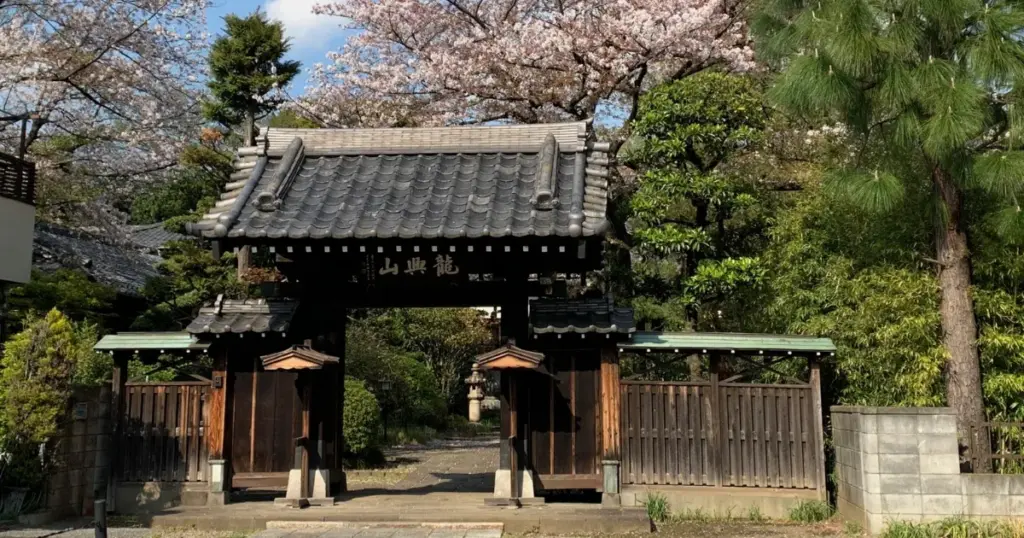
Yanaka miraculously emerged from World War II almost unscathed, preserving buildings and streetscapes from the Meiji and Taisho periods (1868-1926).
The area flourished as a cultural center during Japan’s modernization while maintaining its shitamachi (old downtown) character.
Today Yanaka serves as a living museum where visitors experience authentic pre-war Tokyo atmosphere.
Edo Period Temple Town Heritage
Yanaka developed during the Edo period (1603-1868) as a temple town housing numerous Buddhist temples and graveyards.
Over 70 temples still operate today, creating Tokyo’s “temple district” atmosphere.
These institutions served spiritual, educational, and cultural roles, attracting scholars, artists, and craftsmen.
Survival Through War and Modernization
Unlike most Tokyo neighborhoods devastated by 1945 firebombing, Yanaka escaped major damage.
Traditional wooden machiya townhouses, narrow alleyways, and pre-war buildings remained standing while surrounding areas required complete reconstruction.
This preservation gave Yanaka unique character as Tokyo rapidly modernized.
Modern Revival as Cultural Destination
Recent decades witnessed Yanaka’s transformation into a celebrated cultural destination.
Artists and entrepreneurs converted traditional buildings into galleries, workshops, and atmospheric cafes.
SCAI the Bathhouse—a former public bathhouse now operating as a contemporary art gallery—exemplifies this trend.
Nezu Shrine
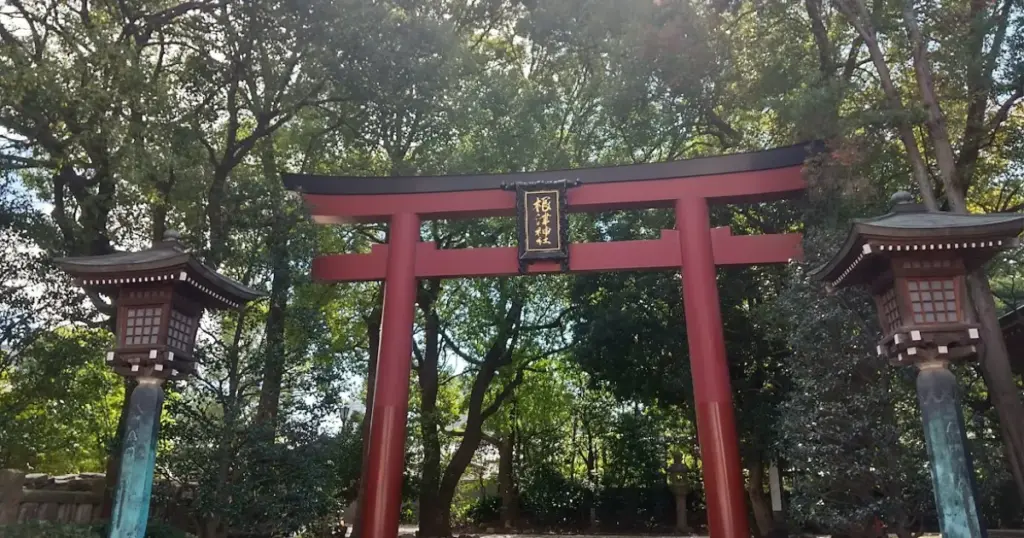
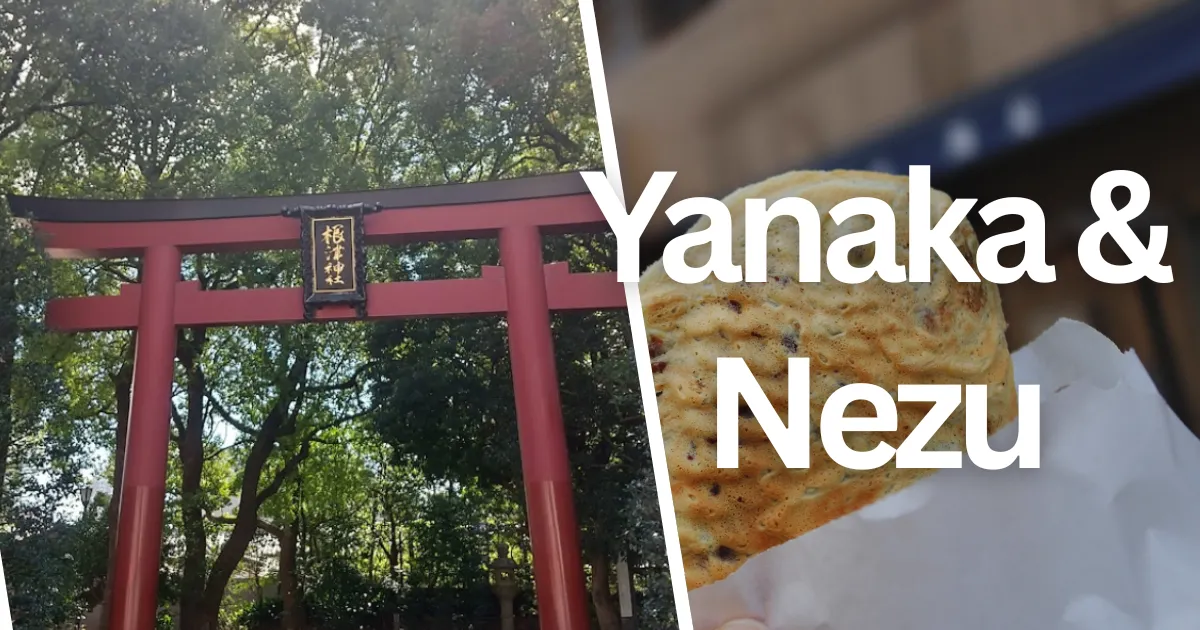
Nezu Shrine was established approximately 1,900 years ago by the legendary Prince Yamatotakeru and ranks among Tokyo’s most historically significant religious sites.
The shrine features stunning red torii gate tunnels reminiscent of Kyoto’s famous Fushimi Inari and hosts the spectacular Bunkyo Azalea Festival every April with 3,000 azalea bushes.
Designated as a National Important Cultural Property, Nezu Shrine combines spiritual significance with natural beauty.
Shrine History and Cultural Significance
Prince Yamatotakeru founded Nezu Shrine in the first century during military campaigns.
The shrine relocated to its current location around 1705. Existing buildings constructed during the Edo period represent Tokyo’s finest traditional shrine architecture.
Five deities are enshrined here, and students particularly favor the shrine for academic success prayers.
Bunkyo Azalea Festival: 3,000 Blooms in 100 Varieties (April)
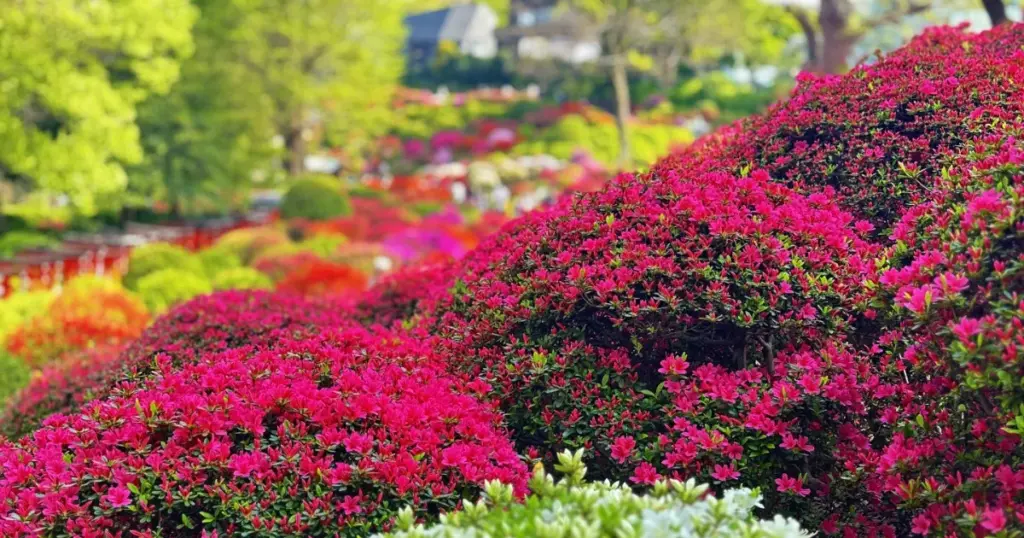
The Bunkyo Azalea Festival transforms Nezu Shrine every April when 3,000 azalea bushes representing 100 varieties burst into bloom.
The hillside garden displays pink, white, red, and purple flowers in concentrated profusion.
Festival Information:
| Detail | Information |
|---|---|
| Period | April 1 – April 30 |
| Garden Hours | 9:30 AM – 5:30 PM |
| Shrine Entry | Free |
| Garden Admission | ¥500 (Free for elementary students) |
| Peak Bloom | Mid-April |
The festival features traditional performances, food stalls, antique markets, and craft exhibitions.
Weekday visits are preferable for avoiding crowds.
Red Torii Gate Tunnel and Traditional Architecture
Nezu Shrine’s senbon torii (thousand torii gates) create an iconic tunnel of approximately 100 vermillion gates ascending a hillside.
The photogenic pathway offers atmospheric conditions perfect for photography.
A pond with colorful koi fish adds tranquility, while mature trees provide shade and seasonal colors.
Yanaka Ginza Shopping Street
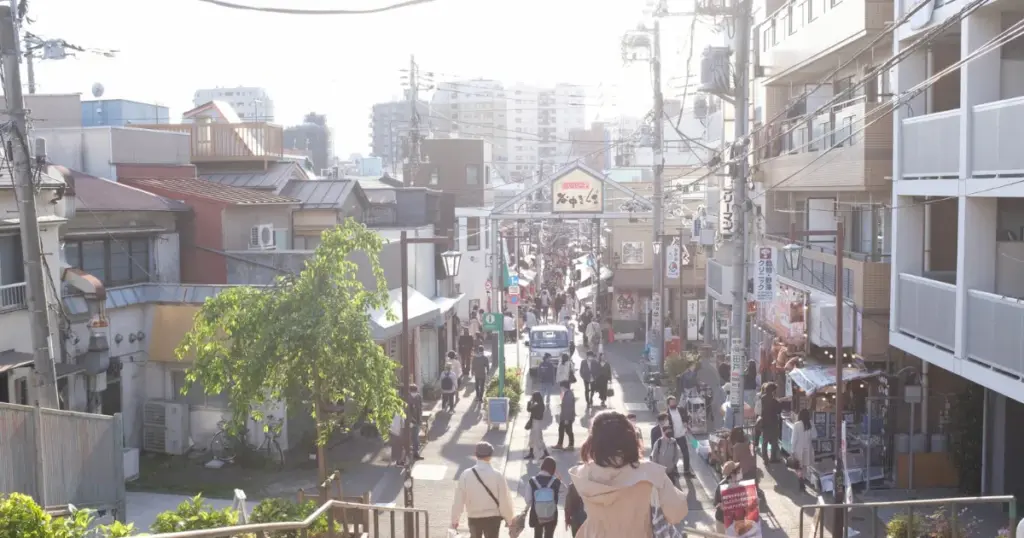
Yanaka Ginza Shopping Street extends 170 meters with approximately 60 traditional shops preserving Showa-era (1926-1989) nostalgia.
The lantern-lined street offers traditional Japanese snacks, handicrafts, street food, and the famous “Seven Lucky Cats” statues.
This nostalgic shopping district provides authentic local experiences away from touristy commercial areas.
Traditional Shops and Street Food
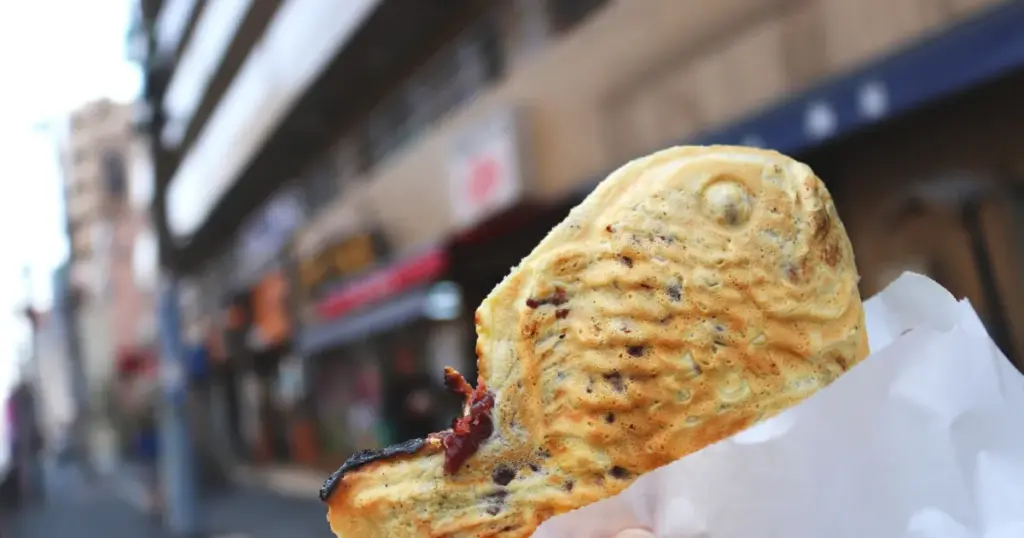
The shopping street functions as a real neighborhood commercial center where local residents conduct daily shopping.
Traditional stores sell rice crackers (senbei), Japanese sweets (wagashi), pickles, fresh fish, and household goods.
Street food vendors offer piping-hot sweet potatoes (yaki-imo), breaded pork cutlets (menchi katsu), roasted chestnuts, and grilled squid.
Popular Street Foods:
- Menchi Katsu: ¥200-300
- Yaki-Imo: ¥300-500
- Grilled Squid: ¥400-600
- Senbei: ¥100-300
- Taiyaki: ¥150-250
Seven Lucky Cats and Photo Spots
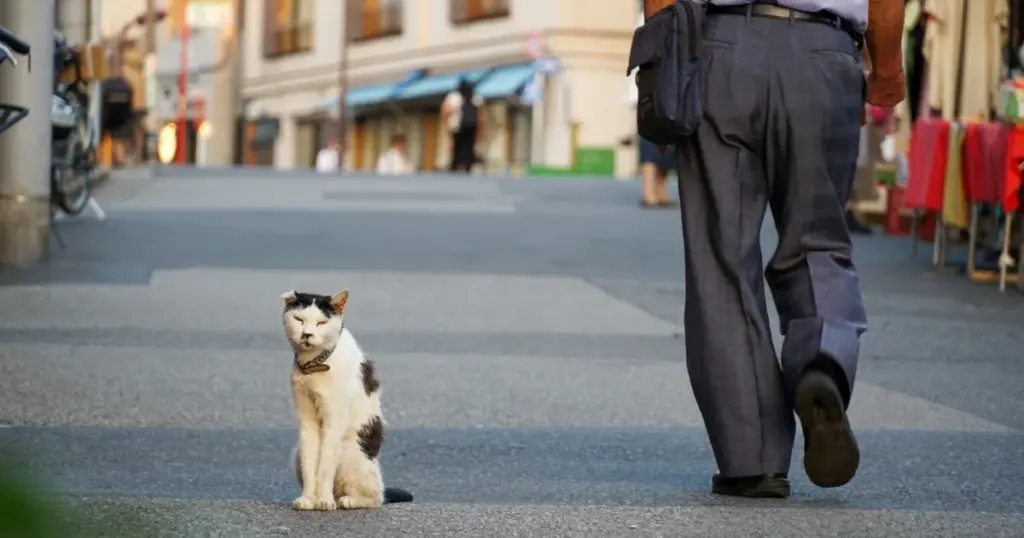
Yanaka earned its nickname as “cat town” (neko no machi) due to numerous felines and cat-themed shops.
The “Seven Lucky Cats” statues hidden around Yanaka Ginza provide a treasure hunt activity.
Cat-themed shops sell lucky cat figurines (maneki-neko), textiles, and cat-shaped sweets.
Yuyake Dandan Sunset Stairs
The “Yuyake Dandan” (sunset stairs) descend from Yanaka Ginza toward Nippori Station, offering elevated views across rooftops.
The 36-step staircase has become Instagram-famous where cats frequently lounge on steps.
Evening visits reveal lanterns creating warm atmospheric lighting.
Practical Visitor Information
Practical information helps visitors maximize their Yanaka and Nezu experience efficiently.
These frequently asked questions address access, timing, and costs with direct answers.
Clear information facilitates smooth trip planning for international tourists.
- How do I get to Yanaka and Nezu?
-
Multiple train stations provide convenient access to different areas of Yanaka and Nezu neighborhoods.
Access by Station
Station Lines Walking Distance Best For Nippori JR Yamanote, Keihin-Tohoku, Joban; Keisei Line To Yanaka Ginza: 5 min Yanaka Ginza, eastern area Nezu Tokyo Metro Chiyoda Line To Nezu Shrine: 5 min Nezu Shrine, central area Sendagi Tokyo Metro Chiyoda Line To Yanaka Ginza: 7 min Western area, less crowded Nishi-Nippori JR Yamanote; Tokyo Metro Chiyoda Line To temples: 5-8 min Northern temples area Recommended Routes:
- From Tokyo Station: JR Yamanote Line to Nippori (15 minutes)
- From Shinjuku: JR Yamanote Line to Nippori (20 minutes)
- From Asakusa: Tokyo Metro Ginza Line to Ueno, transfer to Chiyoda Line to Nezu (15 minutes)
- From Ueno: Walk 15 minutes or Chiyoda Line one stop to Nezu (5 minutes)
- How much time should I spend in Yanaka and Nezu?
-
A half-day visit (4-5 hours) allows you to experience the main attractions including Nezu Shrine, Yanaka Ginza shopping, and temple area exploration.
For a more relaxed experience with workshops and cafes, plan a full day (7-8 hours).
- How much does it cost to visit?
-
Most attractions in Yanaka and Nezu are free or inexpensive. Nezu Shrine entry is free (azalea garden ¥500 during festival).
Street food costs ¥200-600 per item. Lucky cat painting workshops cost ¥1,500-2,500.
Budget approximately ¥2,000-3,000 per person for a half-day including food and souvenirs.
- What are the must-try local foods?
-
Try menchi katsu (breaded meat cutlet) from Niku no Suzuki, yaki-imo (roasted sweet potato), traditional senbei (rice crackers), and taiyaki (fish-shaped cake).
Most shops close by 6:00 PM, so plan food exploration for daytime hours.
Conclusion
Yanaka and Nezu preserve authentic Tokyo atmosphere in neighborhoods that miraculously survived wartime destruction.
The combination of Nezu Shrine’s azalea festival, Yanaka Ginza’s nostalgic shopping street, historic temples, and traditional architecture creates unique experiences unavailable in modern Tokyo districts.
Explore Tokyo with a Local!!

We offer tailored private tours designed for small groups. Prices start from 200 USD per person, and every itinerary can be fully customized.