The Japanese Bean Throwing Tradition of Setsubun
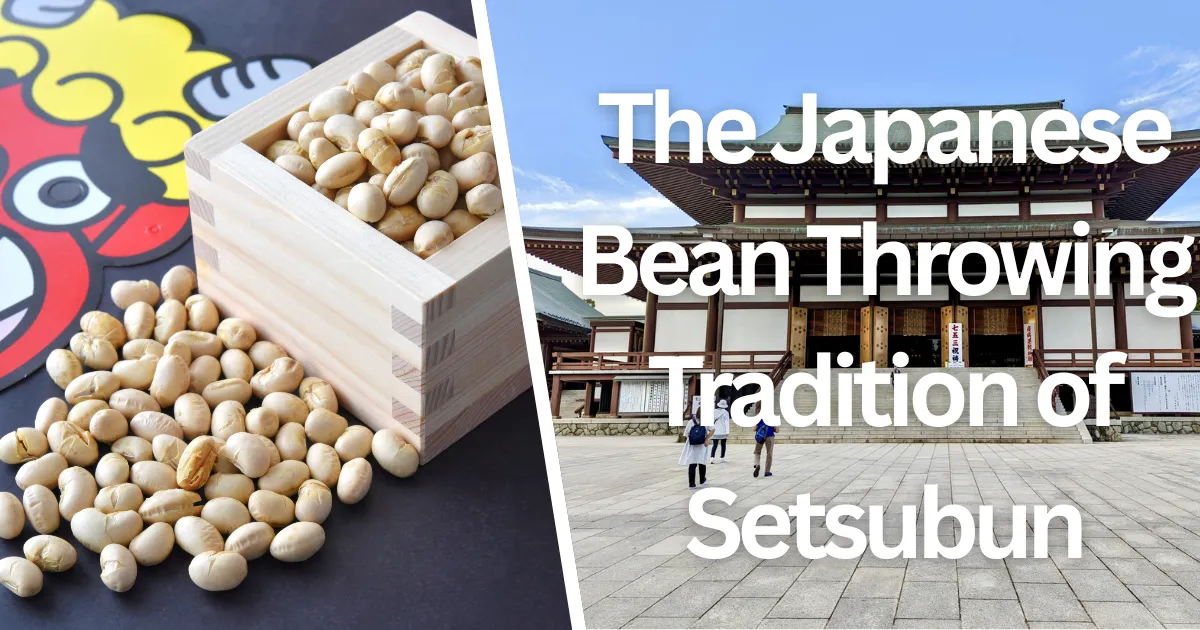
Mamemaki is one of the most visually striking and symbolically rich seasonal customs in Japan.
Performed duringSetsubun, usually in early February, this bean-throwing ritual represents the transition from winter to spring andreflects how Japanese culture approaches misfortune, renewal, and daily spirituality.
Mamemaki Meaning and Cultural Background in Japan
Mamemaki meaning is best understood through Japan’s seasonal worldview and its long-standing belief in the cyclical nature of fortune.
Rather than focusing on fear of evil, the ritual emphasizesbalance, prevention, and symbolic cleansing.
Understanding this background helps visitors see Mamemaki not as a spectacle, but as a deeply rooted cultural practice.
 ONO
ONOI do bean-throwing every year too.
What Does Mamemaki Mean in Japanese Culture?
The word Mamemaki literally means “bean throwing,” but culturally it represents the act of driving away misfortune and welcoming good fortune.
During Setsubun, people throw roasted soybeans while chanting a phrase that translates to“Demons out, fortune in”.
The “demons” here are symbolic, representing illness, disasters, bad luck, and personal hardships rather than literal supernatural beings.
Why Beans Are Used Instead of Other Objects
Beans are central to Mamemaki forlinguistic, cultural, and practical reasons.
In Japanese wordplay, mame (bean) sounds similar to words associated with health, diligence, and sincerity.
There is also a traditional interpretation that beans “destroy demons,” based on phonetic associations rather than literal meaning.
Practically, roasted soybeans are safe to throw,easy to clean up, and edible afterward, which naturally leads into another important part of the custom: eating the beans.
Mamemaki Ritual How It Is Practiced During Setsubun
Mamemaki ritual practices vary depending on location, but the core elements remain consistent across Japan.
Whether performed in a small apartment or at a large temple event, the act of throwing beans carries the same symbolic purpose.
Typical Mamemaki Steps at Home in Japan

In most households, Mamemaki is a short but meaningful family activity.
One person, often a parent, may wear a demon mask, while others throw beans toward them.
The chant is spoken clearly and rhythmically, reinforcing the ritual’s intention.
After the bean throwing, the scattered beans are cleaned up, and family members eat a specific number of beans.
This number is traditionally one more than their age, symbolizing health and longevity in the coming year.
| Step | Action | Cultural Meaning |
|---|---|---|
| Preparation | Roast or buy soybeans | Purification and readiness |
| Bean throwing | Throw beans while chanting | Expelling misfortune |
| Cleanup | Gather beans | Restoring order |
| Eating beans | Eat age + 1 beans | Wishing health and longevity |
Mamemaki at Temples and Shrines
At temples and shrines, Mamemaki becomes a public event often attended by hundreds or thousands of people.
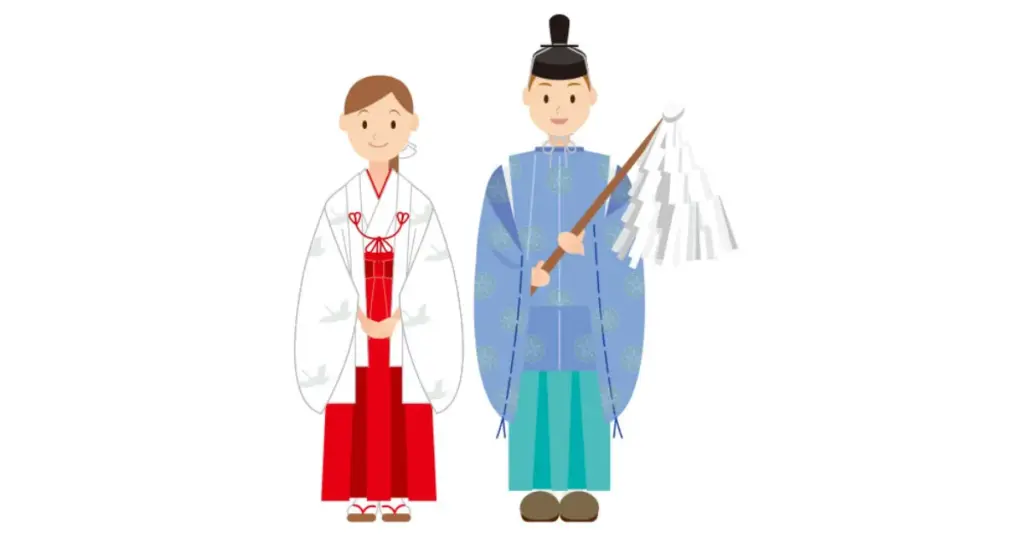
Priests, monks, or invited guests throw beans from elevated platforms, and attendees try to catch them for good luck.
These events are lively, festive, and sometimes include local celebrities or athletes.
For visitors, temple Mamemaki events offer a unique cultural experience, but they also require awareness of etiquette.
Photography is usually allowed, but blocking walkways or interfering with the ritual is discouraged.
Mamemaki History and Its Evolution Over Time

Mamemaki history reveals how Japan absorbs and transforms influences over time.
While the ritual’s origins are ancient, its current form is the result of gradual adaptation rather than strict preservation.
This flexibility is one reason Mamemaki remains relevant today.
Origins of Mamemaki in Ancient Japan
The earliest forms of Mamemaki are linked to court rituals influenced by continental Asian beliefs about purification and seasonal change.
These early ceremonies focused onexpelling negative forces at key moments in the calendar, particularly at transitions between seasons.
By the medieval period, Mamemaki had become firmly established as a seasonal custom practiced across social classes.
How Mamemaki Changed in Modern Japan
In modern Japan, Mamemaki has adapted to changing lifestyles.
Pre-packaged beans, compact rituals, and organized public events reflect urban living and time constraints.
At the same time, media coverage and tourism have expanded awareness of the tradition beyond Japan.
Mamemaki Beans Types and How to Eat Them After
Mamemaki beans are not just ritual tools; they are also part of the custom’s conclusion.
The act of eating the beans reinforces the idea that good fortune is internalized rather than merely observed.
This dual role of the beans is a distinctive feature of the tradition.
Roasted Soybeans and Other Variations
The standard Mamemaki bean is a roasted soybean, chosen because roasting removes moisture and reduces the chance of sprouting.
This detail is significant, as sprouting beans scattered on the ground were historically seen as undesirable.
Regardless of type, the beans are always associated with purification and renewal rather than food waste.
Eating Beans for Good Luck Age Custom
After Mamemaki, people eat the number of beans equal to their age plus one.
This extra bean represents the coming year and the hope of continued health.
While the custom is widely known, modern interpretations are flexible, especially for children and elderly participants.
Mamemaki for Tourists How to Experience It in Japan

Mamemaki for tourists is increasingly accessible, especially in major cities.
Many events welcome international visitors, recognizing the cultural exchange value of participation.
However, understanding where and how to experience Mamemaki makes a significant difference.
Where Tourists Can Join Mamemaki Events
- Large temples with public ceremonies
- Neighborhood shrines with intimate gatherings
- Shopping malls hosting cultural events
- Hotels offering seasonal programs
Checking schedules in advance is recommended.
Mamemaki Compared to Other Japanese Seasonal Traditions
Mamemaki gains additional meaning when viewed alongside other Japanese seasonal customs.
Like many such traditions, it marks a transition point and encourages reflection on change.
Mamemaki vs Other Setsubun Customs
Another well-known Setsubun custom iseating foods associated with direction and luck, such as special seasonal dishes.
While these practices focus on internal well-being, Mamemaki emphasizes outward action through symbolic gestures.
Mamemaki FAQs for First-Time Visitors
- Is Mamemaki Religious?
-
Mamemaki has roots in religious thought, but today it functions primarily as a cultural tradition. Participation does not require religious belief.
- Can Children Participate?
-
Yes, children commonly take part in Mamemaki. Events are generally family-friendly, with safety considerations in place.
- Is Mamemaki Safe for Everyone?
-
Most Mamemaki events are safe when basic instructions are followed. Organizers increasingly prioritize accessibility and safety for all participants.
Explore Tokyo with a Local!!

We offer tailored private tours designed for small groups. Prices start from 200 USD per person, and every itinerary can be fully customized.