A Practical Guide to Your Japanese New Year Shrine & Tempkes Visit
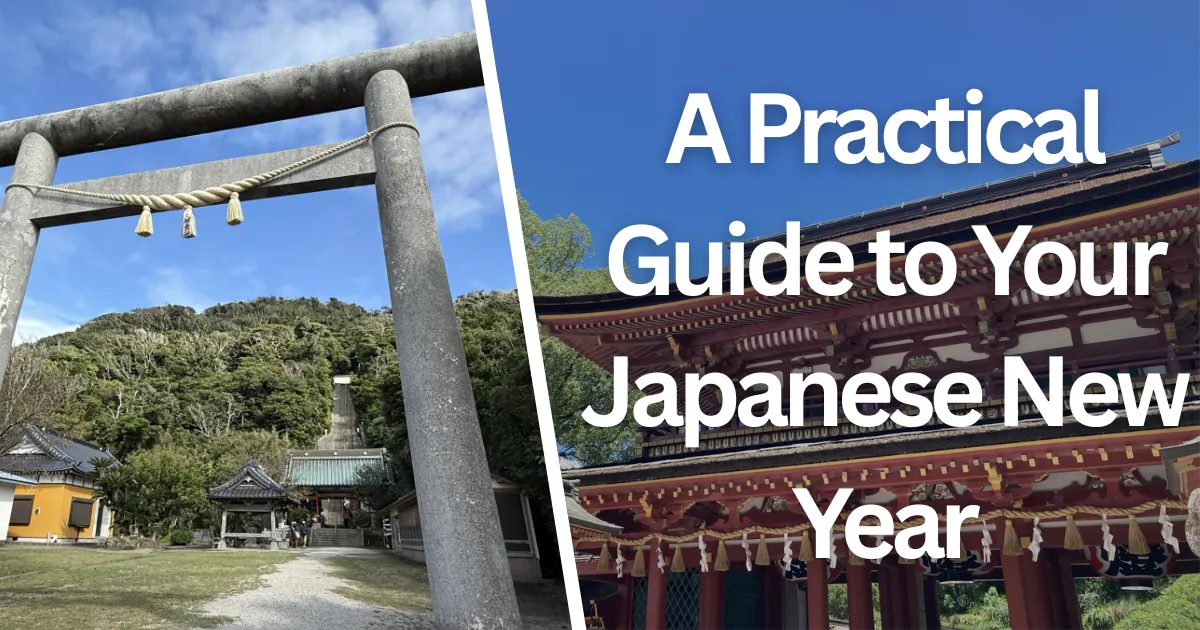
Hatsumode (初詣) is Japan’s “first visit of the year” to a Shinto shrine or Buddhist temple. It’s beautiful, crowded, and surprisingly easy to do respectfully—if you understand how sacred spaces work during peak New Year traffic.
This guide focuses on what matters on the ground: how to move, where to stand, what not to photograph, and how to handle incense, omikuji, and cash in a way that won’t annoy locals.
Timing, crowd flow, and why the first plan matters
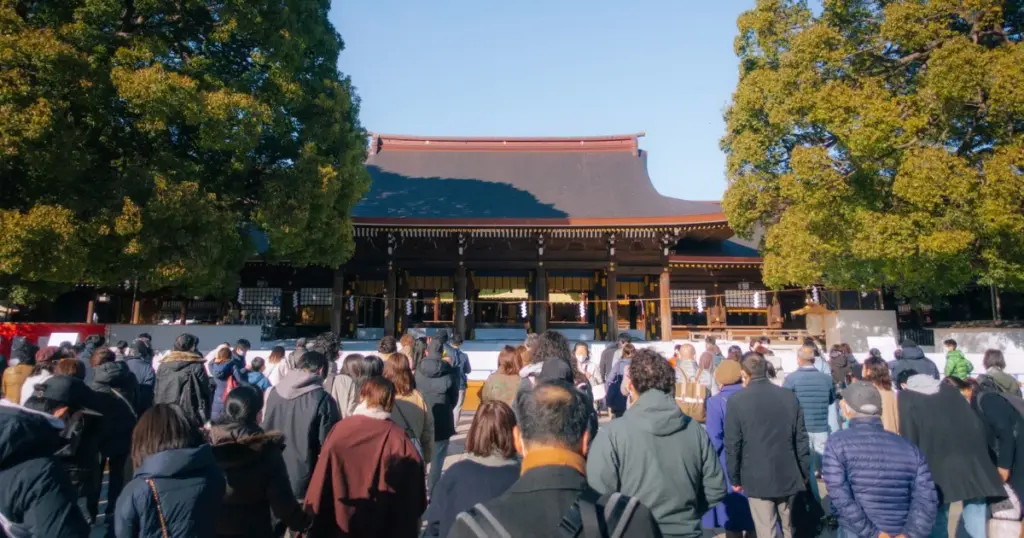
Hatsumode etiquette begins before you arrive because New Year crowds change how shrines and temples operate.
During peak periods, staff may create one-way walking routes, separate queues, and restrict filming more strictly than on normal days.
If you plan with those realities in mind, you’ll feel calm and look “naturally respectful” without overthinking.
Sanganichi: The real meaning of Japan’s “first three days”
Sanganichi (三が日) refers to January 1–3, the core New Year holiday period when hatsumode crowds are at their highest.
Many offices and businesses run reduced hours during this window, and popular sites may become tightly managed with ropes, signs, and staff directing people continuously.
If you want the same cultural experience with less pressure, visiting after Sanganichi—often early in the first week of January—can feel far more relaxed.
After you pick a day, think in “queues,” not “spots.” A major shrine/temple can have separate lines for: prayer, omamori/amulets, omikuji/fortunes, and goshuin/stamps.
Your time estimate should assume you might join more than one line.
Shrine vs temple etiquette
Shrines and temples both welcome hatsumode visitors, but the key gestures differ enough that copying others blindly can backfire.
Shrines commonly use the two bows, two claps, one bow pattern, while temples generally do not involve clapping and instead use quiet gasshō (hands together).
The easiest way to avoid mistakes is deciding “shrine mode” or “temple mode” as soon as you see the entrance markers and worship setup.
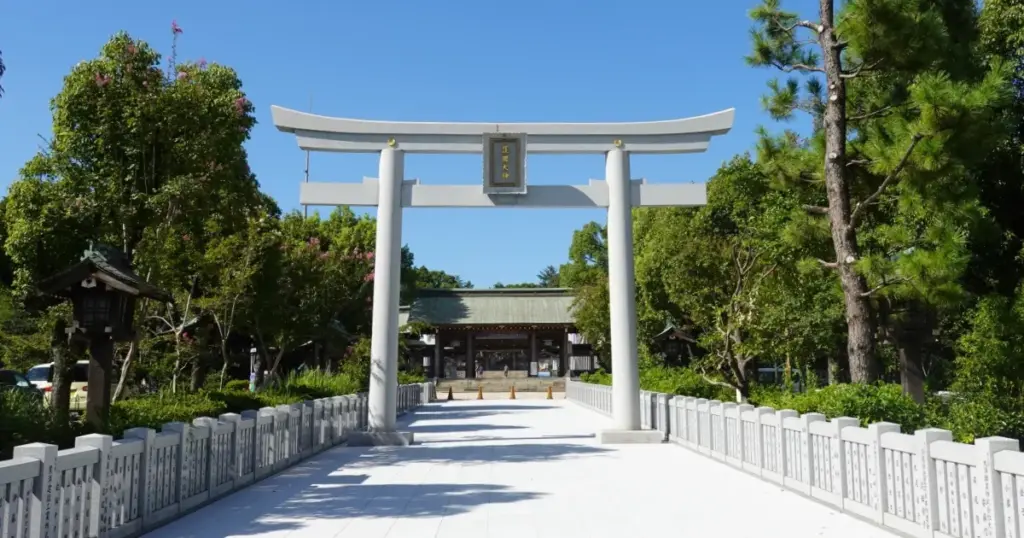
Use visuals to decide quickly: a torii gate strongly suggests a shrine, while a temple gate plus an incense burner area suggests a temple.
If you still feel unsure, follow posted signs and staff instructions over any online checklist.
Cash etiquette: Bring cash—and bring enough (minimum ¥10,000)
Cash is one of the most practical “etiquette tools” you can carry on hatsumode because it prevents you from blocking the line.
Many goshuin counters and amulet/amulet-related counters still operate cash-first, and guides frequently advise having cash ready to avoid holding up others.
For a smooth hatsumode, bring at least ¥10,000 (not just coins) so you can cover omamori, omikuji, ema, and goshuin without panicking at the counter.
Practical cash checklist (not a rule, a survival kit)
- Coins: offerings (any amount is acceptable, but coins are easiest)
- Bills: goshuin + omamori often add up quickly in one visit
- Small change: some counters may not easily break large bills
Shrine vs temple etiquette: A clear comparison you can reference in seconds
Shrine vs temple etiquette is the confusion point for first-time visitors, especially during crowded hatsumode nights.
The good news is that you only need a handful of differences to avoid 95% of mistakes.
Use the table below as your “switch” before you reach the prayer area.
Quick comparison table
This table is designed for hatsumode conditions—cold hands, fast-moving lines, and limited time to think.
It focuses on what people actually notice: clapping, incense, indoor photography, and how you move at the prayer point.
If you memorize only one part of this guide, memorize this table.
| Category | Shinto Shrine (Jinja) | Buddhist Temple (Otera) |
|---|---|---|
| Entrance cue | Often has a torii | Often has a temple gate; incense area is common |
| Purification | Temizuya (water purification) is common | Water purification may exist; incense burner is common |
| Prayer gesture | Often two bows, two claps, one bow | No clapping; quiet gasshō (hands together) |
| Incense smoke | Usually not central to worship | Jōkōro smoke “bathing” may be practiced at outdoor burners |
| Indoor photos | Rules vary | Often forbidden inside buildings; look for signs |
The fastest “don’t embarrass yourself” rule
This rule exists because hatsumode crowds make it hard to pause and research on-site.
If you clap at a temple, it stands out immediately; if you try to “incense-smoke bathe” in the wrong place, it can disturb worshippers.
Your safest approach is: clap only at shrines, and treat incense near halls as an offering space, not a performance space.
When in doubt, watch locals for 10 seconds before you act.
During hatsumode, staff and signage are also more visible than usual—follow them even if it contradicts a blog post you read.
How to enter, walk, and behave before you pray(Shrine)
Shinto shrine etiquette is less about “secret religious knowledge” and more about moving in a way that doesn’t interrupt others.
The biggest tourist mistakes are traffic mistakes:stopping under a gate, blocking the offering box, or filming where people are praying.
If you treat the shrine like a space where real people are actively praying, your behavior will naturally align.
Torii : Bow lightly—and don’t block the gate for photos
A small bow before passing through the torii is a simple sign of respect.
Many visitors also avoid walking dead-center when space allows, but the most important practical rule is: don’t stop under the torii to check maps or stage group photos.
Walk through first, then move to the side to regroup.
Quick “flow-friendly” behaviors
- Step aside to check directions (never in the center of the approach)
- Keep voices low near the main sanctuary
- Follow one-way routes during hatsumode (don’t shortcut through incoming lines)
After praying, move sideways immediately to clear the lane
Hatsumode lines are built around a bottleneck: the prayer point.
When you finish praying, don’t drift backward into the next person’s space; move sideways out of the lane so the next visitor can step forward smoothly.
This single habit reduces crowd stress and is one of the clearest “I understand the culture” signals you can show.
Common mistakes that trigger glares
- Adjusting your bag or camera at the offering box
- Calling friends to “join you” at the front
- Stopping right after the prayer point to read signs (walk away first)
Shrine precinct : Phones, food, and quiet zones
Shrine grounds can feel park-like, but the mood changes as you approach the sanctuary.
Taking a call beside people who are praying can feel intrusive, so step away if you must use your phone.
Temizuya purification: The correct steps
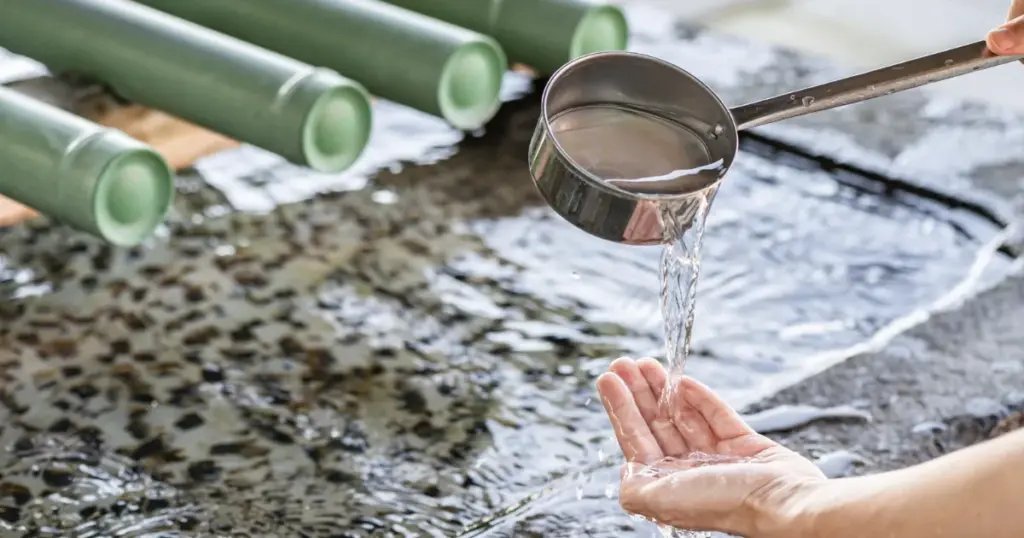
Temizuya purification is one of the most visible rituals at shrines, and it’s easy to do respectfully if you keep it minimal and clean.
The key hygiene point is universal: never touch the ladle to your mouth.
If the temizuya is busy, your “best etiquette” is an efficient, small-motion version that keeps the line moving.
Temizuya purification: Step-by-step table you can follow in line
This sequence is widely taught: left hand, right hand, mouth (using your hand), then the handle.
Use only a small amount of water and avoid splashing other visitors.
Return the ladle neatly so the next person can follow the same steps.
→ rinse left hand
Don’t Splash water around the basin
→ rinse right hand
Don’t Hog the space in crowds
left palm → rise mouth →
spit away from basin
Don’t drink; don’t touch ladle to lips
title ladle to rinse the handle
Don’t Return the ladle without cleaning the handle
Temizuya closures: What to do when it’s simplified or unavailable
Sometimes temizuya stations are closed, simplified, or missing due to crowd management or hygiene policy.
In that case, the correct etiquette is not insisting on the “full routine” and creating a bottleneck.
Follow signs and staff directions, do a hands-only version if indicated, and move on calmly.
Temizuya pace: How to avoid slowing everyone down
Cold weather makes people fumble with gloves, pockets, and towels.
Treat temizuya like a quick, symbolic ritual: small motions, minimal water, and clear the space quickly for the next person.
If you need to dry your hands, step away from the basin first.
Shinto shrine prayer
Shinto shrine prayer is structured to be learnable, which is why even first-time visitors can do it correctly.
During hatsumode, the challenge isn’t memorizing the pattern—it’s performing it without disrupting the flow.
Focus on compact gestures and smooth exiting, and you’ll look confident even in dense crowds.
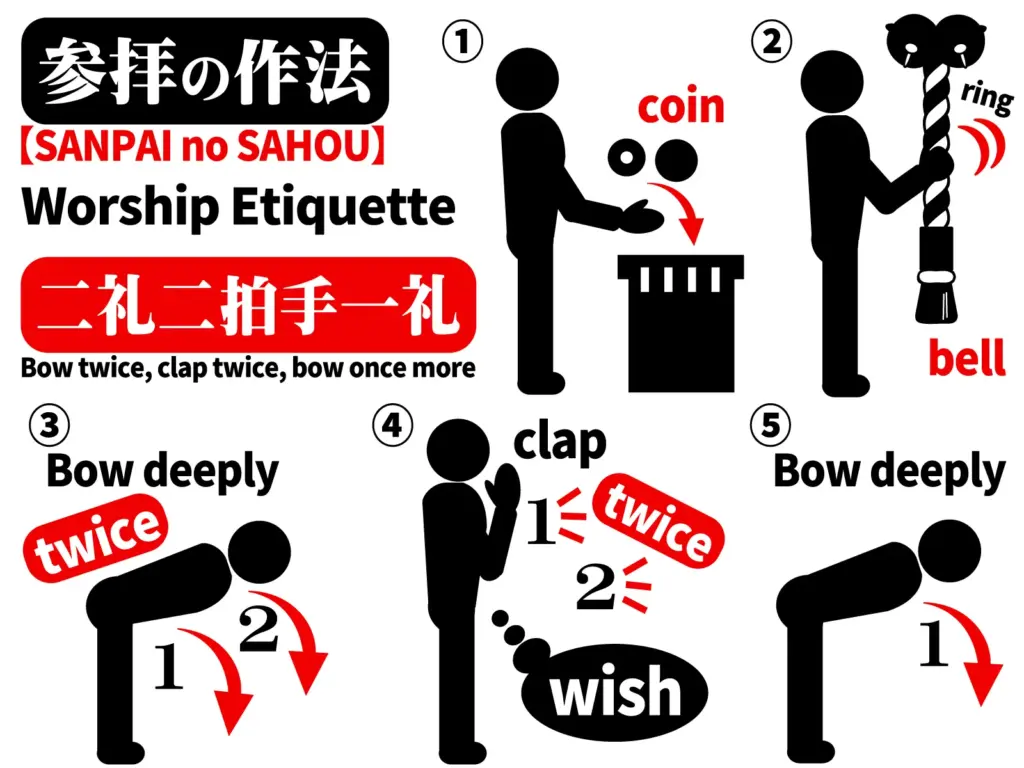
Shinto shrine prayer: The practical “offering-to-exit” sequence
Offerings are usually placed in an offertory box, and some shrines have a bell rope you may ring.
After the bows and claps, keep a short, silent prayer rather than a long pause that blocks the person behind you.
Finish with the final bow, then clear the lane.
Sequence you can copy
Shinto shrine prayer: How to finish without causing a crowd jam
Hatsumode is a mass event, so finishing well is part of your respect.
The moment you complete the final bow, move sideways out of the worship lane so the next person can approach immediately.
If you want a photo, take it from the side after you’ve fully cleared the lane.
Shinto shrine prayer: What not to do at the exact “sacred point”
This is where tourists accidentally become the main character.
Don’t set up a phone tripod, don’t ask someone to film you clapping, and don’t stand still deciding what to do next.
Do the sequence, move aside, and let the shrine breathe.
Buddhist temple etiquette
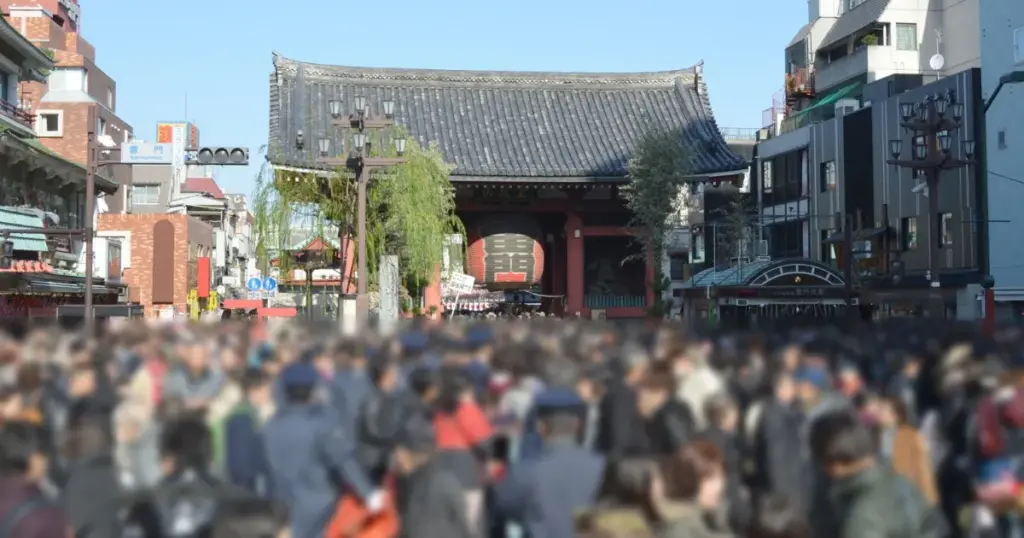
Buddhist temple etiquette during hatsumode emphasizes quiet, minimal motion, and careful handling of incense.
Unlike shrines, temples generally do not use clapping, and the prayer space can feel more “indoors-focused.”
Incense is also where visitors most often make a visible mistake, so it’s worth getting right.
Jōkōro etiquette
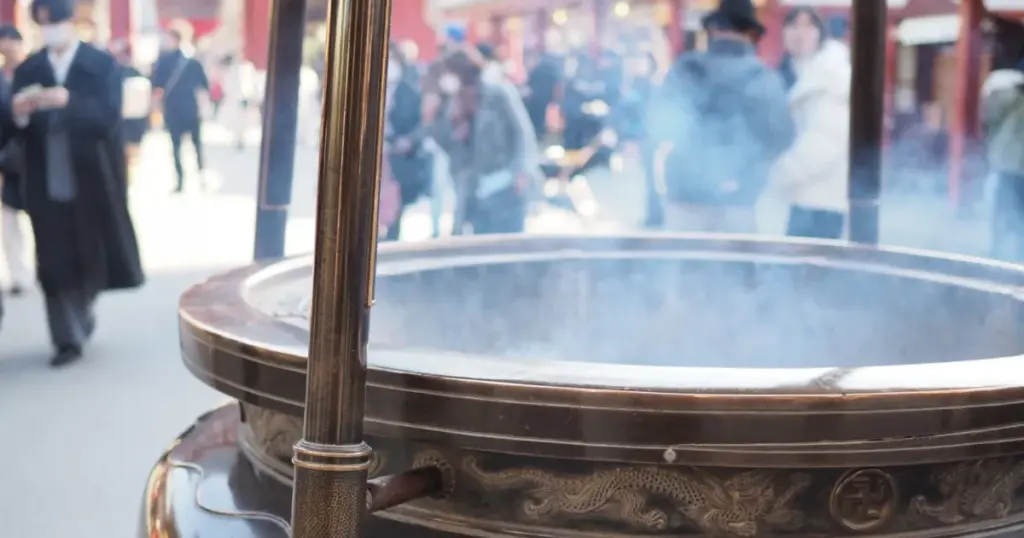
Many temples place a large incense burner—often described as a jōkōro (常香炉)—in front of the main hall.
At this jōkōro, people may light incense and gently let the smoke wash over their body; it is commonly associated with benefits like good health (mubyō sokusai) and receiving wisdom/clarity.
Keep it short and subtle: waft a little smoke toward yourself, then step away so others can approach.
Jōkōro “benefits” commonly explained to visitors
- Smoke toward the body: symbolic purification and health wishes
- Smoke toward the head: wisdom/mental clarity (common belief)
Front incense vs jōkōro: The clear difference (and the no-waft zone)
Temples can have multiple incense-related points, and they are not the same.
The jōkōro in front of the main hall functions as a communal purification/offerings space where brief smoke bathing is commonly practiced.
Incense areas closer to worshippers, altar-facing zones, or indoor incense points should be treated as devotional offering zones—don’t create wind, don’t swirl smoke, and don’t turn it into a personal ritual performance.
Simple rule that prevents problems
- At the jōkōro (in front of the hall): gentle, brief wafting is commonly seen
- Near altar/inside/close worship zones: minimal movement; treat it as an offering area
Temple prayer etiquette: No clapping, quiet hands, and indoor caution
If you light incense, extinguish the flame by waving your hand rather than blowing.
Inside halls, move quietly, watch for posted rules, and don’t assume that an open doorway means photography is allowed.
Omikuji & omamori
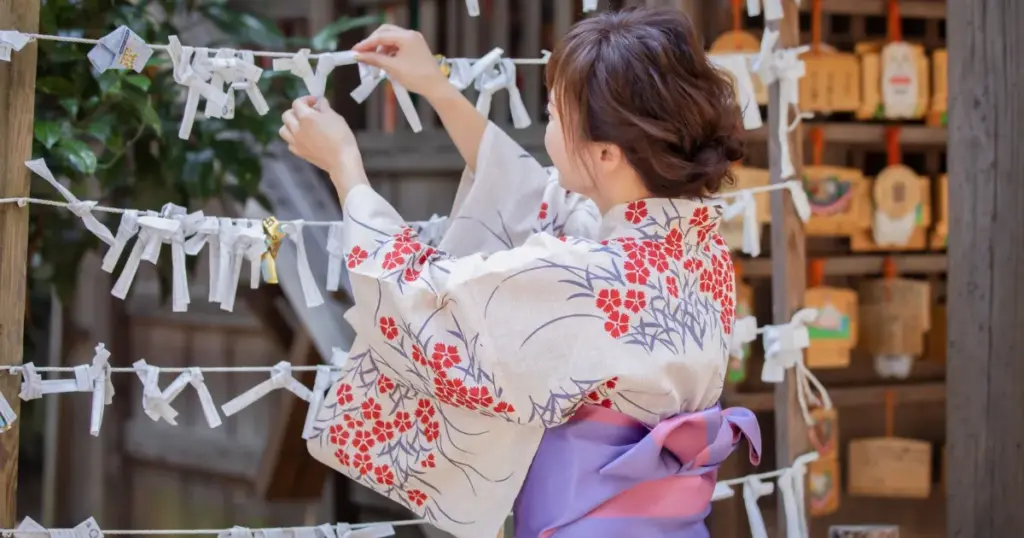
Omikuji and omamori are often the most fun part of hatsumode—until the lines become chaotic. The etiquette here is about not blocking counters and handling items respectfully.
Most importantly: if you draw a bad fortune like kyo (凶), don’t tie it “anywhere”—use the designated place provided by that shrine or temple.
Omikuji : If you draw “kyo,” tie it at the designated place
Many shrines and temples provide strings, racks, or a specific area for tying fortunes.
If you receive a bad fortune, the common practice is to tie it at the designated spot on the grounds so you symbolically leave the bad luck there.
Step away from the counter to read your fortune, and don’t occupy the tying rack for long photo sessions.
Fast, polite omikuji flow
- Buy/draw → move away from the counter → read
- If “凶,” tie it at the designated rack/strings
- If good, keep it neatly (wallet/notebook)
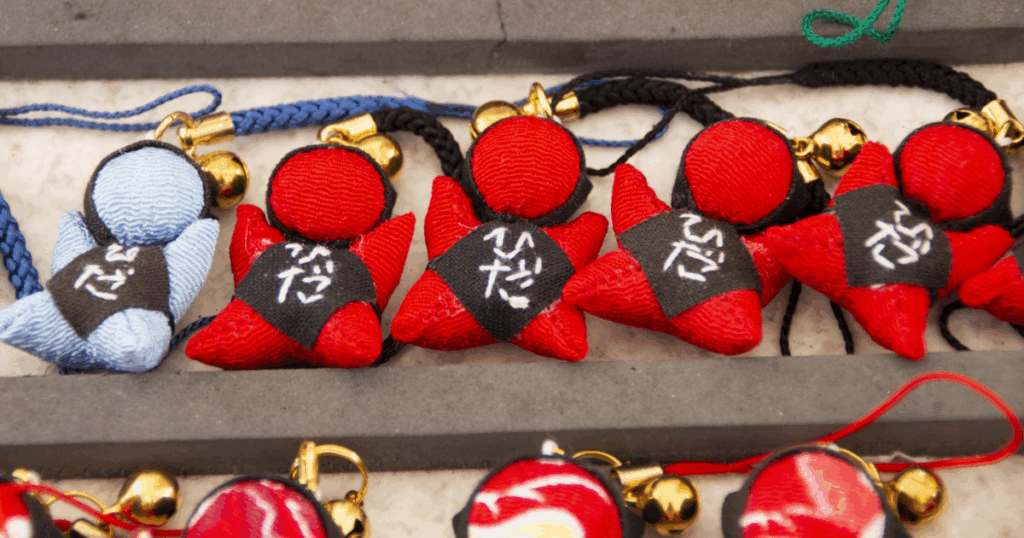
Omamori : Treat it as a sacred item
Omamori are protective charms, and etiquette is simple but strict: don’t open them and don’t treat them like a joke prop.
If you have last year’s omamori, many sites provide return boxes—especially around New Year—so you can return them respectfully.
If you’re unsure, ask staff briefly or follow local behavior.
Goshuin : Cash-ready, quiet, and no filming the calligrapher
Goshuin counters often function like a small workshop, and the line moves best when visitors are prepared.
Many guides advise having cash ready and avoiding photography of the person writing your goshuin.
Hand over your goshuincho smoothly, pay promptly, and step aside immediately after receiving it.
Photography
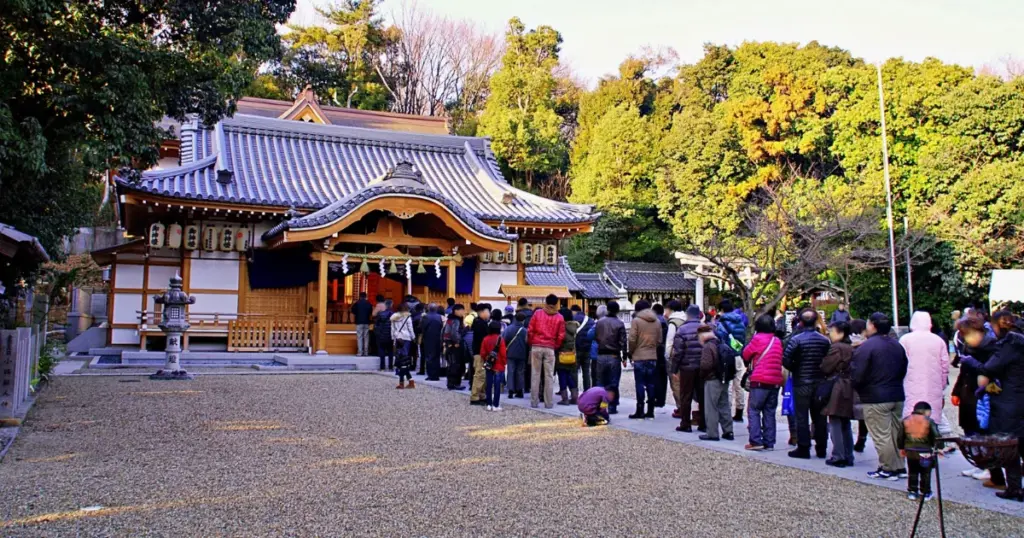
Photography is where hatsumode etiquette clashes most with travel habits. Sacred sites often permit outdoor photos but restrict shooting in prayer zones and inside buildings.
Beyond rules, there’s a social boundary: do not turn other people’s prayer into your content, and do not record religious staff as if they are performers.
No-people photography rule
Do not photograph other worshippers without consent, and do not casually record priests, monks, shrine priests (kannushi), or miko as if they’re a tourist attraction.
Even when general photography is allowed, many sites restrict certain filming or promotional-style shooting without permission, and the respectful baseline is privacy-first.
If you want a “human moment,” take a wide shot where faces aren’t identifiable—or don’t shoot at all.
Shrine photography etiquette
Some shrines clearly state that photography is prohibited in front of the main sanctuary where people are praying, and may also ask visitors not to photograph amulet offices.
Treat this as a strong model for hatsumode: don’t point your camera into the prayer space, and don’t film counters where staff are working.
When signs and staff instructions exist, they override everything.
Temple photography etiquette
A widely cited rule of thumb is that photography may be allowed on temple grounds but is often forbidden inside buildings.
Some guides state this directly and advise watching for signs or asking before shooting indoors.
For hatsumode, the safe default is: outdoors only unless explicitly permitted, especially inside main halls near sacred objects.
Hatsumode etiquette
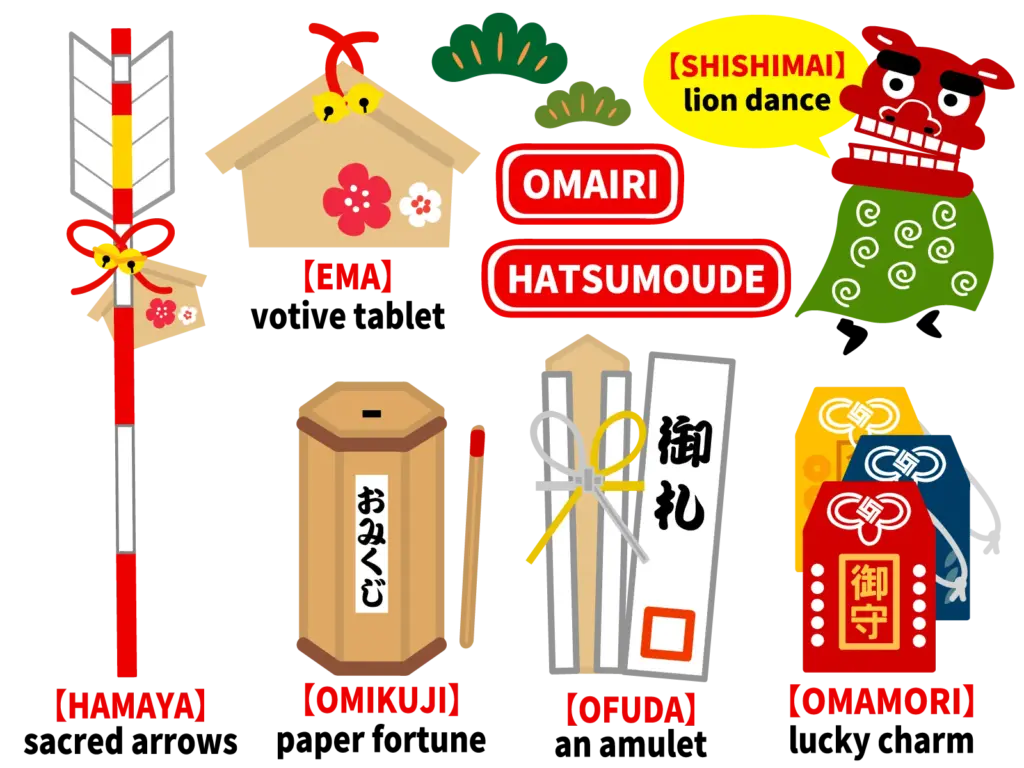
Hatsumode is crowded, cold, and fast—so you need simple rules you can recall instantly.
The goal is not to perform “perfect tradition,” but to move smoothly and protect the atmosphere for people who are genuinely praying.
Use the lists below like a quick reference before you enter.
Hatsumode etiquette checklist
Carry cash, decide shrine vs temple, and lock in your “no filming people” rule before you even see the main line.
Assume indoor photography is restricted unless explicitly allowed, and never block the prayer lane.
Finally, remember the exit move: finish, then move sideways.
60-second checklist
- Cash: minimum ¥10,000 for smooth counters (goshuin/omamori often cash-first)
- Mode: shrine (clap) vs temple (no clap)
- Photos: no prayer-front shots; assume no indoor photos
- People: do not photograph worshippers or staff without permission
- Flow: after praying, move sideways and clear the lane
Do/Don’t table: The behaviors locals notice instantly
Small movement choices matter more than fancy knowledge.
This table focuses on the habits that prevent congestion and social friction.
If you do these, you will almost never feel “out of place.”
| Situation | Do | Don’t |
|---|---|---|
| Entrance | Bow lightly and keep moving | Stop under gates/doorways for photos |
| Prayer point | Finish calmly, then move sideways out of the lane | Stand centered to adjust bags, talk, or film |
| Shrine prayer | Use two bows, two claps, one bow | Clap at a Buddhist temple |
| Temple incense | Use jōkōro briefly; share the space | Waft aggressively near altar/indoor worship zones |
| Omikuji | If “kyo,” tie it at the designated place | Tie it randomly to trees/buildings |
| Photos | Respect signs; avoid faces; ask if unsure | Photograph worshippers, monks, priests, or miko without consent |
Final thoughts
Hatsumode is one of Japan’s most public spiritual moments, and that’s exactly why etiquette matters—because thousands of people are sharing one narrow path.
If you remember three things, remember these: bring enough cash, don’t photograph people or staff without permission, and clear the lane by moving sideways as soon as you finish praying.
Do that, and your Japanese New Year shrine visit will feel respectful, smooth, and genuinely memorable.
Hatsumode FAQ
- Is hatsumode only on January 1st?
-
No—many people visit during Sanganichi (Jan 1–3), and some go later in the first week to avoid crowds.
- Should I visit a shrine or a temple for hatsumode?
-
Either is fine—just switch etiquette: shrines often involve clapping, temples generally do not.
- How much cash should I bring?
-
Bring at least ¥10,000, because many amulet and goshuin counters don’t take cards and costs add up quickly.
- Can I take photos inside the main hall?
-
In many cases, no—indoor worship spaces are commonly restricted, especially near statues and altars.
- Where exactly is photography often restricted even outdoors?
-
Some shrines prohibit photos in front of the main shrine where people are praying and ask you not to photograph amulet offices.
- What’s the correct way to use the incense smoke at temples?
-
Wafting smoke is commonly done at the outdoor jōkōro as a brief purification/folk-healing gesture; near the front/altar area, keep movements minimal and follow local instructions.
Explore Tokyo with a Local!!

We offer tailored private tours designed for small groups. Prices start from 200 USD per person, and every itinerary can be fully customized.