Gyusuki & Yakiniku Bento: The Tokyo Ekiben Every Traveler Should Try
Travelers coming to Japan often hear about sushi, ramen, and wagashi — but one uniquely Japanese culinary experience is ekiben, or train station bento.
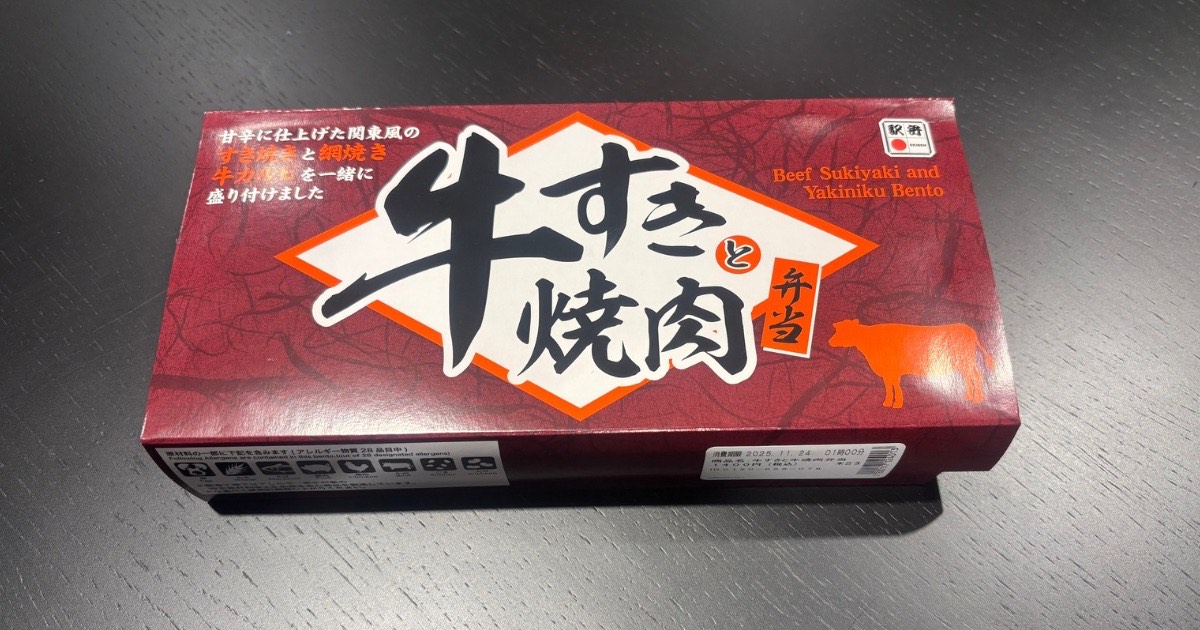
Among the many ekiben available in Tokyo, the Gyusuki & Yakiniku Bento (牛すきと牛焼肉弁当) stands out for its dual-beef appeal: sweet, simmered sukiyaki-style beef paired with smoky grilled kalbi.
In this guide, we’ll walk you through what makes this ekiben special, where to buy it, how to order it, and tips for enjoying it like a local.
ekiben — What is the Gyusuki & Yakiniku Bento?

The Gyusuki & Yakiniku Bento is much more than just boxed rice and meat.
It’s a carefully constructed balance of flavors and textures that appeals to both first-timers and beef lovers.
This section explains the components of the bento, and how each ingredient contributes to its overall taste profile.
Whether you’re curious about what’s inside or considering dietary restrictions, this part gives you a clear breakdown.
Contents & Ingredients — What You’ll Eat
This bento features a thoughtful lineup of elements: high-quality rice, two styles of beef, and savory vegetable sides.
The two beef preparations — sukiyaki and grilled kalbi — showcase Japanese cooking techniques in one meal.
Understanding exactly what you’re eating helps with flavor expectation and dietary awareness.
- Main components:
- White rice (domestic, Japanese)
- Sweet, Kanto-style sukiyaki beef with shirataki (konnyaku noodle)
- Grilled (charcoal- or net-grilled) beef kalbi (karubi)
- Boiled, lightly seasoned egg (ajitsuke tamago)
- Namul (bean sprout / komatsuna) and small simmered vegetables: tied shirataki, simmered shiitake, decorative carrot, pickled seri (Japanese parsley)
- Ingredient Table Suggestion:
| Item | Description | Allergen / Note | Flavor Profile |
|---|---|---|---|
| White Rice | Japanese domestic rice | — | Neutral, slightly sweet |
| Sukiyaki Beef | Beef simmered with konnyaku, sweet sauce | Beef, soy | Sweet-savory, umami-rich |
| Grilled Kalbi | Charcoal or net grilled beef ribs | Beef, sesame (if used) | Smoky, slightly caramelized |
| Seasoned Egg | Boiled egg with soy-based marinade | Egg, soy | Creamy yolk, lightly salty |
| Namul & Veg | Bean sprouts, komatsuna, shiitake, shirataki, carrot | Soy, maybe wheat | Earthy, fresh, slightly salty/pickled |
With these ingredients, the bento offers a complex combination of flavors that feels sophisticated yet comforting.
Taste Profile & Serving Suggestions
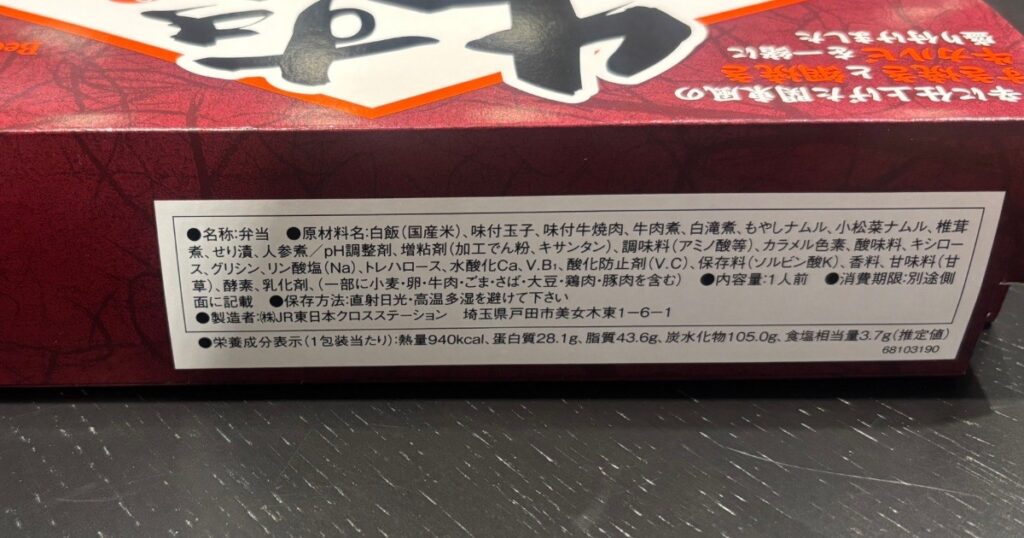
The Gyusuki & Yakiniku Bento delivers an elegant contrast: on one side, the sukiyaki beef is tender and sweet, carrying the deep umami of simmered sauce; on the other, the grilled kalbi offers a smoky, slightly charred taste that’s richer and more robust.
Sides like namul and pickled seri act as a palate cleanser, modulating the richness of the beef.
 ONO
ONOBoth styles of beef are sweetly seasoned, giving the bento its comforting, satisfying flavor.
Green tea goes perfectly with it!
Here are some tasting and serving tips:
- Try the egg first — its subtle seasoning helps prime your palate.
- Alternate between the two beef styles in each bite to fully appreciate their contrast.
- Pair with a hot green tea (if you’re eating on-platform) or a canned coffee / onigiri drink for a more train-style experience.
- Best eaten within a few hours of purchase to enjoy optimal texture and warmth (if pre-ordered frozen, reheat following instructions).
ekiben — Where to Buy Gyusuki & Yakiniku Bento in Tokyo
Knowing where to purchase the Gyusuki & Yakiniku Bento is key for travelers.
It’s widely available at select station shops, and there’s even a frozen version for ordering in advance.
This section covers the station shops, mobile pre-orders, and shipping options, so you can plan ahead and avoid disappointment.
Station Shops & Pickup Points
To taste the Bento fresh, your best bet is station ekiben shops in Tokyo. These are some popular locations:
| Station | Shop Name | Location / Notes | Order Type |
|---|---|---|---|
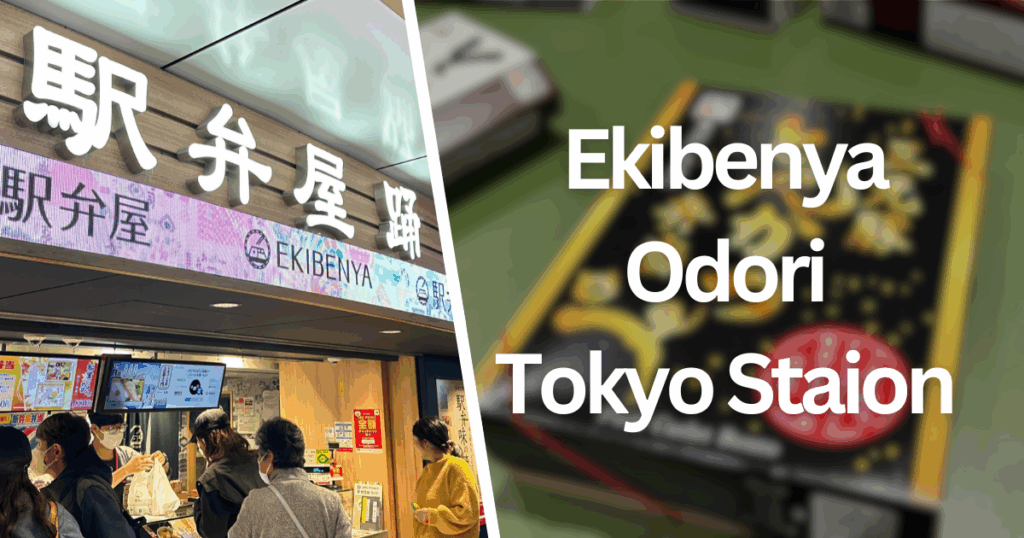
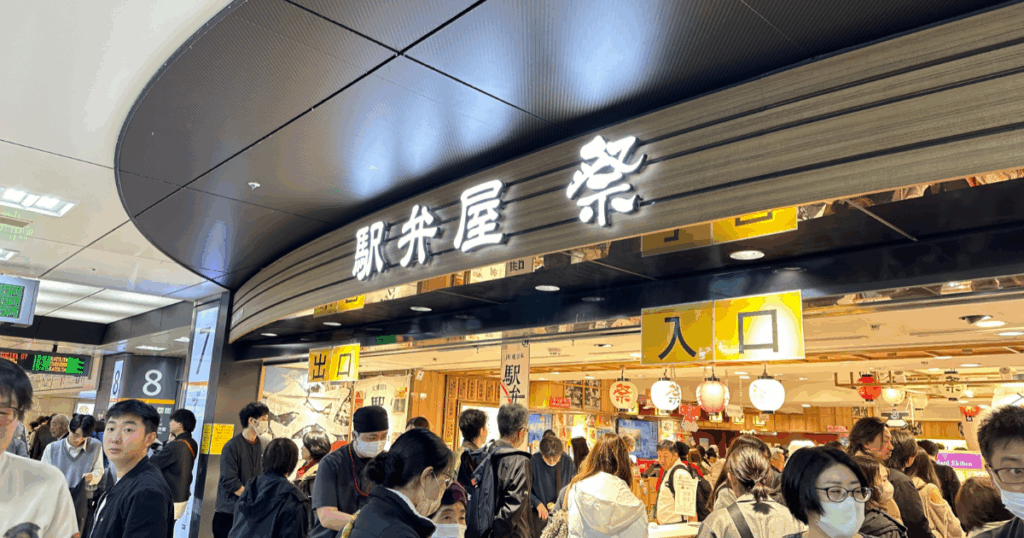
| Tokyo Station | Ekiben-ya Matsuri | In the station (shops like Gransta, Odori) | Walk-up purchase |
| Shinjuku Station | Ekiben-ya Itadaki | Located in concourse or platform areas (check signage) | Walk-up |
According to Jorudan’s ekiben directory, the Gyusuki & Yakiniku Bento is sold at Tokyo Station.
Seasonal availability can change, so it’s wise to check with the shop on the day you travel.
ONOI personally bought mine at Tokyo station, and it was extremely crowded.
Especially around lunchtime — If you plan to visit, make sure to arrive with extra time, as lines can be long and popular bentos may sell out quickly.
Ordering Ahead (Mobile & Frozen Shipping)
If you’re traveling on a tight schedule — or want to bring the ekiben home — you can use JRE Mall to pre-order the Gyusuki & Yakiniku Bento. There is a frozen version of this bento available through JR East Cross Station:
- Price for the frozen ekiben: ¥1,380.
- Shipping: via cool delivery, nationwide flat rate ¥1,500; free shipping for orders over ¥6,980.
- Instructions: keep frozen at –18 ℃, then either microwave (500W 3 min, or 600W 2.5 min) or thaw at room temperature (around 5 hours) before eating.
- Shelf life: approx. 30 days when frozen at the time of shipping.
Ordering ahead ensures you don’t miss out — especially during busy travel times when station shops may sell out.
ekiben Culture — Why Ekiben Matter and How Gyusuki & Yakiniku Fits In
To appreciate the Gyusuki & Yakiniku Bento fully, it helps to understand the rich ekiben culture in Japan. These boxed meals are more than just food — they’re living pieces of history, regional pride, and train travel rituals.
Short History of Ekiben
Ekiben (駅弁) emerged in the late 19th century as Japan’s rail network expanded, beginning as simple boxed meals sold to travelers on station platforms and trains.
Over time, they evolved into region-specific specialty bentos that showcase local ingredients and compete in design, flavor, and presentation.
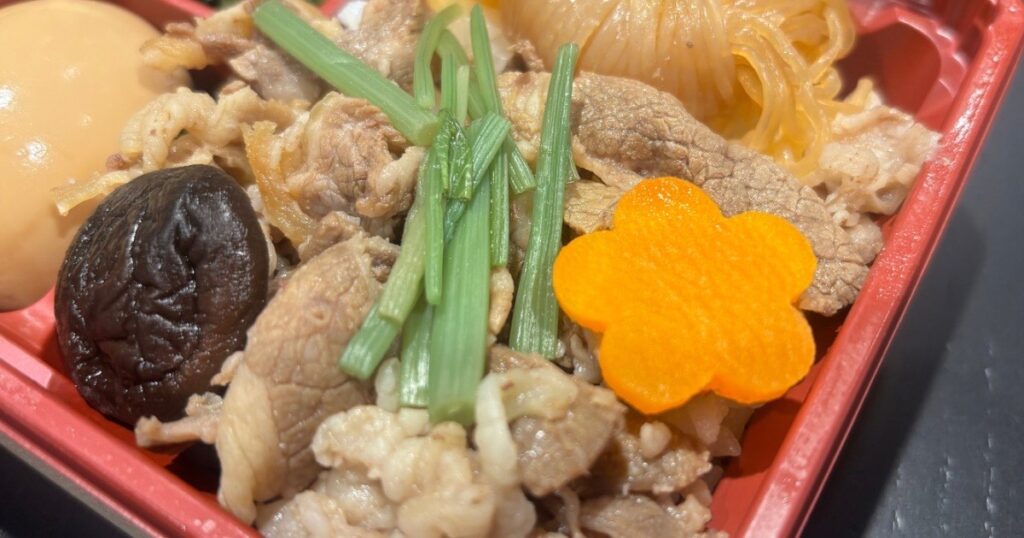
One notable feature of ekiben is the use of decorative ingredients such as flower-shaped carrots.
This technique, known as kazari-giri (decorative cutting), symbolizes beauty, good fortune, and seasonal celebration.
By adding bright colors and cultural meaning, these artistic vegetables enhance the visual appeal of the meal and reflect the refined aesthetics of Japanese food culture.
Practical Tips for Tourists — Buying, Eating, and Avoiding Pitfalls
Navigating Japanese train stations and ekiben shops can be fun, but a few practical tips go a long way.
Here are key traveler-focused advice points so you can enjoy your bento with ease and respect.
Language & Allergens — What to Look for on Labels
Many ekiben shops and product pages include ingredient lists, but not always in English.
Here are some essential Japanese words and phrases to help you navigate:
| Japanese | English | Common Allergen / Note |
|---|---|---|
| 卵 (tamago) | Egg | Egg, soy (if marinated) |
| 小麦 (komugi) | Wheat | Common in soy sauce / seasonings |
| 牛肉 (gyuuniku) | Beef | Obvious, but good to check for meat allergies |
| ごま (goma) | Sesame | Often used in meat marinades or garnish |
| 大豆 (daizu) | Soybean | Soy sauce, miso, etc. |
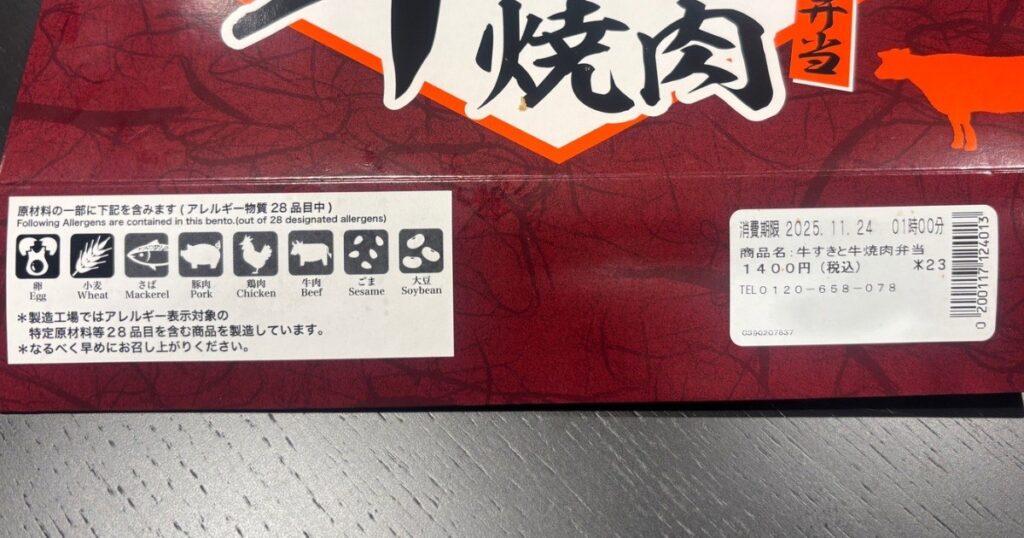
Useful phrase to ask staff:
“すみません、この駅弁には(アレルギー ingredient)がありますか?”
(Sumimasen, kono ekiben ni wa (allergen) ga arimasu ka?)
→ “Excuse me, does this ekiben have (allergen)?”
Also, staff at ekiben-ya Matsuri or Itadaki are often friendly and may help identify foods or translate labels, especially during less busy times.
Eating Etiquette & Trash Disposal
Train travel in Japan is generally orderly, and being mindful of others while eating is part of the local etiquette.
Here are practical tips:
- Bring a small plastic bag for trash. While some Shinkansen or local trains have bins, many do not.
- Sort trash: if possible, sort into burnable (plastic trays, food wrap) and non-burnable (plastic utensils) when disposing at stations.
- Avoid strong-smelling or overly messy foods in crowded or quiet cars. While ekiben are common, be considerate.
- Try not to eat near the conductor’s area or block aisle space; instead eat at your seat, using the tray table.
- If reheating (frozen ekiben), do so at your lodging rather than on board, unless it’s explicitly microwave-friendly packaging.
Quick Practical FAQ & Call-to-Action for Travelers
Here are the most common questions travelers have about this ekiben — plus a quick call-to-action to make your ekiben experience smoother and more memorable.
- How much does the Gyusuki & Yakiniku Bento cost?
-
The in-station (fresh) version is currently ¥1,400 according to a JR East press release. The frozen version sells for ¥1,380 on JRE Mall.
- Where exactly can I buy it at Tokyo Station?
-
You can find it at ekiben shops like Ekiben-ya Matsuri in Tokyo Station (e.g., Gransta area).
- Can I pre-order or ship this ekiben?
-
Yes. Use JRE Mall to order the frozen version, shipped nationwide via cool delivery.
- How long does the frozen version last?
-
The frozen Bento has a shelf life of around 30 days from shipping when stored at –18℃.
- Are there allergen or dietary concerns?
-
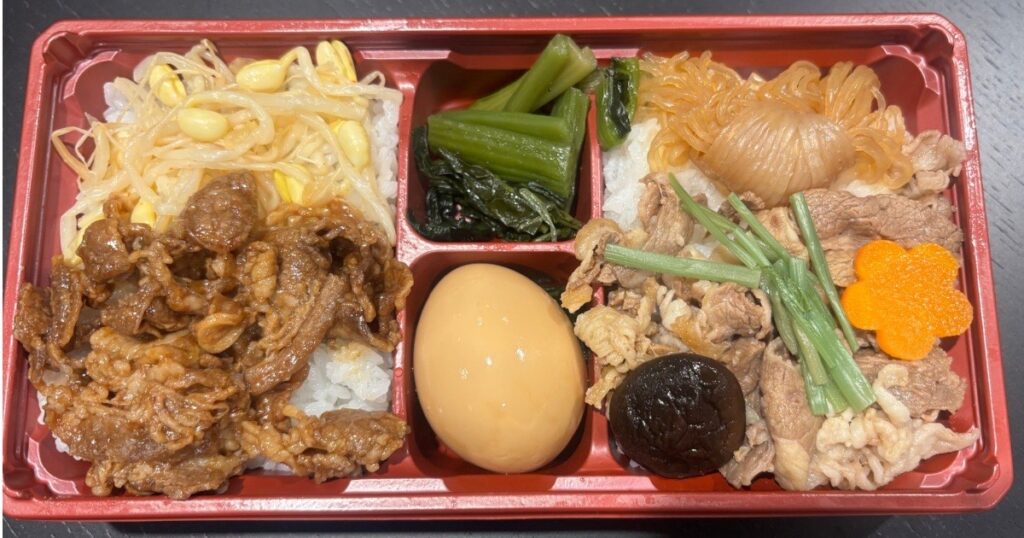
Yes — the bento contains wheat, egg, beef, sesame, soy, chicken, and pork in different parts. Use the Japanese phrases provided or ask station staff to double-check.
- Can I bring the ekiben on the Shinkansen or eat on the train?
-
Absolutely. Eating ekiben on the Shinkansen is a beloved Japanese travel tradition — just bring a bag for trash and eat politely at your seat.
Final Thoughts & Call-to-Action
The Gyusuki & Yakiniku Bento is a must-try for travelers looking to combine two iconic Japanese beef flavors in one box.
Whether you’re riding the Shinkansen from Tokyo to Kyoto or simply exploring around Tokyo Station, this ekiben delivers a memorable, hearty, and authentic culinary experience.
Boost Your Trip with These Tips:
- Bookmark or screenshot the JRE Mall page so you can pre-order your ekiben in advance — especially useful during peak tourism seasons.
- Plan for trash disposal: bring a small bag to keep your seating area neat after finishing.
- Share your ekiben moment: take photos of the inside before digging in — the dual-beef layout is very Instagram-worthy!
If you found this guide helpful, feel free to share it on your travel forum or social media, or subscribe to our newsletter for more insider Tokyo food tips.
Enjoy your ekiben adventure — and happy eating on the rails!