Naritasan Omotesando Guide
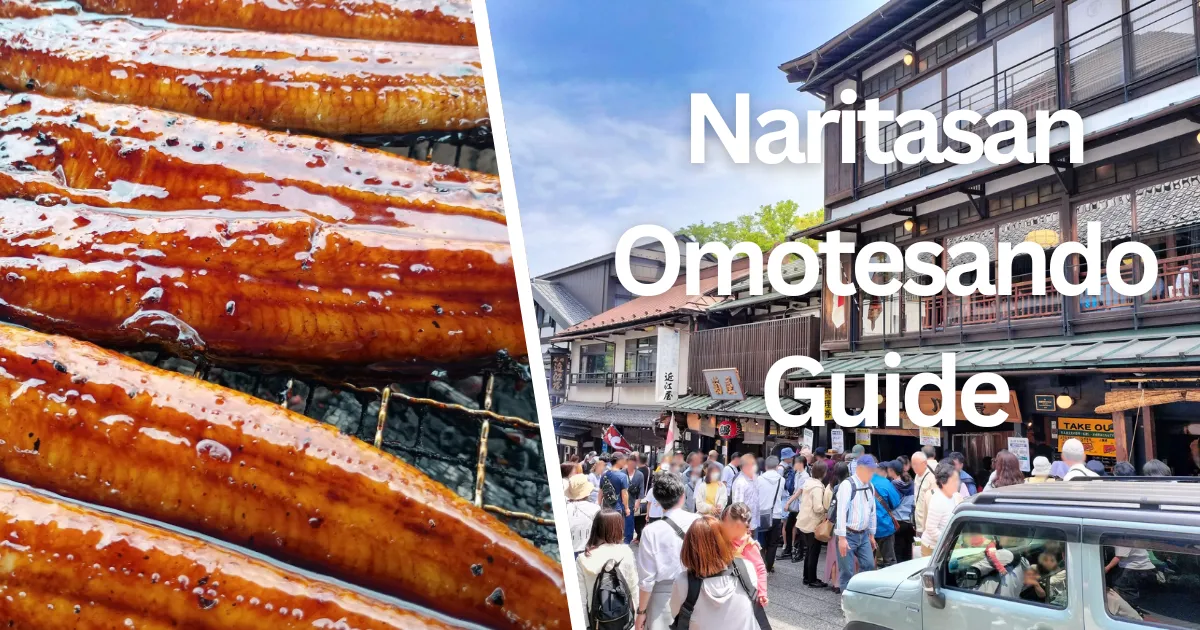
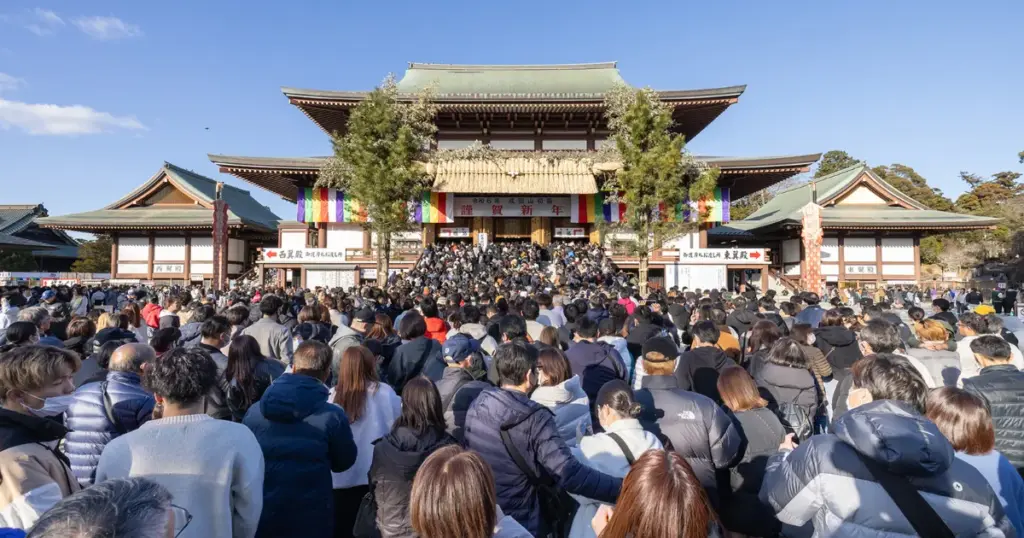
Naritasan Omotesando is far more than a simple shopping street near Japan’s international gateway.
It is a living approach road where faith, food culture, festivals, and daily local life intersect in a way few visitors expect when landing at Narita Airport.
Naritasan Omotesando Overview – Gateway to Naritasan Shinshoji

Naritasan Omotesando is the historic approach leading directly to Naritasan Shinshoji, one of Japan’s most important Buddhist temples.
Unlike modern shopping streets built for tourism, this road evolved organically as a place of worship, rest, and commerce for pilgrims.
What Makes Naritasan Omotesando Unique
Naritasan Omotesando developed as a religious space before it became a tourist destination.
Shops exist to serve worshippers, not the other way around.
This creates an atmosphere where eating, shopping, and walking are all extensions of the pilgrimage experience.
Distance and Walking Flow from Narita Station
From Narita Station, the omotesando unfolds naturally downhill toward the temple.
The gentle slope, traditional storefronts, and frequent visual cues make it easy for first-time visitors to follow without maps.
Naritasan Omotesando History – Edo-Era Pilgrimage Town
The history of Naritasan Omotesando is inseparable from the rise of popular pilgrimage culture in the Edo period.
As travel restrictions eased, common townspeople began making religious journeys for both spiritual and social reasons.
Naritasan became one of the most important destinations for these pilgrimages.
Pilgrims, Merchants, and the Birth of the Omotesando
Pilgrims traveling from Edo needed food, lodging, and souvenirs, which led to the emergence of inns, teahouses, and craft shops along the approach.
These businesses were family-run and often passed down for generations.
Many of the stores operating today trace their origins to this era.
Narita Station Area – First Stop for Visitors

Narita Station is more than a transportation hub; it is the cultural threshold between modern Japan and the historic temple town.
Visitors arriving from the airport immediately encounter elements that hint at Narita’s deeper identity.
Narita Karakuri Clock and Station Landmarks
Near the station stands the famous Narita Karakuri Clock, a mechanical clock that performs at set times and reflects traditional craftsmanship.
The area also features monuments dedicated to famous kabuki actors connected to Naritasan, reinforcing the city’s ties to classical performing arts.
In addition, familiar Japanese chain restaurants and shops provide convenience for travelers before entering the traditional streets.
Narita Tourist Pavilion – Understanding Festival Culture-
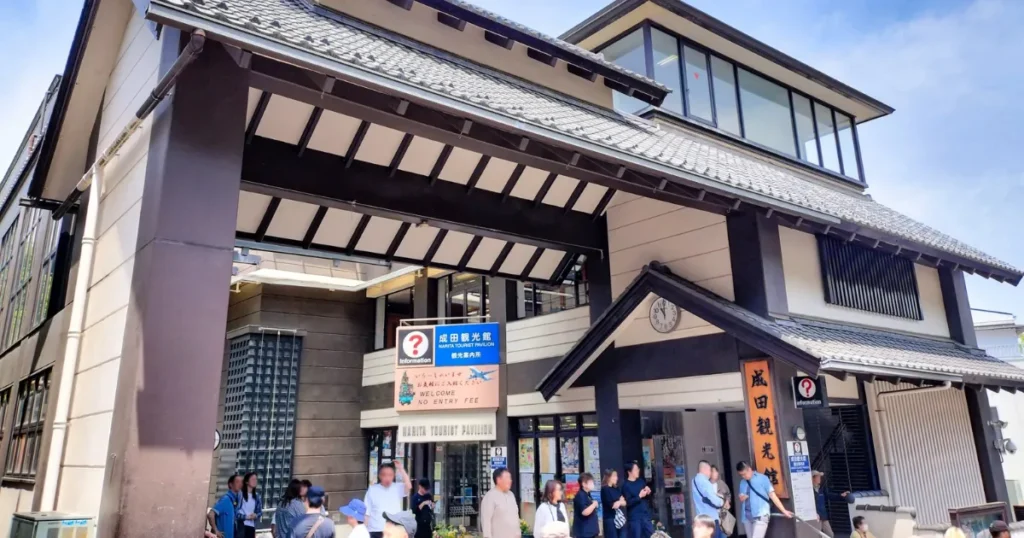
Before walking deeper into the omotesando, the Narita Tourist Pavilion offers essential cultural context.
This facility functions as both an information center and a small museum.
It helps visitors understand that Naritasan is also a festival town, not only a temple destination.
Narita Gion Festival Floats on Display
Inside the pavilion, visitors can see actual festival floats (dashi) used in the famous Narita Gion Festival.
These massive structures demonstrate the craftsmanship and community effort behind one of Narita’s most important annual events.
Naritasan Omotesando Food – Unagi and Local Specialties-
Food is one of the strongest expressions of Naritasan culture.
Meals here are not simply for enjoyment but are traditionally tied to spiritual nourishment and stamina.
Japanese Restaurant Kikuya
Kikuya is one of the most historically significant restaurants on the street, with over 300 years of history.
It is especially famous for unagi (freshwater eel), a dish believed to restore energy after long journeys.
Dining here is not only about taste but about participating in centuries of culinary tradition.
Traditional Snacks on Naritasan Omotesando

Beyond full meals, Naritasan Omotesando is ideal for casual tasting and street snacks.
These foods are designed to be eaten while walking slowly, aligning perfectly with the pace of pilgrimage.
Importantly, several options are suitable for visitors with dietary preferences.
Hayashida Senbei – Vegetarian-Friendly Rice Crackers
Founded in 1912, Hayashida Senbei is known for traditional rice crackers made without animal products.
Visitors can enjoy classic senbei as well as skewered varieties known as kushi-sen.
This makes it a rare stop where vegetarian travelers can confidently experience local street food.
Local Shopping on Naritasan Omotesando – Beyond Souvenirs-
Shopping on the omotesando reflects regional identity rather than mass tourism.
Many products are rooted in Chiba Prefecture’s agricultural and culinary heritage.
Purchasing items here often means supporting long-standing local producers.
Fusa no Eki Narita Omotesando – Chiba Prefecture Souvenirs
Fusa no Eki specializes in products made across Chiba Prefecture, from local snacks to processed foods.
For visitors seeking souvenirs that represent the region rather than generic Japan-wide items, this shop is particularly valuable.
Nagomi no Komeya – Narita’s Iconic Japanese Sweet Brand-

Nagomi no Komeya is one of Narita’s most recognizable confectionery brands and a staple stop along the omotesando.
Its sweets are commonly purchased as gifts, making the shop a cultural bridge between pilgrimage and modern travel.
What Is Nagomi no Komeya?
Nagomi no Komeya built its reputation on traditional Japanese sweets that are easy to carry and share.
Behind the main shop, visitors can find the Fudo no Oido (Sacred Well), historically associated with Naritasan’s spiritual practices.
Chomeisen Sake Brewery – Sacred Water and Local Sake-

Naritasan’s religious culture also influenced sake production in the area.
Local breweries developed around the belief that pure water and spiritual protection enhanced quality.
Chomeisen is the most representative example of this tradition.
The Meaning Behind the Name “Chomeisen”
The name “Chomeisen” derives from the concept of long life and good health.
This reflects Buddhist values and the belief that sake brewed here carries symbolic blessings.
Visitors can join brewery tours to learn about traditional sake making.
Narita Four Seasons Festival – Seasonal Events Along the Omotesando
Naritasan Omotesando changes character throughout the year due to seasonal festivals.
These events transform the street into a communal stage rather than a tourist corridor.
The festival series highlights seasonal foods, performances, and decorations.
Narita Station Hotels – Where to Stay Near Naritasan Omotesando-
Staying near Narita Station allows travelers to explore Naritasan without rushing.
This area is particularly popular for travelers arriving late or departing early.
Accommodation options range from budget-friendly to full-service hotels.
Recommended Hotels Near Narita Station
- APA Hotel Keisei Narita-Ekimae – Practical and close to transport
- Hotel Mystays Premier Narita – Comfortable with airport access
Sample Half-Day Plan at Narita
- 09:00 Arrive at Narita Station and view the Karakuri Clock
- 09:30 Walk Naritasan Omotesando, snack at Hayashida Senbei
- 10:30 Visit Nagomi no Komeya and the Sacred Well
- 11:30 Lunch at Kikuya (unagi)
- 13:00 Explore Naritasan Shinshoji Temple grounds
- 14:30 Stop by Narita Tourist Pavilion
- 15:30 Return to Narita Station or hotel
Why Naritasan Omotesando Is Ideal for First-Time Visitors
Naritasan Omotesando offers a rare opportunity to experience authentic Japan within minutes of an international airport.
It combines faith, food, festivals, and daily life without artificial staging.
Have a nice day!
Naritasan Omotesando
Adress
Chiba, Narita City, Honmachi, 350-3
Nearest station
JR Narita (Narita line)
Japan Trails Newletter