Sumo Wrestling in Japan Complete Guide 2026

Sumo wrestling represents Japan’s ancient national sport combining powerful athletic competition with sacred Shinto rituals dating back over 1,500 years.
Foreign tourists can experience authentic sumo culture through grand tournaments held six times yearly across Tokyo, Osaka, Nagoya, and Fukuoka, or visit sumo stables for intimate morning practice sessions.
This comprehensive guide covers 2025-2026 tournament schedules, ticket purchasing, cultural etiquette, and unique experiences available only in Japan.
Understanding Sumo Wrestling

Sumo wrestling combines athletic competition with religious ceremony in unique cultural tradition.
https://www.sumo.or.jp/
Matches feature wrestlers averaging 150 kilograms attempting to force opponents outside the ring.
The sport’s deep connection to Shinto rituals makes each match both sporting event and spiritual ceremony.
 ONO
ONOI was really moved by the sight of the sumo wrestlers colliding!
Basic Sumo Rules and Match Structure
Sumo matches follow simple rules: two wrestlers face each other inside a 4.55-meter diameter clay ring (dohyo).
Victory occurs when one wrestler forces opponent outside the ring or causes them to touch ground with anything except foot soles.
Most bouts last only seconds, though strategic matches can extend several minutes.
Six Annual Grand Tournaments
Professional sumo operates through six annual Grand Tournaments (Honbasho) held in odd-numbered months.
Each 15-day tournament determines wrestler rankings for the following competition.
Tournament results directly impact wrestlers’ status, income, and prestige within the sumo hierarchy.
2026 Tournament Schedule:
| Month | Dates | Location | Venue | Ticket Sales Open |
|---|---|---|---|---|
| January | Jan 11-25 | Tokyo | Ryogoku Kokugikan | Dec 6, 2025 |
| March | Mar 8-22 | Osaka | Edion Arena Osaka | Jan 31, 2026 |
| May | May 10-24 | Tokyo | Ryogoku Kokugikan | Apr 4, 2026 |
| July | Jul 12-26 | Nagoya | IG Arena | May 30, 2026 |
| September | Sep 13-27 | Tokyo | Ryogoku Kokugikan | Aug 1, 2026 |
| November | Nov 8-22 | Fukuoka | Fukuoka Kokusai Center | Oct 3, 2026 |
Daily Tournament Schedule
Tournament days follow consistent schedule from morning until early evening starting around 8:30 AM.
Lower-ranked wrestlers compete first with progressively higher ranks throughout the day.
Top division (Makuuchi) matches begin approximately 3:30 PM, concluding around 6:00 PM.
Sumo Ranking System

Sumo maintains strict hierarchical ranking system determining everything from match order to living arrangements.
Understanding rankings enhances appreciation for each bout’s significance.
The ranking system consists of six main divisions with numerous subdivisions within top ranks.
Yokozuna: The Grand Champion
Yokozuna represents sumo’s highest achievable rank, held by only the most exceptional wrestlers.
Achieving yokozuna requires either two consecutive tournament championships as ozeki or comparable dominant performances.
Unlike lower ranks, yokozuna cannot be demoted—they must retire voluntarily when performance declines.
Hoshoryu Tomokatsu earned promotion in January 2025 as the 74th yokozuna after dominant New Year tournament performance.
Nephew of legendary yokozuna Asashoryu, Hoshoryu brings dynamic agility and emotional intensity to matches.
Onosato Daiki achieved yokozuna status in May 2025 after just 13 tournaments—breaking records for rapid ascension with three championships in 2025.
Rising Star: Aonishiki Arata
Ukrainian-born Aonishiki Arata (real name Danilo Yavhushyshyn) became the first Ukrainian to claim the Emperor’s Cup in November 2025.
The 21-year-old earned ozeki promotion—the fastest in modern system history since 1958.
Relatively light at 125 kilograms but exceptionally strong (210-kilogram bench press), he remains undefeated against yokozuna Hoshoryu and explicitly aims for yokozuna rank.
San’yaku Ranks: Elite Tier
Below yokozuna, the san’yaku ranks comprise elite wrestlers competing for potential yokozuna promotion.
These ranks include ozeki (second-highest), sekiwake (third-highest), and komusubi (fourth-highest).
Wrestlers at these levels receive special privileges and intense public scrutiny.
Lower Divisions: The Foundation
The four lower divisions—Juryo, Makushita, Sandanme, and Jonokuchi—contain hundreds of wrestlers progressing toward top-division dreams.
Only Makuuchi (top division) and Juryo (second division) wrestlers receive salaries.
Lower-ranked wrestlers rely on tournament prizes and stable support.
Experiencing Grand Sumo Tournaments: What to Expect
Attending grand sumo tournament provides immersive cultural experience combining athletic spectacle with traditional ceremony.
From stadium atmosphere to ritual performances, tournament days offer comprehensive introduction to Japanese heritage.
Proper preparation enhances enjoyment and understanding.
Arriving at Ryogoku Kokugikan

Ryogoku Kokugikan in Tokyo’s Ryogoku neighborhood hosts three annual tournaments as sumo’s primary venue.
The stadium stands just 1-2 minutes walk from Ryogoku Station’s west exit (JR Chuo-Sobu Line).
Ryogoku neighborhood maintains deep sumo connections with wrestler statues, chanko-nabe restaurants, and the Sumo Museum on Kokugikan’s first floor.
ONOIt’s right next to the station, so you’ll find it easily.
Tournament Day Timeline
Lower-division wrestlers compete from 8:30 AM with few spectators, creating intimate atmosphere.
Mid-ranked divisions compete early afternoon (12:00-3:00 PM) as attendance increases.
Top-division ring-entering ceremony begins 3:30 PM followed by prime matches until 6:00 PM with maximum stadium energy.
Seating Options and Atmosphere
Tournament seating ranges from premium ringside box seats to affordable upper-level chairs.
Box seats (traditional tatami-mat squares) accommodate four people but require floor sitting.
Chair seats offer Western-style comfort at various price points and distances from ring.
Cultural Etiquette During Matches
Maintain silence during wrestlers’ concentration before bouts begin; applause and cheering are appropriate after victories.
Photography is generally permitted but flash photography during matches is prohibited.
Food and drink are allowed and encouraged—stadium vendors sell traditional bento boxes, yakitori, and beer.
Purchasing Grand Sumou Tournament Tickets
Securing grand tournament tickets requires strategic planning as popular days sell out rapidly.
Multiple purchasing channels offer different advantages depending on timing, budget, and desired experience.
Understanding ticket options and sales schedules maximizes attendance chances.
Official Ticket Sales
The Japan Sumo Association operates official ticket sales through their website approximately one month before each tournament.
Popular days (opening day, final weekend) sell out within hours while weekday tickets remain available longer.
Official website (sumo.pia.jp/en) provides English-language interface for international visitors.
Third-Party Tour Operators
Specialized tour companies offer tournament packages including tickets, English-speaking guides, and enhanced experiences.
Companies like BuySumoTickets, Japan Wonder Travel, and MagicalTrip provide reserved tickets even when official sales show sold out.
Premium packages range $100-300 depending on seat location and included services.
Last-Minute and Day-of Options
Some tickets become available day-of-tournament through returned or unclaimed reservations.
Arriving early at Kokugikan box office sometimes yields unexpected opportunities, though this strategy carries uncertainty.
Morning practice tours provide alternative sumo experiences when tournament tickets prove unavailable.
Booking Platform Comparison
Official Japan Sumo Association offers lowest prices but sells out quickly with limited English support.
Klook/GetYourGuide provide English platforms with user reviews but at higher prices.
Specialized sumo tour companies guarantee access with expert guides but charge premium pricing.
Sumo Stable Morning Practice
Visiting sumo stables during morning practice (keiko) provides intimate glimpse into wrestlers’ daily lives.
Approximately 44 sumo stables operate in Tokyo’s Kanto area, many concentrated in Ryogoku.
Morning practice visits offer unparalleled access to sumo culture’s private side.
What Happens at Morning Practice
Sumo wrestlers begin training around 6:00-7:00 AM with junior wrestlers arriving earliest to prepare the practice ring.
Morning practice includes warm-up exercises (shiko stomping, splits, teppo striking), practice bouts, and coaching.
Strict ranking hierarchy governs stable life with junior wrestlers serving senior members.
Guided Morning Practice Tours
Professional tour operators arrange stable visits with English-speaking guides explaining traditions and training significance.
Tours typically run 7:00-9:00 AM or 8:00-10:00 AM, lasting approximately 2 hours with small groups (8-15 people).
Recommended companies include MagicalTrip ($90-120), Japan Wonder Travel ($80-100), and BuySumoTickets ($70-110).
Interactive Sumo Experiences
Some companies offer hands-on sumo experiences in retired stables where participants wear practice mawashi and learn basic techniques.
MagicalTrip’s “Authentic Sumo Experience” provides 4-hour immersive program including practice bouts with retired wrestlers.
These interactive experiences demystify sumo’s physical demands and provide deeper appreciation for wrestlers’ skill.
Sumo Culture and Traditions
Sumo’s roots in Shinto religion infuse every aspect with spiritual significance transcending athletic competition.
Understanding cultural context transforms casual viewing into profound cultural encounter.
The following traditions reflect sumo’s 1,500-year evolution as both sport and sacred rite.
Dohyo: The Sacred Ring
The raised clay platform (dohyo) represents sacred space purified through elaborate Shinto ritual.
Construction follows strict specifications using specific clay types, rice-straw bales, and purification rites.
A Shinto priest blesses the completed ring, burying sacred objects beneath the center as offerings to protective deities.
Salt Purification Ritual
Before each bout, wrestlers throw generous handfuls of salt into the ring—one of sumo’s most recognizable traditions.
This purification ritual derives from Shinto practices cleansing sacred spaces of impurities and evil spirits.
A single tournament consumes approximately 45 kilograms of salt daily.
Ring-Entering Ceremonies (Dohyo-iri)
Top-division wrestlers perform spectacular ring-entering ceremonies twice daily wearing ceremonial kesho-mawashi aprons costing hundreds of thousands of dollars.
Yokozuna perform solo dohyo-iri ceremonies in two traditional styles—Unryu (cloud dragon) and Shiranui (unknown fire).
These sacred rituals designate yokozuna as living gods of sumo.
Winning Techniques and Traditional Names
Sumo officially recognizes 82 winning techniques (kimarite) ranging from straightforward pushing to complex leg trips and throws.
Each technique carries traditional Japanese name describing the movement like oshi-dashi (forward push-out) and yorikiri (force-out while gripping belt).
Gyoji (referees) announce winning techniques after each bout, adding to the rich linguistic tradition.
Ryogoku Neighborhood
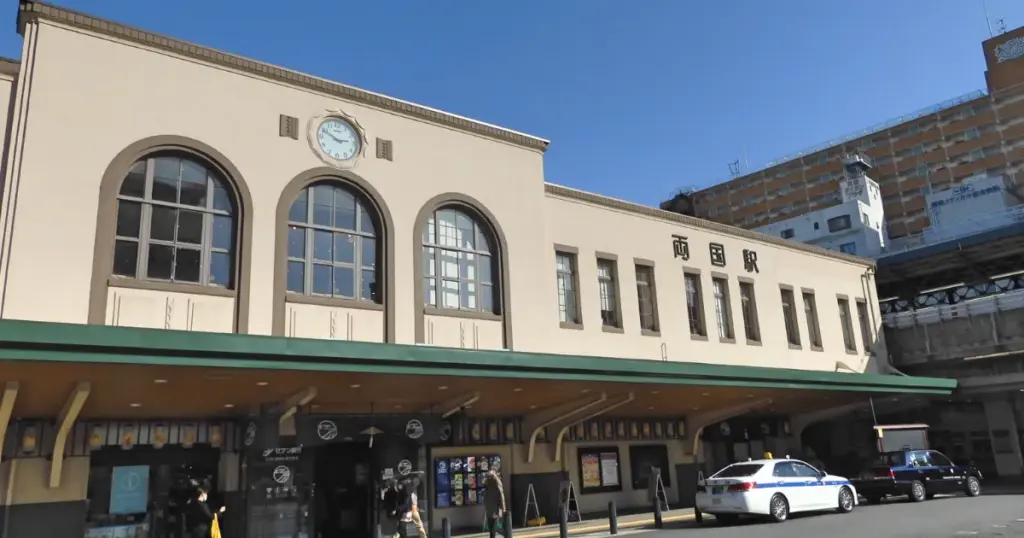
Ryogoku neighborhood functions as sumo’s cultural and geographic heart with multiple stables, restaurants, and monuments.
Exploring Ryogoku before or after tournaments provides comprehensive sumo cultural immersion.
The district offers authentic atmosphere unavailable in central Tokyo tourist areas.
Famous Chanko-Nabe Restaurants
Chanko-nabe (sumo hot pot) represents wrestlers’ primary nutritional source consumed in massive quantities.
Retired wrestlers operate numerous chanko-nabe restaurants in Ryogoku offering authentic recipes.
Popular options include Chanko Kirishima (managed by former ozeki), Chanko Kawasaki (80+ years operation), and Tomoegata (serving since 1937).
Sumo Museum and Cultural Sites
The Sumo Museum (free admission) occupies Ryogoku Kokugikan’s first floor displaying historical artifacts and championship portraits.
Bronze statues and stone handprints of sumo legends line streets approaching the stadium.
Eko-in Temple houses the historic Sumo Memorial Monument erected in 1936 commemorating deceased wrestlers.
Accommodations in Ryogoku
Staying in Ryogoku during tournaments provides authentic neighborhood experience with more affordable options than central Tokyo.
The area offers easy walking access to Kokugikan and proximity to sumo stables for morning practice.
Hotels range from budget business hotels to mid-range options with excellent transportation connections.
FAQ About Sumo for Foreign Visitors
Common questions from international visitors cover language support, photography rules, and stadium etiquette.
These FAQs address practical concerns to ensure smooth, enjoyable sumo experiences.
Understanding these basics helps foreign tourists focus on cultural appreciation rather than logistical worries.
- Is English support available at sumo tournaments?
-
Major stadiums provide English announcements during top-division matches, and tournament programs include wrestler profiles in English, though general signage remains primarily Japanese with guided tours offering comprehensive language support.
- Can I take photos and videos during sumo matches?
-
Photography is permitted at tournaments but flash photography during matches is strictly prohibited, while videotaping for personal use is acceptable and social media sharing is encouraged by the Sumo Association.
- Are sumo venues accessible for international visitors with special needs?
-
Ryogoku Kokugikan provides wheelchair accessibility with designated seating and accessible restrooms, while Western-style chair seats accommodate those unable to sit on traditional tatami floor boxes.
- What should I bring to a sumo tournament?
-
Bring cash (many vendors accept only cash), comfortable clothing, binoculars for upper-level seats, and a translation app for food ordering and reading programs.
- Is there a dress code at sumo tournaments?
-
No strict dress code exists though overly casual attire like beachwear or athletic wear is discouraged, while food and drink are encouraged with mobile phones silenced during matches.
Experiencing Japan Through Sumo
Sumo wrestling offers foreign tourists unparalleled window into Japanese cultural values, traditions, and aesthetic sensibilities.
From the explosive athletic power to intricate Shinto rituals, sumo embodies Japanese concepts of harmony, hierarchy, and sacred performance.
Attending tournaments or visiting stables creates memories transcending typical tourist experiences.
Japan Trails Newletter

Explore Tokyo with a Local!!

We offer tailored private tours designed for small groups. Prices start from 200 USD per person, and every itinerary can be fully customized.