Japan’s Winter Ski Complete Guide

Japan ski resorts winter season runs from late November through early May, earning worldwide fame for producing the highest quality powder snow known as “Japow.”
From Niseko in Hokkaido to Hakuba in Nagano, Japan boasts over 300 ski resorts, each offering unique characteristics and world-class facilities.
This comprehensive guide covers Japan’s winter climate, the top five ski resorts (Niseko, Hakuba, Naeba, Kusatsu, and Myoko), access methods, and essential travel tips for international visitors planning their ultimate snow adventure.
Winter in Japan
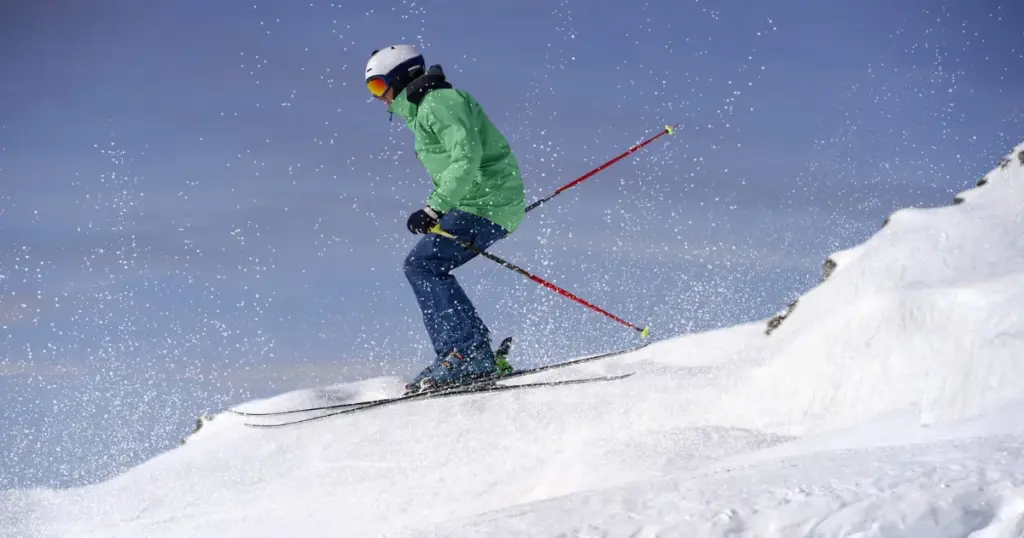
Japan winter skiing season peaks from December through March, when cold Siberian air masses cross the Sea of Japan, picking up moisture before dumping massive amounts of snow on mountainous regions.
The northern areas of Hokkaido and the Japan Sea coast of Honshu receive between 300 to 600 inches (approximately 8 to 15 meters) of annual snowfall, creating the legendary light and dry “Japow” that attracts skiers from around the globe.
Low temperatures are maintained throughout the day, preserving powder conditions from first tracks to last chair, making Japanese ski resorts among the world’s finest winter destinations.
Understanding Japan’s Snow Season Timeline (November to May)
November late: Hokkaido resorts including Niseko, Rusutsu, and Furano kick off the season with early snowfall and fewer crowds, offering excellent value for early-bird skiers.
December through February: Peak season delivers the best powder conditions, with consistent snowfall across all major resorts and temperatures cold enough to maintain dry snow quality throughout the day.
March through May: Spring skiing brings increased sunshine and warmer temperatures, with resorts like Hakuba and Shiga Kogen remaining open until early May for extended season enthusiasts.
The Science Behind “Japow”: Why Japanese Powder is World-Class
The unique geographical position of Japan creates ideal conditions for exceptional powder snow.
Cold Siberian air masses descend from the northwest, passing over the warm waters of the Sea of Japan, which maintains temperatures above 70°F (21°C) even in winter.
This warm ocean water releases moisture into the cold air, creating massive snow clouds that are then forced upward when they encounter Japan’s mountainous terrain.
The result is a perfect meteorological storm producing some of the coldest, driest, and lightest powder snow on the planet—snow so fine that it resembles down feathers when kicked up on the slopes.
Low temperatures at elevation ensure that snow crystals remain dry and fluffy from the moment they fall until they’re skied.
Unlike wetter coastal snow found in the Pacific Northwest or heavier Sierra cement in California, Japanese powder maintains an incredibly low moisture content, creating that coveted “floating” sensation that makes every turn feel effortless.
Professional skiers consistently rank Japan’s snow quality as world-class, with many making annual pilgrimages specifically to experience “Japow” in its purest form.
Monthly Weather Guide for Winter Travel in Japan
| Month | Tokyo Temps | Sapporo Temps | Snowfall Status | Ski Conditions |
|---|---|---|---|---|
| December | 43-54°F (6-12°C) | 27-36°F (-3-2°C) | Hokkaido sees serious accumulation begin | Good (beginner-friendly) |
| January | 36-50°F (2-10°C) | 19-30°F (-7–1°C) | Peak snowfall nationwide | Excellent (peak season) |
| February | 37-52°F (3-11°C) | 21-32°F (-6-0°C) | Continuous heavy snow | Excellent (powder prime time) |
| March | 43-57°F (6-14°C) | 28-39°F (-2-4°C) | Transition to spring snow | Good (more bluebird days) |
Niseko Ski Resort Hokkaido
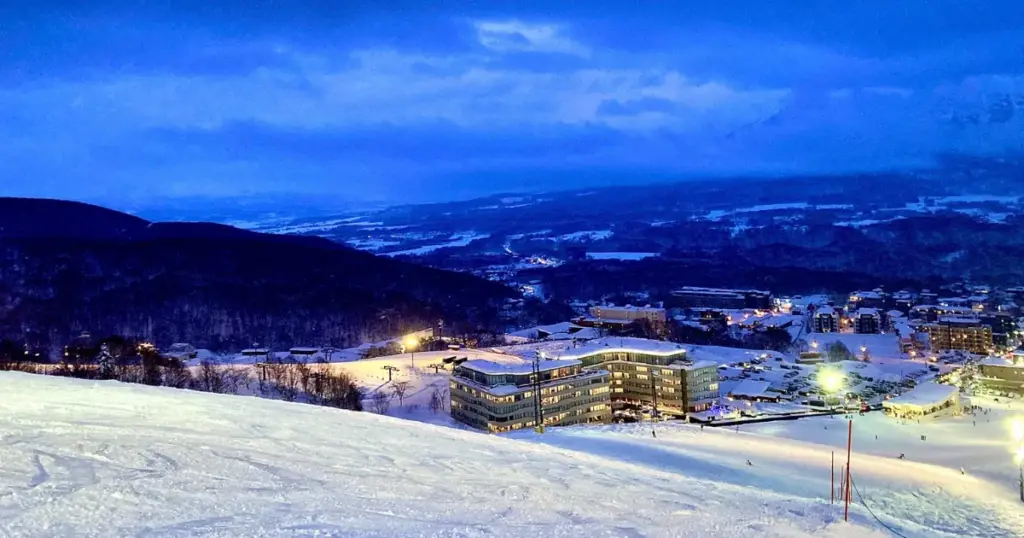
Niseko powder snow has achieved legendary status worldwide, with the resort averaging over 50 feet (15 meters) of annual snowfall and consisting of four interconnected resorts—Grand Hirafu, Niseko Village, Annupuri, and Hanazono.
The international atmosphere with comprehensive multilingual support makes this the ideal destination for first-time visitors to Japan ski resorts winter.
The 2025-26 season opens on November 29, with Grand Hirafu and Annupuri remaining open until May 6, 2026, offering one of the longest ski seasons in Japan.
Snow Quality and Terrain Characteristics
Snow quality: Extremely dry and light with minimal moisture content, representing the quintessential “Japow” experience that professional skiers travel across the globe to experience.
Annual snowfall: Approximately 50 feet (15 meters or 600 inches), with consistent storm cycles delivering fresh powder nearly every day throughout peak season.
Terrain: Extensive tree runs through birch forests, ungroomed backcountry zones, and multiple access points for advanced skiers seeking fresh lines beyond the resort boundaries.
Difficulty breakdown: Beginner 30%, Intermediate 40%, Advanced 30%, ensuring terrain suitable for all ability levels from first-timers to expert powder hounds.
International Atmosphere and Accessibility
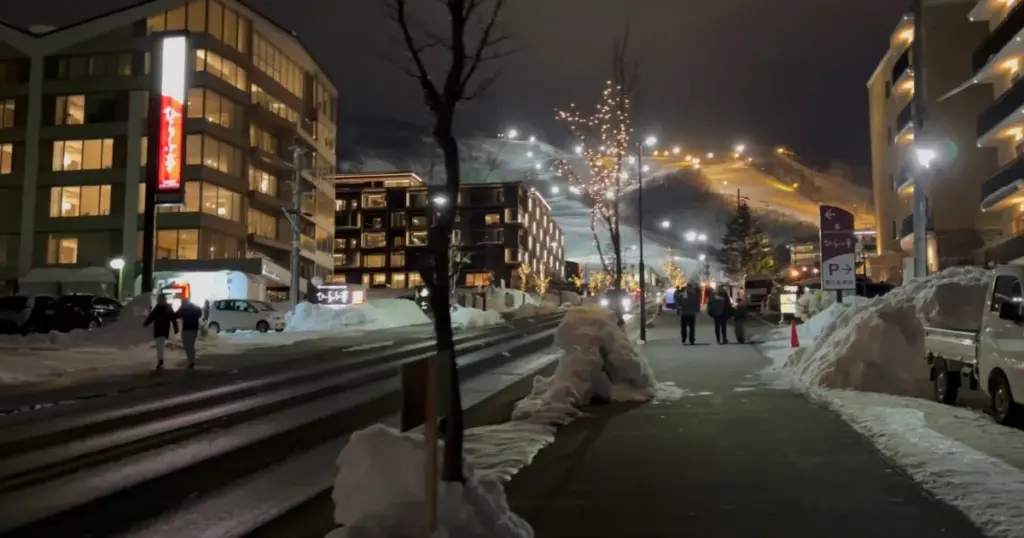
English-speaking services are ubiquitous throughout Niseko, with ski schools, rental shops, restaurants, and accommodations staffed by multilingual professionals.
Western-style lodging options range from luxury ski-in/ski-out chalets to affordable condominiums, catering to diverse budgets and group sizes.
The resort village features over 100 restaurants serving everything from authentic ramen to fine international dining, plus bars, lounges, and nightclubs creating Japan’s most vibrant après-ski scene.
Access from New Chitose Airport takes approximately 2.5 hours by rental car or shuttle bus, making it the most convenient Hokkaido resort for international travelers arriving in Sapporo.
Hakuba Valley Nagano
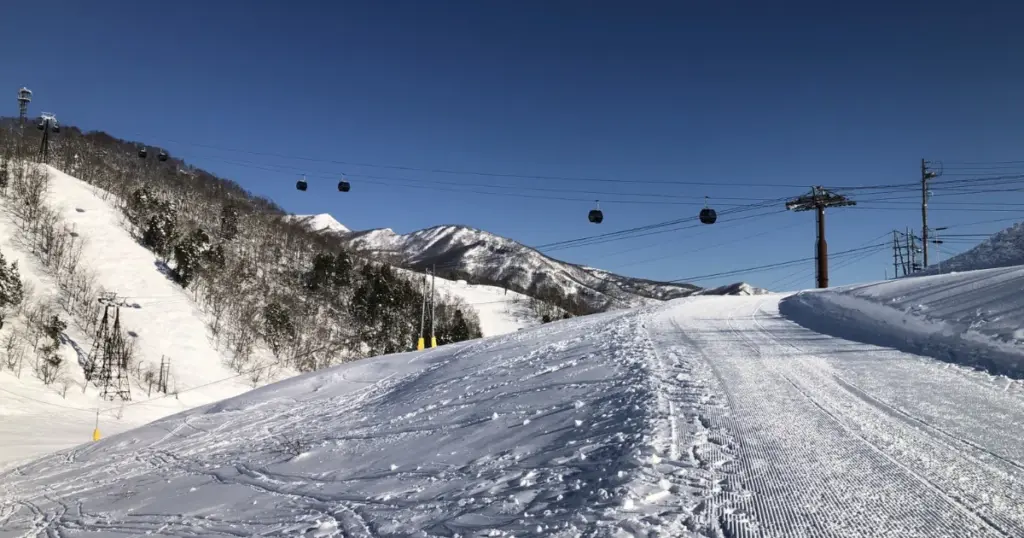
Hakuba ski resort served as the proud host of the 1998 Nagano Winter Olympics, consisting of 10 interconnected resorts nestled in the Northern Alps with elevations ranging from 2,493 to 6,004 feet (760 to 1,831 meters).
The vast terrain accommodates skiers from beginners to experts across 220 hectares of skiable area, offering everything from gentle learning slopes to Olympic downhill courses.
The 2025-26 season opens December 1 and continues through May 6, 2026, with the 2024-25 season recording the highest snowfall in resort history.
Snow Quality and Terrain Characteristics
Snow quality: Dry powder maintained by high elevations and consistent cold temperatures, ensuring stable conditions throughout the season with minimal rain events affecting snow quality.
Annual snowfall: Approximately 36 feet (11 meters or 430 inches), providing deep base depths that protect against rocks and allow for confident exploration of steeper terrain.
Terrain: Olympic race courses with maximum gradients of 37 degrees, extensive tree skiing through mixed forests, beginner zones with gentle wide-open slopes, and terrain parks for freestyle enthusiasts.
Difficulty breakdown: Beginner 30%, Intermediate 40%, Advanced 30%, with something for every skill level spread across the valley’s diverse resort offerings.
Access and Western Amenities
Tokyo Station connects to Hakuba via the Hokuriku Shinkansen to Nagano Station, followed by an express bus, totaling approximately four hours of travel time.
English-speaking accommodations and restaurants are plentiful, particularly in Hakuba Village (Echoland) and Wadano areas where international visitors congregate.
Olympic facilities including the ski jumping stadium remain open for tours, adding historical significance to your ski vacation.
The valley’s infrastructure has seen significant investment in recent years, with new gondolas, hotels, and restaurants elevating the overall visitor experience to international standards.

Naeba Ski Resort Niigata
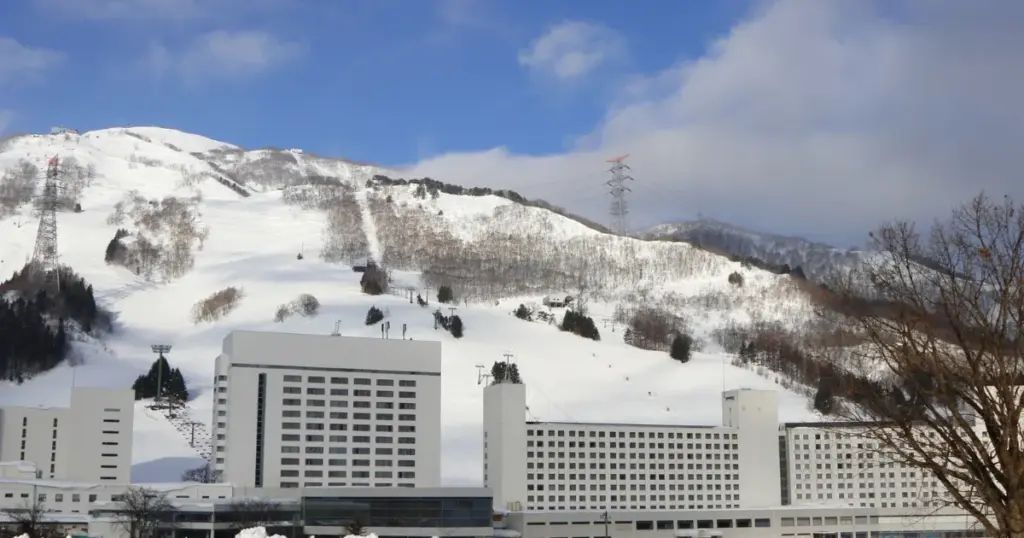
Best ski resorts in Japan accessibility rankings consistently place Naeba at the top, with the Joetsu Shinkansen from Tokyo Station reaching Echigo-Yuzawa Station in just 77 minutes.
The resort connects to adjacent Tashiro and Kagura ski areas via the Dragon Gondola, Japan’s longest ropeway at 5.5 kilometers, creating an expansive ski domain covering 196 hectares.
The massive ski-in/ski-out Naeba Prince Hotel complex makes this resort particularly popular with families seeking convenience and all-inclusive vacation experiences.
Snow Quality and Terrain Characteristics
Snow quality: Slightly higher moisture content than Hokkaido powder but still excellent, with well-groomed runs maintained to professional standards throughout the season.
Annual snowfall: Approximately 33 feet (10 meters or 390 inches), providing consistent coverage across wide-open slopes ideal for intermediate skiers building confidence.
Terrain: Expansive gentle slopes perfect for families and beginners, plus one of Asia’s premier terrain parks featuring professionally maintained jumps, rails, and halfpipes.
Difficulty breakdown: Beginner 40%, Intermediate 40%, Advanced 20%, emphasizing accessible terrain that allows skiers to progress rapidly while having fun.
Convenience and Family Appeal
Tokyo Station accessibility makes same-day ski trips feasible for those staying in the capital, with early departures allowing full days on the mountain before evening returns.
The Naeba Prince Hotel sits directly at the base area with true ski-in/ski-out access, featuring onsen hot spring baths, indoor pools, shopping arcades, and multiple restaurants eliminating any need to leave the property.
Rental shops offer high-quality equipment with English-speaking staff, and ski schools provide beginner lessons in multiple languages, removing common barriers for international families.
Kusatsu Onsen Ski Resort Gunma
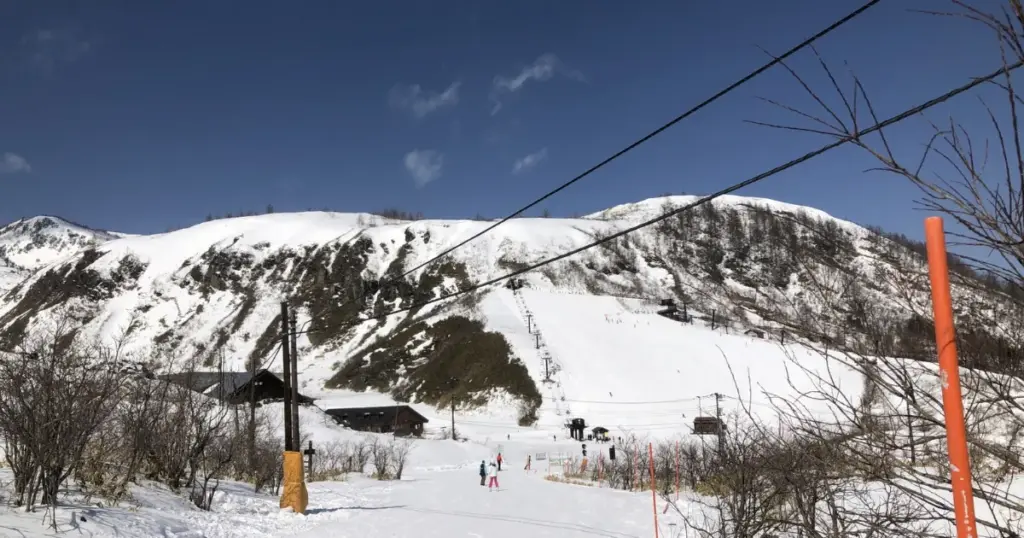
Kusatsu Onsen ski resort holds the unique distinction of being adjacent to Kusatsu Onsen, one of Japan’s three most famous hot spring towns, combining world-class skiing with authentic cultural experiences.
The ski area descends from Mt. Tengu’s 7,123-foot (2,171-meter) summit via an 8-kilometer run—one of Japan’s longest continuous descents—allowing skiers to complete marathon-length vertical runs.
Located just three hours from Tokyo by car, this resort offers the perfect blend of skiing and hot spring relaxation for travelers seeking quintessential Japanese winter experiences.
Snow Quality and Terrain Characteristics
Snow quality: High elevation creates dry, light powder comparable to premium Hokkaido conditions, with cold temperatures preserving snow quality throughout sunny spring days.
Annual snowfall: Approximately 26 feet (8 meters or 310 inches), providing excellent coverage across the resort’s vertical terrain while maintaining manageable snow depths for intermediates.
Terrain: Japan’s longest continuous run at 8 kilometers from summit to base, predominantly gentle slopes suitable for confident intermediates with basic parallel turning skills.
Difficulty breakdown: Beginner 50%, Intermediate 40%, Advanced 10%, emphasizing long cruising runs perfect for building endurance and enjoying the scenery.
Hot Spring Integration
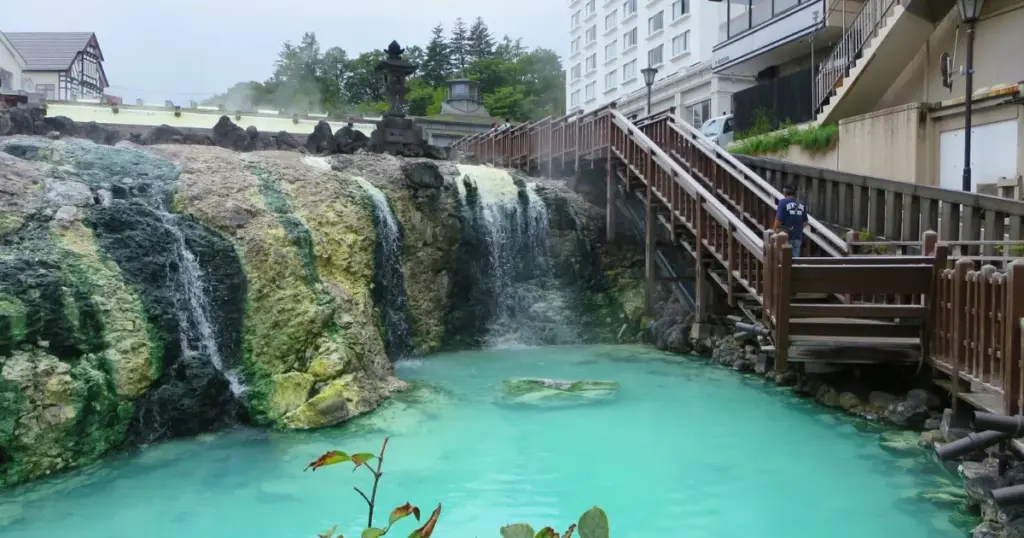
The ski resort sits within walking distance of Kusatsu Onsen town, allowing visitors to transition seamlessly from slopes to steaming outdoor baths.
Daily lift ticket holders receive 20% discounts at three public bathhouses—Otaki-no-yu, Sainokawara Open-Air Bath, and Goza-no-yu—encouraging après-ski soaking in mineral-rich waters.
The town’s iconic Yubatake (hot water field) steams dramatically in the winter evening air, creating a magical atmosphere for strolling after dinner.
This unique combination of skiing and onsen culture delivers experiences impossible to find at Western ski resorts, making Kusatsu ideal for travelers seeking authentic Japanese winter traditions.
Myoko Kogen Niigata

Myoko Kogen ski resort comprises five distinct areas—Akakura Onsen, Akakura Kanko, Myoko Suginohara, Ikenotaira Onsen, and Seki Onsen—spread across the base of Mt. Myoko (8,051 feet/2,454 meters) in Niigata Prefecture.
Annual snowfall exceeding 42 feet (13 meters) rivals or surpasses more famous resorts while maintaining significantly lower crowds and prices.
The authentic Japanese atmosphere with traditional hot spring villages provides repeat visitors seeking deeper cultural immersion beyond the international scenes of Niseko and Hakuba.
The 2025-26 season begins in mid-December with most areas operating through late March.
Snow Quality and Terrain Characteristics
Snow quality: Exceptionally light dry powder created by heavy moisture from the Sea of Japan combined with sustained cold temperatures, producing some of Japan’s finest snow.
Annual snowfall: Approximately 42 feet (13 meters or 510 inches), ranking among Japan’s snowiest resorts with frequent storm cycles delivering waist-deep dumps throughout peak season.
Terrain: Steep advanced runs at Akakura Kanko with sustained pitches exceeding 30 degrees, tree skiing through pristine forests, and extensive backcountry access for touring enthusiasts.
Difficulty breakdown: Beginner 30%, Intermediate 40%, Advanced 30%, with particular appeal to expert skiers seeking challenging terrain without crowds.
Authentic Experience and Value
Tokyo Station connects to Joetsu-Myoko Station via the Hokuriku Shinkansen in approximately two hours, with local buses completing the journey in 40 minutes.
Accommodation costs run 30-50% less than comparable lodging in Hakuba or Niseko, allowing budget-conscious travelers to extend their vacations or upgrade to nicer properties.
The century-old hot spring town of Akakura Onsen maintains traditional Japanese atmosphere with historic ryokan inns, local izakaya serving regional specialties like handmade soba noodles, and genuine hospitality from residents welcoming visitors to their mountain community.
English support is more limited than international mega-resorts, but basic communication remains feasible with translation apps and universal ski terminology.
Comparing Japan’s Top 5 Ski Resorts
Japan winter skiing resort selection depends on snow quality, accessibility, atmosphere, and budget considerations aligned with your priorities and experience level.
First-time visitors to Japan often prefer Niseko or Hakuba for their international infrastructure and comprehensive English support, while travelers seeking authentic cultural immersion gravitate toward Myoko or Kusatsu.
The following comparison clarifies each resort’s strengths, helping you identify the perfect destination for your snow adventure.
Quick Comparison Table: Snow, Access, and Atmosphere
| Resort | Snow Quality | Annual Snowfall | Tokyo Access | English Support | Atmosphere | Price Range |
|---|---|---|---|---|---|---|
| Niseko | Premium dry powder | 50 ft (15m) | 4-5 hours | ★★★★★ | International | High |
| Hakuba | Dry powder | 36 ft (11m) | 4 hours | ★★★★☆ | International | Medium-High |
| Naeba | Slightly wetter | 33 ft (10m) | 2.5 hours | ★★★☆☆ | Family-oriented | Medium |
| Kusatsu | Dry powder | 26 ft (8m) | 3 hours | ★★☆☆☆ | Onsen culture | Medium |
| Myoko | Dry powder | 42 ft (13m) | 2 hours | ★★☆☆☆ | Traditional Japan | Low-Medium |
Recommendations by Traveler Type
First-time Japan skiers: Niseko offers comprehensive English support, international amenities, and infrastructure eliminating language barriers and cultural uncertainties.
Advanced skiers and powder hunters: Myoko and Niseko deliver the deepest snowfall with challenging terrain and backcountry access for those seeking ultimate powder experiences.
Families with children: Naeba provides ski-in/ski-out hotel convenience, gentle learning slopes, and all-inclusive packages simplifying vacation logistics for parents.
Hot spring enthusiasts: Kusatsu uniquely combines quality skiing with Japan’s premier onsen town, delivering authentic cultural experiences alongside mountain adventures.
Budget-conscious travelers: Myoko offers exceptional value with world-class snow and terrain at 30-50% lower costs than premium international resorts.
Accessibility priorities: Naeba wins with 2.5-hour total travel time from Tokyo Station, enabling day trips or weekend getaways without long transfers.
Practical Travel Tips: Best Time to Visit, Costs, Booking, and What to Pack
Japan winter skiing trip planning requires attention to seasonal timing, budget allocation, advance reservations, and appropriate gear to maximize enjoyment and value.
Ski resort accommodations generally require 6-12 months advance booking, particularly at Niseko and Hakuba where peak season rates can triple standard prices.
Japanese lift tickets, rentals, and dining cost 30-50% less than comparable North American or European resorts, delivering exceptional value for international visitors despite sometimes premium accommodation pricing.
Peak vs. Off-Peak Season: When to Go for Best Value
| Period | Characteristics | Crowds | Pricing | Rating |
|---|---|---|---|---|
| Early December | Unstable snowpack, empty slopes | Low | Lowest rates | ★★★ (early-bird deals) |
| Late December-Early January | New Year holidays, maximum crowds | Very High | Highest rates | ★★ (avoid if possible) |
| Mid-January through February | Optimal conditions, consistent powder | High | High | ★★★★★ (best overall) |
| March | Spring skiing, increased sunshine | Medium | Medium | ★★★★ (great value) |
| April-May | Limited operations, corn snow | Low | Low | ★★★ (beginner-friendly) |
Budgeting for Your Japan Ski Trip: Costs Breakdown
Lift tickets: ¥5,000-¥8,000 per day ($35-$55 USD), with Niseko and Hakuba at the higher end and Myoko and Kusatsu offering better value.
Equipment rental: ¥3,000-¥6,000 per day ($20-$40 USD) for quality ski or snowboard packages including boots and poles from reputable rental shops.
Accommodation: ¥8,000-¥50,000 per night ($55-$350 USD) ranging from hostel dormitories to luxury ski-in/ski-out chalets depending on resort and season.
Meals: ¥1,000-¥5,000 per meal ($7-$35 USD) spanning budget ramen counters to upscale kaiseki dining, with excellent value at mid-range establishments.
Transportation: ¥15,000-¥30,000 roundtrip ($105-$210 USD) between Tokyo and ski resorts via shinkansen and bus combinations, or airport shuttles.
Essential Packing List for Japan Winter Skiing
Ski wear: Waterproof jacket and pants rated for cold temperatures, quality goggles with spare lenses for varying visibility, insulated gloves plus liner gloves.
Base layers: Merino wool or synthetic moisture-wicking thermals available at Uniqlo stores throughout Japan if forgotten, offering exceptional value and quality.
Onsen essentials: Small towel for hot spring bathing, soap and shampoo as many public baths don’t provide toiletries, shower sandals for changing rooms.
Technology: Portable battery pack for smartphone navigation in cold weather, waterproof phone case for slope photos, international power adapter for device charging.
Cash reserves: ¥30,000-¥50,000 ($210-$350 USD) as some mountain restaurants, small hotels, and rural establishments remain cash-only despite urban digitalization.
Getting Around Japan’s Ski Resorts
Japan ski resorts winter access utilizes Tokyo’s Narita and Haneda airports plus Sapporo’s New Chitose Airport as primary international gateways, with efficient shinkansen bullet trains and highway buses enabling smooth connections.
The JR Pass seven-day option costs ¥29,650 ($205 USD) and pays for itself with Tokyo-Nagano-Niigata itineraries, making it ideal for travelers visiting multiple resorts.
Heavy snowfall causing transportation delays remains rare due to Japan’s exceptional infrastructure, though monitoring weather forecasts for Japan Sea coast resorts like Myoko and Naeba proves prudent during major storms.
Major Airports and Access Routes
New Chitose Airport (Sapporo): Primary gateway to Hokkaido serving Niseko with direct shuttle buses covering 85 kilometers in 2.5 hours through scenic mountain roads.
Narita and Haneda Airports (Tokyo): International hubs connecting to Hakuba, Naeba, Myoko, and Kusatsu via shinkansen and bus networks radiating from Tokyo Station.
Matsumoto Airport: Regional option for Hakuba area accessed via limited domestic flights, then one-hour bus connections offering alternatives to Tokyo routing.
JR Pass Benefits for Ski Travel
Seven-day pass: ¥29,650 ($205 USD) breaks even on single Tokyo-Nagano roundtrip via shinkansen, making any additional travel essentially free value.
14-day pass: ¥47,250 ($325 USD) ideal for multi-resort itineraries visiting Hakuba, Myoko, and Naeba across two weeks of exploration.
JR East Pass: ¥27,000 for five flexible days ($185 USD) specifically designed for Nagano and Niigata regions, covering Hakuba, Naeba, and Myoko access.
Shuttle Bus Services from Tokyo and Major Stations
Tokyo to Hakuba: Direct highway buses depart from Shinjuku Station taking approximately 5.5 hours for ¥5,000-¥7,000 ($35-$50 USD) with overnight options.
Tokyo to Naeba: Express buses from Tokyo Station or Shinjuku complete the journey in 3.5 hours for ¥4,000-¥6,000 ($28-$42 USD) with multiple daily departures.
New Chitose Airport to Niseko: Resort shuttle buses and public routes cover the distance in 2.5 hours for ¥3,000-¥5,000 ($20-$35 USD) with advance reservations recommended.
Cultural Etiquette and Onsen Rules
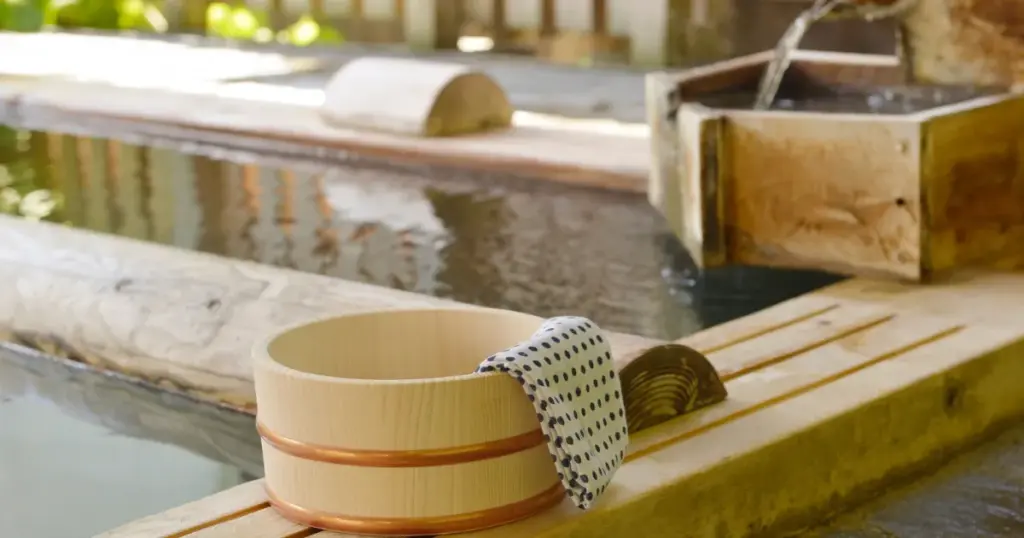
Japan winter skiing appeal extends beyond snow quality to encompass post-ski hot spring bathing and unique cultural traditions that elevate vacations into transformative experiences.
Onsen etiquette requires bathing thoroughly before entering communal pools, keeping towels out of the water, and checking tattoo policies in advance as some facilities maintain traditional restrictions.
Understanding slope manners like orderly lift line queuing and dining customs including chopstick etiquette and slurping noodles appropriately helps visitors integrate respectfully into local communities, enriching interactions with residents and fellow travelers.
Onsen Etiquette Essentials
Pre-bathing procedure: Remove all clothing in the changing room, wash your entire body thoroughly at the shower stations before approaching the communal bath.
Towel management: Keep your small washing towel out of the bath water, either folding it on your head or leaving it in the changing area to avoid contamination.
Tattoo considerations: Many traditional establishments prohibit tattoos due to historical associations, though attitudes are evolving; small tattoos may be acceptable, or look for tattoo-friendly facilities.
Private bath options: Most upscale ryokan and hotels offer family kashikiri baths (private hot springs) bookable by the hour for guests with tattoos or preferring privacy.
Ski Resort and Dining Manners
Lift line etiquette: Queue in orderly single-file lines without cutting, a reflection of Japanese cultural values around fairness and social harmony.
Slope safety: Downhill skiers have right-of-way, move to the slope edge promptly if you fall, and respect closed areas marked with ropes and signs.
Ramen restaurants: Slurping noodles loudly is proper etiquette showing appreciation while also aerating the broth for optimal flavor perception.
Chopstick customs: Never stick chopsticks vertically in rice (resembles funeral incense), don’t pass food chopstick-to-chopstick (funeral ritual), and place them on the holder when not eating.
Payment procedures: Settle bills at the register rather than leaving money on tables, and remember tipping is unnecessary as service charges are included in menu prices.
Conclusion
Japan ski resorts winter season delivers unmatched powder snow quality, diverse terrain options, rich cultural experiences, and exceptional value that together create the world’s premier ski destination.
Whether you choose Niseko’s international powder paradise, Hakuba’s Olympic legacy slopes, Naeba’s family-friendly convenience, Kusatsu’s unique hot spring integration, or Myoko’s authentic hidden gem status, Japan guarantees memorable mountain adventures.
Start planning your 2025-26 season trip today by researching specific resorts, booking accommodations 6-12 months in advance, securing JR Passes for multi-resort exploration, and preparing for the ski vacation of a lifetime in the Land of the Rising Sun.
Japan Trails Newletter

Explore Tokyo with a Local!!

We offer tailored private tours designed for small groups. Prices start from 200 USD per person, and every itinerary can be fully customized.