Akihabara Tokyo Complete Guide.
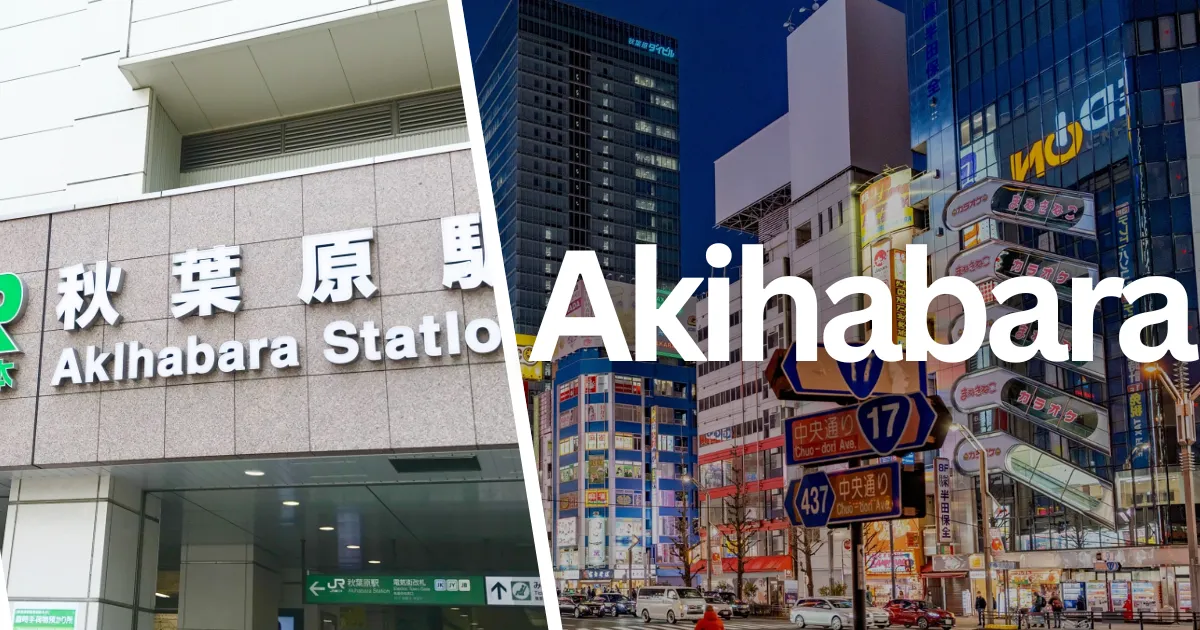
Akihabara, also known as “Electric Town” or “Akiba,” is Tokyo’s premier destination for anime, manga, electronics, and otaku culture.
This vibrant district attracts millions of international visitors seeking authentic Japanese pop culture experiences, cutting-edge technology, and unique themed cafes.
This guide provides essential information about Akihabara’s major attractions, shopping districts, cultural experiences, and practical visiting tips for international tourists.
Akihabara History
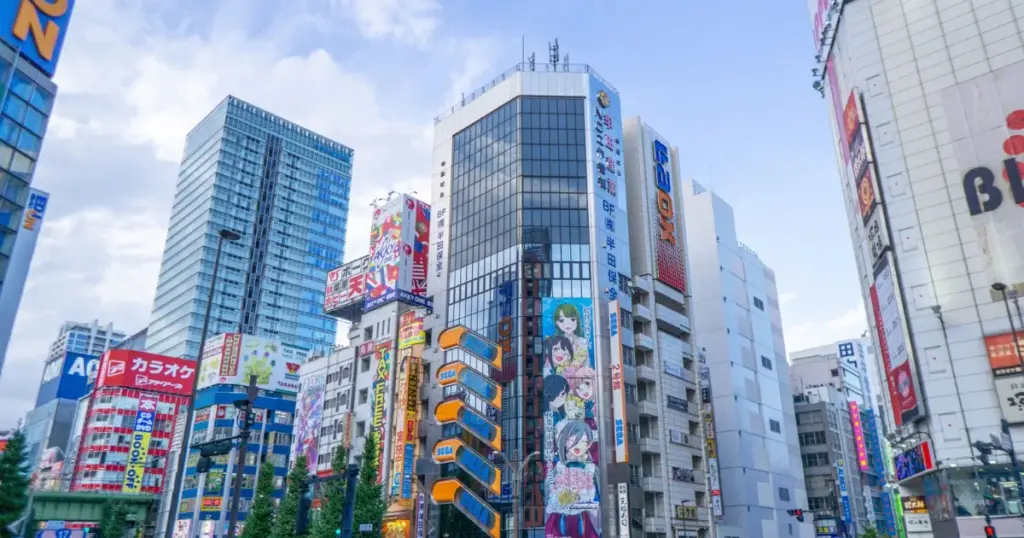
Akihabara developed after World War II as a black market for electronic components and radio parts.
The area earned its “Electric Town” nickname as legitimate electronics retailers replaced black market stalls.
Today Akihabara has evolved into the global center of Japanese otaku culture, combining technology with anime, manga, and gaming.
Post-War Electric Town Development
After 1945, Akihabara emerged as a hub for radio and electrical component stalls serving a nation rebuilding its infrastructure.
Small shops specializing in vacuum tubes, transistors, and electronic parts lined the streets.
By the 1980s, Akihabara had become synonymous with consumer electronics, attracting shoppers seeking the latest audio equipment, computers, and cameras.
Evolution into Otaku Culture Capital
The 1990s and 2000s witnessed Akihabara’s transformation from pure electronics district into anime and manga paradise.
Stores specializing in anime goods, manga, video games, and character merchandise filled spaces between electronics shops.
Maid cafes emerged in the early 2000s, establishing Akihabara’s reputation as Japan’s otaku culture center.
Modern Akihabara: Constant Evolution
Recent development added large modern buildings including Yodobashi Camera megastore near Akihabara Station.
The district continues evolving, balancing cutting-edge technology with nostalgia for retro games and classic anime.
On Sundays, Chuo Dori (main street) closes to vehicle traffic from 1:00-6:00 PM (until 5:00 PM October-March), creating a pedestrian paradise.
Electric Town Shopping at Akihabara
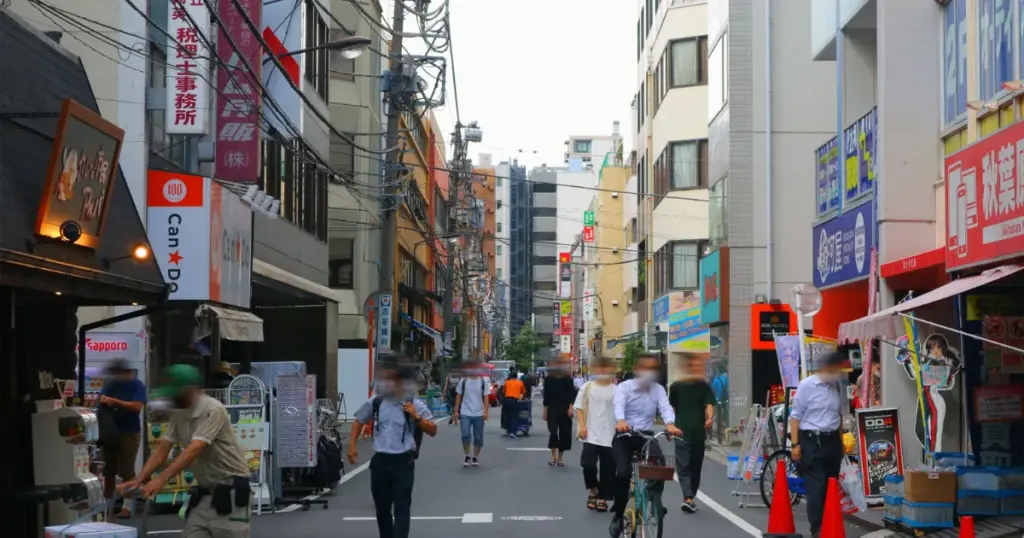
Electric Town remains Akihabara’s core area, featuring the world’s largest concentration of electronics retailers.
Major stores and tiny specialist shops coexist, offering everything from complete computer systems to specific electronic components.
This area provides unparalleled selection for technology enthusiasts and gamers.
Major Electronics Retailers
Yodobashi Camera Akihabara dominates as a 9-story electronics megastore located directly beside Akihabara Station.
Each floor specializes in different product categories—smartphones and cameras on lower floors, computers and audio equipment on middle floors, with restaurants on upper levels.
Tax-free shopping is available with multilingual staff on every floor.
Laox and other international-focused retailers cater specifically to foreign tourists with export models, multilingual service, and duty-free shopping.
These stores stock items compatible with overseas voltage standards and offer international warranties.
Specialty Component Shops
Small shops in narrow side streets offer specialized electronic components, tools, and parts unavailable in mainstream retailers.
Amateur radio enthusiasts, electronics hobbyists, and repair specialists find rare components in these treasure-trove stores.
Staff possess deep technical knowledge despite potential language barriers.
Retro and Modern Gaming
Super Potato sells retro video game consoles and cartridges spanning gaming history from Famicom to PlayStation.
The nostalgic atmosphere includes 8-bit music and displays of classic game boxes.
Modern gaming stores like Gamers stock current releases, limited editions, and Japan-exclusive titles alongside gaming accessories and merchandise.
Anime and Manga Shopping at Akihabara
Akihabara houses countless stores dedicated to anime, manga, figures, and character goods.
From brand-new limited editions to rare vintage collectibles, the district offers unmatched selection for anime enthusiasts.
Multiple floors of specialized shops create overwhelming options for newcomers and experienced collectors alike.
Iconic Anime Shopping Buildings
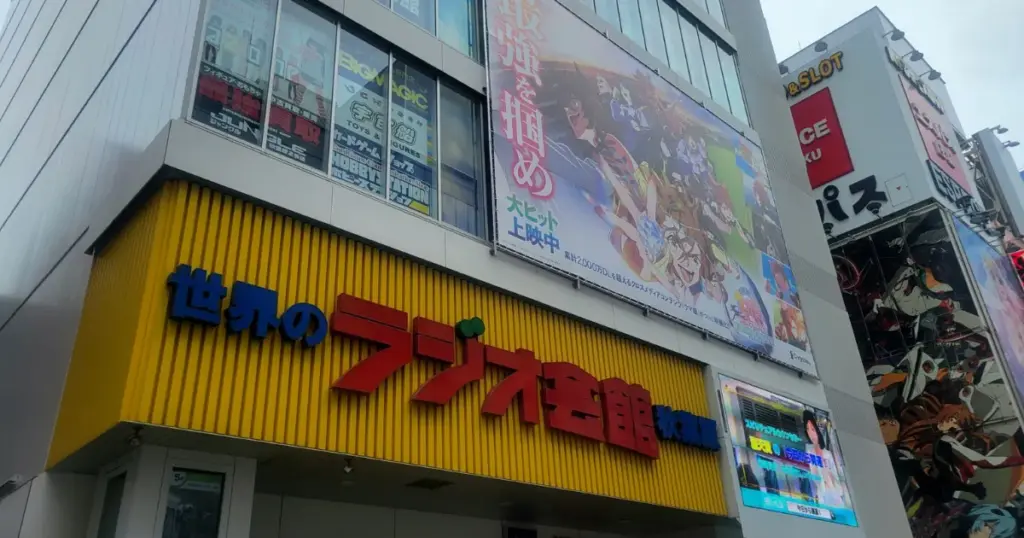
Radio Kaikan, rebuilt in 2014, stands as Akihabara’s most iconic landmark with 10 floors of anime-related shops.
Each floor houses different specialty stores: K-Books for manga and light novels, Kaiyodo and Volks for figures and models, plus numerous other retailers selling trading cards, collectibles, and limited merchandise.
Akiba Cultures Zone features five floors of new and used figures, models, manga merchandise, DVDs, CDs, and posters.
A maid cafe operates on the top floor. The building represents concentrated otaku culture under one roof.
Figure and Collectible Specialists
Mandarake operates a large multi-floor store specializing in pre-owned goods.
Collectors find rare manga, out-of-print figures, vintage dolls, posters, CDs, toys, and other manga-related items.
Prices range from affordable to premium for exceptionally rare pieces.
Various specialty shops focus on specific anime series, character types, or collectible categories.
Scale figure specialists display museum-quality pieces priced from thousands to hundreds of thousands of yen.
Manga and Light Novel Stores
Dedicated manga stores stock thousands of titles in Japanese, with some international sections.
Light novels, manga magazines, art books, and character encyclopedias fill multiple floors.
Many stores buy used manga, creating circular economy for collectors.
Maid Cafes and Themed Experiences
Maid cafes represent Akihabara’s most distinctive cultural phenomenon, where waitresses dressed as maids or anime characters provide entertainment alongside food and drinks.
These establishments offer unique experiences unavailable elsewhere in the world, though they may initially seem unusual to international visitors.
Understanding Maid Cafe Culture
Maid cafes emerged in Akihabara during the early 2000s, inspired by anime and manga depictions of maid characters.
Staff greet customers as “masters” or “princesses,” performing songs, games, and photo opportunities.
Prices include cover charges (¥500-1,000) plus relatively expensive food and drinks (¥800-1,500 per item).
@home cafe, established in 2004, ranks among Akihabara’s most famous maid cafes.
The spacious interior provides comfortable atmosphere for first-time visitors.
Popular menu items include drinks where maids perform cute choreography while preparing orders, and decorated omurice (omelet rice) with custom ketchup illustrations.
Other Themed Cafes
Cat Cafes like Mocha Cat Cafe Akihabara charge by time (¥350 per 10 minutes on weekends, maximum ¥3,800).
Visitors interact with cats while reading manga or relaxing.
Butler Cafes offer male server counterparts to maid cafes, though less common.
Anime and game-themed collaboration cafes periodically appear, featuring specific series with limited-time menus and exclusive merchandise.
These temporary cafes require advance reservations during popular series collaborations.
Arcade and Game Centers
Multi-floor arcades contain rhythm games, fighting games, racing simulators, crane games (UFO catchers), photo booths (purikura), and VR experiences.
Tokyo Leisure Land and similar facilities attract professional gamers and casual players.
Crane game floors offer anime character prizes, with staff sometimes providing gameplay tips.
Must-Visit Akihabara Attractions Beyond Shopping
Akihabara offers attractions beyond shopping, including shrines, specialty museums, unique architecture, and cultural landmarks.
These sites provide context for Akihabara’s development and offer peaceful retreats from crowded shopping streets.
Kanda Shrine (Kanda Myojin)
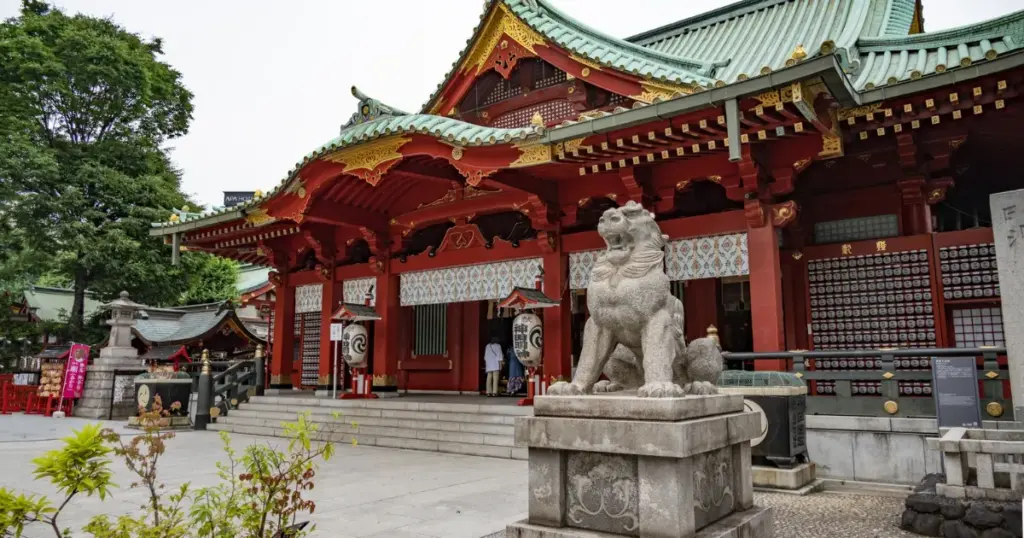
Kanda Shrine, over 1,200 years old, provides tranquil escape from Akihabara’s chaos.
The shrine sells unique IT-related amulets and good-luck charms specifically blessed to fix electronic equipment and troublesome technology.
The annual Kanda Matsuri festival (May) ranks among Tokyo’s three great festivals.
The four-story EDOCCO complex within shrine grounds houses cafes, event spaces, and gift shops.
Akihabara Gachapon Hall
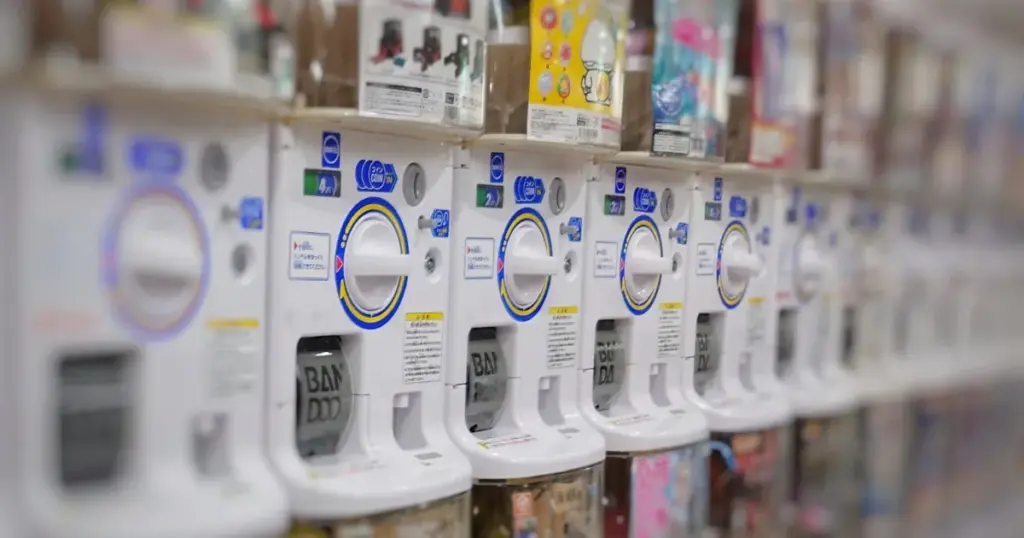
Japan’s largest capsule toy specialty store features over 1,000 gachapon machines selling miniature figures, keychains, and collectibles (¥300-500 per capsule).
New products rotate regularly, making repeat visits worthwhile.
Limited-edition capsules exclusive to this location attract serious collectors.
2k540 Aki-Oka Artisan
This shopping center underneath railway arches near Okachimachi Station contrasts with Akihabara’s mainstream character.
Traditional craft workshops, artisan boutiques, and handmade goods stores occupy the renovated spaces.
The area showcases Japanese craftsmanship from pottery to leather goods.
Don Quijote Akihabara
This 24-hour discount department store spans multiple floors selling everything from snacks and cosmetics to electronics and novelties.
The chaotic layout and compressed aisles create treasure-hunt atmosphere.
The AKB48 Theater operates on the upper floor. Tax-free counters serve international shoppers.
Practical Visitor Information
Practical information helps visitors maximize their Akihabara experience efficiently.
These frequently asked questions address access, timing, costs, and cultural considerations with direct answers.
Clear information facilitates smooth trip planning for international tourists.
- How do I get to Akihabara?
-
Akihabara Station is served by multiple train lines providing excellent access from all Tokyo areas.
Access by Train Line
Line Travel Time Best For JR Yamanote Line From Tokyo Station: 4 min; From Shinjuku: 18 min Most convenient for tourists JR Keihin-Tohoku Line From Ueno: 3 min North-south route JR Sobu Line From Shinjuku: 18 min East-west route Tokyo Metro Hibiya Line From Ginza: 10 min Subway access Tsukuba Express From Asakusa: 3 min Newer line From Airports:
- Narita Airport: 90 minutes by train
- Haneda Airport: 45 minutes by train
- How much time should I spend in Akihabara?
-
A half-day visit (4-5 hours) allows exploration of major shops, a maid cafe experience, and arcade gaming.
Full-day visits (7-8 hours) permit detailed browsing, multiple themed cafes, and leisurely breaks between shopping districts.
- How much does it cost to visit?
-
Akihabara entry costs nothing, but budget appropriately for activities. Maid cafes cost ¥1,500-3,000 per person including cover charge and one item.
Arcade games cost ¥100-500 per play. Gachapon costs ¥300-500 per capsule.
Shopping varies dramatically based on purchases—anime figures range from ¥1,000 to ¥50,000+, electronics from thousands to hundreds of thousands of yen.
- Do I need to speak Japanese?
-
Major stores have multilingual staff and tax-free counters serving international tourists.
Smaller specialty shops may have limited English, but staff generally try helping through gestures and translation apps.
Maid cafes often have English menus and some English-speaking staff.
Basic phrases help but aren’t essential for main tourist activities.
Conclusion: Experience Japan’s Pop Culture Epicenter
Akihabara represents Japan’s unique fusion of cutting-edge technology and passionate fan culture in one chaotic, colorful district.
The combination of electronics megastores, anime shopping paradise, maid cafes, retro gaming havens, and themed experiences creates an environment found nowhere else in the world.
International visitors discover authentic Japanese otaku culture while enjoying convenient access from central Tokyo stations.
Japan Trails Newletter

Explore Tokyo with a Local!!

We offer tailored private tours designed for small groups. Prices start from 200 USD per person, and every itinerary can be fully customized.