Ueno Zoo Tokyo Complete Guide 2026

Ueno Zoo Tokyo is a major Tokyo zoo located inside Ueno Park, and a popular stop for first-time visitors and families exploring the city.
In a compact area you can see giant pandas, tigers, gorillas, and more than 3,000 animals from around the world while enjoying seasonal nature and easy walking paths.
This guide explains how to visit Ueno Zoo as an international traveler, covering tickets, opening hours, best time to see the pandas, and access from central Tokyo.
Ueno Zoo History
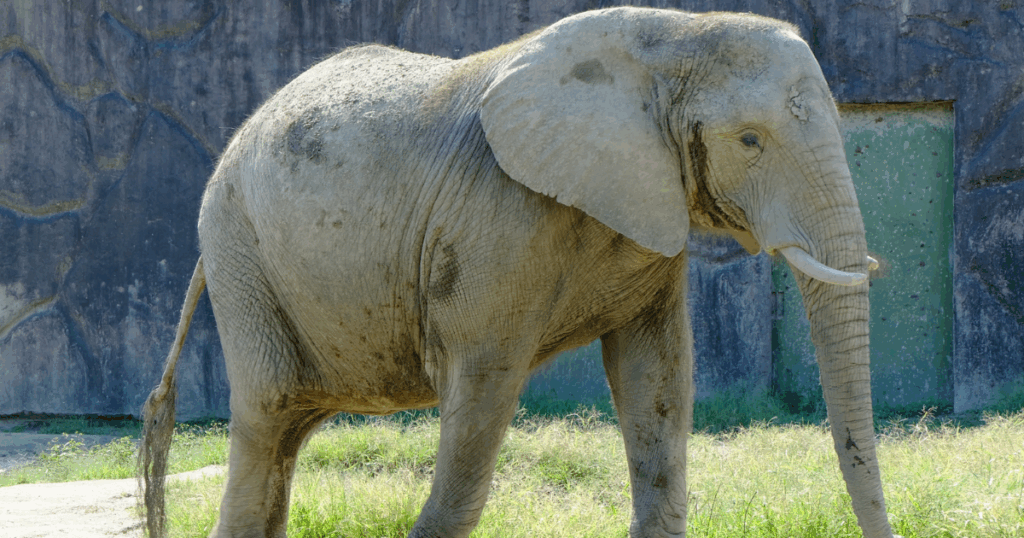
Ueno Zoo opened on March 20, 1882, as Japan’s first modern zoo during the Meiji era.
The zoo began as an adjunct facility to the National Museum of Natural History.
In 1924, the zoo was bestowed upon Tokyo City to commemorate Crown Prince Hirohito’s wedding.
Japan’s First Modern Zoo
The zoo originated from an animal-breeding farm established in 1871 with 77 animals of 30 species.
Following the first Domestic Industrial Exposition in Ueno Park in 1877, both museum and zoo relocated to the current site.
The zoo’s location within former Kaneiji Temple grounds added historical and cultural significance.

Memorial to Lost Animals
In August 1943, Tokyo authorities ordered the killing of all dangerous animals fearing air raid damage would allow escapes.
Animals were killed through poisoning, strangulation, or starvation despite staff pleas for alternatives.
A permanent memorial rebuilt in 1975 stands within the zoo grounds commemorating these animals and teaching visitors about war’s consequences.
Post-War Recovery
Recovery began in 1949 when elephants Hanako and Indira arrived, symbolizing Japan’s reconstruction.
The zoo modernized throughout the late 20th century with new facilities including the elephant house (1968) and big-cat house (1974).
Management transitioned to Tokyo Zoological Park Society in 2006, emphasizing conservation breeding and environmental education.
Giant Pandas at Ueno Zoo

Ueno Zoo giant pandas have served as symbols of Sino-Japanese friendship since 1972.
As of 2025, the zoo houses twin pandas Lei Lei (female) and Xiao Xiao (male), born June 23, 2021.
These twins represent the only giant pandas remaining in Japan.
Panda Viewing Experience and Best Times
The Panda Forest is located near the Main Entrance in the East Garden with dedicated queuing systems.
Wait times range from 20-40 minutes depending on time of day.
Visitors spend several minutes in each viewing section before moving along.
Optimal Viewing Times:
- 9:30-10:30 AM:
Shortest waits (10-20 min), most active pandas - 10:30 AM-12:00 PM:
Moderate waits (20-40 min) - 2:00-4:00 PM:
Moderate waits (20-30 min)
Photography is permitted but visitors must keep moving.
Flash photography is prohibited.
Arrive at opening (9:30 AM) for the best experience.
Lei Lei and Xiao Xiao: The Twin Pandas
Lei Lei (female) has no distinguishing marks and exhibits calm behavior.
Xiao Xiao (male) has a green line marking on his back and shows energetic, curious behavior.
Lei Lei is on public display year-round while Xiao Xiao appears primarily on cooler days.
Their names carry symbolic meaning: Xiao Xiao (晓晓) means “dawn’s light” and Lei Lei (蕾蕾) means “blooming bud.”
Together they represent hope for a brighter future and Sino-Japanese friendship.
Panda History at Ueno Zoo
Ueno Zoo panda history stretches back over 50 years, with several generations of giant pandas shaping how Japan fell in love with these animals.
Each new arrival or birth has triggered a nationwide “panda boom,” filling news headlines, souvenir shops, and making Ueno the most famous place to see giant pandas in Japan.
- 1972: First pandas Kang Kang and Lan Lan arrive from China
- 2011: Ri Ri and Shin Shin arrive from China
- 2017: Xiang Xiang born
- 2021: Twins Lei Lei and Xiao Xiao born
- 2023: Xiang Xiang returned to China
- 2024: Parents Ri Ri and Shin Shin returned to China
- 2026: Twins must return to China by February 20
Ueno Zoo Layout

Ueno Zoo divides into East Garden and West Garden connected by Aesop Bridge.
The East Garden features large mammals including pandas, gorillas, tigers, and elephants.
The West Garden showcases African animals, reptiles, and the Children’s Zoo.
East Garden: Pandas and Large Mammals
The East Garden serves as the main area accessible through the Main Entrance near JR Ueno Station.
Key attractions:
- Panda Forest:
Naturalistic habitats for Lei Lei and Xiao Xiao with bamboo groves and climate-controlled areas - Gorilla and Tiger Forest:
Western lowland gorillas and Sumatran tigers in jungle-like environments - Elephant Woods:
Three Asian elephants demonstrating natural behaviors including bathing and sand baths - Japanese Animals:
Native wildlife including Japanese serow, Ezo sika deer, and Japanese black bears - Five-Storied Pagoda:
Historic 1639 structure from Kaneiji Temple
West Garden: African Animals and Interactive Exhibits
The West Garden specializes in African species and hands-on learning experiences.
Key attractions:
- African Animals:
Giraffes, hippos, black rhinos, zebras, and African penguins - Aye-Aye Forest:
Rare Madagascar primates with successful breeding programs - Shoebill Storks:
Four of Japan’s twelve shoebills known for statue-like stillness - Vivarium:
Reptile and amphibian house with Galapagos tortoises, crocodiles, and poison dart frogs - Children’s Zoo:
Interactive area with guinea pigs, rabbits, and goats
Recommended Routes
2-Hour Express Route (East Garden):
- Enter Main Entrance → Panda Forest (40 min)
- Gorilla and Tiger Forest (20 min)
- Elephant Woods (15 min)
- Japanese Animals and Five-Storied Pagoda (25 min)
4-Hour Complete Visit:
- East Garden highlights (90 min)
- Cross to West Garden (10 min)
- African Animals (35 min)
- Lunch break (45 min)
- Children’s Zoo and Vivarium (60 min)
- Final highlights and shopping (20 min)
Must-See Animals Beyond the Pandas

The zoo maintains conservation breeding programs for endangered species including pygmy hippos and aye-ayes.
Beyond giant pandas, these animals merit visitor attention.
Polar Bears and Arctic Animals
Two polar bears inhabit spacious enclosures with large swimming pools allowing underwater viewing.
During summer, zookeepers limit exhibition hours during peak heat, typically bringing bears indoors around 11:30 AM.
The zoo provides frozen treats, chilled pools, and shaded areas for heat management.
Shoebill Storks: Japan’s Most Photographed Birds
Ueno Zoo houses four of Japan’s twelve shoebill storks.
These African birds earn fame for standing motionless for extended periods with their enormous shoe-shaped beaks.
Their statue-like behavior and intense stares create popular photography subjects.
Large Mammals: Elephants, Giraffes, and African Animals
Three Asian elephants demonstrate natural behaviors including trunk manipulation, mud bathing, and social interactions.
Giraffes browse on elevated feeding stations using their long necks and prehensile tongues.
African penguins display contrasting locomotion between awkward land waddling and graceful underwater swimming.
Rare Species and Japanese Wildlife
Notable rare species:
- Aye-ayes:
Madagascar primates with specialized feeding adaptations - Pygmy hippos:
Successful breeding program for endangered species - Japanese serow:
Special Natural Monument status - Small Mammal House:
Nocturnal animals in reverse light-cycle exhibits
Practical Visitor Information
Essential information helps visitors plan optimal Ueno Zoo experiences.
These questions address common visitor concerns with direct answers.
- What are the ticket prices?
-
Age Category Price Adults (18-64 years) ¥600 Seniors (65+ years) ¥300 Junior High Students (13-15 years) ¥200 0-12 years Free - What are the opening hours?
-
The zoo opens 9:30 AM to 5:00 PM with last admission at 4:00 PM.
Closed every Monday (or Tuesday if Monday is a holiday) and December 29-January 1.
Some animals return indoors around 4:00 PM, so fewer animals are visible after 3:00 PM.
- How do I get to Ueno Zoo?
- Scrollable
Entrance Gate Nearest Station Rail Line Walk Time Best For Main Entrance (East Garden) JR Ueno Station JR Yamanote/Keihin-Tohoku Line 5 min First-time visitors, panda priority Main Entrance (East Garden) Ueno Station Tokyo Metro Ginza/Hibiya Line 5 min Convenient metro access Benten Gate (West Garden) Keisei Ueno Station Keisei Main Line 4 min Narita Airport arrivals Ikenohata Gate (West Garden) Nezu Station Tokyo Metro Chiyoda Line 5 min Less crowded entrance Recommended Access Routes:
- From Tokyo Station:
JR Yamanote Line to Ueno Station (10 min) → Main Entrance - From Shinjuku:
JR Yamanote Line to Ueno Station (25 min) → Main Entrance - From Narita Airport:
Keisei Skyliner to Keisei Ueno Station (60 min) → Benten Gate - From Asakusa:
Tokyo Metro Ginza Line to Ueno Station (5 min) → Main Entrance
- From Tokyo Station:
- How much time do I need?
-
A quick visit covering pandas and East Garden requires 2 hours.
A comprehensive experience exploring both gardens takes 4 hours.
Arrive at opening (9:30 AM) to minimize panda queue times and see animals at their most active.
Final Thoughts on Ueno Zoo
Ueno Zoo represents 143 years of Japanese zoo history as the nation’s oldest zoological institution.
The zoo combines affordable admission (600 yen), convenient access from JR Ueno Station, and over 300 animal species including the irreplaceable giant pandas Lei Lei and Xiao Xiao.
As a world-class facility dedicated to wildlife conservation and public education, Ueno Zoo offers essential Tokyo experiences for international visitors seeking to understand Japan’s commitment to preserving global biodiversity.
Ueno Zoo
Adress
9-83 Uenokoen, Taito City, Tokyo
Nearest station
Ueno Station (Shinkansen / Keihin-Tohoku / Yamanote / Utsunomiya / Ueno-Tokyo / Takasaki / Jyoban / Ginza)
Explore Tokyo with a Local!!

We offer tailored private tours designed for small groups. Prices start from 200 USD per person, and every itinerary can be fully customized.