JR EAST PASS (Tohoku area) – The Ultimate Guide for Travelers

Exploring northern Japan is now easier than ever with the JR EAST PASS (Tohoku area).
This regional pass allows unlimited rides on Shinkansen, limited express, and JR East local trains across six prefectures.
With the recent updates in 2025, travelers can now choose between a 5-day and a 10-day pass, making it flexible for both short and extended journeys.
JR EAST PASS (Tohoku area) Overview

The JR EAST PASS (Tohoku area) is a rail pass designed for international visitors under the “Temporary Visitor” status.
It covers a wide range of JR East services across Tohoku and Kanto, making it one of the most cost-effective options for exploring the northern region of Honshu.
Since April 2025, two versions are available: a 5-day pass and a 10-day pass.
Validity and Duration
Understanding how long the JR EAST PASS (Tohoku area) is valid is essential for planning your trip effectively.
The pass is designed with both short-term and long-stay travelers in mind, offering two different durations.
- 5-Day Pass:
Valid for 5 consecutive days. Once activated, you must use it continuously. - 10-Day Pass:
Valid for 10 consecutive days, suitable for travelers on long stays.
Both passes begin from the chosen start date, which you select when exchanging your voucher or buying the pass in Japan.
>>>Check The JR East Pass Price
Eligible Users
The pass is only available to travelers with foreign passports under “Temporary Visitor” status.
Residents of Japan, long-term visa holders, and Japanese nationals are not eligible.
This ensures the pass remains a dedicated benefit for inbound tourists.
JR EAST PASS (Tohoku area) Coverage Area

The coverage stretches from Tokyo to the northern tip of Honshu, including major Shinkansen routes and JR East local trains.
The pass also covers airport connections, making it a seamless choice from arrival to departure.
Shinkansen Coverage
The JR EAST PASS (Tohoku area) covers unlimited rides on JR East-operated Shinkansen lines only.
This includes the Tohoku, Akita, and Yamagata Shinkansen, which connect Tokyo to northern Japan in just a few hours.
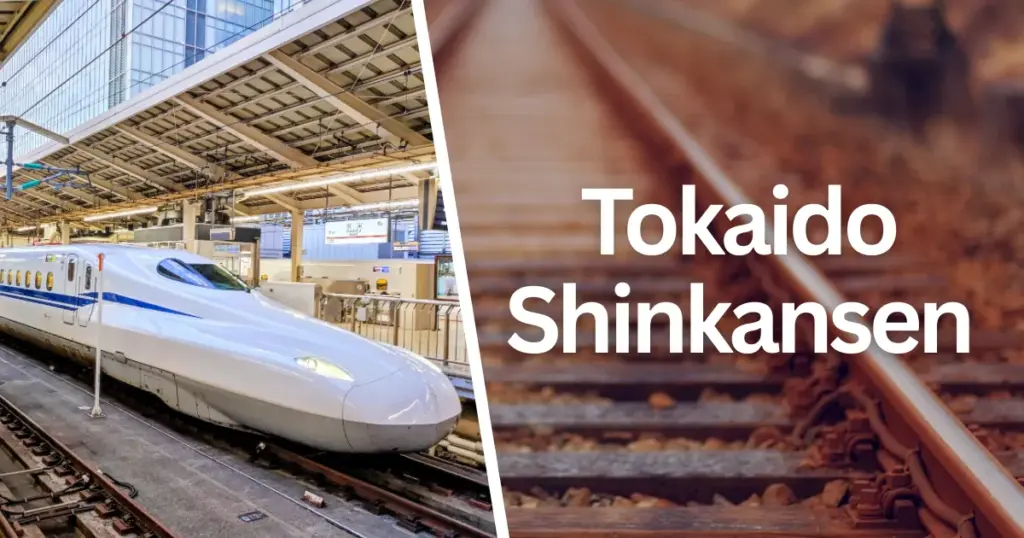
It does not include the Tokaido Shinkansen toward Nagoya, Kyoto, or Osaka, which is operated by JR Central.
- Tohoku Shinkansen: Tokyo ↔ Shin-Aomori
- Akita Shinkansen: Tokyo ↔ Akita
- Yamagata Shinkansen: Tokyo ↔ Shinjo
This allows access to major destinations like Sendai, Aomori, Morioka, Akita, and Yamagata in just a few hours from Tokyo.
Limited Express and Local Trains

The pass includes popular limited express services such as:
- Narita Express (N’EX) to/from Narita Airport.
- Hitachi/Tokiwa (Joban Line to Ibaraki and Fukushima).
- Resort Shirakami (scenic train along Akita–Aomori coast).
Local JR trains are also covered, connecting smaller towns like Aizu-Wakamatsu or Hirosaki.
JR EAST PASS (Tohoku area) Price and Value
The pass is designed to be cost-effective compared to purchasing regular Shinkansen tickets.
Price Table (Adult / Child)
Before buying the JR EAST PASS (Tohoku area), it’s important to understand the cost for adults and children.
The price structure is simple, with a flat rate that makes it easy to plan your budget in advance.
| Category | 5-Day Pass | 10-Day Pass |
|---|---|---|
| Adult | ¥30,000 ($205) | ¥45,000 ($306) |
| Child | ¥15,000 ($102) | ¥22,500 ($153) |
>>>Purchase JR East Pass (Tohoku Area) on Klook
Real-World Comparison
The value of the JR EAST PASS (Tohoku area) becomes clear when compared with the cost of individual Shinkansen tickets.
Even one or two long-distance trips can exceed the price of the pass, making it a smart investment for most visitors.
By using the pass strategically, you can travel further without worrying about ticket costs adding up.
| Route | Regular Fare (Round Trip) | With Pass |
|---|---|---|
| Tokyo ↔ Sendai | ~¥20,000 | Covered |
| Tokyo ↔ Aomori | ~¥35,000 | Covered |
| Tokyo ↔ Akita | ~¥30,000 | Covered |
| Tokyo ↔ Yamagata | ~¥20,000 | Covered |
For travelers making just one long trip north, such as Tokyo–Aomori or Tokyo–Akita, the pass already saves money.
For those planning multiple stops, like Sendai, Morioka, and Yamagata in one journey, the savings multiply while giving complete flexibility.
Best Seasons to Use
The JR EAST PASS (Tohoku area) becomes even more valuable when paired with the right season.
Tohoku is known for its dramatic changes throughout the year, offering unique scenery and festivals in every season.
By timing your trip carefully, you can experience events that are difficult to access without the pass.
- Spring:
Cherry blossoms in Hirosaki Castle and Kakunodate. - Summer:
Festivals like Aomori Nebuta and Sendai Tanabata. - Autumn:
Vibrant foliage in Naruko Gorge and Yamadera. - Winter:
Ski trips to Zao Onsen, snowy sceneries, and hot spring escapes.
How to Buy JR EAST PASS (Tohoku area)
You can buy the pass online before arrival or after landing in Japan.
Online Purchase
Available from the JR EAST Train Reservation website and partners like Klook.
You’ll receive a voucher/QR code to exchange at JR counters.
Online booking also lets you reserve seats in advance for Shinkansen and limited express trains.
Purchase in Japan
You can purchase at major JR East stations and airports including:
- Narita Airport, Haneda Airport
- Tokyo, Ueno, Shinjuku, Ikebukuro Stations
- Sendai Station
Bring your passport and pay by cash or card.
Seat Reservations and Travel Tips
When traveling long distances in Tohoku, having a reserved seat ensures both comfort and peace of mind.
The JR EAST PASS allows you to book Shinkansen and limited express seats at no extra cost, which is especially valuable during peak seasons.
Knowing how to reserve and what extras to try along the journey will make your trip smoother and more enjoyable.
How to Reserve Seats
Seat reservations are essential during busy travel periods such as Golden Week, Obon, and New Year holidays.
With the JR EAST PASS, you can reserve as many times as you need in ordinary cars without paying extra.
Reservations can be made in several convenient ways:
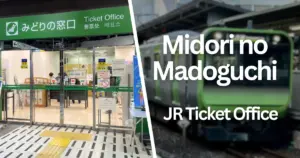
- Midori no Madoguchi (JR ticket office):
Staffed counters at major stations with English assistance. - Reserved seat vending machines:
Machines with multilingual displays where you can choose seats in advance. - JR EAST Train Reservation website:
Online platform to reserve seats before arriving in Japan or while traveling.
Tips for Smooth Travel
Traveling across Tohoku is more enjoyable when you prepare for local quirks and highlights.
Carry lighter luggage or use takkyubin (luggage forwarding) services to avoid difficulties on crowded Shinkansen.
Try a regional Ekiben (station bento box), such as Gyutan Bento from Sendai or Seafood Bento from Aomori, which turn your train ride into a local culinary experience.
For something unique, consider riding Joyful Trains—special themed trains operated by JR East.
Examples include the Resort Shirakami, which runs along the scenic coast between Akita and Aomori, and the Pokémon With You Train, popular with families.
JR EAST PASS vs JR Pass
Both passes target foreign visitors but serve different needs.
Coverage Differences
The main difference between the JR EAST PASS (Tohoku area) and the nationwide JR Pass lies in the travel area each one covers.
While both give you unlimited access to trains, the scope of travel changes the overall value of the pass.
Understanding this distinction helps you choose the option that matches your travel style and budget.
- JR Pass (Nationwide):
¥50,000 for 7 days, covers all of Japan including Kyoto and Osaka. - JR EAST PASS (Tohoku):
¥30,000 for 5 days, focused on Tohoku and Kanto.
Which One Should You Choose?
If your itinerary covers only Tokyo and the northern prefectures, the JR EAST PASS (Tohoku area) is the more practical and affordable choice.
It gives you unlimited rides on Shinkansen and express trains within Tohoku at nearly half the price of the nationwide JR Pass.
For travelers planning to visit Osaka, Kyoto, or Kyushu, the JR Pass is still the better option since it covers the entire country.
The key difference lies in whether your trip is region-focused or nationwide.
Example Itineraries with JR EAST PASS (Tohoku area)
The JR EAST PASS (Tohoku area) is best enjoyed with a relaxed pace, allowing you to fully experience each destination without rushing.
Below are two seasonal 5-day sample routes designed for comfort and deeper travel.
🌸 5-Day Cherry Blossom Route

Spring in Tohoku is famous for cherry blossoms that bloom later than in Tokyo.
This route follows the bloom gradually northward, combining historic towns with seasonal scenery.
- Day 1: Tokyo → Sendai (1h30 by Shinkansen)
Explore Matsushima Bay, one of Japan’s Three Scenic Views, and enjoy evening cherry blossoms at Nishi Park. Stay overnight in Sendai. - Day 2: Sendai → Kakunodate (2h by Akita Shinkansen)
Wander through the samurai district, where weeping cherry trees frame traditional houses. Stay overnight in Kakunodate at a local onsen ryokan. - Day 3: Kakunodate → Hirosaki (2h via Shinkansen + JR Ou Line)
Spend a full day at Hirosaki Castle Park, with over 2,500 cherry trees and blossom tunnels. Stay overnight in Aomori city. - Day 4: Aomori
Visit the Nebuta Museum Wa Rasse, try Aomori’s famous apple sweets, and take a slower day for local exploration. Stay in Aomori city. - Day 5: Aomori → Tokyo (3h30 by Shinkansen)
Enjoy the scenic Hayabusa ride back to Tokyo.
❄️ 5-Day Winter Onsen & Snow Route

Tohoku’s winters offer dramatic snow landscapes and some of the country’s most atmospheric hot spring towns.
This plan balances snowy adventures with time to relax.
- Day 1: Tokyo → Yamagata (2h30 by Yamagata Shinkansen)
Explore Yamagata city and check into your hotel. Overnight in Yamagata. - Day 2: Zao Onsen (day trip from Yamagata)
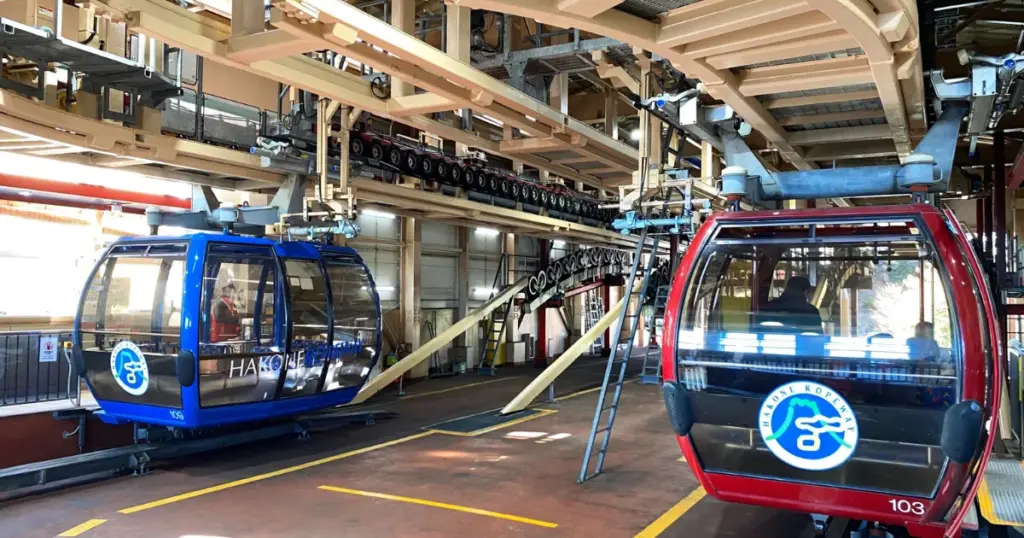
Take the ropeway to see the famous snow monsters (juhyo) and soak in an outdoor hot spring. Return to Yamagata city for overnight. - Day 3: Yamagata → Ginzan Onsen (train to Oishida + 40-min bus, bus fare not included)
Stay overnight in the historic hot spring town, with riverside ryokan and gas-lit streets covered in snow. - Day 4: Ginzan → Morioka (3h by Shinkansen)
Taste wanko soba noodles, explore Morioka Castle Ruins Park in winter atmosphere. Stay overnight in Morioka. - Day 5: Morioka → Tokyo (2h20 by Hayabusa Shinkansen)
Return to Tokyo at a relaxed pace.
FAQ – JR EAST PASS (Tohoku area)
- Can I buy the pass inside Japan?
-
Yes, at major airports and JR stations.
- Is it cheaper than the JR Pass?
-
Yes, if your focus is only Tohoku and Tokyo.
- Can I ride the Narita Express?
-
Yes, it’s fully included.
- Are Green Cars included?
-
No, you must pay an upgrade fee.
- Is Ginzan Onsen accessible with the pass?
-
The train is covered to Oishida Station, but the bus transfer is not.
- Can Japanese citizens buy it?
-
No, it’s for foreign Temporary Visitor status only.
- Do I need to activate it immediately after purchase?
-
No, you can specify the start date when exchanging.
Final Thoughts on JR EAST PASS (Tohoku area)
The JR EAST PASS (Tohoku area) remains one of the most versatile and affordable ways to explore northern Japan.
With the new 10-day option, it now caters to both short and extended stays.
From cherry blossoms in spring to snow-covered onsen in winter, the pass connects travelers to the very best of Tohoku.
If your itinerary is centered on Tokyo and the northern prefectures, this is the smart alternative to the nationwide JR Pass.
Japan Trails Newletter

Explore Tokyo with a Local!!

We offer tailored private tours designed for small groups. Prices start from 200 USD per person, and every itinerary can be fully customized.